NIST finalizes PQC standards
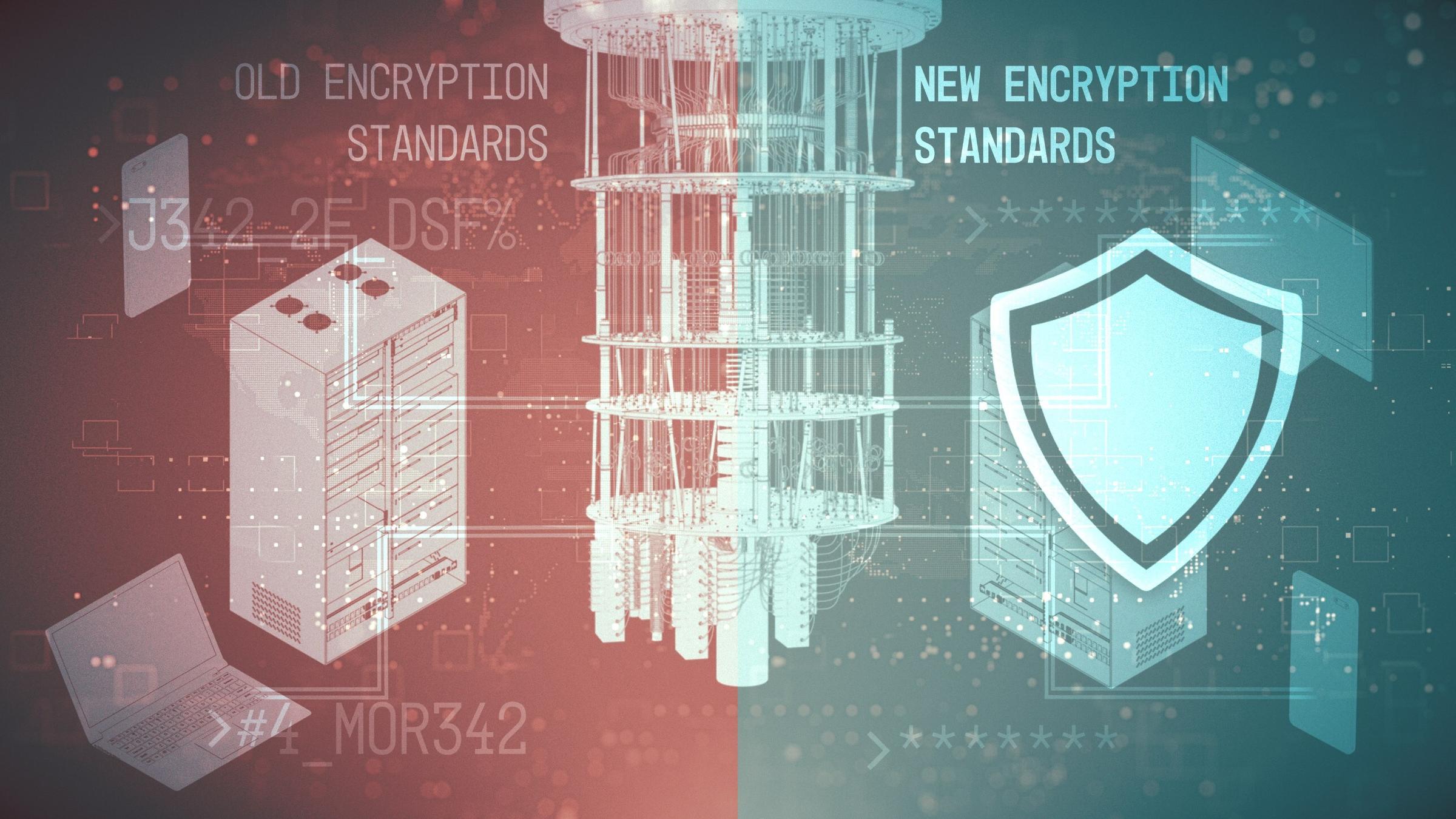
The National Institute of Standards and Technology (NIST) has moved post-quantum cryptography (PQC) from theoretical research to enforceable industry standards. This transition marks a definitive shift in the financial technology landscape, as the organization officially standardized the first set of algorithms designed to resist attacks from future quantum computers. For the cryptocurrency sector, these standards are not merely technical updates; they are the new baseline for asset security and regulatory compliance.
NIST’s final selection includes CRYSTALS-Kyber for general encryption and CRYSTALS-Dilithium, FALCON, and SPHINCS+ for digital signatures. Kyber provides the foundational layer for securing data in transit, ensuring that communications remain private even if quantum decryption capabilities emerge. Dilithium, the primary signature algorithm, is critical for verifying transaction authenticity on blockchains, while FALCON and SPHINCS+ offer alternatives for specific use cases requiring smaller signature sizes or stateless signing operations.
The implication for wallet security is immediate. Cryptocurrency wallets rely heavily on digital signatures to authorize transactions. As quantum computing hardware advances, traditional signature schemes like ECDSA (used by Bitcoin) and Ed25519 (used by Solana and others) become vulnerable to forgery. The adoption of NIST’s PQC standards means that wallet providers must begin integrating these new algorithms to prevent "harvest now, decrypt later" attacks, where adversaries steal encrypted data today to decrypt it once quantum machines are powerful enough.
This regulatory shift forces a rapid modernization of the crypto infrastructure. Exchanges, custodians, and individual wallet developers can no longer treat quantum resistance as a distant concern. The standardization provides a clear, unified path forward, replacing fragmented experimental approaches with a single, government-vetted framework. Market participants who delay this migration risk holding assets in wallets that will be insecure against next-generation threats.
Harvest now, decrypt later
The urgency to migrate to post-quantum standards does not depend on the immediate arrival of functional quantum computers. The threat is already active through a strategy known as "Harvest Now, Decrypt Later" (HNDL). Adversaries are currently intercepting and storing encrypted private keys, transaction records, and identity data with the specific intent of decrypting them once quantum computing power becomes sufficient.
For long-term holders of digital assets, this creates a critical vulnerability window. Unlike traditional financial data that may lose value or relevance over time, cryptographic keys and blockchain transactions are immutable and permanent. An attacker can store encrypted communications or wallet authentication data today, wait a decade for quantum capabilities to mature, and then access those assets when the encryption is finally broken.
This approach shifts the risk from theoretical future hardware to present-day operational security. If your private keys are exposed or encrypted with current standards (like ECC or RSA) and stored in transit or at rest, they are effectively locked vaults waiting for the right key. By the time NIST standards are fully implemented across all wallets, the damage from harvested data could already be irreversible.
The window to act is closing. While quantum computers capable of breaking SHA-256 or ECDSA do not yet exist, the collection of encrypted material is happening now. Waiting for the technology to "arrive" before securing your wallet is a strategic error, as the data you protect today will remain valuable and vulnerable long into the future.
Wallet providers adopt PQC
Major wallet and infrastructure providers are shifting from experimental support to mandatory integration of NIST-standardized Post-Quantum Cryptography (PQC). This transition is no longer theoretical; it is a structural requirement for maintaining asset security against future cryptographically relevant quantum computers. The industry is currently prioritizing the adoption of ML-KEM (formerly CRYSTALS-Kyber) for key encapsulation and ML-DSA (formerly CRYSTALS-Dilithium) for digital signatures.
Implementation strategies vary significantly based on the provider's technical architecture. Some platforms are deploying hybrid schemes that combine classical algorithms (like ECDH) with PQC to ensure backward compatibility while establishing quantum resistance. Others are moving toward pure PQC implementations, requiring users to update their devices or software to interact with the new cryptographic standards. The user experience is bifurcating: some providers require explicit opt-in actions, while others enforce silent, background upgrades.
To understand the current landscape, it is essential to compare how leading infrastructure providers are handling this migration. The table below outlines the adoption status, supported algorithms, and required user actions for several major players.
| Provider | PQC Status | Primary Algorithms | User Action |
|---|---|---|---|
| Ledger | Hybrid Support | ML-KEM-768 + X25519 | Automatic on firmware update |
| Trezor | Hybrid Support | ML-KEM + Curve25519 | Mandatory firmware update |
| MetaMask | Experimental | ML-KEM-512 (Testnet) | Opt-in via settings |
| Trust Wallet | Roadmap | Not yet implemented | None required yet |
How to migrate your wallet to quantum-safe standards
The transition to post-quantum cryptography (PQC) is not a software update you can ignore. It is a structural change to how your private keys are protected against future computational threats. Until wallet providers fully integrate NIST-approved algorithms, you must take manual steps to secure your assets. The goal is to maintain custody security while avoiding the pitfalls of premature or incompatible implementations.
Start by identifying which wallets and exchanges hold your primary assets. Most legacy wallets rely on elliptic curve cryptography (ECC), which is vulnerable to Shor’s algorithm on quantum computers. Check your wallet documentation to see if it supports hybrid key generation or if it is strictly classical. If you are using a hardware wallet, verify its firmware version against the manufacturer’s list of PQC-ready devices.

Hardware wallets offer the highest level of security during this transition because they isolate private keys from internet-connected devices. Look for devices that explicitly mention support for CRYSTALS-Kyber or other NIST-standardized algorithms. If your current hardware wallet does not support PQC, consider migrating your assets to a newer model that does. This is the most reliable way to ensure your keys remain secure against quantum decryption attempts.

Multi-signature wallets require multiple private keys to authorize a transaction, adding a layer of defense that complements quantum-resistant algorithms. Even if one key is compromised or a quantum computer breaks one algorithm, the remaining keys can still protect your funds. Set up a 2-of-3 or 3-of-5 multi-sig arrangement using different hardware devices or trusted guardians. This reduces single points of failure and distributes risk across multiple security domains.

Ensure your wallet software is updated to the latest version that supports PQC standards. Some wallets offer "quantum-resistant addresses" that use hybrid signatures combining classical and post-quantum algorithms. When sending funds, verify that the receiving wallet also supports these standards to maintain end-to-end security. Avoid sending large sums to addresses generated by older, unverified software versions that may not handle PQC keys correctly.
NIST continues to refine PQC standards, and wallet providers will roll out updates incrementally. Subscribe to official NIST announcements and follow your wallet provider’s security blog for migration timelines. Do not rush to adopt unverified "quantum-safe" features from unofficial sources. Wait for peer-reviewed implementations and official compatibility certifications before making significant changes to your custody strategy.
The stakes are high, but the path is clear. By auditing your setup, upgrading to PQC-ready hardware, and leveraging multi-signature security, you can protect your assets during this critical transition period. Stay informed, stay cautious, and prioritize verified standards over hype.
No comments yet. Be the first to share your thoughts!