Why 2026 Changes Crypto Security
The timeline for quantum threats is no longer theoretical. With the National Institute of Standards and Technology (NIST) finalizing its Post-Quantum Cryptography (PQC) standards, the window for securing crypto wallets against future decryption is narrowing. Current encryption methods, specifically RSA and Elliptic Curve Cryptography (ECC), rely on mathematical problems that classical computers cannot solve efficiently but quantum computers can.
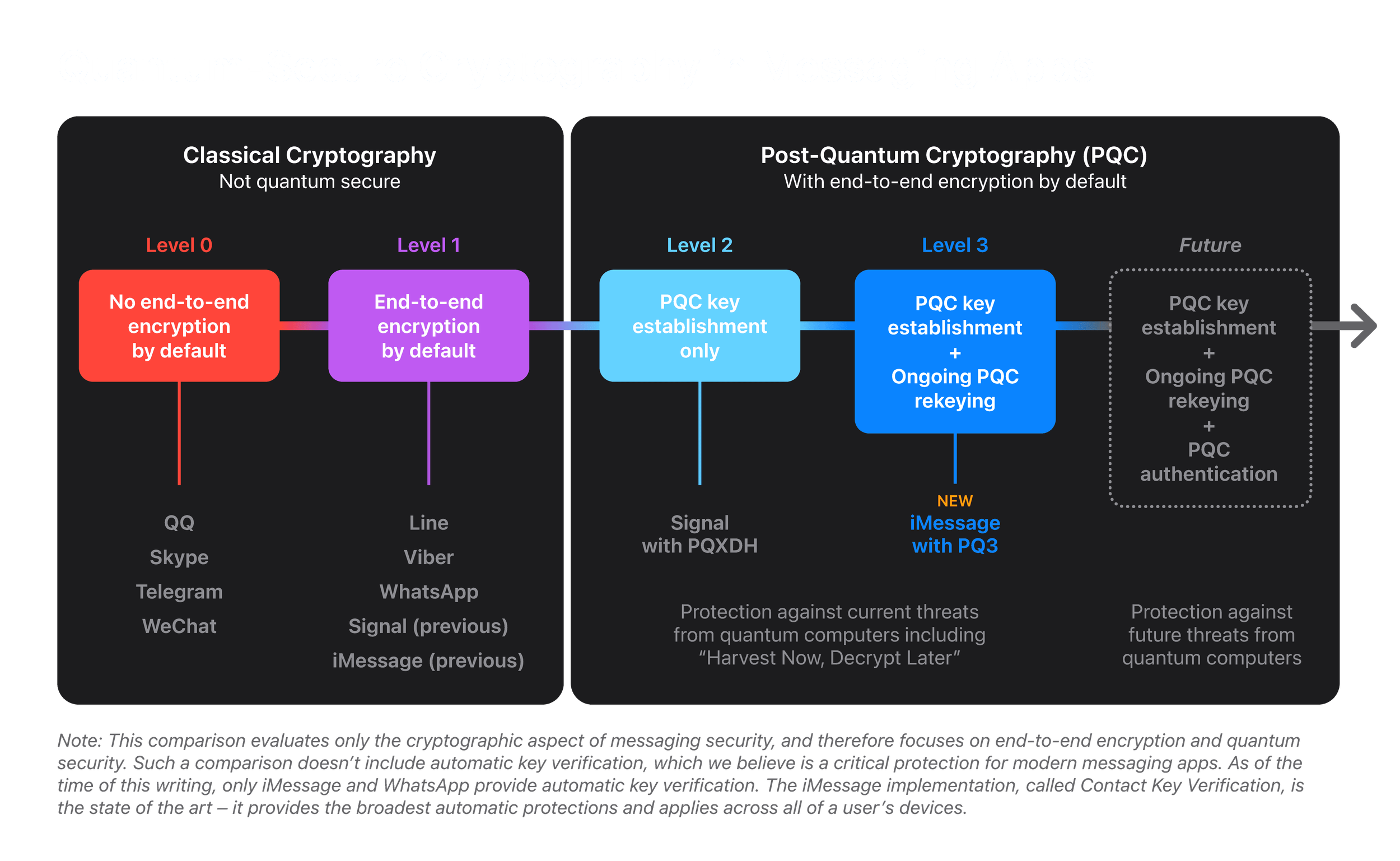
This "Harvest Now, Decrypt Later" strategy poses an immediate risk. Unlike traditional hacking, where data must be decrypted at the time of theft, quantum adversaries can store encrypted transactions or seed phrases and wait for the computational breakthrough required to break them. Once the final PQC standards are locked in 2026, wallets that do not integrate these new algorithms will be obsolete, leaving user assets exposed to retroactive decryption.
NIST's finalization marks the end of the standardization phase and the beginning of mandatory migration. Wallet developers must shift from ECC-based key exchanges to lattice-based or hash-based signatures to ensure long-term security. Ignoring this transition means accepting that current cryptographic protections will fail against the next generation of computing power.
For more on the project's milestones and the specific algorithms selected, see the NIST PQC Standardization Project.
Identify the correct NIST algorithms
The transition to post-quantum cryptography (PQC) requires precision. NIST finalized its first set of standards in August 2024, and by 2026, these will be the baseline for secure crypto wallets. Using deprecated or experimental variants leaves your assets vulnerable to future quantum attacks. You must verify that your implementation relies on the three specific algorithms approved by NIST.
ML-KEM: Key Encapsulation
ML-KEM (Module-Lattice-Based Key Encapsulation Mechanism), formerly known as Kyber, is the standard for hybrid key exchange. It replaces traditional ECDH (Elliptic Curve Diffie-Hellman) in your handshake protocol. ML-KEM ensures that even if a quantum computer breaks the elliptic curve component, the lattice-based ML-KEM layer maintains secrecy. Implement this for all new key exchanges, including TLS sessions and wallet-to-wallet communication channels.
ML-DSA: Digital Signatures
ML-DSA (Module-Lattice-Based Digital Signature Algorithm), formerly known as Dilithium, handles signing operations. It is the primary replacement for ECDSA and Ed25519. When a user signs a transaction, the wallet must generate an ML-DSA signature. This algorithm provides strong security against quantum adversaries while keeping signature sizes manageable for blockchain networks. Verify that your signing library supports ML-DSA variants (ML-DSA-44, ML-DSA-65, or ML-DSA-87) based on your required security level.
SLH-DSA: Hash-Based Signatures
SLH-DSA (Stateless Hash-Based Digital Signature Algorithm), formerly known as SPHINCS+, serves as a conservative backup. It relies on hash functions rather than lattice structures, offering a different mathematical security assumption. Use SLH-DSA for long-term archival signing or as a fallback in hybrid signature schemes where maximum assurance is required. Its larger signature size makes it less suitable for high-frequency transactions, but its resistance to algorithmic breakthroughs makes it valuable for critical, infrequent operations.

Verification Checklist
-
Confirm ML-KEM is used for key exchange in all new protocols.
-
Ensure ML-DSA replaces ECDSA/Ed25519 for transaction signing.
-
Validate SLH-DSA availability for hybrid or archival signing needs.
-
Remove support for deprecated PQC candidates like CRYSTALS-Kyber (pre-standard) or Dilithium (pre-standard).
-
Confirm ML-KEM is used for key exchange in all new protocols.
-
Ensure ML-DSA replaces ECDSA/Ed25519 for transaction signing.
-
Validate SLH-DSA availability for hybrid or archival signing needs.
-
Remove support for deprecated PQC candidates like CRYSTALS-Kyber (pre-standard) or Dilithium (pre-standard).
Migrate wallet encryption keys
Replacing legacy public/private key pairs with post-quantum compatible keys is the most critical step in securing crypto wallets against quantum threats. You cannot simply swap algorithms; you must transition to hybrid key schemes that maintain backward compatibility while establishing quantum-resistant security.
The National Institute of Standards and Technology (NIST) has standardized the first set of post-quantum cryptography (PQC) algorithms, including ML-KEM and ML-DSA. Implementing these standards requires a structured migration path that prioritizes hybrid approaches to ensure your wallet remains usable by legacy clients while protecting assets from future decryption.
Before generating new keys, catalog every wallet instance, smart contract, and signing authority currently using elliptic curve cryptography (ECC) or RSA. Identify which keys are active, which are archived, and which are critical for transaction signing. This inventory determines the scope of your migration and helps you prioritize high-value assets.

Do not replace legacy keys immediately. Instead, generate hybrid key pairs that combine a traditional algorithm (like ECDSA or Ed25519) with a NIST-standardized post-quantum algorithm (such as ML-KEM-768 for key encapsulation). This dual-layer approach ensures that if one algorithm is compromised, the other still protects the encryption. Store both the classical and PQC components securely within your wallet’s key management system.
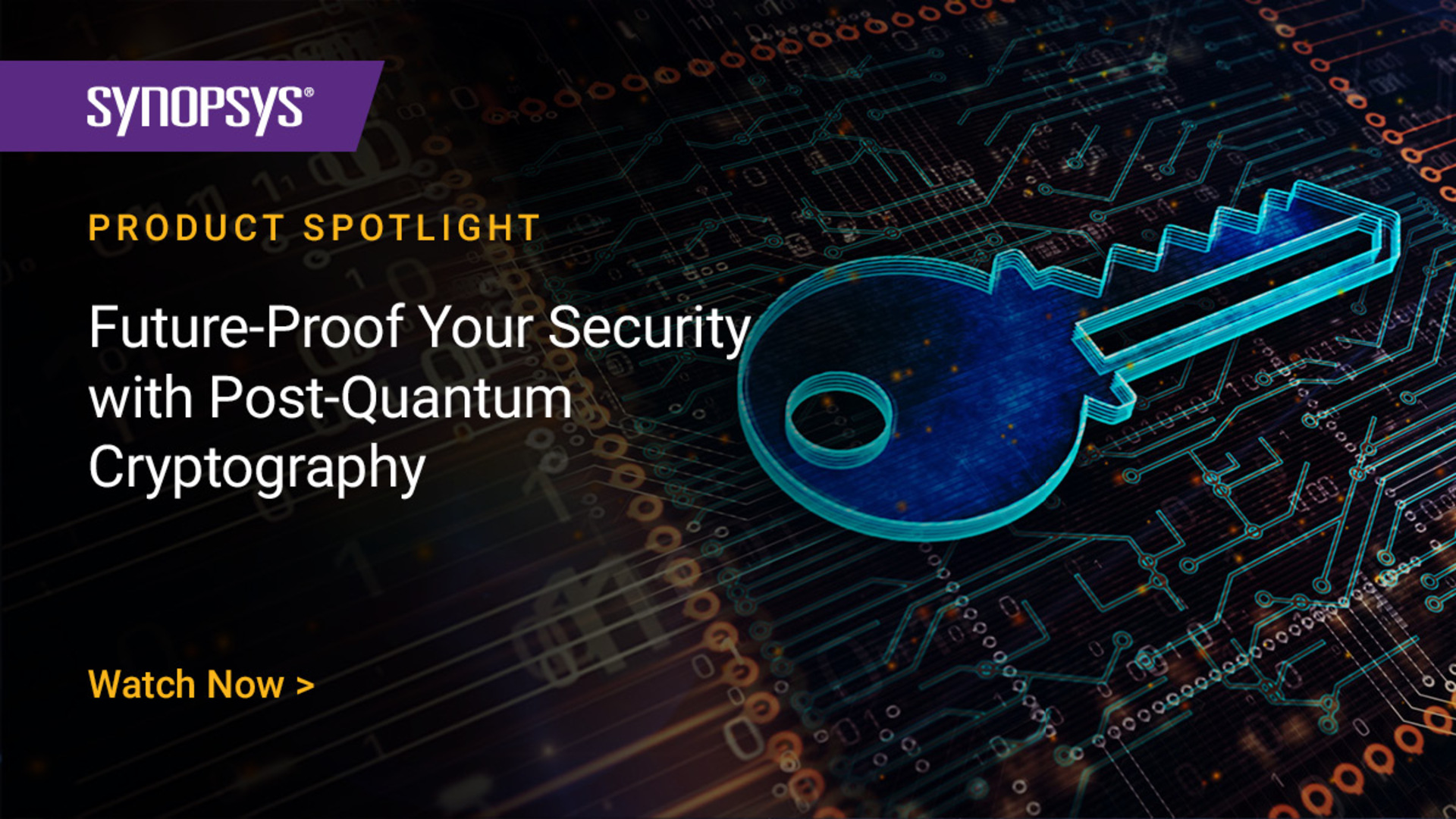
Modify your wallet’s cryptographic libraries to support hybrid signing and encryption. When signing a transaction, include signatures from both the legacy and post-quantum algorithms. When encrypting data, use a hybrid key encapsulation mechanism that derives a symmetric session key from both the classical and PQC public keys. This ensures that existing clients can still verify legacy signatures while new clients can validate the quantum-resistant component.
Before moving to mainnet, deploy your hybrid wallet implementation to a testnet environment. Simulate transaction signing, key exchange, and encryption workflows to verify that the hybrid signatures are correctly formatted and that legacy clients can still interact with the wallet if necessary. Test for edge cases, such as malformed packets or version mismatches, to prevent network fragmentation.
Gradually roll out the hybrid wallet to mainnet users. Implement a fallback protocol that allows users to revert to legacy keys if a critical bug is discovered in the PQC implementation. Monitor network performance and transaction success rates closely. As the ecosystem adopts PQC standards, you can eventually phase out the legacy components, but maintaining a fallback ensures continuity during the transition period.
This migration is not a one-time update but an ongoing process. As NIST releases additional standards and quantum computing capabilities evolve, you must remain prepared to update your hybrid schemes. Regular audits of your cryptographic implementation are essential to ensure that your wallet remains secure against both classical and quantum threats.
Test transaction signature compatibility
Before deploying post-quantum (PQC) signatures to a live crypto wallet, you must verify that the new cryptographic primitives are accepted by the blockchain network without breaking existing smart contract logic or node validation rules. This phase is not merely a technical check; it is a critical compliance step to ensure your wallet does not broadcast invalid transactions that could be rejected by the network or flagged as malicious.
1. Verify Node Acceptance
Start by testing against a testnet that mirrors mainnet consensus rules. Submit a transaction signed with the new PQC algorithm (e.g., CRYSTALS-Dilithium or Falcon) to a node running the updated validation software. According to NIST’s ongoing standardization efforts, interoperability depends on strict adherence to the defined serialization formats src-serp-2. If the node rejects the transaction due to a malformed signature or an unsupported algorithm identifier, your wallet’s transaction builder is misconfigured.
2. Check Smart Contract Logic
Many wallets interact with smart contracts that may have hard-coded signature verification logic. If a contract expects a traditional ECDSA signature, a PQC signature will cause the contract execution to fail. Test your wallet’s interaction with a dummy contract that mimics your production environment. Ensure that any multi-signature setups or threshold schemes correctly handle the larger size of PQC signatures, which can be several kilobytes compared to traditional signatures.
3. Validate Node Sync and Consensus
Finally, confirm that the network nodes can sync and validate the block containing your test transaction. If the signature is valid but the block propagation is delayed or fails, it may indicate that the signature size is exceeding the block gas limit or causing memory issues on older nodes. Monitor the mempool for rejections and check node logs for specific error codes related to signature verification.
4. Document and Report
Keep a detailed log of all test transactions, including the transaction hash, the PQC algorithm used, and the node’s response. This documentation is essential for troubleshooting and for reporting any compatibility issues to the blockchain’s core developers or the NIST PQC project team. Early identification of compatibility issues allows you to adjust your wallet’s implementation before mainnet deployment.
Common migration mistakes to avoid
The most frequent error in crypto wallet migration is partial implementation. Teams often prioritize encrypting data with new post-quantum algorithms while leaving digital signatures unchanged. This creates a fragile security posture where the wallet can protect stored funds but cannot verify transaction integrity against quantum threats. A hybrid key approach is essential during the transition period, combining classical and post-quantum signatures to ensure both confidentiality and authenticity.
Another critical mistake is disabling legacy keys too early. If the network has not yet confirmed full post-quantum acceptance, removing classical support can lead to permanent loss of access or transaction failures. Always maintain dual-key support until the broader ecosystem validates the new standards. This cautious approach prevents isolation and ensures compatibility across all nodes.
Premature removal of classical keys can result in permanent loss of access or transaction failures if the network has not yet validated post-quantum standards.
Finally, avoid testing migration in isolation. Real-world wallets must handle mixed environments where some nodes use classical keys and others use post-quantum keys. Ensure your migration strategy accounts for this hybrid reality to prevent fragmentation and maintain seamless user experience.
Frequently asked questions about PQC migration
How does post-quantum cryptography affect wallet performance?
PQC algorithms like ML-KEM (Kyber) and ML-DSA (Dilithium) introduce measurable overhead compared to legacy ECDSA or Ed25519. Key sizes increase significantly—ML-KEM public keys are roughly 1.2 KB, and signatures can exceed 2 KB. This impacts transaction throughput and storage requirements on constrained devices. Wallets must optimize memory allocation and potentially batch signing operations to maintain acceptable user experience during the transition period.
Can legacy wallets interact with PQC-enabled transactions?
No, direct backward compatibility is not possible without hybrid schemes. A purely PQC-signed transaction cannot be validated by a node or wallet still expecting ECDSA signatures. To bridge this gap, implement hybrid signing where both classical and post-quantum signatures are generated and verified. This ensures that legacy systems can validate the classical portion while PQC-ready systems validate the quantum-resistant portion, preventing transaction rejection during the migration window.
What are the regulatory compliance requirements for crypto wallets?
As of 2026, regulatory frameworks are aligning with NIST’s FIPS 203, 204, and 206 standards. Financial institutions and crypto custodians must demonstrate compliance with these federal standards to maintain operational licenses in many jurisdictions. Auditors will verify that key management systems support PQC algorithms and that migration timelines adhere to industry-wide adoption curves. Failure to adopt these standards may result in non-compliance penalties or restricted access to traditional financial rails.
No comments yet. Be the first to share your thoughts!