
Post-quantum cryptography limits to account for
Post-quantum cryptography (PQC) is the development of cryptographic algorithms designed to remain secure against attacks from quantum computers. Unlike classical encryption, which relies on mathematical problems that quantum machines can solve exponentially faster, PQC uses lattice-based, hash-based, or code-based math that resists both classical and quantum processing power.
The primary constraint is not just algorithmic strength, but integration. NIST-standardized algorithms like CRYSTALS-Kyber (key encapsulation) and CRYSTALS-Dilithium (signatures) are larger and slower than their RSA or ECC predecessors. This increases bandwidth usage and latency, forcing a tradeoff between security and performance in high-throughput environments.
Implementing PQC is no longer optional for high-stakes sectors. Regulatory bodies and industry standards are shifting from "quantum readiness" to mandatory migration. Organizations must now audit their crypto-agility to swap algorithms without disrupting entire infrastructure, ensuring they can defend against "harvest now, decrypt later" attacks before quantum computers reach maturity.
Post-quantum cryptography choices that change the plan
Adopting NIST-standardized algorithms like ML-KEM and ML-DSA is no longer optional; it is a regulatory and security baseline. However, these new primitives introduce distinct engineering constraints that legacy RSA or ECC did not. You must evaluate the specific tradeoffs of key size, signature length, and computational overhead before migrating your infrastructure.
The primary friction point is packet size. Lattice-based schemes require significantly larger public keys and ciphertexts. For bandwidth-constrained environments like IoT devices or mobile networks, this overhead can degrade performance or require architectural changes to TLS handshakes. You need to verify if your existing hardware can handle the increased memory footprint without latency spikes.
Another critical factor is signature verification speed. While ML-DSA offers robust security, the verification process is computationally heavier than traditional ECDSA. This matters most for high-throughput servers validating millions of signatures per second. If your application relies on rapid, lightweight verification, the shift to post-quantum standards may necessitate hardware acceleration or updated cryptographic libraries.
| Algorithm | Public Key Size | Ciphertext Size | Verification Speed | Best Use Case |
|---|---|---|---|---|
| ML-KEM-768 | ~1,184 bytes | ~1,088 bytes | Fast | Key exchange, TLS |
| ML-DSA-65 | ~2,600 bytes | ~2,420 bytes | Moderate | Digital signatures |
| SLH-DSA | ~2,500 bytes | ~49,000 bytes | Very Fast | Long-term signing |
These tradeoffs are not abstract; they directly impact your deployment strategy. Start by auditing which services handle sensitive data and require long-term confidentiality. For those services, prioritize ML-KEM for key encapsulation. For digital signatures, choose between ML-DSA for general use or SLH-DSA if you require stateless, hash-based security guarantees.
| Algorithm | Key Size | Speed | Risk Profile |
|---|---|---|---|
| ML-KEM | Large | High | Low |
| ML-DSA | Medium | Medium | Low |
| SLH-DSA | Variable | Low | Minimal |
The market for post-quantum expertise is expanding rapidly as organizations scramble to meet compliance deadlines. Salaries for specialists in this niche reflect the scarcity of talent, with roles often commanding premiums over general cybersecurity positions. Understanding these technical constraints helps you budget effectively for both engineering resources and security audits.
While market volatility often dominates headlines, the underlying shift in cryptographic standards is a permanent structural change. Tracking relevant financial metrics can provide context for the broader investment in quantum-resistant technologies, but the core driver remains regulatory compliance and threat mitigation.
Choose the next step
Transitioning to post-quantum cryptography (PQC) is no longer a theoretical exercise. With NIST finalizing its standards, organizations must move from assessment to implementation. This decision framework helps you determine your immediate priority based on your current cryptographic inventory and risk profile.
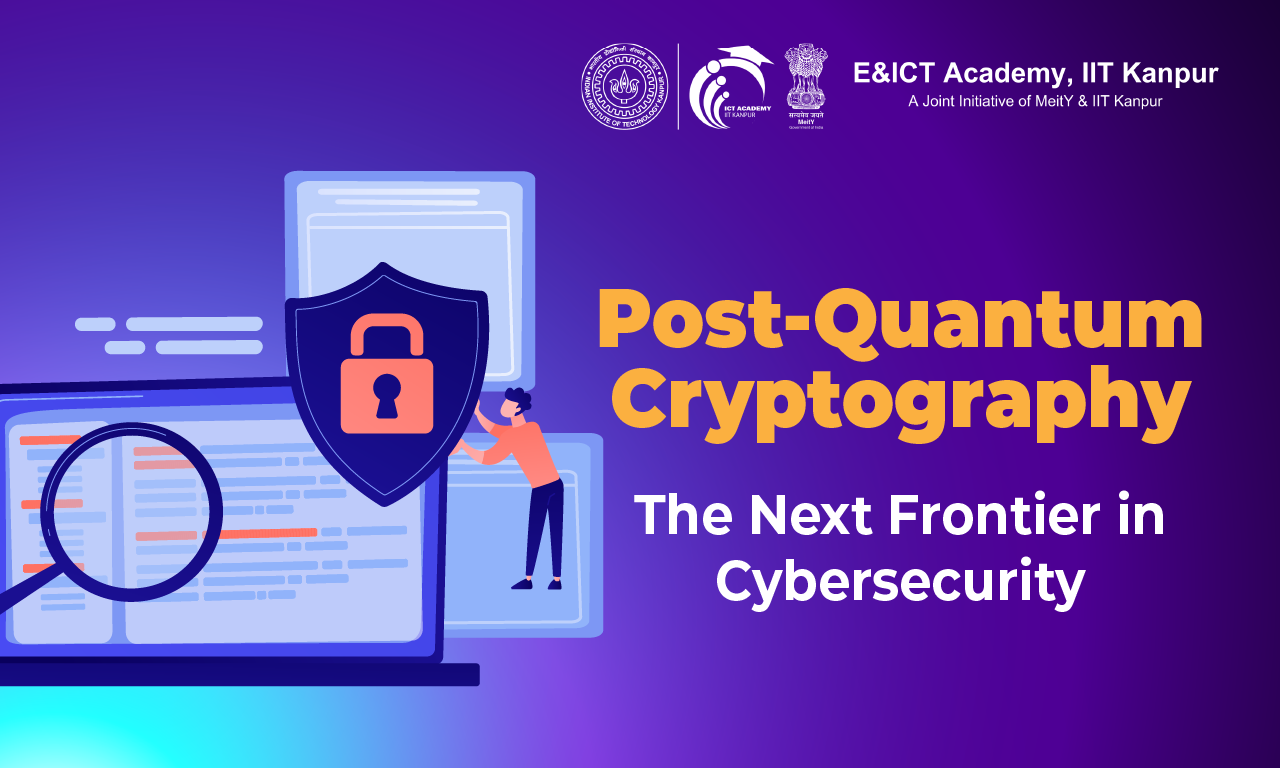
Identify every instance of RSA-2048, ECC, and DSA across your infrastructure. PQC migration is not just about replacing certificates; it involves TLS handshakes, code signing, and document encryption. Use automated scanning tools to map these dependencies before selecting algorithms.
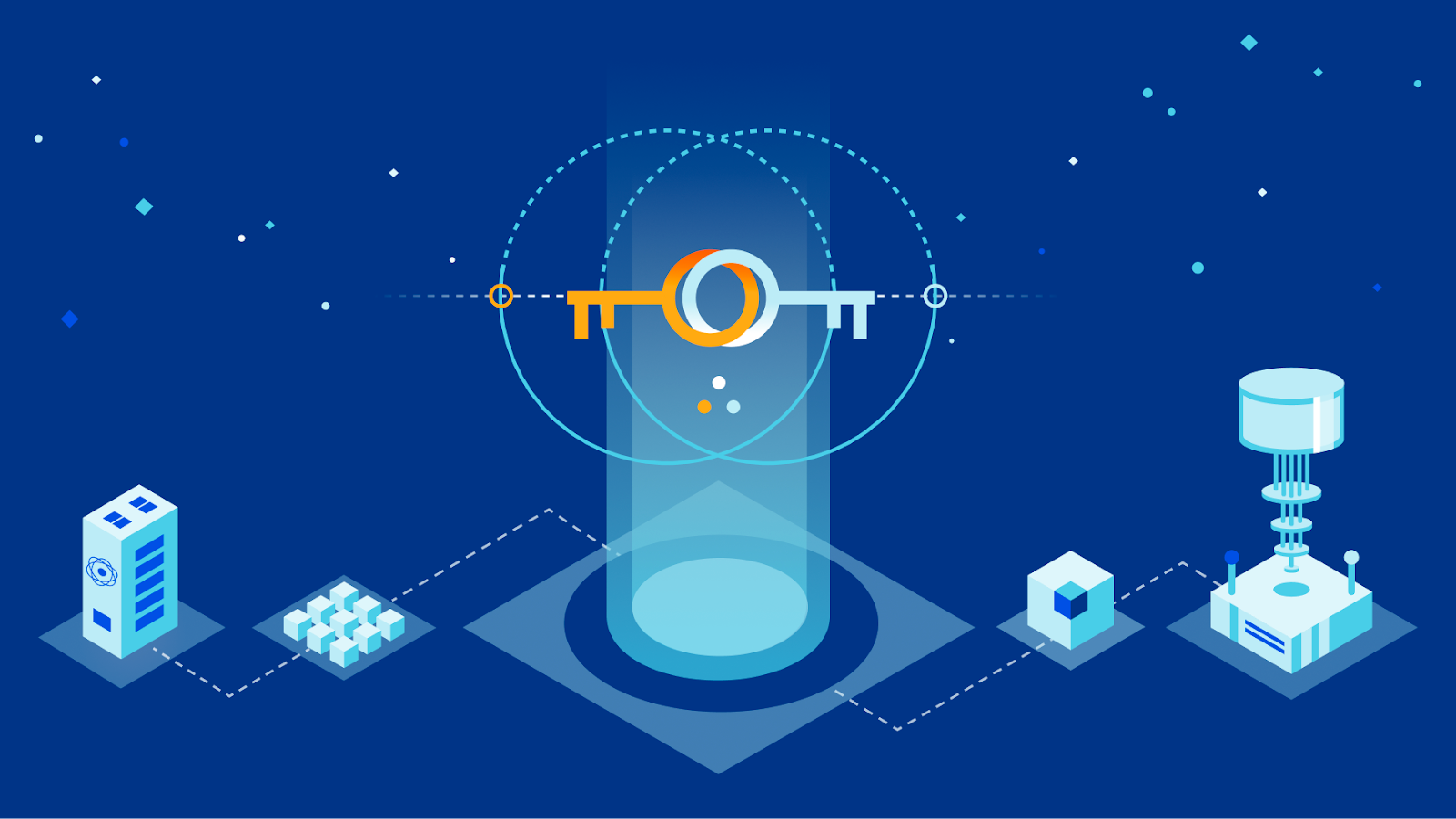
Do not replace classical algorithms immediately. Implement hybrid schemes that combine traditional RSA/ECC with NIST-standardized PQC algorithms like ML-KEM (Kyber) or ML-DSA (Dilithium). This ensures backward compatibility while providing quantum resistance against future threats.

Focus first on data with long shelf lives, such as state secrets, intellectual property, and health records. "Harvest now, decrypt later" attacks mean data encrypted today with classical algorithms is already at risk. Secure these assets before migrating lower-priority systems.
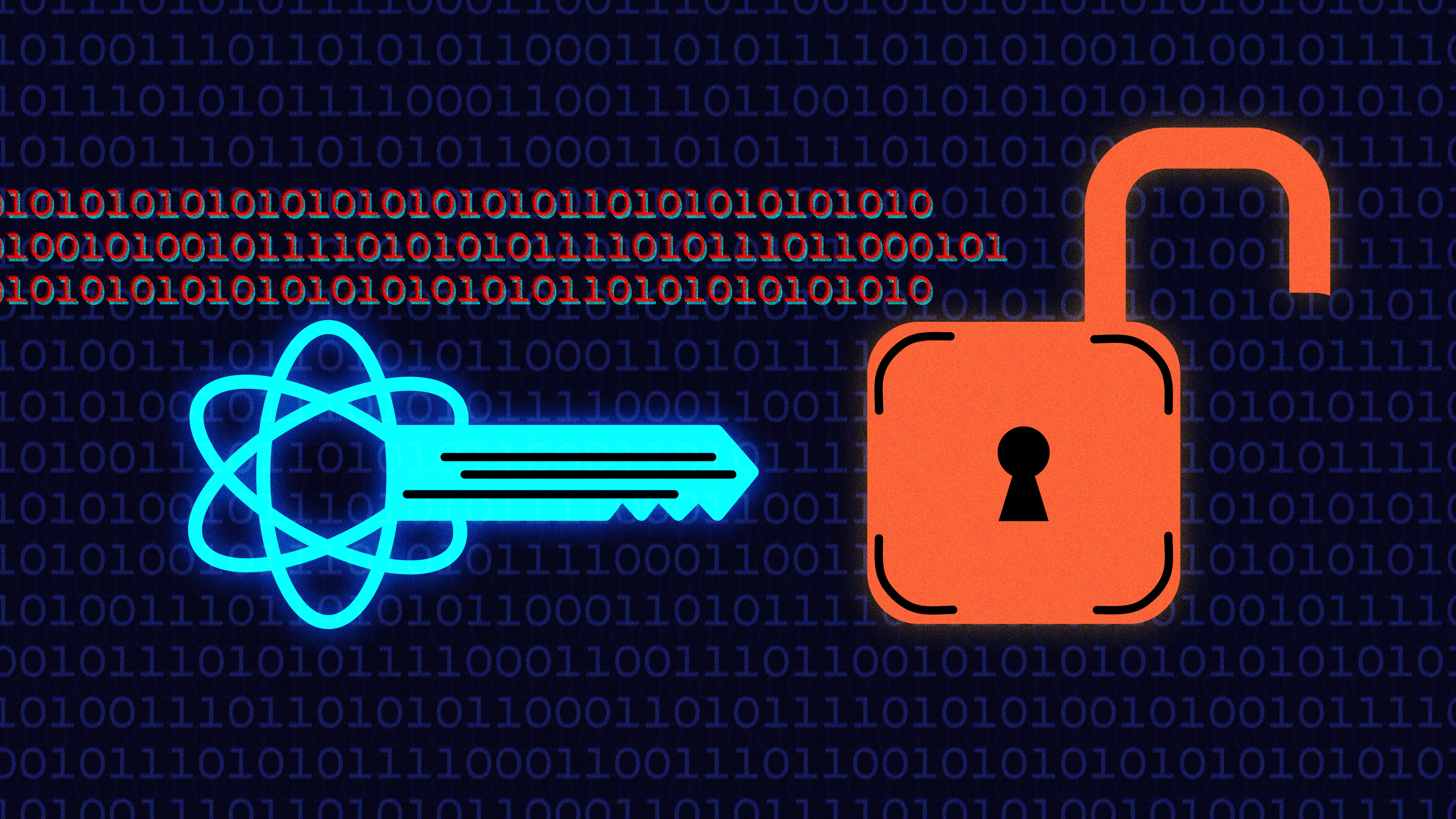
PQC algorithms often require larger key sizes and signatures, which can increase latency and bandwidth usage. Conduct load testing in staging environments to ensure your infrastructure can handle the overhead without degrading user experience or system throughput.
Cryptography is not a set-it-and-forget-it solution. Establish a continuous monitoring process to track NIST updates and emerging quantum threats. Regularly review your PQC implementation to ensure it remains compliant with the latest standards and effectively mitigates new attack vectors.
-
Identify all RSA/ECC dependencies
-
Implement hybrid key exchange
-
Prioritize long-life data encryption
-
Test PQC performance overhead
-
Create update monitoring protocol
Avoid Common Post-Quantum Mistakes
As organizations migrate to NIST-standardized algorithms, several pitfalls emerge that can undermine security. Understanding these weak options prevents costly rework and compliance failures.
Confusing Key Encapsulation with Digital Signatures
A frequent error is treating all PQC algorithms as interchangeable. ML-KEM (formerly Kyber) secures data exchange, while ML-DSA (formerly Dilithium) verifies identity. Using a key encapsulation mechanism for document signing fails cryptographically. Always match the algorithm to the specific protocol requirement.
Ignoring Hybrid Mode Requirements
Relying solely on new PQC algorithms before they have undergone extensive real-world testing is risky. NIST recommends hybrid modes that combine traditional ECC or RSA with PQC. This ensures security even if a new algorithm contains an undiscovered vulnerability. Dismissing hybrid approaches leaves systems exposed to both quantum and classical attacks.
Underestimating Packet Size
n PQC public keys and signatures are significantly larger than their classical counterparts. ML-DSA signatures can exceed 4 KB, which may break protocols with strict size limits like DNS or TLS handshakes. Failing to adjust network MTU settings or buffer sizes causes connection drops. Plan for larger payloads during implementation.
Skipping the Crypto-Agility Audit
Many systems hardcode specific algorithms, making future updates difficult. If NIST deprecates a standard, a rigid system cannot adapt. Ensure your infrastructure supports algorithm swapping without major code refactoring. This flexibility is essential for long-term security in a rapidly evolving threat landscape.
Post-quantum cryptography: what to check next
You likely have practical concerns about the transition to NIST-standardized algorithms. The following answers address the most common objections regarding cost, performance, and career impact.
No comments yet. Be the first to share your thoughts!