Zero-Knowledge Proofs 2026: Infrastructure Shifts to Production
The narrative surrounding zero-knowledge proofs (ZKPs) has shifted from theoretical cryptography to tangible infrastructure. By 2026, ZK technology is no longer confined to academic papers or experimental testnets. It is now running on standard consumer hardware and integrated into enterprise-grade systems, marking a definitive transition to production readiness.
This shift is driven by significant improvements in prover efficiency. Systems like RISC Zero have established the longest production track records, demonstrating that ZKPs can operate reliably on accessible hardware, including 16 consumer GPUs. This democratization of proof generation reduces reliance on specialized, expensive ASICs, allowing for broader deployment across decentralized networks and traditional financial infrastructure.
Standardization efforts led by bodies like ZKProof are critical to this mainstream adoption. Their work ensures interoperability between different ZK circuits and verifiers, a prerequisite for high-stakes financial applications. As protocols mature, the focus moves from raw throughput to security guarantees and compliance, positioning zero-knowledge proofs as a foundational layer for privacy-preserving finance.
The underlying asset performance often mirrors the technical maturity of the ecosystem. As ZK-rollups become the primary scaling solution for Ethereum, the utility of the underlying token expands beyond simple speculation. This correlation between infrastructure utility and asset value underscores the material impact of ZK technology on the broader market.
ZK-rollups scale transaction throughput
Zero-knowledge proofs (2026) have moved from theoretical cryptography to the backbone of high-frequency financial infrastructure. ZK-rollups solve the blockchain scalability trilemma by batching thousands of transactions off-chain and submitting a single cryptographic proof to the main chain. This architecture allows networks to handle high-volume financial transactions without compromising security or decentralization.
Unlike optimistic rollups, which rely on a dispute period to validate transactions, ZK-rollups provide immediate finality. The network verifies the validity of the entire batch in milliseconds using a succinct proof, eliminating the need for a 7-day challenge window. This speed is critical for institutional trading and real-time settlement, where latency directly impacts capital efficiency.
The economic model of ZK-rollups also favors high-throughput applications. By compressing data and verification costs, transaction fees remain low even during peak network congestion. This stability attracts developers building complex DeFi protocols and enterprise-grade applications that require predictable costs.
Verification and Cost Comparison
The following table contrasts ZK-rollups with optimistic rollups, highlighting the structural advantages for financial infrastructure.
| Metric | ZK-Rollup | Optimistic Rollup |
|---|---|---|
| Finality Time | Seconds | 7 Days |
| Security Model | Cryptographic Proof | Fraud Proofs |
| Gas Cost per Tx | Low | Moderate |
| Data Availability | Compressed | Full Data |
Identity and compliance meet privacy
The integration of zero-knowledge proofs into regulatory frameworks marks a structural shift in how institutions handle sensitive data. As of 2026, the industry is moving beyond theoretical privacy models toward production-ready compliance stacks. This transition addresses the primary friction point in institutional adoption: the conflict between strict Know Your Customer (KYC) and Anti-Money Laundering (AML) mandates and user data protection.
Traditional compliance requires centralized databases that store personally identifiable information (PII), creating high-value targets for breaches. Zero-knowledge proofs decouple verification from storage. Users can generate cryptographic proofs that satisfy regulatory conditions without exposing the underlying data. For example, a user can prove they are over 18 without revealing their date of birth, name, or address. This capability allows financial institutions to meet legal obligations while minimizing their liability exposure and data retention risks.
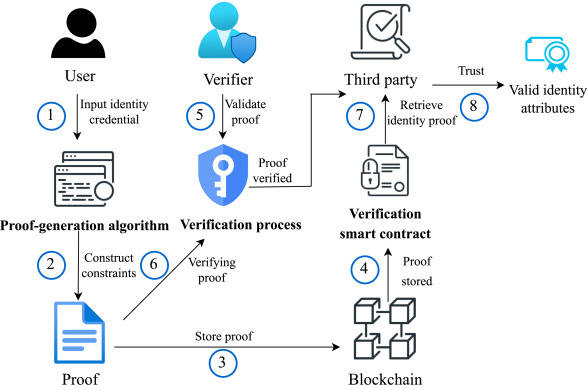
This architectural change enables a new standard for digital privacy where verification is continuous and non-intrusive. Academic research and technical reports from ZKProof.org highlight the scalability improvements that make this feasible for high-throughput financial systems. The result is a compliance layer that operates invisibly in the background, allowing institutions to onboard users faster while maintaining robust security postures.
Post-quantum readiness in ZK systems
As quantum computing capabilities advance, the cryptographic foundations of current zero-knowledge proof (ZKP) systems face potential obsolescence. The intersection of ZKPs and post-quantum cryptography is no longer theoretical; it is an urgent infrastructure requirement. Researchers and standards bodies are actively auditing existing ZK circuits to ensure they remain secure against quantum adversaries.
The primary concern lies in the discrete logarithm and integer factorization problems that underpin many traditional cryptographic primitives. While ZKPs themselves are mathematical constructions, their security often relies on hash functions and commitment schemes that must be resistant to Shor’s algorithm. Current ZK standards are being rigorously reviewed to identify vulnerabilities and transition toward lattice-based or hash-based post-quantum alternatives.
ZKProof.org, an open-industry academic initiative, is at the forefront of this transition. Their recent workshops and technical reports highlight the necessity of quantum-resistant ZK circuits. By prioritizing post-quantum security in the design of zero-knowledge proofs 2026, the industry aims to future-proof privacy-preserving technologies against emerging computational threats.
This shift requires a fundamental rethinking of ZKP architectures. Developers must adopt new parameter sets and cryptographic primitives that do not rely on classical hardness assumptions. The goal is to maintain the zero-knowledge property while ensuring that proofs remain valid and secure in a post-quantum world. This proactive approach is critical for maintaining trust in decentralized systems and financial infrastructure.
Checklist for evaluating zero-knowledge proofs 2026 projects
Assessing the maturity of zero-knowledge proofs 2026 initiatives requires separating production-ready infrastructure from experimental prototypes. Investors and developers must verify that security claims are backed by independent audits and transparent codebases rather than marketing narratives.
Demand proof of formal verification and third-party security audits. Mature projects publish detailed audit reports from reputable firms, ensuring the underlying cryptographic protocols have been stress-tested against known attack vectors.
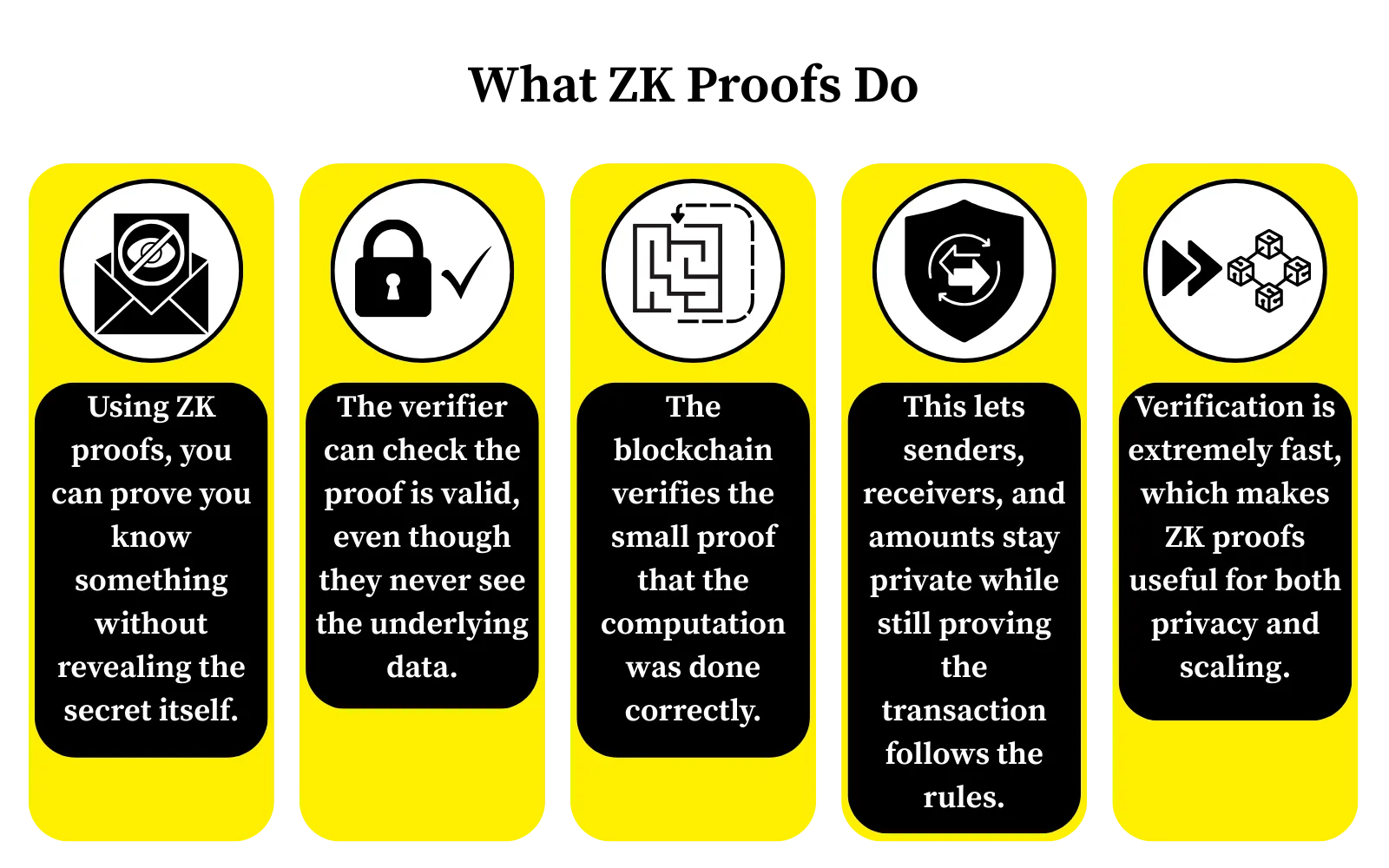
Evaluate the computational cost of generating proofs. In 2026, viable projects leverage hardware acceleration, such as consumer GPUs, to achieve throughput suitable for mainnet use. Projects relying solely on CPU-based generation often lack the scalability required for widespread adoption.
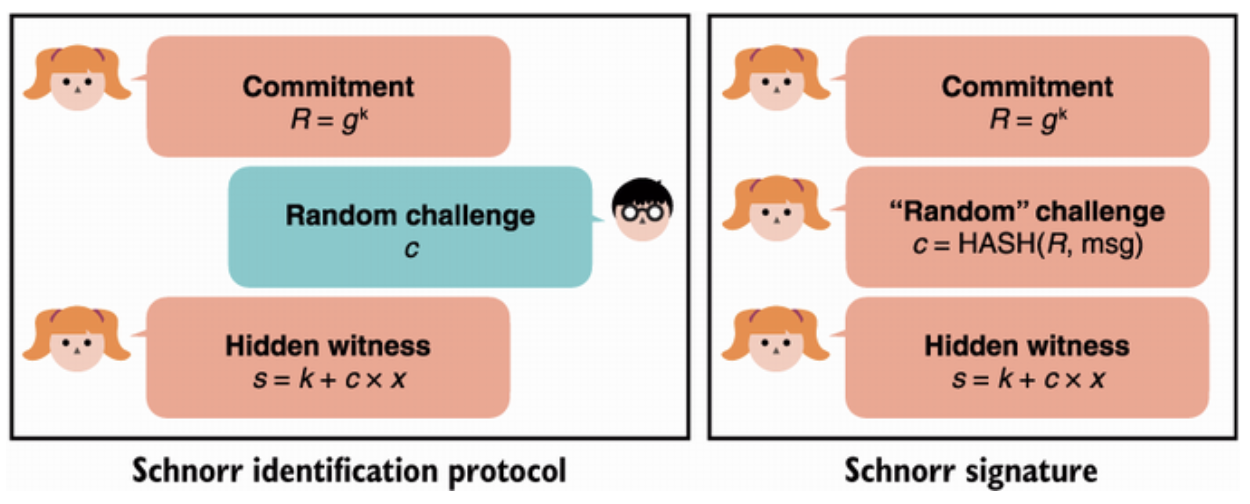
Prioritize platforms with open-source toolkits and clear documentation. Strong developer ecosystems, like those surrounding RISC Zero, indicate long-term viability. Closed-source systems obscure potential vulnerabilities and hinder community-driven security improvements.
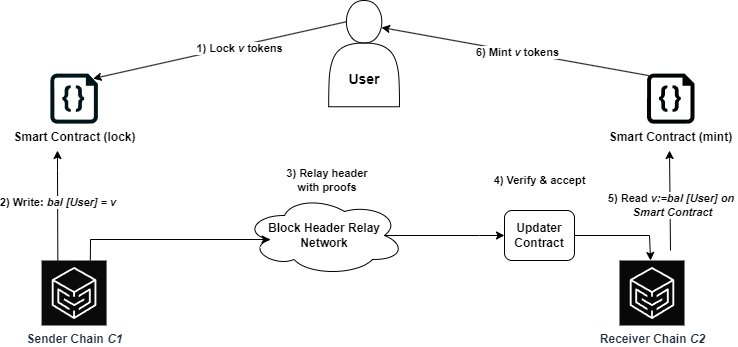
Analyze how the proof system integrates with the underlying blockchain consensus. Seamless interoperability reduces latency and costs. Projects that force complex bridging mechanisms introduce additional points of failure and user friction.
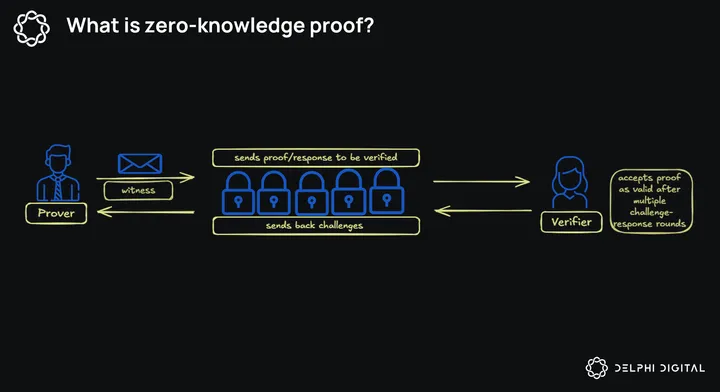
Look for consistent on-chain proof submission volume. High activity levels suggest real-world utility and economic incentives align with privacy preservation. Low activity may indicate a lack of developer interest or flawed economic models.
No comments yet. Be the first to share your thoughts!