
Privacy is rapidly emerging as the defining feature of the next generation of blockchain infrastructure. As Ethereum matures into a global settlement layer, the need for programmable privacy smart contracts has become acute, especially for enterprises, institutions, and privacy-conscious individuals navigating an era of heightened digital surveillance. The ability to enable selective data disclosure on Ethereum is not just a technical evolution, but a fundamental shift in how value, compliance, and confidentiality can coexist on public ledgers.
Why Selective Data Disclosure Is a Game Changer
Traditional blockchains, including Ethereum, are designed for radical transparency: every transaction, contract state, and account balance is publicly visible by default. While this transparency underpins trustlessness and auditability, it also creates serious limitations for use cases involving sensitive information. Think payroll, healthcare records, or enterprise supply chains - none of these can tolerate full public exposure of their data.
This is where programmable privacy enters the scene. By leveraging advanced cryptographic primitives such as zero-knowledge proofs (ZKPs), fully homomorphic encryption (FHE), and specialized privacy languages like zkay, developers can now build smart contracts that allow users to selectively disclose only the information required for a given interaction - no more, no less. This unlocks a new paradigm for confidential transactions and privacy-compliant dApps.
The Cryptographic Foundations: ZKPs, FHE, and Beyond
At the heart of selective data disclosure on Ethereum are several groundbreaking cryptographic techniques:
- Zero-Knowledge Proofs (ZKPs): Allow one party to prove knowledge of a fact without revealing the fact itself. For example, Zether enables confidential payments by encrypting balances and using ZKPs for transaction verification (source).
- Fully Homomorphic Encryption (FHE): Permits computations over encrypted data. Frameworks like smartFHE allow miners to process encrypted transactions without decrypting user data (source).
- Privacy-typed Smart Contract Languages: The zkay language introduces explicit privacy types, ensuring only authorized parties can access private data, with automatic compilation for public blockchains (source).
This new cryptographic arsenal empowers developers to design contracts that are both functional and confidential, bridging the gap between blockchain transparency and real-world privacy requirements.
Key Benefits of Programmable Privacy Smart Contracts
- Selective Data Disclosure: Enterprises can control exactly which data is revealed and to whom, using advanced cryptographic techniques like zero-knowledge proofs (ZKPs) and fully homomorphic encryption (FHE). This enables compliance with privacy regulations while maintaining transparency where needed.
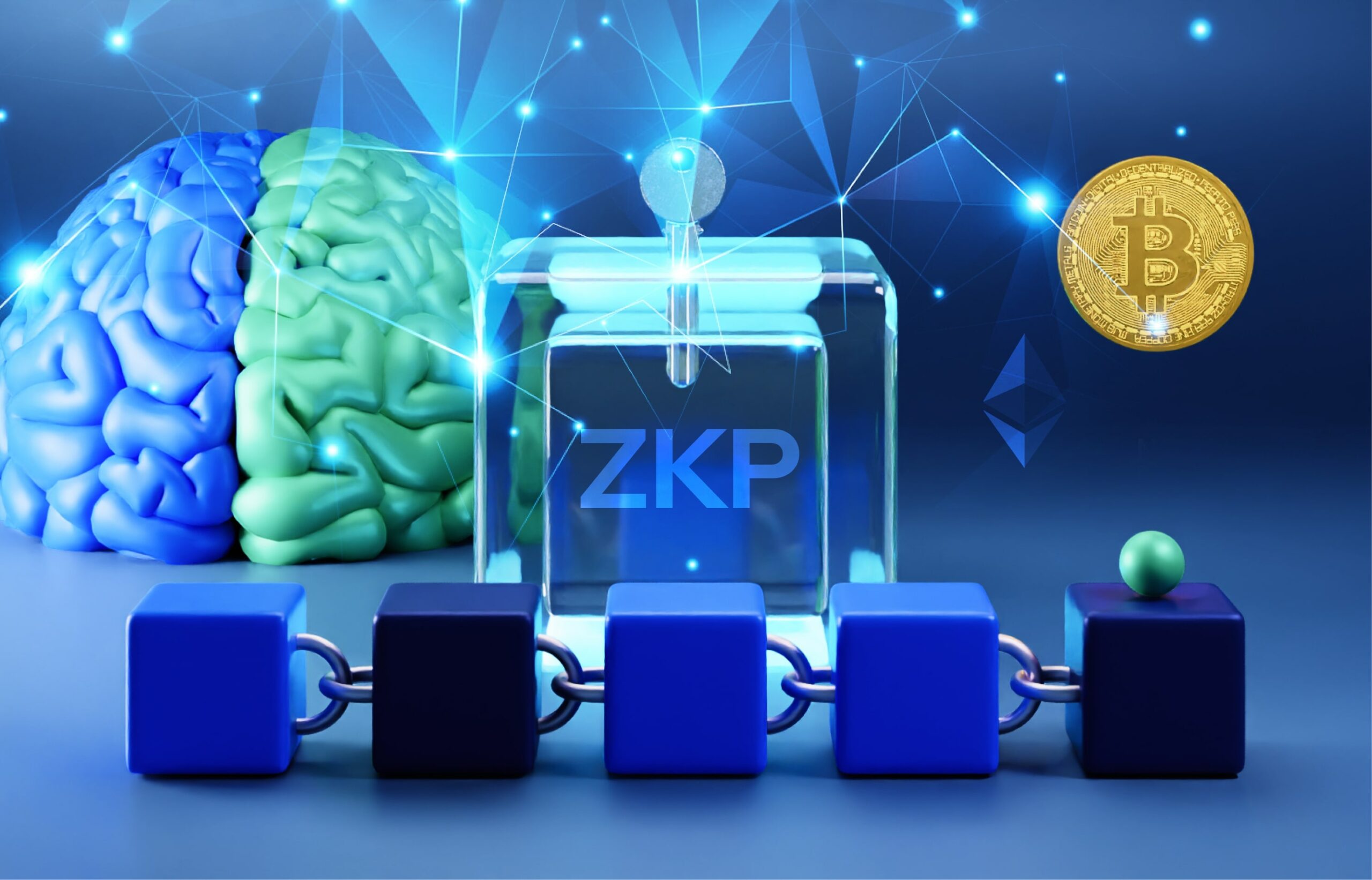
- Confidential Transactions: Solutions like Zether and Aztec enable confidential payments by encrypting transaction details and account balances, ensuring sensitive business data remains private on public blockchains.
- Granular Access Control: Languages such as zkay allow developers to define privacy types and data ownership directly in smart contracts, ensuring only authorized parties can access specific information.

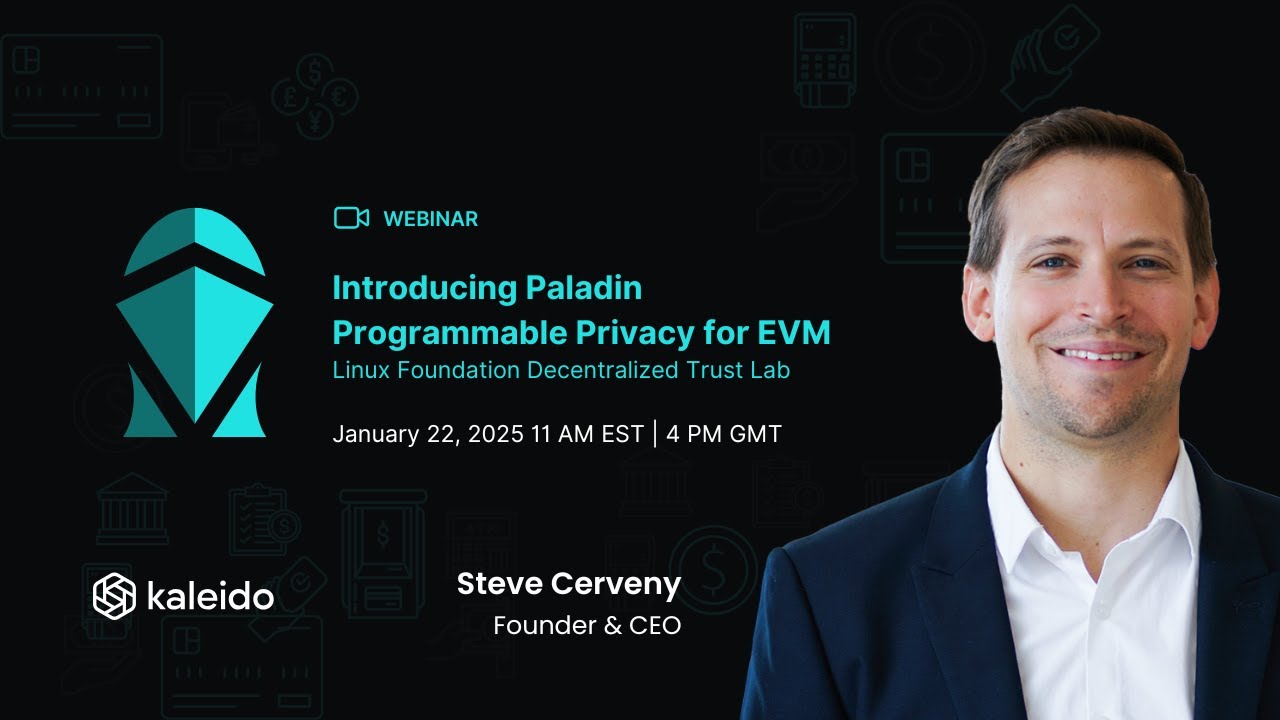
- Enhanced Compliance: Platforms like Paladin and Oasis Sapphire empower organizations to implement privacy-by-design, supporting regulatory requirements (e.g., GDPR) through programmable, auditable privacy controls.
- Secure On-Chain Computation: Frameworks like smartFHE enable computations on encrypted data, allowing enterprises to leverage blockchain analytics and automation without exposing confidential information.

- Broader Enterprise Adoption: By addressing privacy and confidentiality concerns, programmable privacy smart contracts lower barriers for industries like finance, healthcare, and supply chain to adopt Ethereum-based solutions.

The Evolving Privacy Stack: From Paladin to Aztec
The competitive landscape for privacy smart contract compliance is evolving quickly. Solutions like Paladin (a Linux Foundation project) and Oasis Sapphire are pioneering confidential EVM runtimes that support selective disclosure at the protocol level. Meanwhile, Layer 2 networks such as Aztec bring privacy-first architecture directly to Ethereum users, enabling encrypted transactions and shielded contract logic.
This "programmable confidentiality" enables not just private payments but also complex workflows where only specific parties (or regulators) can access certain information - a critical requirement for regulated industries and DeFi protocols seeking mainstream adoption.
The convergence of these technologies signals a new era for blockchain: one where confidentiality is programmable, compliance is achievable without sacrificing user sovereignty, and sensitive data remains protected even in adversarial environments.
As privacy-enhancing protocols mature, the Ethereum ecosystem is witnessing a surge in practical deployments of encrypted smart contract examples. Projects like Aztec are demonstrating how privacy-first Layer 2s can scale confidential transactions without compromising composability, while Paladin’s confidential EVM extends these guarantees to the base layer. The result is a toolkit where developers can granularly control what data is revealed, to whom, and under what circumstances, ushering in a new standard for confidential transactions blockchain users can trust.
But programmable privacy is not just about hiding data, it’s about enabling compliance on your own terms. Selective disclosure mechanisms allow users to prove regulatory adherence (such as KYC/AML status) without revealing underlying identities or transaction histories. This “rational privacy” approach, as seen in protocols like Midnight and Zama, protects sensitive information by default while still allowing for legal and operational transparency where necessary. The days of all-or-nothing privacy are over; programmable privacy delivers nuance and flexibility.
Practical Use Cases: Unlocking New Markets
The impact of selective data disclosure Ethereum is already being felt across multiple domains:
Real-World Use Cases of Programmable Privacy Smart Contracts
- Healthcare Data Sharing with Oasis Sapphire: Oasis Sapphire enables confidential smart contracts on Ethereum, allowing healthcare providers to selectively disclose patient data for research or compliance without exposing sensitive personal information. This ensures HIPAA-compliant data sharing while leveraging blockchain transparency.
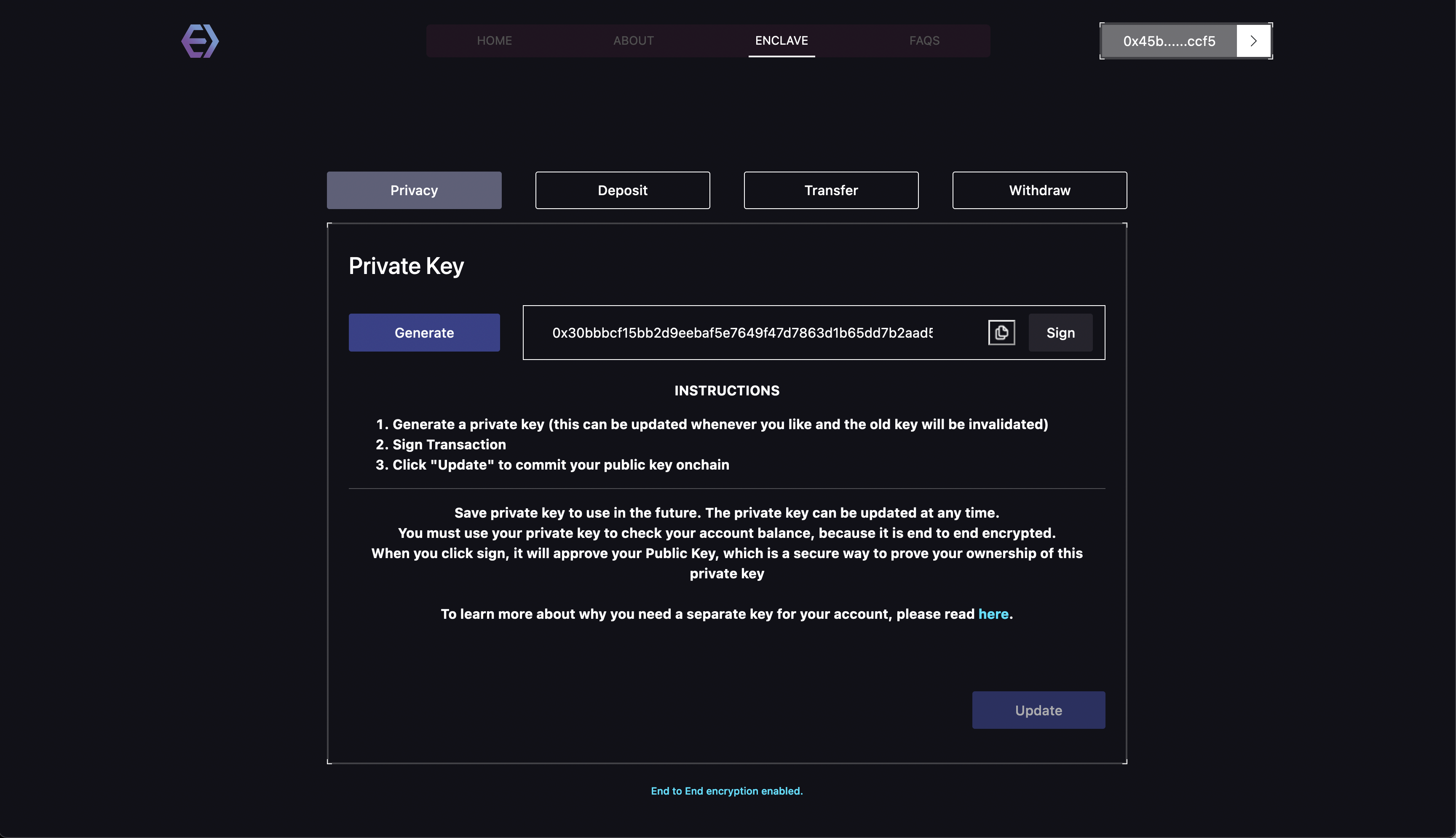
- Private Payroll Processing via Aztec Network: Aztec Network leverages zero-knowledge proofs to enable confidential salary payments and payroll management on Ethereum. Employers can prove salary payments occurred without revealing individual amounts, ensuring privacy for both employees and organizations.
- Confidential DeFi Transactions with Paladin: Paladin provides programmable privacy for EVM-based DeFi protocols, enabling users to shield transaction amounts and counterparties. This supports use cases like private lending or trading, where only authorized parties can access transaction details.
- Supply Chain Traceability Using Zama Confidential Contracts: Zama Protocol utilizes fully homomorphic encryption (FHE) to allow computations on encrypted supply chain data. Manufacturers can prove product authenticity or compliance without revealing proprietary logistics or supplier information on-chain.
For enterprises, this means the ability to automate complex agreements, like confidential payroll or private supplier contracts, directly on Ethereum. In DeFi, privacy-preserving lending protocols can verify collateralization without exposing user balances. Even in public sector applications, governments can issue verifiable credentials or manage sensitive records with cryptographic guarantees of confidentiality.
Developers are also benefiting from the growing ecosystem of privacy tools and languages. With frameworks like zkay and confidential EVMs, building privacy-by-design dApps is becoming less daunting and more accessible to mainstream teams. As these tools mature, expect a wave of innovation in sectors previously sidelined by privacy concerns.
Challenges and the Road Ahead
Despite rapid progress, challenges remain. Gas costs for privacy operations (especially with ZKPs and FHE) are still significant compared to traditional transactions. Usability hurdles persist, users must understand what they’re disclosing and when. And, as with any cryptographic system, rigorous audits and formal verification are essential to maintain trust.
Yet the momentum is undeniable. As AI-driven surveillance intensifies and data protection regulations tighten globally, programmable privacy will become a prerequisite for any blockchain protocol seeking real-world adoption. The winning stack will be the one that seamlessly combines confidentiality with selective disclosure, empowering users while satisfying institutional requirements.
Ethereum’s transition to a privacy-preserving global settlement layer is well underway. With programmable privacy smart contracts at the core, we are entering an era where privacy is not a compromise but a competitive edge. The future of blockchain is confidential, compliant, and selectively transparent, by design.


No comments yet. Be the first to share your thoughts!