Zero-knowledge proofs 2026 limits to account for
The term "zero-knowledge proofs 2026" points to a specific bottleneck: making these cryptographic proofs fast enough and cheap enough for daily use. In 2026, the industry has moved past theoretical validation into the grind of deployment. The constraint is no longer whether ZKPs work—they do. The constraint is whether they work at scale without breaking the bank or the network.
ZK-Rollups are the primary vehicle solving this. By batching thousands of transactions off-chain and submitting a single proof to the main chain, they bypass the trilemma’s scalability trap. But the overhead of generating these proofs remains significant. For 2026, the focus is on optimizing proof generation time and reducing the cost per transaction to match the efficiency of centralized ledgers, while keeping the decentralized security guarantees intact.
This shift is critical for the broader adoption of blockchain technology. If the cost of a zero-knowledge proof remains higher than the value of the transaction it secures, the technology will remain confined to high-value, low-frequency use cases. The race is on to make ZKPs lightweight enough for microtransactions and everyday applications, turning a cryptographic novelty into a practical utility.
Zero-knowledge proofs 2026 choices that change the plan
Selecting a ZK-Rollup architecture in 2026 requires balancing three competing variables: proof generation speed, verification cost, and cryptographic trust assumptions. As the privacy stack matures, the "trilemma" is no longer just about scale versus decentralization, but about the computational overhead required to generate and verify these proofs on-chain.
Proof System Overhead
The choice of proof system dictates the base layer performance. Plonk and Groth16 remain dominant for their small proof sizes, which reduce data availability costs on L1. However, Groth16 requires a trusted setup, introducing a one-time ceremony risk that some institutional players avoid. Plonk offers universal setups but demands more gas for verification. Newer systems like STARKs offer quantum resistance and transparent setups but generate significantly larger proofs, increasing data throughput requirements.
Verification Costs on L1
L1 gas fees for proof verification vary wildly by proof type. A Groth16 proof typically costs less than $0.01 to verify on Ethereum mainnet, while a STARK proof can cost upwards of $0.10–$0.50 depending on circuit complexity. For high-frequency trading rollups, this difference determines viability. For settlement layers, the higher cost of STARKs may be acceptable for the security guarantee of a transparent setup.
Trusted Setup Risks
If a proof system requires a trusted setup (like Groth16), the security of the entire rollup depends on the integrity of the initial ceremony. If malicious actors retain the "toxic waste" (random numbers used in setup), they could forge proofs. Systems like STARKs or Plonk (with universal setup) eliminate this risk entirely, making them preferable for long-term, high-value settlement layers where trust minimization is paramount.
| Feature | Groth16 | Plonk | STARKs |
|---|---|---|---|
| Proof Size | Very Small | Small | Large |
| Verification Cost | Low | Medium | High |
| Trusted Setup | Required | Universal (No) | None (Transparent) |
| Quantum Resistance | No | No | Yes |
| Setup Time | Fast | Medium | Slow |
| Feature | Groth16 | Plonk | STARKs |
|---|---|---|---|
| Proof Size | Very Small | Small | Large |
| Verification Cost | Low | Medium | High |
| Trusted Setup | Required | Universal (No) | None (Transparent) |
| Quantum Resistance | No | No | Yes |
| Setup Time | Fast | Medium | Slow |
How to evaluate ZK-Rollup solutions
Choosing a zero-knowledge rollup requires balancing proof generation speed, finality guarantees, and network decentralization. The market has fragmented into distinct categories based on the underlying cryptographic primitives used.
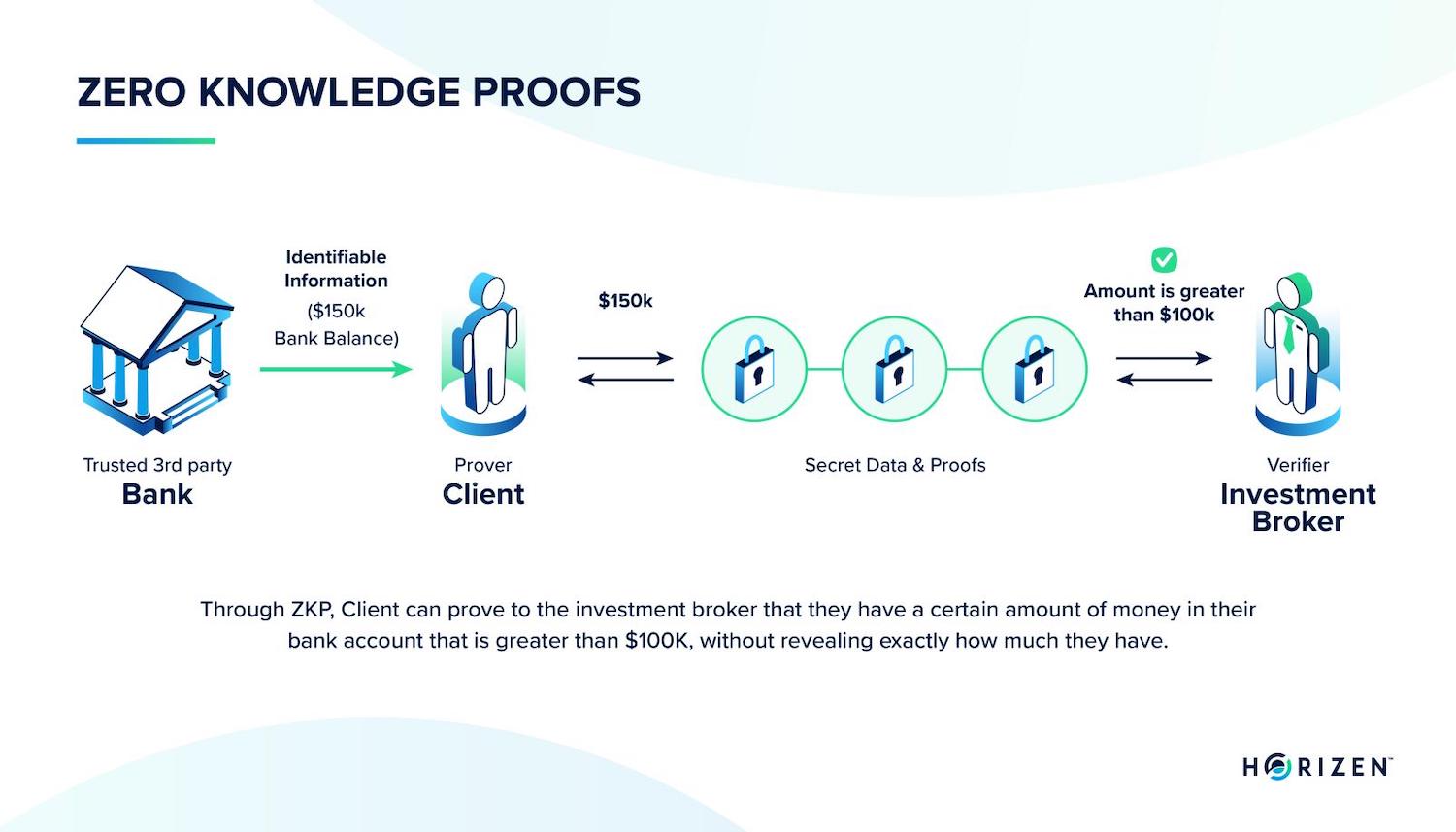
Prioritize rollups that support EVM-equivalence if you are migrating existing Solidity smart contracts. zkSync and Scroll offer high compatibility, reducing the need for code refactoring, while Starknet uses its own Cairo language for higher throughput at the cost of developer familiarity.
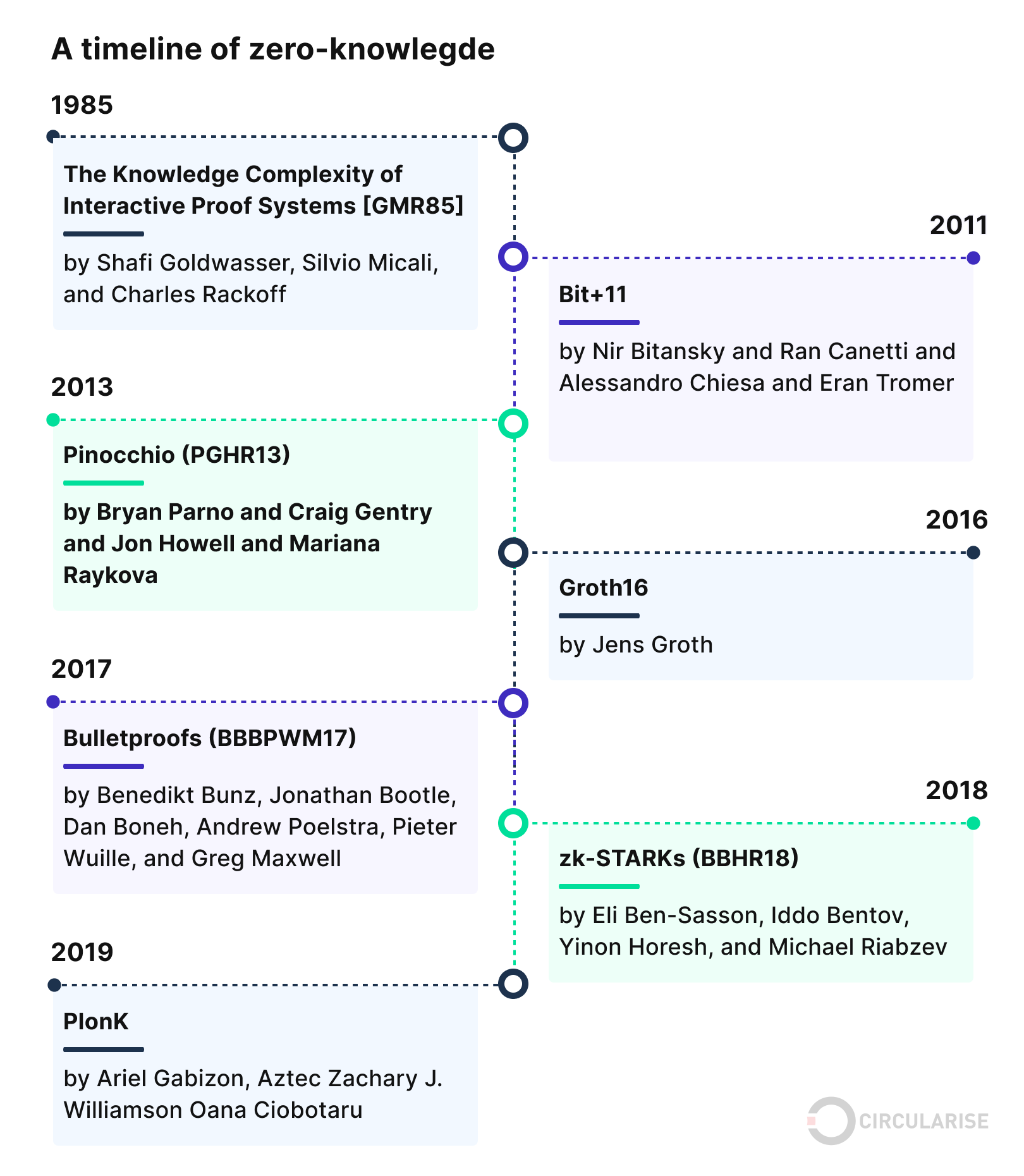
Evaluate the tradeoff between proof generation time and verification cost. STARK-based systems like Starknet are post-quantum resistant and faster to generate, whereas SNARK-based systems like zkSync are lighter on verification gas but require a trusted setup ceremony.
Verify where transaction data is stored. Rollups using Ethereum calldata offer maximum security but higher costs. Those using Danksharding or blob space (EIP-4844) significantly reduce fees while maintaining decentralization, a key factor for consumer applications.
Look for projects adhering to ZKProof standards. Compliance ensures interoperability and security audits are up to date. The ZKProof initiative, meeting in Rome in 2026, sets the benchmark for these open-industry academic standards.
| Finality |
|---|
| ~15-30 mins |
| ~1-2 hours |
| ~15-30 mins |
Spotting Weak Zero-Knowledge Claims
As ZK-rollups move from experimental to essential, the market is flooded with projects making bold promises about privacy and speed. Not all zero-knowledge proofs are created equal. Some rely on outdated trust assumptions or lack rigorous audits. When evaluating a ZK solution, look for transparency in the circuit design and the verification process.
Many projects claim "full decentralization" but still depend on a centralized sequencer or a trusted setup that hasn't been properly audited. This creates a single point of failure. A legitimate ZK-rollup should allow anyone to verify the proof independently. Check if the project publishes its source code and verification keys on-chain. If the math is hidden, the security is too.
Be wary of vague terms like "quantum-resistant" or "instant finality" without technical backing. True ZK-proofs require complex cryptographic commitments. Look for references to established standards like STARKs or SNARKs, and verify if the implementation has been battle-tested on mainnet. Don't just take the marketing copy at face value; dig into the whitepaper and community discussions to find the real trade-offs.
Zero-knowledge proofs in 2026: frequently asked: what to check next
As zero-knowledge proofs (ZKPs) move from academic papers to production infrastructure, practical questions about their legitimacy, mechanics, and adoption remain common. These answers address the core technical realities and current limitations of ZK technology in 2026.
No comments yet. Be the first to share your thoughts!