Why 2026 marks the migration deadline
For years, post-quantum cryptography (PQC) was treated as a theoretical exercise for the distant future. That era ended in 2026. With the National Institute of Standards and Technology (NIST) finalizing its first three core algorithms—ML-KEM, ML-DSA, and SLH-DSA—the industry has been handed a concrete operational mandate. The shift from research to implementation is no longer optional; it is the defining infrastructure challenge of the year.
The urgency is driven by two converging forces: regulatory pressure and the reality of "harvest now, decrypt later" attacks. Adversaries are currently stealing encrypted data they cannot yet break, storing it for the day when quantum computers are powerful enough to unlock it. By 2026, major financial institutions and government agencies like the General Services Administration (GSA) have set strict timelines for replacing vulnerable public-key infrastructure. This is not a gradual transition; it is a hard deadline.
NIST’s standardization provides the necessary blueprint, but the clock is ticking. Companies that delay face the risk of exposing sensitive financial data, trade secrets, and customer information to irreversible compromise. The 2026 deadline forces a decisive pivot from planning to execution, making the current moment the critical window for securing long-term digital assets.
This transition reshapes the security landscape. Financial firms must now audit their crypto-agility, identifying every instance of RSA and ECC across their networks. The cost of inaction far exceeds the investment required for migration. As the 2026 deadline approaches, the question is no longer if quantum resistance is needed, but how quickly organizations can deploy it before their current encryption becomes obsolete.
NIST PQC Algorithm Standards
By 2026, the financial infrastructure’s shift from RSA and ECC to post-quantum cryptography is no longer theoretical. NIST has finalized the first three standards, each designed for a specific layer of digital security. Understanding the distinction between ML-KEM, ML-DSA, and SLH-DSA is essential for aligning your migration timeline with actual operational needs.
ML-KEM (Module-Lattice-Based Key-Encapsulation Mechanism), formerly known as CRYSTALS-Kyber, handles encryption. It replaces the key exchange protocols that currently protect data in transit. For banks and payment processors, this is the immediate priority. ML-KEM offers the smallest key sizes and fastest performance among the new standards, making it the most practical drop-in replacement for TLS connections.
ML-DSA (Module-Lattice-Based Digital Signature Algorithm), formerly CRYSTALS-Dilithium, replaces standard digital signatures. It verifies the authenticity of transactions and software updates. While slightly larger than ML-KEM, it provides strong resistance against quantum attacks without crippling system latency. Most financial institutions will deploy ML-DSA for signing critical ledger entries and regulatory documents.
SLH-DSA (Stateless Hash-Based Digital Signature Algorithm), formerly SPHINCS+, serves as a specialized alternative. It relies on hash functions rather than lattice structures, offering a different mathematical security foundation. This makes it valuable for long-term archival signatures or scenarios where lattice-based assumptions are deemed too risky. However, its large signature size limits its use in high-throughput environments like real-time trading.
| Algorithm | Primary Function | Key Size | Best Use Case |
|---|---|---|---|
| ML-KEM | Key Encapsulation | Small | TLS / Data Encryption |
| ML-DSA | Digital Signature | Medium | Transaction Signing |
| SLH-DSA | Digital Signature | Large | Long-term Archives |
The migration path is not uniform. ML-KEM and ML-DSA will dominate the majority of 2026 infrastructure updates due to their efficiency. SLH-DSA remains a niche tool for specific compliance or archival requirements. Aligning your crypto-agility strategy with these distinct roles prevents unnecessary performance penalties during the transition.
Hybrid architecture implementation steps
Transitioning to post-quantum cryptography (PQC) is not a simple software update; it is a structural overhaul of your security infrastructure. By 2026, the threat of "harvest now, decrypt later" attacks is no longer theoretical for financial institutions. The most effective mitigation strategy is hybrid cryptography, which pairs classical algorithms (like RSA or ECC) with NIST-standardized PQC algorithms (such as ML-KEM and ML-DSA). This dual-layer approach ensures that if one system fails—whether due to a quantum breakthrough or a classical vulnerability—the other remains intact. Implementing this architecture requires a disciplined, sequential workflow to avoid introducing latency or compatibility breaks into critical transaction systems.
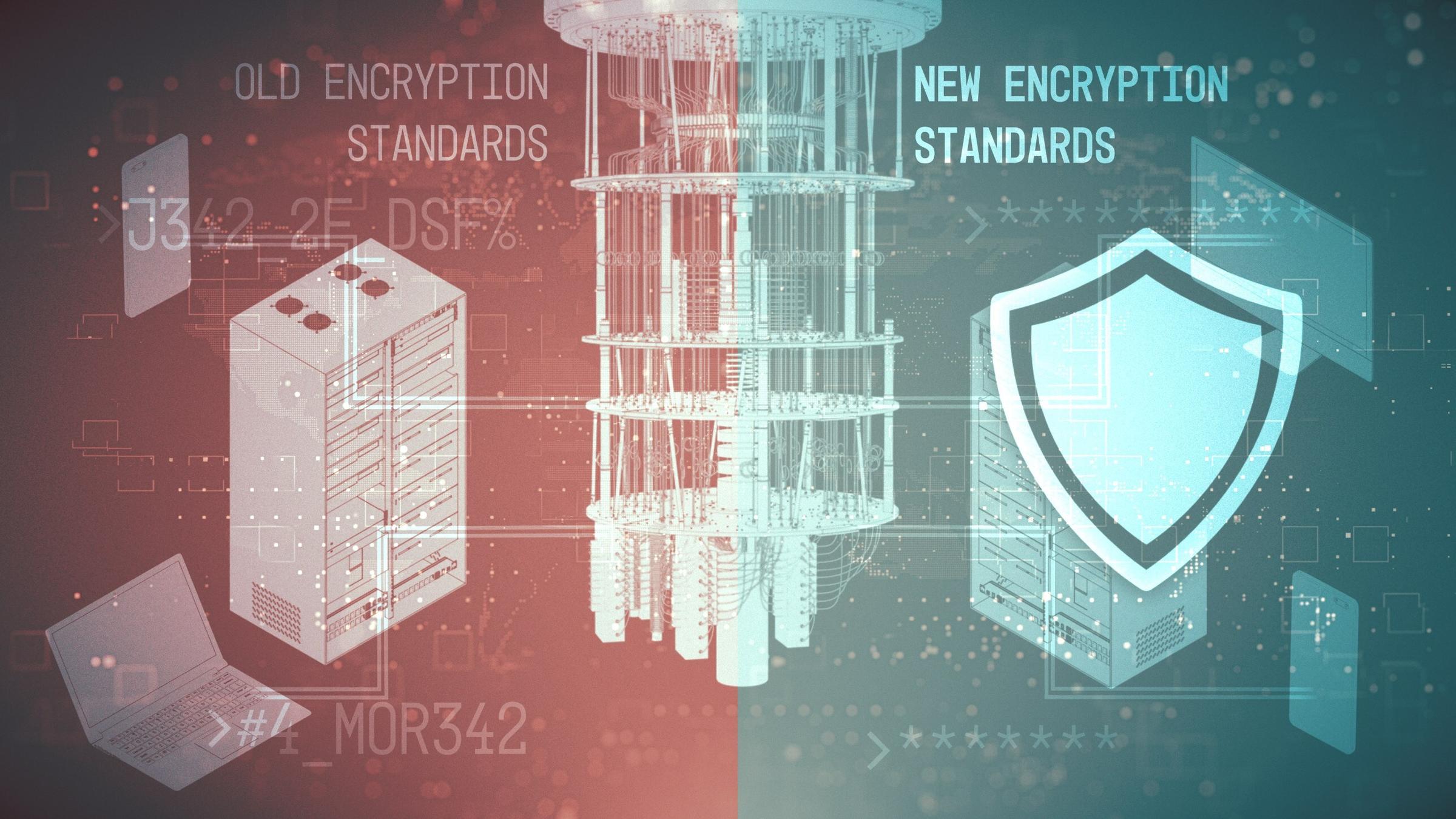
Begin with a comprehensive cryptographic inventory. You cannot migrate what you cannot see. Identify every instance where public-key cryptography is used, including TLS/SSL certificates, code signing, email encryption (S/MIME), and internal digital signatures. Focus on long-lived data that requires confidentiality beyond 2030. This audit reveals the "cryptography debt" that must be addressed before any migration begins. Prioritize systems that handle sensitive financial data or regulatory compliance records.

Choose specific PQC algorithms that have been standardized by NIST in the 2024 Final Round. The primary choices are ML-KEM (formerly Kyber) for key encapsulation and ML-DSA (formerly Dilithium) for digital signatures. Do not rely on pre-standard drafts or proprietary algorithms. Configure your systems to use these PQC algorithms in tandem with your existing classical algorithms. For example, a TLS 1.3 handshake can be configured to negotiate both an X25519 (classical) and ML-KEM-768 (PQC) key exchange. This ensures that the final session key is derived from both sources.

Before touching production traffic, deploy the hybrid configuration in staging or development environments. Test for latency impacts, as PQC keys and signatures are significantly larger than classical ones. ML-KEM keys can be several times larger than ECC keys, which may affect bandwidth usage and handshake times. Monitor for compatibility issues with legacy systems, firewalls, or load balancers that may drop packets exceeding standard MTU sizes. This phase is critical for identifying performance bottlenecks without risking customer-facing services.
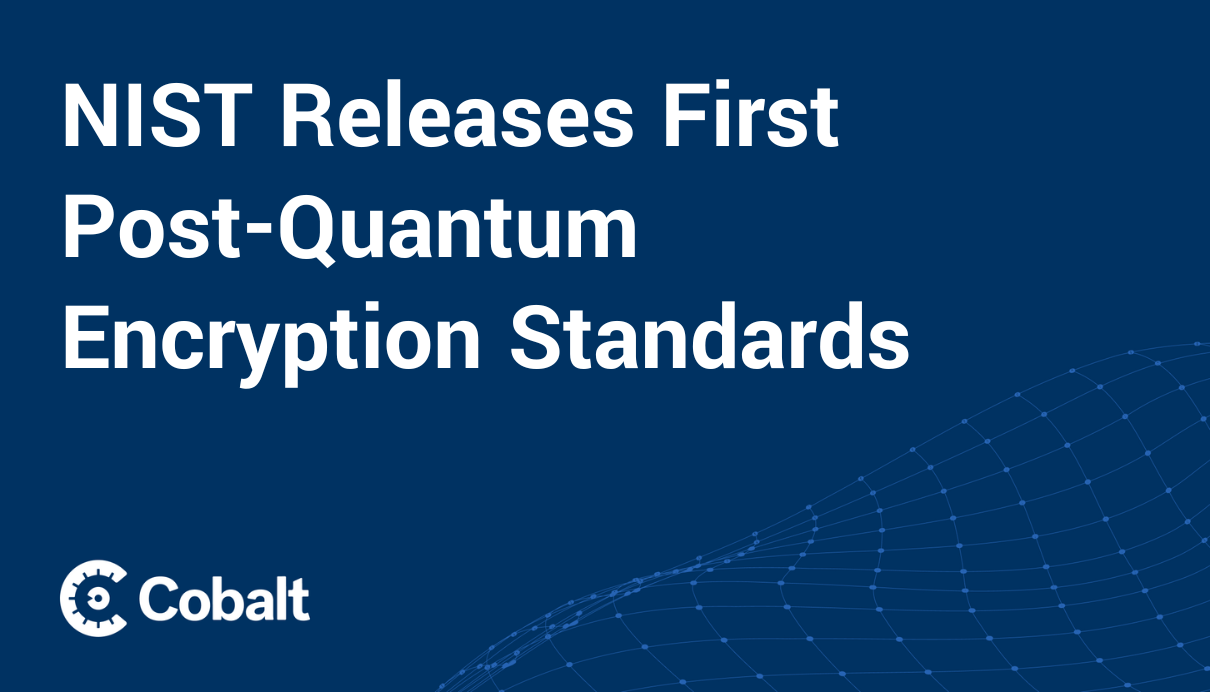
Execute a phased rollout to production, starting with low-risk, non-critical endpoints. Enable detailed logging to monitor handshake success rates and latency metrics. Compare the performance of hybrid connections against classical-only connections. If errors or timeouts spike, revert immediately and investigate. Once stability is confirmed, expand the rollout to critical transaction systems. Maintain the hybrid configuration indefinitely; do not disable the classical component even if the PQC component is performing well. The hybrid model is your insurance policy against future quantum attacks.
This migration is a race against time, but a methodical approach minimizes risk. By following these steps, your infrastructure remains resilient against both current threats and future quantum capabilities. The goal is not just compliance, but enduring security.
Quantum-resistant blockchain security risks
The current security architecture of blockchain networks relies heavily on elliptic curve cryptography (ECC) for digital signatures. This method secures transactions by ensuring that only the holder of a private key can authorize a transfer. However, this foundation is vulnerable to Shor’s algorithm, a quantum computing method capable of deriving private keys from public keys in polynomial time. Once sufficiently powerful quantum computers are available, the cryptographic proofs that secure billions in crypto assets will collapse.
This threat is not theoretical. The urgency for crypto assets to adopt post-quantum cryptography (PQC) is driven by the "harvest now, decrypt later" attack vector. Adversaries are already capturing encrypted blockchain data and transaction records, storing them to be decrypted once quantum capabilities mature. The 2026 migration timeline marks a critical inflection point where legacy cryptographic standards must be replaced to prevent irreversible loss of asset integrity.
Major blockchain networks using ECDSA or EdDSA signatures face immediate risk. Projects must audit their consensus mechanisms and wallet structures to identify which nodes and user interfaces rely on deprecated algorithms.
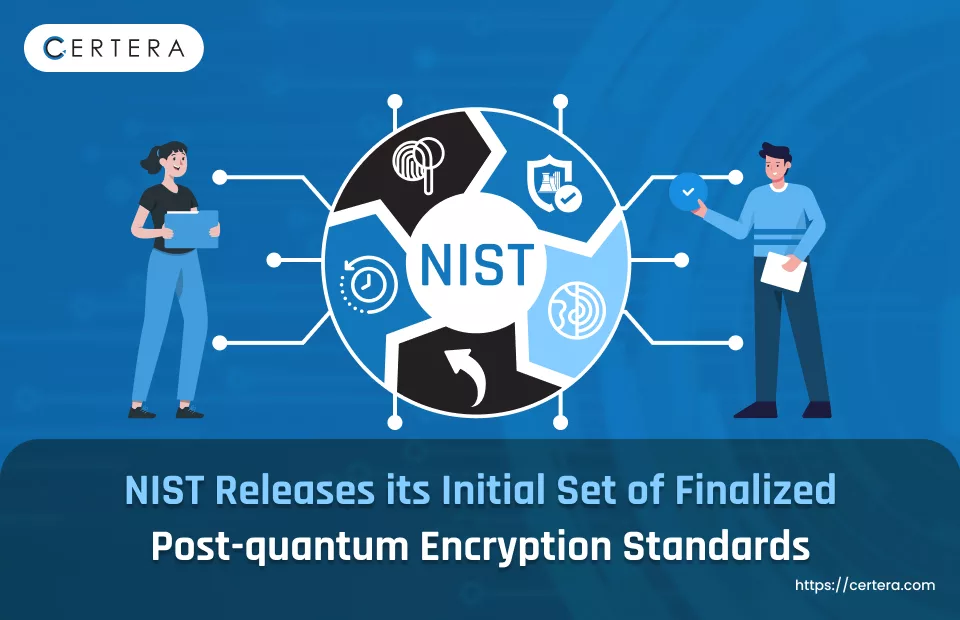
Adopting algorithms selected by NIST, such as CRYSTALS-Kyber for key encapsulation and CRYSTALS-Dilithium for signatures, ensures compatibility with emerging security standards. Migration requires updating smart contracts and node software to support these larger key sizes.
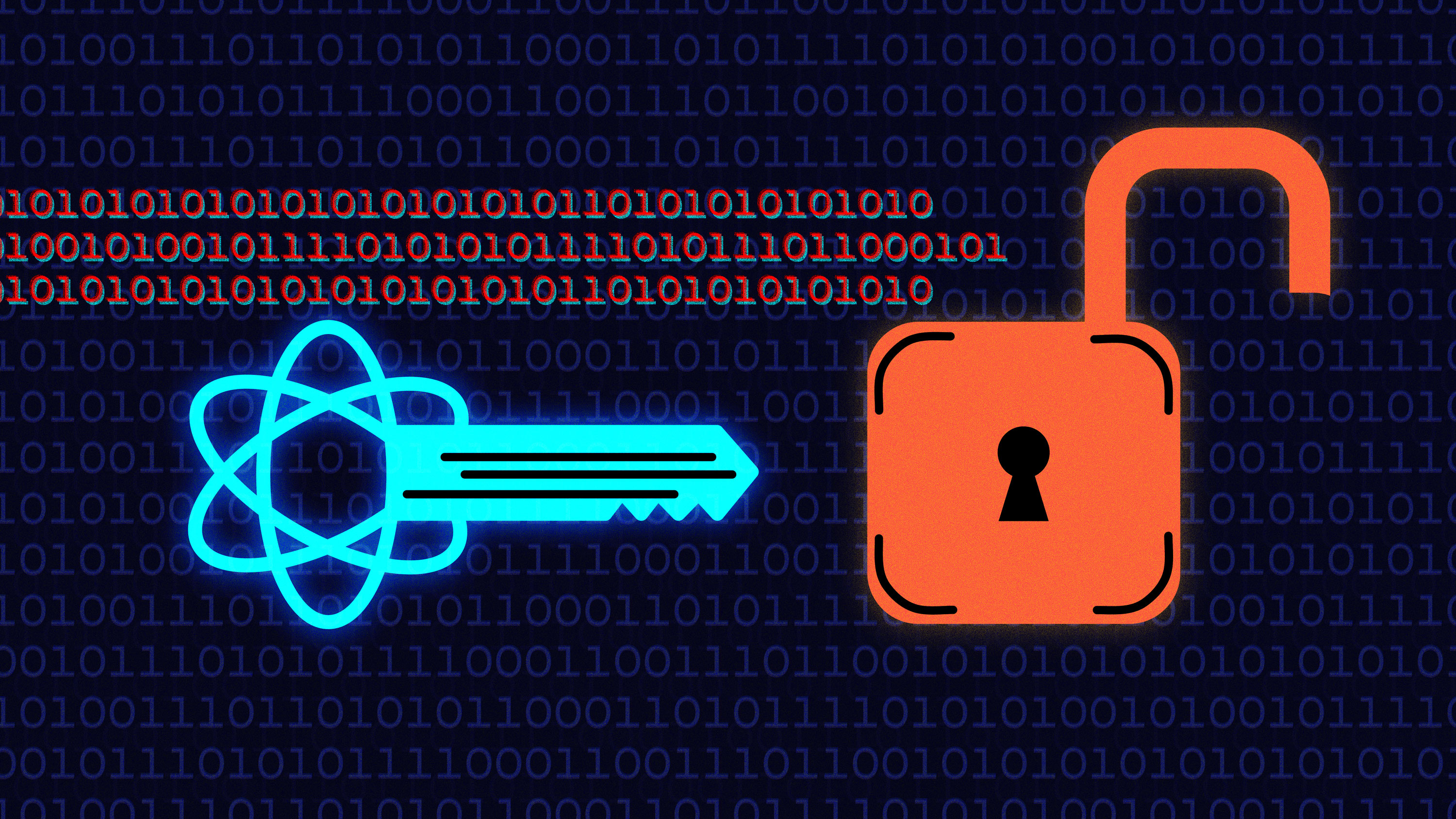
Rolling out PQC updates must be coordinated across all network participants to avoid consensus failures. A hybrid approach, combining classical and post-quantum signatures during the transition, provides a safety net against implementation errors.
The financial stakes are immense. A successful quantum attack on a major blockchain could trigger a systemic crisis, undermining trust in decentralized finance and digital asset markets. The 2026 timeline is not just a technical deadline; it is a financial imperative. Delaying migration exposes institutions and individual holders to catastrophic risk as quantum hardware continues to advance toward practical cryptanalysis capabilities.
2026 PQC Conference and Summit Schedule
The 2026 migration timeline accelerates as industry leaders converge to finalize implementation strategies. These events serve as critical checkpoints for security teams validating their quantum readiness against NIST standards and GSA compliance mandates.
RWC 2026 (March 9–11)
Held in Taipei, Taiwan, the Real World Cryptography conference brings together cryptographic researchers and infrastructure engineers. Attendees review the latest attacks on post-quantum algorithms and discuss practical deployment hurdles for financial systems. Source: IACR
PQCrypto 2026 (April 14–16)
Taking place in Saint-Malo, France, this is the premier academic and industry gathering dedicated solely to post-quantum cryptography. Sessions focus on standardization progress and the technical nuances of migrating legacy encryption keys to quantum-resistant protocols. Source: PQCrypto
GSA PQC Summit (September 16)
This hybrid virtual summit targets federal agencies and their private sector partners. The agenda emphasizes tools and partnerships needed to accelerate quantum readiness, providing a regulatory blueprint that many financial institutions adopt to meet upcoming compliance deadlines. Source: GSA
Post-Quantum Cryptography Conference (December 1–3)
Concluding the year in Amsterdam, the Netherlands, this hybrid conference bridges the gap between theoretical research and commercial application. It is the final major industry event of the year to review 2026 migration progress and plan for 2027 infrastructure upgrades. Source: PKIC
Frequently asked questions about PQC 2026
The race to secure infrastructure against quantum decryption has moved from theoretical research to urgent implementation. As 2026 progresses, organizations face hard deadlines from regulators and tech giants alike. Below are answers to the most common questions regarding the current state of post-quantum cryptography (PQC) migration.
Is post-quantum cryptography ready?
Technically, yes. The National Institute of Standards and Technology (NIST) has standardized the first set of algorithms, including ML-KEM and ML-DSA, which are now ready for deployment. However, "ready" does not mean "complete." Migration is a complex, multi-year process involving legacy system integration and key management updates. While the cryptographic primitives are stable, the ecosystem of supporting hardware and software is still catching up to the standard.
Does Google Chrome support PQC?
Google has been an early adopter of post-quantum standards. Chrome began testing hybrid TLS connections that combine traditional RSA/ECC with NIST-approved PQC algorithms. This hybrid approach ensures security remains intact even if a quantum computer breaks the classical encryption before the PQC layer is fully vetted. Google announced a 2029 deadline for completing its internal migration, signaling that widespread support is accelerating now rather than later.
Which companies are working on post-quantum cryptography?
Major technology firms and financial institutions are leading the charge. Google, Microsoft, Cloudflare, and Amazon Web Services are integrating PQC into their cloud and browser products. In the financial sector, banks are actively testing lattice-based cryptography to protect high-value transactions. These companies are not just researching; they are deploying pilot programs to identify vulnerabilities in their current infrastructure before the quantum threat becomes immediate.
No comments yet. Be the first to share your thoughts!