The post-quantum cryptography limits to account for
You don't need a quantum computer to lose your crypto today; you just need to wait. This is the "harvest now, decrypt later" (HNDL) threat. Attackers are currently stealing encrypted data—private keys, transaction logs, and wallet seeds—and storing them. They know that in a few years, a quantum computer will be able to break the encryption protecting that data.
By 2026, the standard encryption methods protecting most wallets—elliptic curve cryptography (ECC) and RSA—will be vulnerable. A sufficiently powerful quantum computer can solve the mathematical problems these rely on in minutes, not billions of years. If you store your keys today using current standards, you are essentially locking your assets in a vault with a key that will become obsolete. The data you encrypt now could be decrypted by an adversary waiting for that day.
This isn't a theoretical future problem; it's a present-day constraint. The National Institute of Standards and Technology (NIST) has already standardized the first post-quantum algorithms to address this. Wallets that don't upgrade to these new standards by 2026 will be holding assets in increasingly fragile security. The window to migrate to quantum-resistant keys is closing.
Post-quantum cryptography choices that change the plan
Use this section to make the Post-Quantum Encryption Standards decision easier to compare in real life, not just on paper. Start with the reader's actual constraint, then separate must-have requirements from details that are merely nice to have. A practical choice should survive normal use, maintenance, timing, and budget. If a recommendation only works in an ideal situation, call that out plainly and give the reader a fallback path.
Choose the next step
Post-Quantum Encryption Standards works best as a clear sequence: define the constraint, compare the realistic options, test the tradeoff, and choose the path with the fewest hidden costs. That order keeps the advice usable instead of decorative. After each step, pause long enough to check whether the recommendation still fits the reader's actual situation. If it depends on perfect timing, unusual access, or a best-case budget, include a simpler fallback.


Watch for these weak post-quantum options
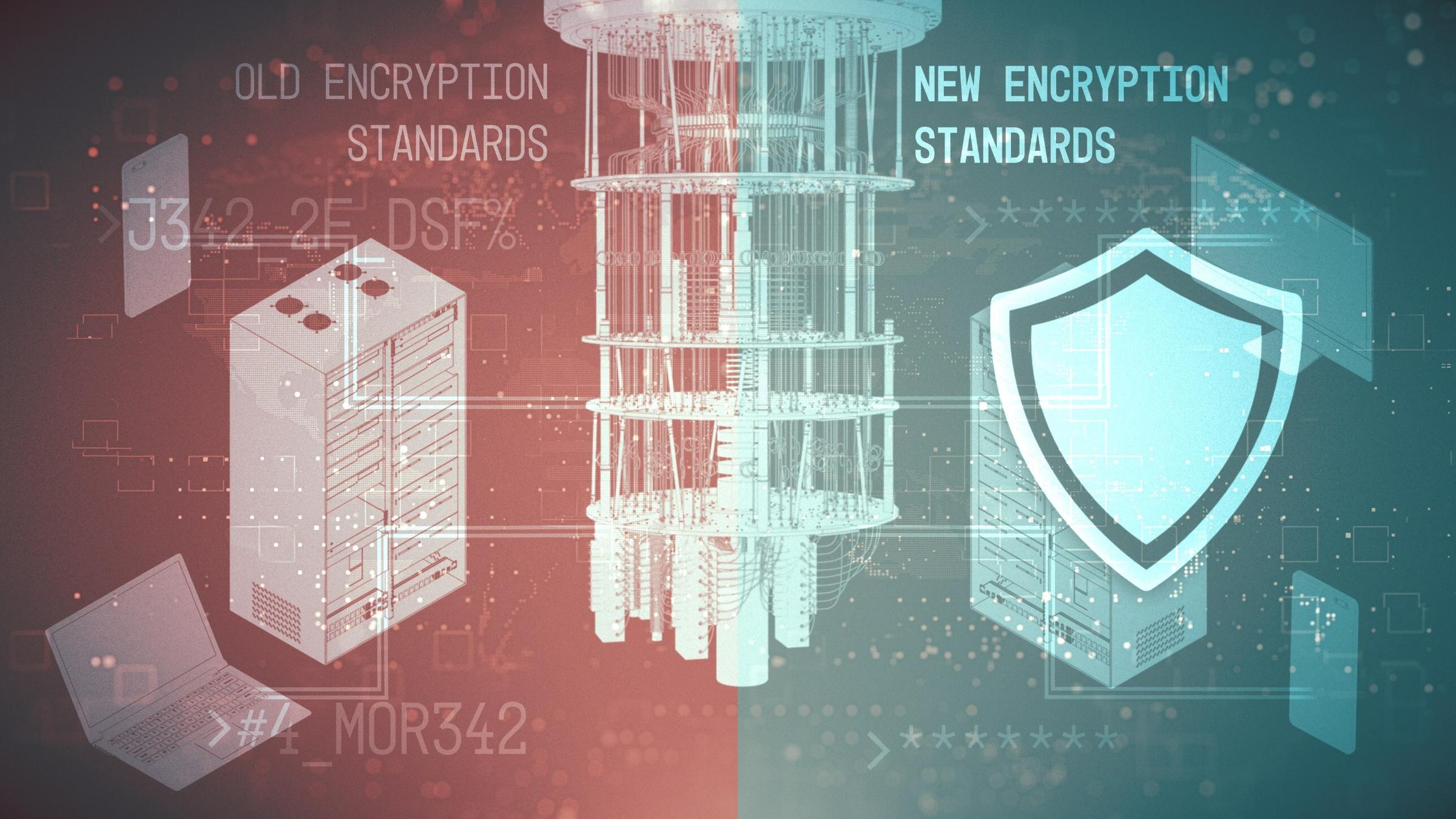
Not every wallet claiming "quantum readiness" is actually ready. Many vendors are rushing to market with incomplete implementations or misleading marketing. Before you upgrade, check for these common pitfalls.
Weak Elliptic Curve Claims Some wallets advertise "quantum-resistant" features while still relying solely on standard ECDSA or Ed25519 keys. These curves will break against a sufficiently powerful quantum computer. True readiness requires a hybrid approach, combining traditional keys with NIST-standardized lattice-based algorithms like CRYSTALS-Kyber. If the vendor cannot name the specific FIPS 203/204 algorithms, treat the claim with skepticism.
Hybrid Key Confusion A proper hybrid wallet stores both classical and post-quantum public keys. It signs transactions using both sets. This ensures backward compatibility with existing infrastructure while adding quantum security. Beware of "hybrid" implementations that only use the PQC key for storage but revert to classical signatures for transactions. This creates a single point of failure. Always verify the signing process in the documentation.
Deprecated or Unvetted Algorithms NIST selected specific algorithms after rigorous analysis. Some early adopters used algorithms that were later found to have weaknesses or were not selected for standardization. Stick to wallets explicitly supporting ML-KEM (Kyber) and ML-DSA (Dilithium). Avoid custom or homegrown cryptographic solutions that haven't undergone public peer review.
No Migration Path A wallet that supports PQC today may not support future updates. Look for modular architectures that allow key algorithm upgrades without requiring a full wallet reset. If upgrading means generating new seed phrases and losing access to old funds, the implementation is fragile. Seamless key migration is essential for long-term security.
Post-quantum cryptography: what to check next
Post-quantum cryptography (PQC) is a defense against potential cyberattacks from quantum computers. As NIST finalizes standards, crypto wallets face a critical transition. Below are the practical concerns users and developers are weighing now.
No comments yet. Be the first to share your thoughts!