What post-quantum cryptography actually means for your wallet
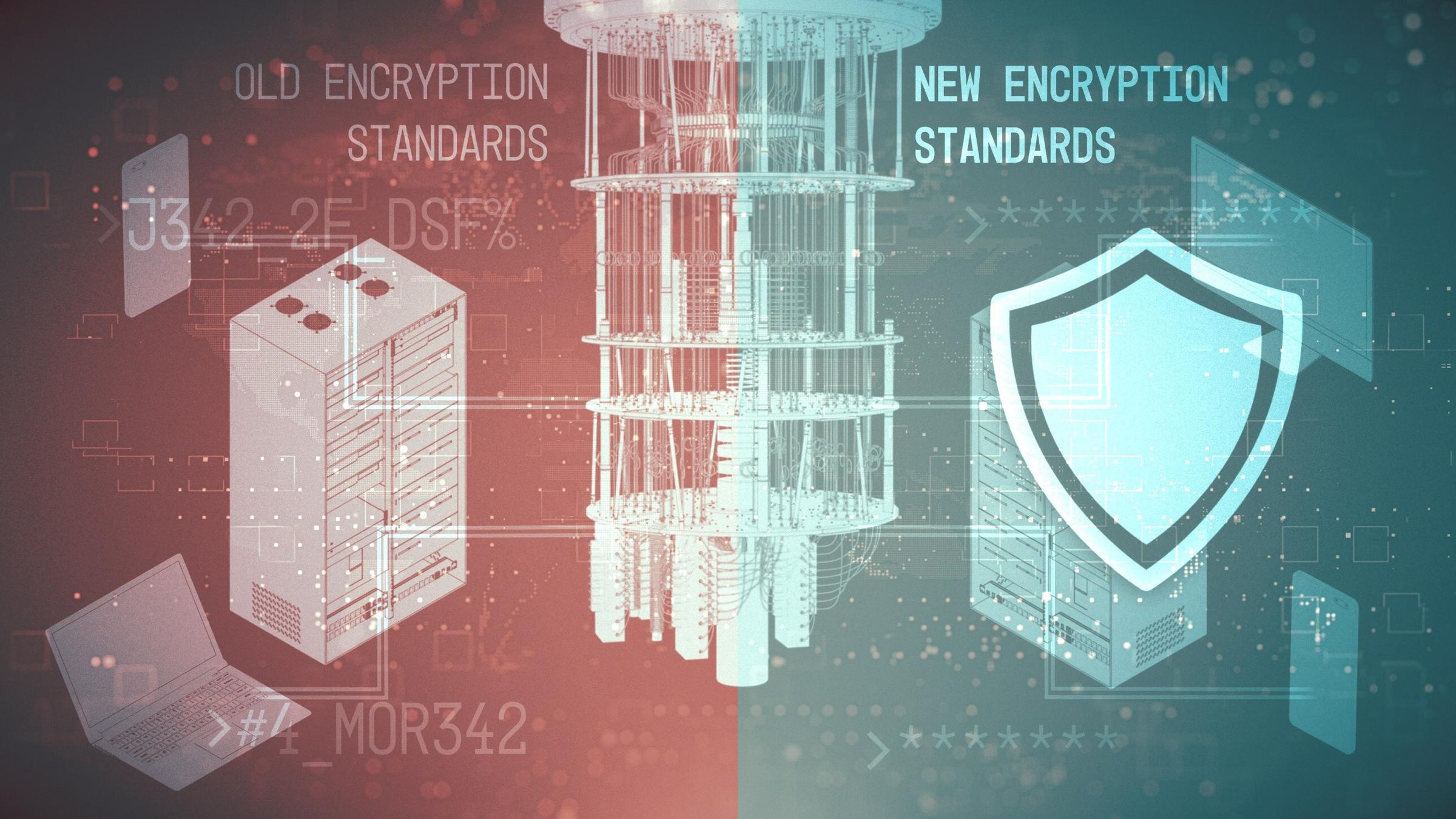
Post-quantum cryptography (PQC) is a new class of encryption algorithms designed to withstand attacks from future quantum computers. Unlike traditional encryption, which relies on the difficulty of factoring large numbers or solving discrete logarithms, PQC uses complex mathematical structures like lattice-based problems that even quantum machines cannot easily crack. The National Institute of Standards and Technology (NIST) has already standardized several of these algorithms, marking the end of the era where current cryptographic methods are considered unbreakable forever NIST.
The threat is not theoretical. Quantum computers capable of breaking RSA-2048 or Elliptic Curve Cryptography (ECC) do not yet exist, but the risk is immediate due to "harvest now, decrypt later" attacks. Adversaries are currently stealing encrypted private keys and transaction data, storing them until quantum technology matures. For crypto wallets, this means your current security model is already vulnerable if you hold assets for more than a few years. Upgrading to PQC standards is no longer optional; it is a necessary defense against this looming threat.
A common misconception is that post-quantum cryptography is entirely new technology. In reality, it is an evolution of existing cryptographic principles adapted for a quantum-resistant future. It does not replace all current encryption overnight but works alongside it in hybrid modes during the transition period. Understanding this distinction helps clarify why wallet providers are rolling out updates gradually rather than enforcing a sudden, disruptive change.
Frequently asked: what to check next
Post-quantum cryptography choices that change the plan
Choosing a post-quantum standard isn't just about picking the strongest algorithm; it's about balancing security with the practical realities of running a crypto wallet. As NIST finalizes standards, you'll see a split between different mathematical approaches, each carrying distinct performance costs [[src-serp-1]].
The primary tradeoff involves key size. Traditional public keys are small and fast to transmit. Post-quantum keys (like those from the ML-KEM standard) are significantly larger. For mobile wallets, this means more data usage and slower initial sync times. However, this is often a one-time cost during the upgrade phase.
The second tradeoff is signature size. Digital signatures prove ownership. Post-quantum signatures (like ML-DSA) are bulkier than ECDSA. This directly impacts transaction fees on blockchains that charge based on data size. A single transaction might cost 2-3x more in gas fees initially, which is a tangible friction point for users.
To help visualize how these different algorithms compare, here is a breakdown of the key factors:
| Algorithm Family | Primary Use | Relative Key Size | Relative Signature Size | Performance Impact |
|---|---|---|---|---|
| ML-KEM (Kyber) | Key Encapsulation | Large | N/A | Moderate |
| ML-DSA (Dilithium) | Digital Signatures | Medium | Large | High |
| SLH-DSA (SPHINCS+) | Stateless Signatures | Small | Very Large | Very High |
| Classic ECDSA | Digital Signatures | Small | Small | Low |
Most wallets will adopt a hybrid approach. This combines a traditional algorithm (like ECDSA) with a post-quantum one. If the quantum computer breaks the PQC layer, the classical layer still holds. The downside? You pay the performance penalty of both systems simultaneously. This is the safest path for 2026, ensuring your assets remain secure whether the threat is classical or quantum.
Choose the next step
Post-quantum cryptography (PQC) is a defense against potential cyberattacks from quantum computers. Unlike current encryption methods that rely on factoring large numbers, PQC algorithms are based on mathematical problems that quantum machines cannot easily solve. As NIST finalizes these standards, crypto wallets must upgrade to remain secure.
The transition is not a simple toggle. Wallets must adopt hybrid models that combine traditional algorithms like ECDH with new PQC schemes such as ML-KEM (formerly CRYSTALS-Kyber). This ensures backward compatibility while future-proofing against quantum threats. Ignoring this shift leaves assets vulnerable to "harvest now, decrypt later" attacks, where stolen encrypted data is stored for future decryption.
Evaluate your wallet's PQC readiness
Check your wallet's documentation or settings for mentions of "hybrid key exchange" or specific PQC algorithms. Major providers are rolling out updates, but support varies. If your wallet does not mention PQC, assume it is vulnerable until confirmed otherwise.
Update to hybrid encryption standards
Enable any available "post-quantum" or "hybrid" mode in your wallet settings. This mode uses both traditional and PQC algorithms to secure your keys. If no setting exists, wait for a mandatory update from the provider. Do not manually configure cryptographic parameters unless you are a developer.
Verify browser and platform support
Google Chrome and other major browsers are integrating PQC support into their TLS implementations. Ensure your browser is up to date to benefit from these protocol-level improvements. This supports wallet interactions that rely on browser-based signing or API calls.
Plan for key migration
PQC keys are larger than traditional ECC keys. Your wallet must handle increased data sizes for transactions and signatures. Test your wallet with small transactions to ensure compatibility with exchanges and dApps that may not yet support PQC. Full ecosystem adoption will take time.
Monitor NIST and wallet provider updates
NIST continues to refine standards. Follow official announcements from NIST and your wallet provider for timeline updates. Security is a continuous process. Regularly update your wallet software to incorporate the latest cryptographic patches.
Avoid the weak options
Use this section to make the Post-Quantum Encryption Standards decision easier to compare in real life, not just on paper. Start with the reader's actual constraint, then separate must-have requirements from details that are merely nice to have. A practical choice should survive normal use, maintenance, timing, and budget. If a recommendation only works in an ideal situation, call that out plainly and give the reader a fallback path.
The simplest way to use this section is to write down the must-have criteria first, then compare each option against those criteria before weighing nice-to-have features.
No comments yet. Be the first to share your thoughts!