Why quantum threats change wallet security
Your crypto wallet is currently protected by encryption algorithms designed for classical computers. These systems, which secure everything from your bank login to your Bitcoin private keys, rely on mathematical problems that are difficult for today's processors to solve. However, a quantum computer could solve these problems in seconds, rendering current defenses obsolete. This is not a hypothetical future risk; it is an active, present-day threat known as "Harvest Now, Decrypt Later."
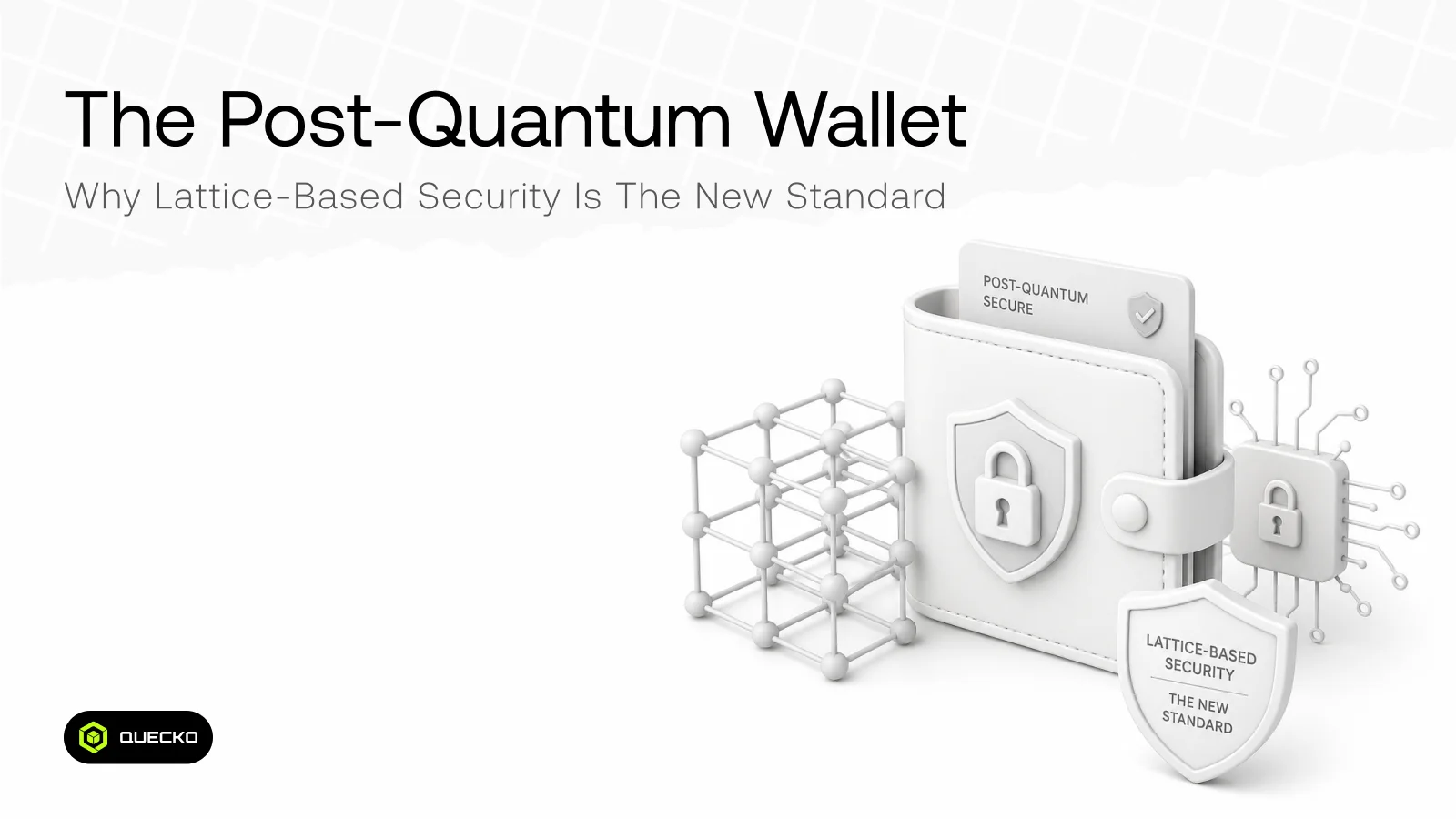
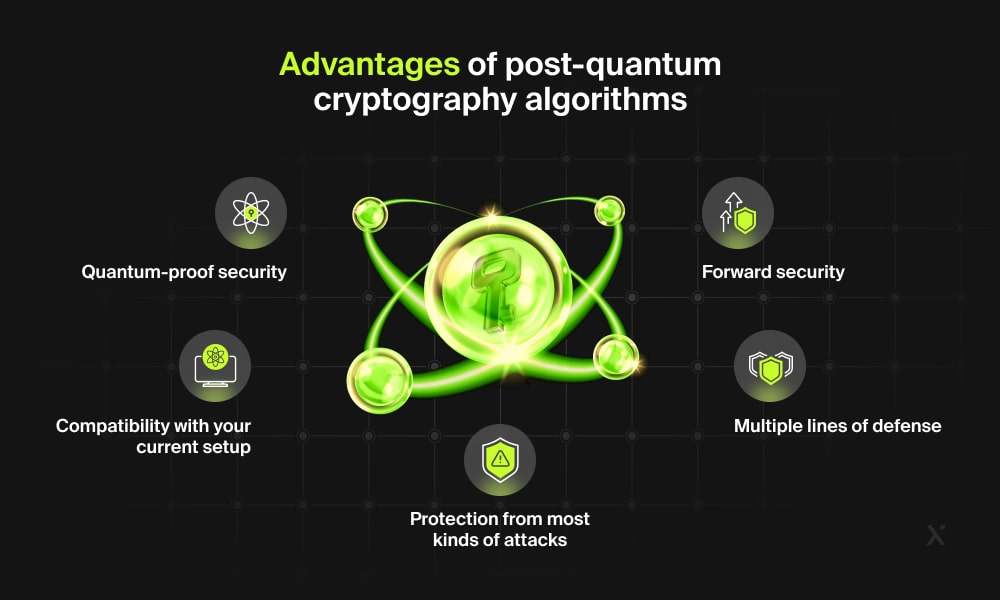
Post-quantum cryptography (PQC) is the necessary defense against this vulnerability. Unlike traditional methods, PQC uses mathematical algorithms designed to resist attacks from both classical and quantum computers. These algorithms are based on complex mathematical structures that quantum computers cannot easily unravel. Adopting PQC is not just about future-proofing your assets; it is about securing them against attacks that may have already been launched.
The transition to PQC is critical for crypto wallet security. As quantum computing capabilities advance, the window to migrate to quantum-resistant algorithms narrows. Wallet providers and users must prioritize this upgrade to ensure that private keys and transaction data remain secure. Ignoring this threat leaves digital assets exposed to a level of risk that current encryption cannot mitigate.
Understanding NIST PQC standards
The National Institute of Standards and Technology (NIST) has finalized the first generation of post-quantum cryptography standards, marking the end of the algorithm selection phase that began in 2016. For crypto wallet developers, this is not a theoretical exercise but a compliance deadline. The standards define how digital wallets must protect user keys against attacks from future quantum computers.
NIST selected four primary algorithms based on mathematical problems that even quantum computers cannot efficiently solve. These fall into two categories: encryption and digital signatures. Wallets must integrate these to secure transactions and verify ownership.
Encryption: ML-KEM
Formerly known as CRYSTALS-Kyber, ML-KEM (Module-Lattice-Based Key-Encapsulation Mechanism) is the standard for encryption. It allows two parties to establish a shared secret key over an insecure channel. ML-KEM is designed to be efficient and is the primary choice for encrypting data at rest and in transit within wallets.
Signatures: ML-DSA
For signing transactions, NIST selected ML-DSA (Module-Lattice-Based Digital Signature Algorithm), based on CRYSTALS-Dilithium. This ensures that only the holder of the private key can authorize a transfer. Unlike ML-KEM, ML-DSA focuses on proving identity and intent without revealing the private key.
Hash-Based Signatures: SLH-DSA
NIST also standardized SLH-DSA (Stateless Hash-Based Digital Signature Algorithm), based on SPHINCS+. While slower and producing larger signatures, it relies on hash functions rather than lattice structures. This provides a different security assumption, useful for specific long-term archival needs or as a fallback if lattice-based math is ever compromised.
Algorithm Comparison
The table below compares the primary NIST standards used in wallet security upgrades. Developers must balance key size, speed, and quantum resistance levels when integrating these algorithms.
| Algorithm | Type | Key Size | Speed | Quantum Resistance |
|---|---|---|---|---|
| ML-KEM | Encryption | 1KB | Fast | High |
| ML-DSA | Signature | 2-3KB | Fast | High |
| SLH-DSA | Signature | 20-40KB | Slow | Very High |
Implementation Checklist
Wallet developers should follow these steps to align with the new standards:
- Audit existing encryption modules for lattice-based vulnerabilities.
- Integrate ML-KEM for key exchange and data encryption.
- Replace legacy signature schemes with ML-DSA for transaction signing.
- Test signature verification speed to ensure user experience remains smooth.
- Document the cryptographic assumptions for compliance audits.
Steps to upgrade wallet encryption protocols
Migrating from ECDSA or Ed25519 to post-quantum cryptography requires a phased approach. The goal is to implement hybrid signatures that maintain backward compatibility while introducing lattice-based security. This workflow outlines how to integrate NIST-standardized algorithms like CRYSTALS-Dilithium without disrupting existing user experiences.
Identify every module in your codebase that handles key generation, signing, or verification. Map these dependencies to a dependency graph to understand the blast radius of a migration. Focus on libraries that directly interface with the blockchain network, as these are the most vulnerable to quantum threats. Document the current signature formats and transaction sizes to establish a baseline for performance comparison.
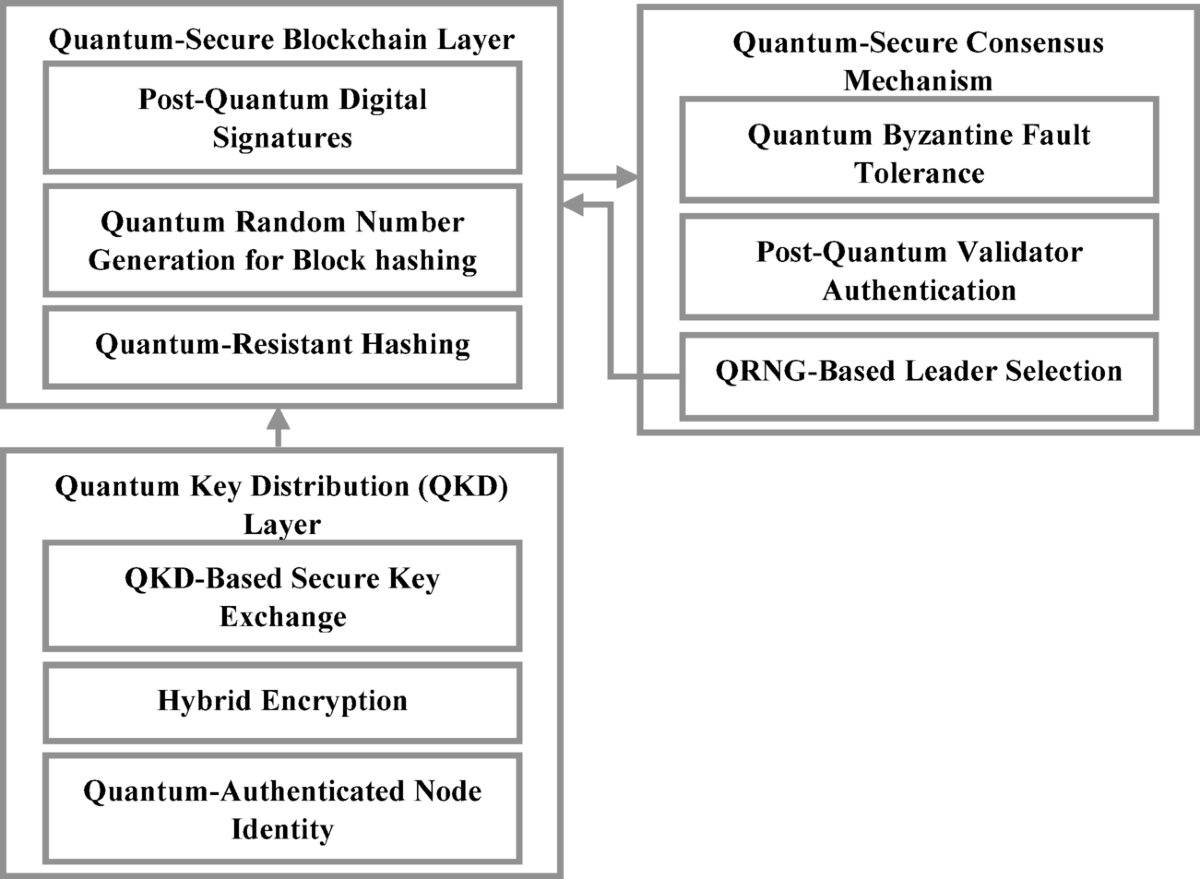
Implement hybrid signatures that combine traditional ECDSA with a post-quantum algorithm such as CRYSTALS-Dilithium. This approach ensures that if either algorithm is compromised, the other remains secure. Hybrid schemes also provide a safety net during the transition period, allowing your wallet to sign transactions in a way that is compatible with legacy nodes while preparing for future quantum-resistant standards. This dual-layer strategy is the industry standard for minimizing risk during the shift.
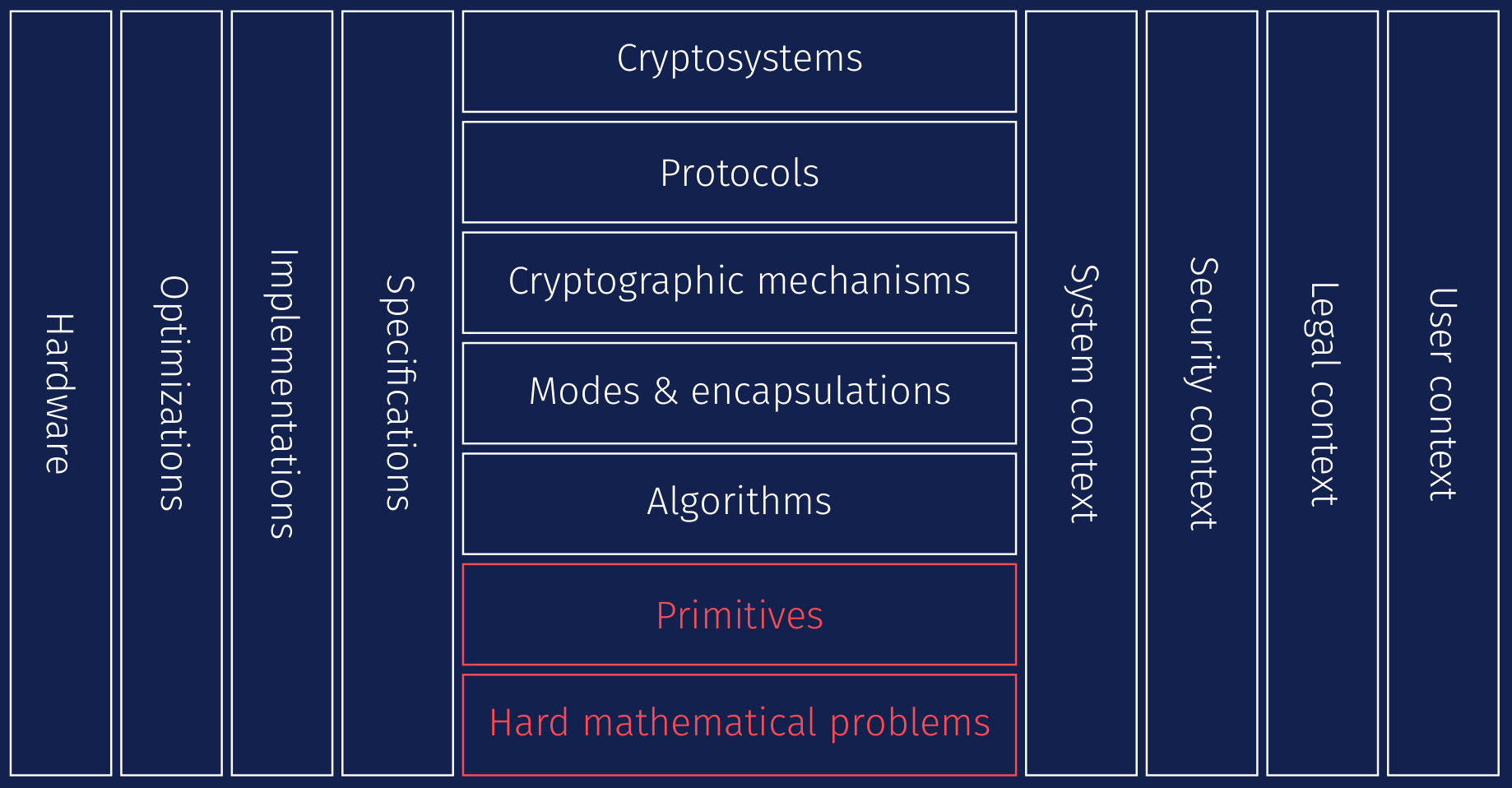
Replace or augment your existing cryptographic libraries with implementations of NIST-standardized post-quantum algorithms. The primary focus should be on lattice-based cryptography, which offers a strong balance between security and performance. Ensure that your implementation adheres to the latest NIST FIPS standards to guarantee interoperability and security validation. This step involves swapping out core functions for their PQC equivalents while maintaining the same API interface to minimize code refactoring.
Post-quantum signatures are significantly larger than ECDSA signatures, which can impact transaction fees and network propagation times. Conduct rigorous performance testing to measure the impact on signing speed, verification latency, and final transaction size. Optimize your implementation to handle larger payloads efficiently, potentially adjusting fee structures or batching strategies to accommodate the increased data volume. This testing phase is critical to ensuring that the upgrade does not degrade the user experience or increase costs disproportionately.
Launch the hybrid signature scheme in a controlled environment, starting with a small percentage of users or testnet transactions. Monitor network acceptance, fee dynamics, and error rates closely. Once stability is confirmed, roll out the update to the broader user base. Maintain the hybrid mode for a significant period to allow for a gradual transition across the entire ecosystem, ensuring that your wallet remains compatible with both legacy and quantum-resistant nodes.
Market impact and wallet provider readiness
The transition to post-quantum cryptography is not merely a technical upgrade; it is a fundamental restructuring of trust in digital finance. As quantum computing advances, the cryptographic standards protecting current blockchain transactions face obsolescence. Wallet providers that delay this migration expose users to "harvest now, decrypt later" attacks, where encrypted data is stolen today to be cracked by future quantum machines. The market impact is immediate: assets held in wallets with outdated security protocols are increasingly viewed as high-risk liabilities by institutional custodians and exchanges.
Major wallet providers are already aligning with the National Institute of Standards and Technology (NIST), which leads the global standardization effort for post-quantum algorithms. The integration of hybrid schemes—combining classical and post-quantum keys—is becoming the new baseline for security. This shift requires significant engineering resources, as post-quantum signatures are often larger than traditional ECDSA signatures, potentially increasing transaction fees and storage requirements. Providers leading this adoption are signaling to the market that their infrastructure is future-proof, a key differentiator for enterprise-grade security.
Bitcoin's price action often reflects broader market sentiment regarding regulatory and technological shifts. While post-quantum adoption is a backend infrastructure change, its visibility influences investor confidence in the longevity of specific platforms.
The readiness of wallet providers varies significantly. Established custodians with large R&D budgets are deploying NIST-approved algorithms like CRYSTALS-Kyber, while smaller, non-custodial wallet developers are often lagging due to resource constraints. This disparity creates a two-tier market: one layer of high-security, quantum-resistant assets and another of vulnerable, legacy-held coins. Users must actively verify which algorithms their wallets support, as default settings often remain on classical cryptography until explicitly updated by the provider.
Common Questions About PQC Implementation
Users often worry that post-quantum cryptography will break current wallet security or require immediate, disruptive action. The transition is designed to be additive, not subtractive. You do not need to migrate your funds or replace your hardware wallet today. Instead, post-quantum cryptography acts as an extra layer of defense alongside your existing AES-256 encryption.
Is AES-256 post-quantum?
AES-256 is considered quantum-resistant for now. While Grover’s algorithm can theoretically speed up brute-force attacks, it only reduces the effective security strength by half. This means AES-256 retains a security level equivalent to 128-bit classical security, which remains secure against both classical and near-term quantum computers. You do not need to change your symmetric encryption keys.
Can a QPU replace a GPU?
Quantum Processing Units (QPUs) and Graphics Processing Units (GPUs) serve different purposes and cannot replace one another. GPUs excel at parallel processing for graphics and machine learning tasks. QPUs are specialized for solving specific mathematical problems, like integer factorization, which threatens asymmetric encryption. They operate on fundamentally different physical principles and will likely coexist rather than compete.
Should I turn on post-quantum encryption now?
For most users, there is no immediate need to enable post-quantum features in crypto wallets. The threat of cryptographically relevant quantum computers (CRQCs) is still years or decades away. However, if you hold significant assets, enabling hybrid encryption (combining classical and post-quantum algorithms) provides an extra safety net. NIST has standardized these algorithms to ensure they are ready for implementation when the threat materializes.
No comments yet. Be the first to share your thoughts!