The 2026 PQC migration window
The window for migrating to post-quantum cryptography is closing rapidly, driven by a convergence of finalized standards and federal mandates. On June 22, 2026, President Trump signed Executive Order 14412, "Securing the Nation Against Advanced Cryptographic Attacks," setting a hard deadline for federal agencies to transition away from vulnerable cryptographic algorithms.
This mandate is not isolated to government systems. The financial sector, including blockchain infrastructure, faces imminent compliance risks. Current public-key cryptography, such as RSA and ECDSA, relies on mathematical problems that quantum computers can solve efficiently. Once large-scale quantum machines become operational, these protocols will offer no protection against cryptographic attacks.
The National Institute of Standards and Technology (NIST) has been finalizing these standards for years. Their Post-Quantum Cryptography Project, detailed in recent 2026 presentations, outlines the specific algorithms—such as CRYSTALS-Kyber and CRYSTALS-Dilithium—that must replace legacy systems. Ignoring this transition leaves blockchain networks exposed to "harvest now, decrypt later" attacks, where adversaries steal encrypted data today to decrypt it once quantum capabilities mature.
The 2026 deadline establishes a clear trajectory. Organizations that delay migration face not just technical obsolescence, but potential regulatory penalties and loss of trust. The time for pilot programs is over; the era of mandatory post-quantum adoption has begun.
NIST standards and wallet security
NIST has officially standardized its first post-quantum cryptography algorithms, shifting the burden from theoretical research to immediate implementation. The selected standards—ML-KEM (formerly Kyber) and ML-DSA (formerly Dilithium)—are now the baseline for securing digital assets against future quantum decryption.
For crypto wallet security in 2026, this means the industry is moving away from Elliptic Curve Cryptography (ECC) and ECDSA. While ECC has protected Bitcoin and Ethereum for over a decade, it relies on mathematical problems that Shor’s algorithm can solve efficiently on a sufficiently powerful quantum computer. NIST’s new standards replace these vulnerable curves with lattice-based cryptography, which remains resistant to both classical and quantum attacks.
The technical shift is significant. ML-KEM and ML-DSA require larger key sizes and signatures than their ECC counterparts. Wallet developers must update their signing libraries to handle these new formats without breaking compatibility with existing transaction structures. Failure to migrate creates a "harvest now, decrypt later" risk, where adversaries steal encrypted data today to unlock it once quantum hardware matures.
| Feature | ECC/ECDSA | NIST PQC (ML-KEM/DSA) |
|---|---|---|
| Underlying Math | Elliptic Curves | Lattice-based (Kyber/Dilithium) |
| Quantum Resistance | Vulnerable to Shor’s algorithm | Resistant to quantum attacks |
| Key Size | Small (32-64 bytes) | Larger (800-3300 bytes) |
| Adoption Status | Legacy standard | NIST FIPS Standard 2026 |
The Harvest Now, Decrypt Later Threat
The most immediate danger to blockchain assets like XRP isn't a sudden quantum breakthrough, but a patient adversary. This "harvest now, decrypt later" strategy involves attackers intercepting and storing encrypted blockchain transactions today. While current quantum computers cannot break the elliptic curve cryptography securing these ledgers, the data is archived. Once sufficiently powerful quantum machines arrive, these stored transactions can be decrypted, revealing private keys and enabling the theft of long-held assets.
For long-term holders, this creates a unique vulnerability window. Unlike short-term trades, assets held in cold storage or dormant wallets remain exposed indefinitely if the underlying signature scheme remains quantum-vulnerable. The migration to post-quantum standards is no longer just a technical upgrade; it is an urgent insurance policy against future theft. The cost of inaction today is the potential loss of principal tomorrow.
XRP Ledger Risk Profile
XRP's ledger architecture relies heavily on digital signatures for transaction validation. If these signatures are compromised via quantum decryption, the integrity of the entire transaction history could be undermined. Unlike centralized databases, blockchain records are immutable and public. Once a private key is exposed through quantum decryption, the associated XRP can be drained, and the theft cannot be reversed by any central authority.
The timeline for this threat is accelerating. NIST's recent standardization of post-quantum algorithms marks a turning point from theoretical research to practical implementation. Institutions holding XRP must begin auditing their cryptographic infrastructure now. Delaying migration until quantum computers are fully operational will be too late, as the damage from harvested data will have already been realized.
Preparing your crypto infrastructure
The migration to post-quantum cryptography (PQC) is no longer a theoretical exercise; it is a near-term operational requirement. As NIST’s standards solidify, financial institutions and developers must pivot from planning to implementation. This section outlines the concrete steps to secure your infrastructure against quantum threats.
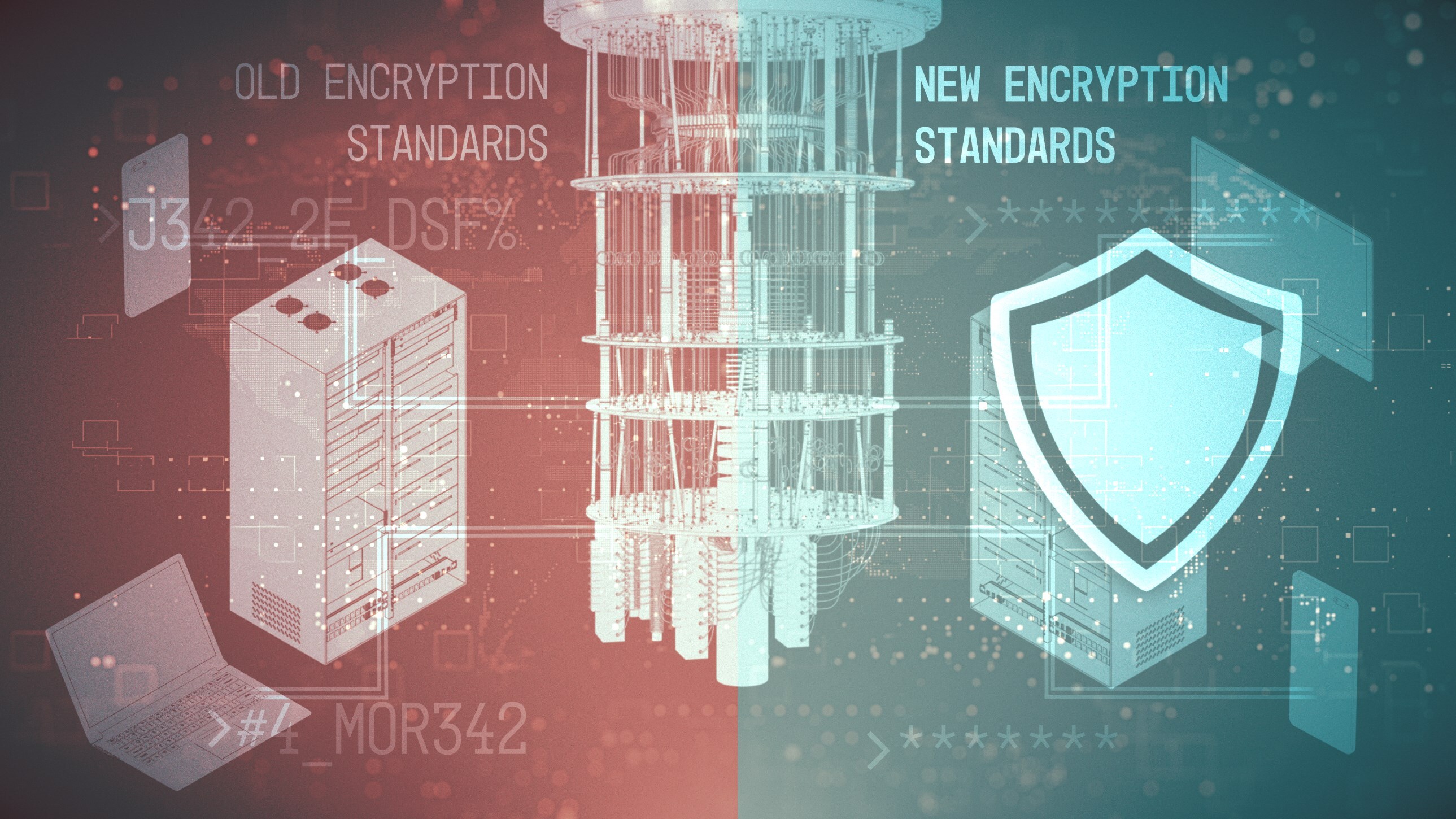
Begin by mapping every instance of public-key cryptography in your stack. Identify all systems relying on RSA, ECC, or Diffie-Hellman, as these are vulnerable to Shor’s algorithm. Create a detailed inventory of software libraries, hardware security modules (HSMs), and certificate authorities. This audit reveals the scope of the migration and prioritizes high-risk assets.
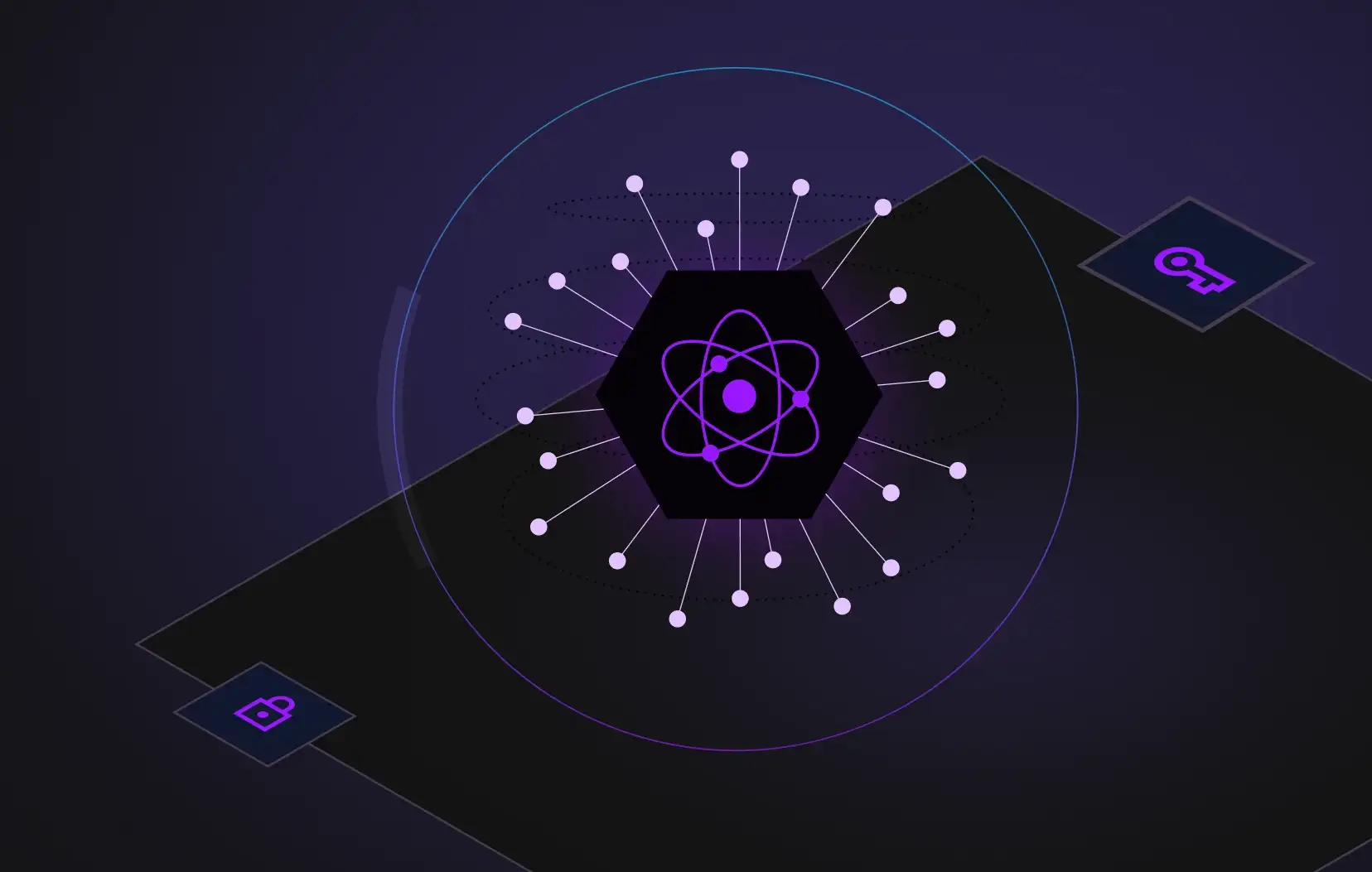
Replace vulnerable cryptographic primitives with NIST-approved algorithms such as CRYSTALS-Kyber for key encapsulation and CRYSTALS-Dilithium for digital signatures. Most major open-source libraries like OpenSSL and BoringSSL are actively integrating PQC support. Ensure your development pipeline automatically tests for these updates to prevent legacy code from slipping into production.
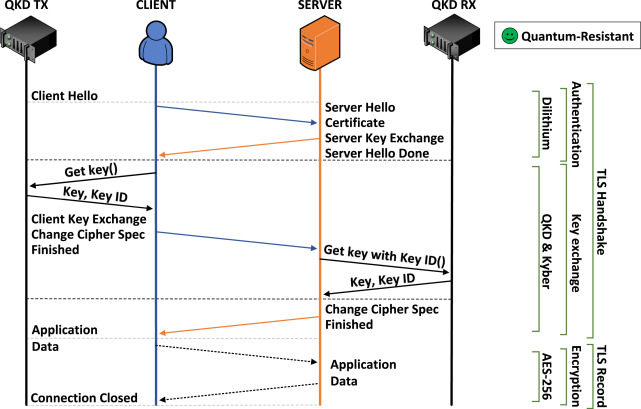
For a transitional period, use hybrid schemes that combine traditional and post-quantum algorithms. This approach ensures security even if one algorithm is compromised or contains hidden weaknesses. By layering PQC over existing protocols like TLS 1.3, you maintain backward compatibility while future-proofing your data against quantum decryption attacks.
Many legacy HSMs lack the computational power to handle the larger key sizes associated with PQC. Evaluate your hardware against the performance requirements of lattice-based algorithms. If your current modules cannot support the new standards within acceptable latency limits, plan for hardware replacement to avoid bottlenecks in transaction processing and authentication.
The cost of inaction far exceeds the investment in migration. By systematically auditing, updating, and hardening your infrastructure, you ensure that your cryptographic foundations remain secure in a quantum-enabled future.
FAQs on post-quantum readiness
Is post-quantum cryptography ready?
NIST has approved its first three post-quantum cryptography (PQC) standards, moving the technology from future planning to near-term delivery planning. While the standards exist, widespread implementation across global banking and defense infrastructure is still in progress. Organizations should view 2026 as the deadline for migration rather than the start of adoption.
What is the outlook for quantum computing in 2026?
Quantum computing is transitioning from experimental research to practical application. In 2026, the focus is on "harvest now, decrypt later" threats, where encrypted data collected today is being stored by adversaries for future decryption. The threat landscape is shifting from theoretical to immediate risk for long-lived sensitive data.
How much does a post-quantum cryptography analyst make?
Specialists in post-quantum cryptography command premium salaries due to the niche expertise required. Professionals with skills in lattice-based cryptography and quantum-resistant algorithms typically earn above the median for cybersecurity roles, reflecting the high demand for talent who can secure systems against quantum threats.
Is quantum computing a threat to XRP?
Yes, quantum computing poses a potential threat to XRP and other cryptocurrencies using traditional public-key cryptography. If a sufficiently powerful quantum computer is built, it could break the elliptic curve digital signature algorithm (ECDSA) used by XRP, allowing attackers to forge transactions. The XRP Ledger is exploring quantum-resistant signatures to mitigate this risk.
No comments yet. Be the first to share your thoughts!