The Q-Day threat to blockchain keys
The current security of your crypto wallet relies on Elliptic Curve Cryptography (ECC), specifically the ECDSA signature algorithm. This mathematical system creates a public key from a private key that is computationally difficult for classical computers to reverse. However, this protection is not permanent. A sufficiently powerful quantum computer running Shor’s algorithm could break this encryption, revealing your private key from your public address.
This vulnerability is unique because blockchain data is immutable and public. Unlike a bank password that can be reset, a compromised private key on the blockchain exposes all associated assets permanently. Once a quantum computer can derive a private key from a public address, the theft is irreversible. The threat is not theoretical; it is a timeline issue. When this capability exists, any address that has ever been used publicly becomes exposed.
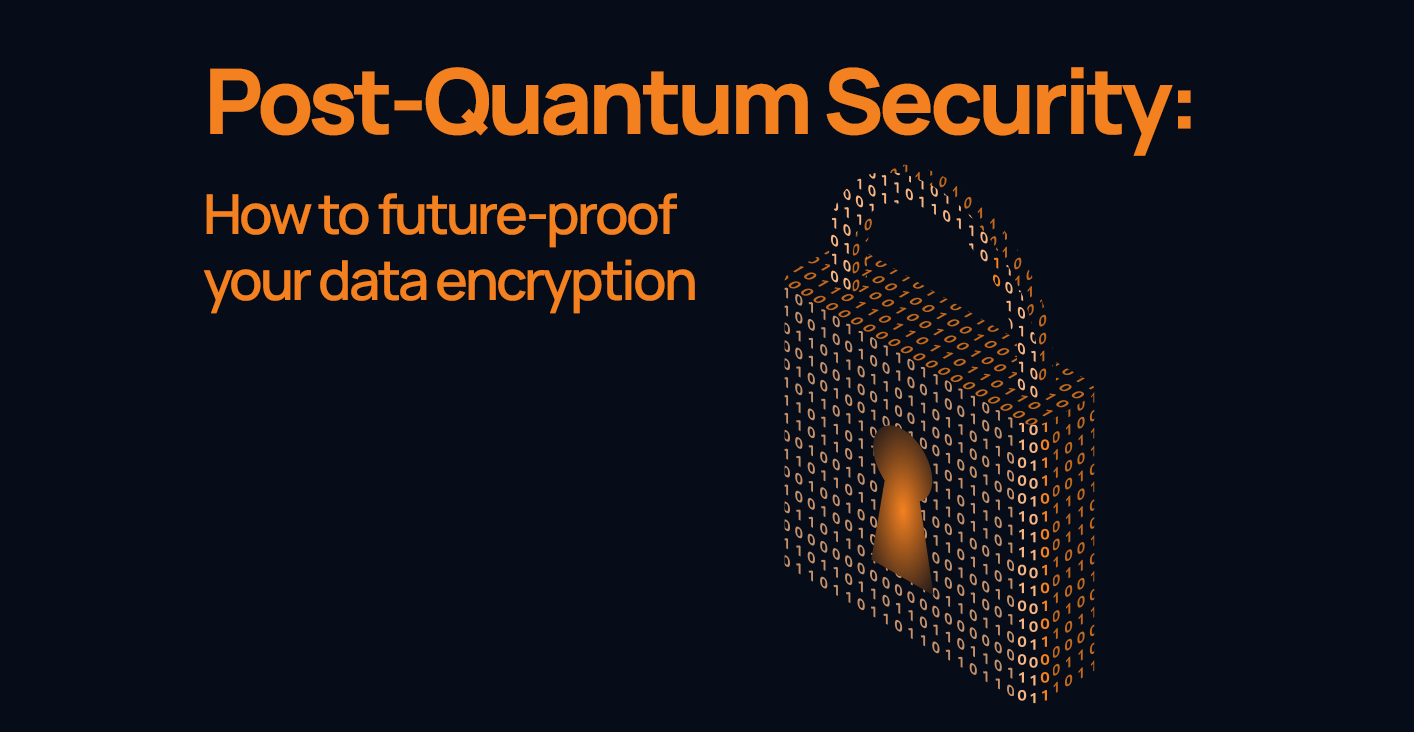
Post-quantum cryptography is the defense against this potential cyberattack. It involves developing new cryptographic algorithms that are resistant to quantum computing threats. The National Institute of Standards and Technology (NIST) is currently finalizing these standards to ensure the next generation of digital security can withstand quantum attacks. Transitioning to these algorithms before quantum computers become powerful enough to break current encryption is the only way to secure long-term holdings.
NIST encryption standards for wallets
Use this section to make the Post-Quantum Cryptography decision easier to compare in real life, not just on paper. Start with the reader's actual constraint, then separate must-have requirements from details that are merely nice to have. A practical choice should survive normal use, maintenance, timing, and budget. If a recommendation only works in an ideal situation, call that out plainly and give the reader a fallback path.
| Factor | What to check | Why it matters |
|---|---|---|
| Fit | Match the option to the primary use case. | A good deal still fails if it does not fit the job. |
| Condition | Verify age, wear, and service history. | Hidden condition issues erase upfront savings. |
| Cost | Compare purchase price with likely upkeep. | The cheapest option is not always the lowest-cost option. |
Wallet migration timelines and risks
Use this section to make the Post-Quantum Cryptography decision easier to compare in real life, not just on paper. Start with the reader's actual constraint, then separate must-have requirements from details that are merely nice to have. A practical choice should survive normal use, maintenance, timing, and budget. If a recommendation only works in an ideal situation, call that out plainly and give the reader a fallback path.
The simplest way to use this section is to write down the must-have criteria first, then compare each option against those criteria before weighing nice-to-have features.
Choosing a quantum-safe crypto wallet
Use this section to make the Post-Quantum Cryptography decision easier to compare in real life, not just on paper. Start with the reader's actual constraint, then separate must-have requirements from details that are merely nice to have. A practical choice should survive normal use, maintenance, timing, and budget. If a recommendation only works in an ideal situation, call that out plainly and give the reader a fallback path.
The simplest way to use this section is to write down the must-have criteria first, then compare each option against those criteria before weighing nice-to-have features.
No comments yet. Be the first to share your thoughts!