The quantum threat to crypto assets
Current blockchain security relies on elliptic curve cryptography (ECDSA and Ed25519) to protect private keys. These mathematical systems are secure against classical computers but vulnerable to Shor’s algorithm, which quantum processors can execute efficiently. A sufficiently powerful quantum computer could derive a wallet’s private key from its public address, effectively bypassing the cryptographic locks that secure digital assets.
The danger is not just theoretical; it is immediate due to the "Harvest Now, Decrypt Later" threat model. Adversaries can intercept and store encrypted blockchain data today, waiting for future quantum capabilities to unlock it. By the time quantum computers are viable, stolen assets may already be in the hands of threat actors who preserved the encrypted records.
This vulnerability applies specifically to the key derivation process, not necessarily the blockchain ledger itself. NIST is currently standardizing post-quantum cryptographic algorithms to replace these weak links. Until wallets adopt these new standards, the window of exposure remains open, making immediate migration a critical priority for asset security.
NIST standards and algorithm choices
The transition to post-quantum cryptography (PQC) is no longer theoretical. The National Institute of Standards and Technology (NIST) has finalized the first set of quantum-resistant algorithms, establishing the baseline for securing blockchain protocols and crypto wallets against future quantum computing threats. For wallet developers and protocol architects, these standards define the immediate technical requirements for long-term asset security.
NIST selected three primary algorithms, each serving a distinct cryptographic function within the broader security infrastructure:
ML-KEM (formerly Kyber) ML-KEM is the standard for key encapsulation. It replaces traditional elliptic-curve Diffie-Hellman (ECDH) key exchanges. In a crypto wallet context, ML-KEM secures the initial handshake between a user’s device and a blockchain node, ensuring that the encryption key used to protect transaction data cannot be derived by a quantum computer. It is designed for efficiency, making it suitable for the resource-constrained environments of hardware wallets.
ML-DSA (formerly Dilithium) ML-DSA serves as the standard for digital signatures. It replaces ECDSA and Ed25519, the algorithms currently used to sign transactions on Bitcoin and Ethereum. When you send crypto, ML-DSA ensures the signature remains valid and unforgeable even if an adversary possesses significant quantum computational power. Its adoption is critical for maintaining the integrity of the blockchain’s consensus mechanism.
SLH-DSA (formerly SPHINCS+) SLH-DSA is a stateless hash-based signature scheme. While ML-DSA is the primary choice for most applications due to its balance of speed and key size, SLH-DSA offers a different security model based on hash functions rather than lattice structures. It serves as a robust fallback or for specific use cases where resistance to structural vulnerabilities in lattice-based cryptography is prioritized.
These standards are not merely academic; they are the foundation of the global effort to secure electronic information. NIST’s selection process, led by the Computer Security Resource Center, ensures these algorithms meet rigorous security and performance benchmarks. Wallet providers must begin integrating these algorithms now, as the concept of "harvest now, decrypt later" means that data intercepted today could be decrypted once quantum computers become viable.
The shift to these standards requires significant engineering effort. ML-KEM and ML-DSA keys and signatures are larger than their classical counterparts, which impacts transaction sizes and storage requirements on the blockchain. Protocols must update their serialization formats and consensus rules to accommodate these larger data structures without compromising network efficiency.
For investors and users, the timeline for full adoption is still unfolding. However, the standardization by NIST provides a clear path forward. Wallets that integrate ML-KEM and ML-DSA today are positioning themselves as secure against the quantum threat, while those that delay risk obsolescence as the industry migrates to quantum-safe infrastructure.
Wallet providers adopting PQC
The transition to post-quantum cryptography is moving from theoretical research to active implementation in major wallet infrastructure. As quantum computing capabilities advance, wallet providers are beginning to integrate NIST-standardized algorithms to protect user assets against future decryption threats. This shift is critical for maintaining the integrity of digital signatures that secure crypto wallets.
| Provider | PQC Status | Implementation | User Impact |
|---|---|---|---|
| AWS | Deploying | NIST-standardized algorithms | Backend security upgrade |
| Red Hat | Integrating | Hybrid cryptographic schemes | Infrastructure hardening |
| Ledger | Researching | Post-quantum signature schemes | Future-proofing hardware |
| Trezor | Monitoring | Hybrid signature support | Security updates pending |
Providers like AWS and Red Hat are already deploying new NIST-standardized post-quantum cryptographic algorithms designed to resist both classical and quantum computing attacks [src-serp-7]. Red Hat’s approach focuses on hybrid schemes that combine traditional cryptography with post-quantum methods, ensuring compatibility during the transition period [src-serp-8].
Hardware wallet manufacturers such as Ledger and Trezor are in the early stages of integrating these technologies. Their strategy typically involves monitoring standardization efforts and preparing firmware updates to support hybrid signatures. This approach allows users to benefit from enhanced security without requiring immediate hardware changes.

The user experience impact is currently minimal for most consumers. Backend upgrades by cloud providers and infrastructure companies do not require changes to user behavior. However, hardware wallet users should expect future firmware updates that enable post-quantum signature verification. These updates will likely be rolled out gradually to ensure stability and compatibility with existing blockchain protocols.
Steps to secure your crypto holdings
Quantum computing poses a direct threat to the elliptic curve cryptography that secures most current wallets. The transition to post-quantum standards requires proactive measures before large-scale quantum processors become viable. Use this checklist to assess your current security posture and prepare for the shift.
Identify every wallet you use, including hardware devices, mobile apps, and web interfaces. Check the vendor’s documentation for any mention of post-quantum algorithms or quantum resistance. If the vendor has not announced a migration plan, treat that wallet as high-risk for long-term storage.
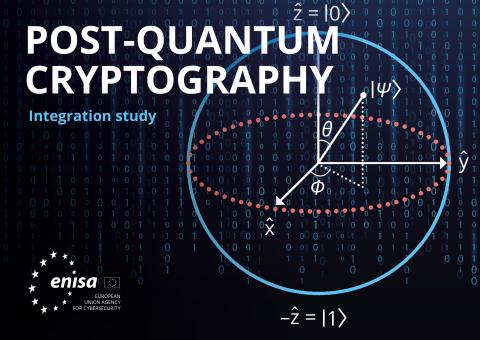
Ensure all wallet applications and hardware device firmware are updated to their latest versions. Developers often patch vulnerabilities and may begin integrating early-stage post-quantum libraries in these updates. Regular updates are your first line of defense against known exploits.
Move significant holdings to multi-signature wallets that require multiple approvals for transactions. This adds a layer of complexity that makes unauthorized access harder, regardless of the underlying cryptographic algorithm. It also provides time to react if a private key is compromised.
Follow updates from official bodies like CISA and NIST regarding post-quantum cryptography standards. Their guidance on algorithmic transitions will dictate when you need to migrate your assets. Subscribe to newsletters from your wallet providers to receive timely alerts about compatibility changes.
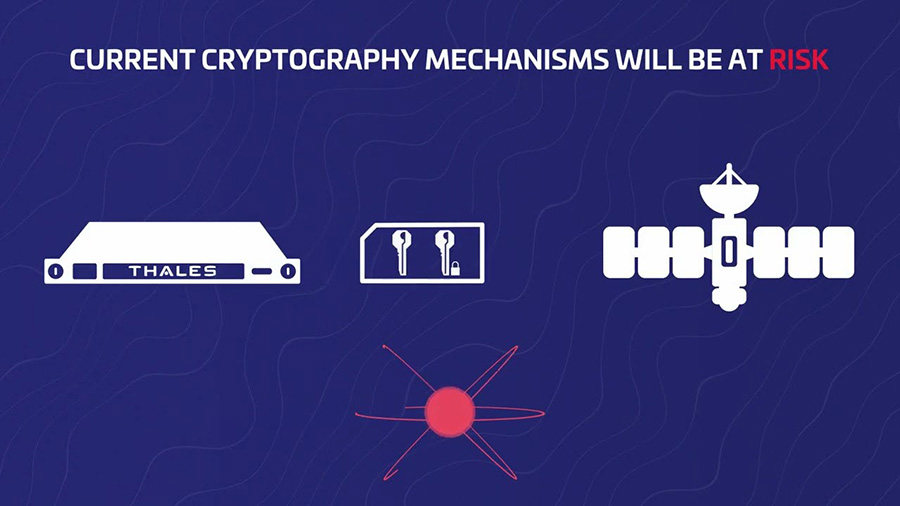
Consider replacing older hardware wallets with new models that explicitly support post-quantum algorithms. As standards finalize, manufacturers will release devices with integrated quantum-resistant chips. Do not rush to buy unverified "quantum-proof" devices, but stay ready to upgrade when certified options become available.
No comments yet. Be the first to share your thoughts!