NIST PQC standards in 2026
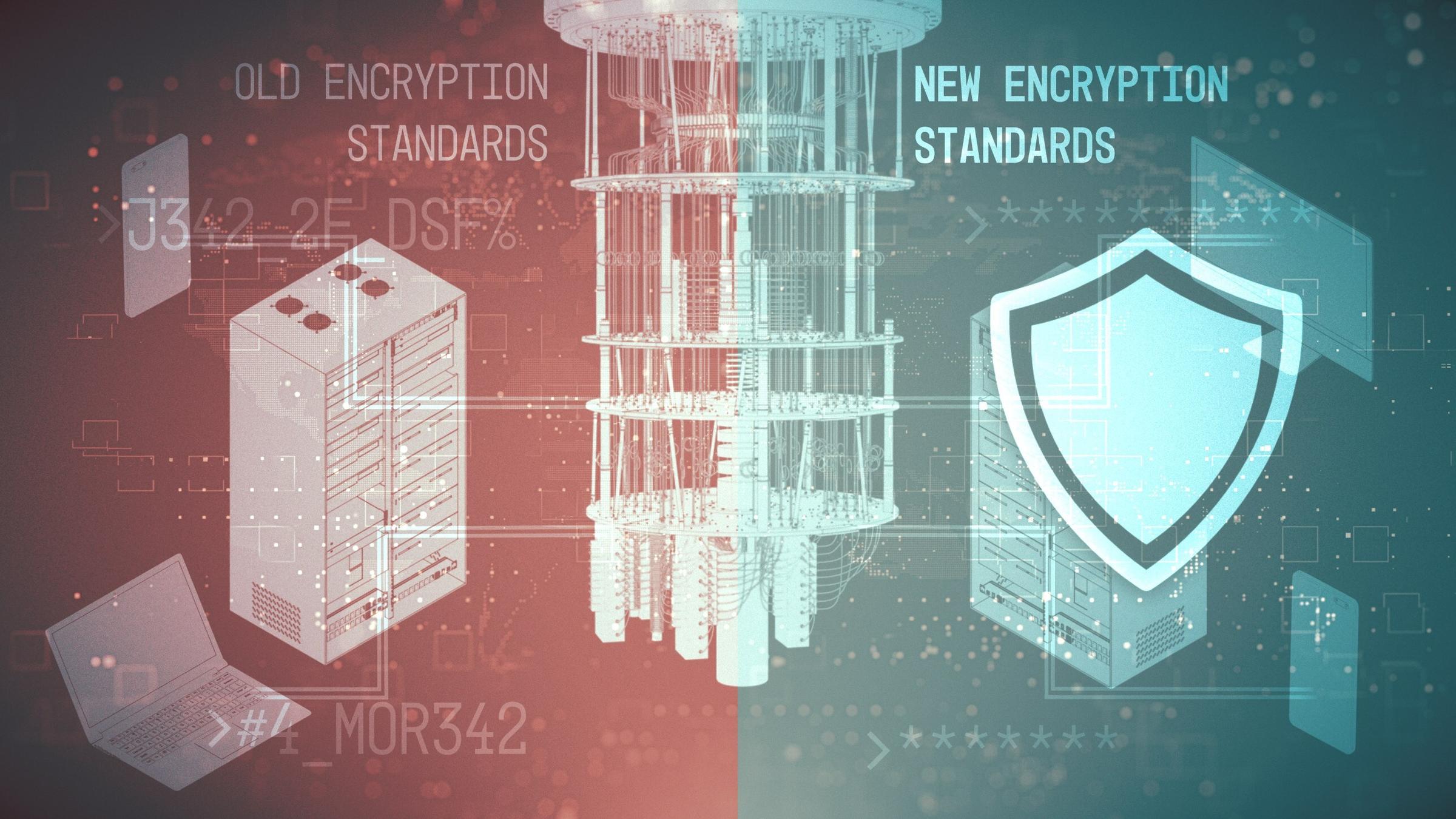
Post-quantum cryptography (PQC) has moved from theoretical research to a concrete implementation phase. In 2026, the landscape is defined by the National Institute of Standards and Technology (NIST) finalizing its first suite of quantum-resistant algorithms. This shift marks the end of speculation and the beginning of mandatory migration for digital infrastructure, including crypto wallets.
NIST has officially approved three primary algorithms to replace traditional public-key systems. These include CRYSTALS-Kyber for general encryption and CRYSTALS-Dilithium and SPHINCS+ for digital signatures. These standards are not suggestions; they are the regulatory baseline that financial institutions and wallet providers must adopt to secure assets against future quantum threats.
The industry is now focused on integrating these specific algorithms into existing hardware and software. For crypto wallets, this means updating signature verification processes to handle the larger key sizes and signature lengths inherent in PQC standards. The transition is no longer about "if" but "when," with many providers already running pilot programs to test compatibility.
This adoption curve reflects the growing market sentiment around quantum resistance. As NIST standards solidify, the cost of inaction rises sharply. Wallets that fail to migrate will face increasing security risks and potential regulatory penalties, making early adoption a critical component of long-term asset protection.
Migration timelines for wallets
The transition to post-quantum cryptography is no longer theoretical. With NIST standards finalized, wallet providers face a strict deadline to upgrade their infrastructure. The primary mechanism driving this change is BIP-361, a proposal designed to enforce compliance across the Bitcoin ecosystem. This standard outlines a clear path for migration, ensuring that user assets remain secure against future quantum threats.
The three-phase migration plan
BIP-361 introduces a structured approach to prevent wallet lockouts. Rather than a sudden switch, the protocol allows for a gradual transition. This phased strategy gives developers time to update their software and users time to adapt their hardware. The plan includes a critical safety net: the ability to freeze coins in wallets that fail to migrate. This ensures that non-compliant users do not lose access to their funds indefinitely, but it also creates a strong incentive to upgrade promptly.
Wallets must first identify their current cryptographic signatures and notify users of the impending changes. This phase involves scanning the blockchain for legacy transactions and alerting holders to the need for action. Clear communication is essential to prevent panic and ensure users understand the risks of inaction.

During the second phase, wallets begin supporting hybrid signing. This means transactions are signed with both classical and post-quantum algorithms. This dual-signature approach allows the network to verify that the new post-quantum signatures are working correctly without disrupting existing functionality. It serves as a critical testing ground for widespread adoption.

The final phase enforces the migration. Wallets that have not updated to support the new standards will have their coins frozen. This mechanism ensures that only compliant wallets can initiate transactions. While this may seem harsh, it is necessary to secure the network against quantum decryption attacks. Users must migrate their funds to updated wallets to regain access.
Preparing for the transition
For wallet developers, the priority is clear: integrate post-quantum algorithms now. Waiting until the last minute risks losing user trust and funds. For users, staying informed about BIP-361 is crucial. Regularly updating wallet software and monitoring official announcements will help ensure a smooth transition. The goal is a secure, quantum-resistant future for digital assets.
Comparing NIST-approved PQC algorithms
The transition to post-quantum cryptography requires choosing between algorithms that prioritize different trade-offs. NIST’s selection balances security levels against computational overhead, a critical factor for blockchain networks where transaction throughput and storage costs are tightly constrained. The primary standards—ML-KEM for encryption and ML-DSA for digital signatures—serve as the foundation for securing crypto wallets against quantum threats.
ML-KEM (Module-Lattice-Based Key-Encapsulation Mechanism), formerly known as Kyber, is designed for key establishment. It offers a favorable balance between security and performance, making it suitable for encrypting wallet data. ML-DSA (Module-Lattice-Based Digital Signature Algorithm), derived from Dilithium, focuses on signing transactions. While secure, lattice-based signatures generally result in larger data payloads compared to classical elliptic curve signatures, directly impacting blockchain transaction sizes.
The following comparison highlights the structural differences between these primary standards. These metrics illustrate why wallet developers must optimize data serialization to accommodate increased key and signature sizes without degrading network performance.
Industry readiness and adoption
The shift from theoretical preparation to tangible deployment is underway. In 2026, post-quantum cryptography moves from "future planning" to near-term delivery planning. Major technology firms and financial institutions are no longer treating quantum resistance as a distant concern but are actively integrating NIST-approved algorithms into their infrastructure. This transition marks a critical inflection point for crypto wallet security, where the focus is now on implementation rather than anticipation.
Financial entities are leading the charge in securing digital assets. Banks and payment processors are beginning to audit their cryptographic supply chains, replacing vulnerable RSA and ECC protocols with lattice-based standards like CRYSTALS-Kyber. This proactive stance is driven by the "harvest now, decrypt later" threat, where adversaries capture encrypted data today to unlock it once quantum computers become viable. By adopting post-quantum standards early, these institutions aim to protect long-lived financial records and transaction histories from future decryption.
Technology giants are also accelerating their adoption timelines. Google has already enabled post-quantum key exchange in Chrome for a significant portion of its users, demonstrating that browser-level PQC support is no longer experimental. This widespread integration provides a blueprint for crypto wallet developers, who must now ensure their applications can communicate securely with PQC-enabled services. The industry consensus is clear: waiting for quantum computers to arrive will be too late.
Note: 2026 is the year post-quantum cryptography moves from future planning to near-term delivery. Organizations that delay integration risk exposing their assets to irreversible decryption threats.
The pace of adoption varies by sector, but the direction is uniform. Crypto wallet providers are under increasing pressure to offer seamless upgrades, ensuring that users can transition to quantum-resistant keys without disrupting their daily transactions. As NIST standards become the baseline, the industry is coalescing around a unified approach to security, making post-quantum cryptography a standard feature rather than a premium option.
No comments yet. Be the first to share your thoughts!