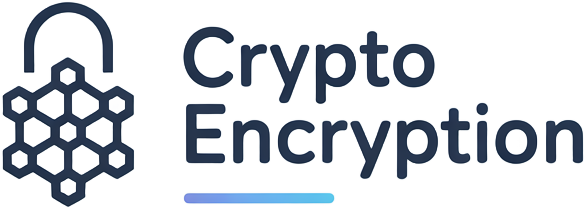
NIST approves three core PQC algorithms
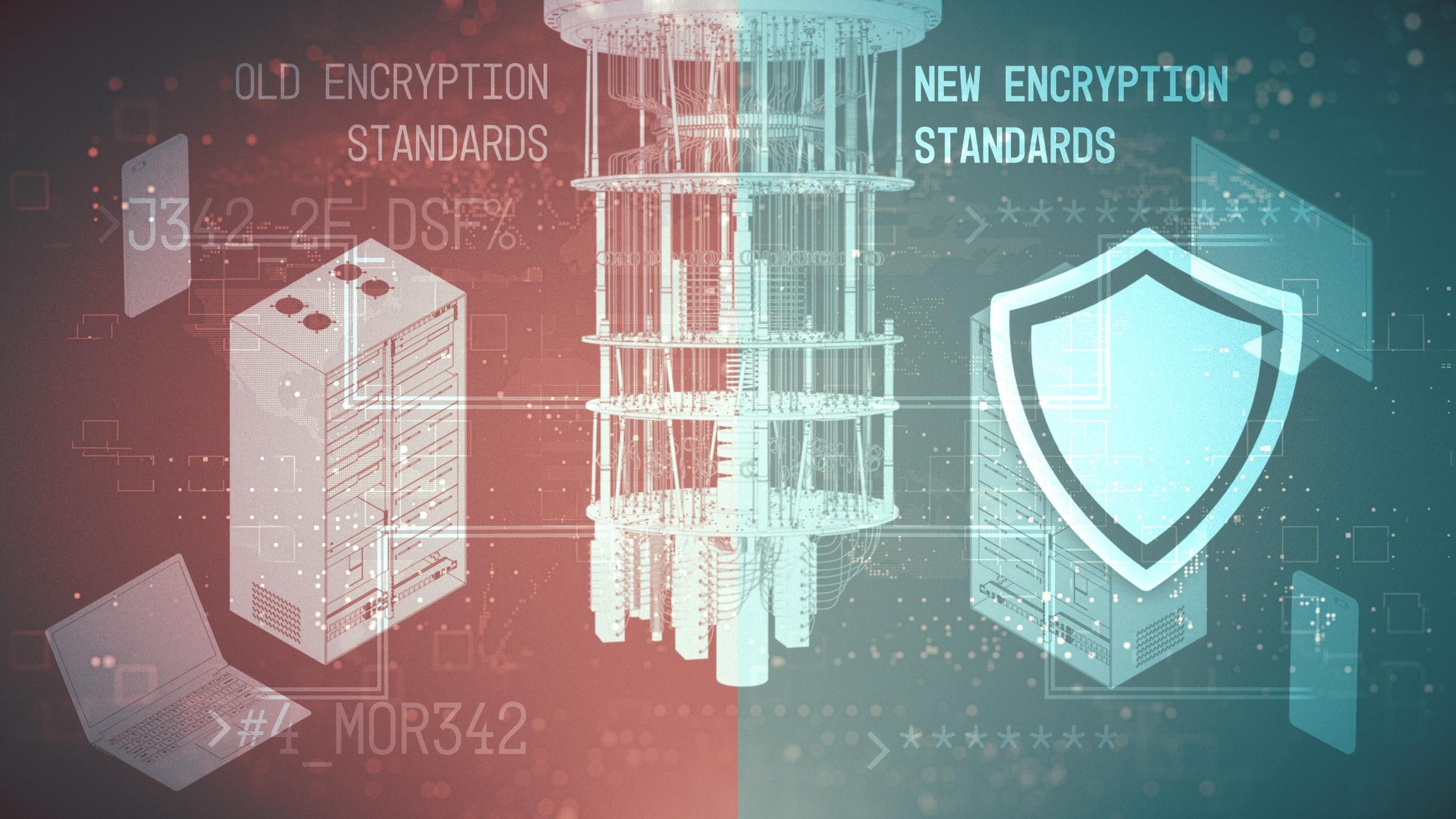
The National Institute of Standards and Technology (NIST) has finalized the first set of post-quantum cryptography standards, marking the end of a multi-year standardization process. These standards define the cryptographic algorithms that will replace current public-key systems, which are vulnerable to attacks from future quantum computers. For wallet security, this approval establishes the baseline for all future compatibility and encryption protocols.
The selected standards focus on three specific algorithms, each designed to protect different aspects of digital security. ML-KEM (Module-Lattice-Based Key-Encapsulation Mechanism) handles the initial key exchange, ensuring that two parties can securely establish a shared secret over an insecure channel. ML-DSA (Module-Lattice-Based Digital Signature Algorithm) provides the digital signatures needed to verify identity and transaction integrity. SLH-DSA (Stateless Hash-Based Digital Signature Algorithm) serves as a backup, offering a different mathematical approach based on hash functions for long-term archival security.
These algorithms are not mutually exclusive; they work together to create a layered defense. ML-KEM and ML-DSA rely on lattice-based cryptography, which is currently considered the most promising and versatile approach for post-quantum security. SLH-DSA, while less versatile, offers a distinct security model that protects against potential unforeseen weaknesses in lattice-based systems. Wallet providers must support all three to ensure comprehensive compatibility with the 2026 security landscape.
The transition to these standards is not immediate. NIST has published the standards (FIPS 203, FIPS 204, and FIPS 205), but implementation timelines vary by provider. Users should expect a gradual rollout where hybrid schemes—combining classical and post-quantum algorithms—are used first to mitigate risk during the transition period.
For those tracking the broader market impact, the shift to post-quantum cryptography is a structural change in the foundation of digital finance. While the algorithms themselves do not directly influence price action, the security of the underlying infrastructure is critical for maintaining trust in crypto assets. The TechnicalChart above shows the current market context for Bitcoin, the primary asset affected by these security upgrades.
The NIST standards provide a clear path forward. By adopting ML-KEM, ML-DSA, and SLH-DSA, the industry can move from theoretical resistance to practical, standardized security. This approval is the first major milestone in the long process of securing the internet against quantum threats.
BIP-361 wallet migration path
The Bitcoin Improvement Proposal BIP-361 outlines a structured three-phase migration path for wallet developers and users to transition from legacy elliptic-curve cryptography to post-quantum standards. Proposed in April 2026, this plan addresses the urgent need to secure digital assets against future quantum decryption threats. The proposal introduces a unique enforcement mechanism: the potential freezing of coins in wallets that fail to comply with the new cryptographic requirements. This approach ensures that the network maintains security without immediately disenfranchising users, but rather by incentivizing timely adoption.
Phase 1: Parallel Signing
The initial phase requires wallets to implement dual-signing capabilities. During this period, transactions must be signed using both the legacy ECDSA keys and the new post-quantum signatures. This parallel signing allows the network to verify both cryptographic methods simultaneously. It serves as a testing ground for wallet providers to integrate post-quantum algorithms without breaking existing compatibility. Users can continue to transact normally, but their wallets are effectively upgrading their security posture in the background. This phase is critical for identifying any bugs or performance issues in the new signature schemes before full enforcement.
Phase 2: Mandatory Post-Quantum Signatures
In the second phase, wallets must begin enforcing post-quantum signatures for all outgoing transactions. Legacy-only wallets will no longer be able to broadcast transactions to the network. This phase marks the point of no return for non-compliant software. Wallet developers must ensure their updates are pushed to all active users to prevent service interruption. The network begins to reject transactions that do not include a valid post-quantum signature, effectively forcing the migration. This phase is designed to be gradual, allowing time for stragglers to update, but it establishes the new standard as the only valid method for moving funds.
Phase 3: Coin Freezing for Non-Compliance
The final phase introduces the most significant enforcement mechanism: the freezing of coins in wallets that have not migrated. If a wallet remains on legacy cryptography beyond the specified deadline, the network will flag those addresses. Funds in these non-compliant wallets will be locked, preventing any outgoing transactions. This measure is intended to protect the integrity of the network by ensuring that only secure wallets can participate in the economy. While it may seem harsh, it prevents the creation of insecure, un-upgradable addresses that could become liabilities. Users must update their wallets to regain access to their funds, ensuring that the entire ecosystem remains resilient against quantum attacks.
Implement dual-signing for legacy and post-quantum algorithms. This allows the network to verify both methods simultaneously, serving as a testing ground for integration without breaking existing compatibility.

Enforce post-quantum signatures for all outgoing transactions. Legacy-only wallets will no longer be able to broadcast transactions, effectively forcing the migration to the new standard.

Freeze coins in wallets that have not migrated. This measure ensures that only secure wallets can participate in the economy, preventing the creation of insecure, un-upgradable addresses.
Federal and enterprise adoption timelines
The transition to post-quantum cryptography is no longer a theoretical exercise for academic labs; it is a regulated, high-priority mandate for federal agencies and their enterprise partners. The central gravity of this shift is anchored in the 2026 Post-Quantum Cryptography Summit, a hybrid event organized by the General Services Administration (GSA) and scheduled for September 16, 2026. This summit serves as a critical coordination point, designed to equip federal agencies with the specific knowledge, tools, and partnerships required to accelerate their quantum readiness journey.
For enterprise IT leaders, this federal timeline acts as a de facto industry standard. Because the government is the largest single buyer of technology services, its adoption curve dictates procurement cycles for private sector vendors. Agencies are moving from pilot programs to full-scale integration, meaning that any enterprise software or hardware provider seeking federal contracts must now demonstrate compliance with NIST’s finalized post-quantum standards. This creates a ripple effect: if your company serves government clients, your cryptographic infrastructure must be upgraded before the 2026 summit concludes to remain eligible for future contracts.
The urgency is driven by the "harvest now, decrypt later" threat model. Adversaries are already collecting encrypted data today, anticipating that future quantum computers will render current encryption methods obsolete. Federal agencies, which hold vast amounts of sensitive historical data, are particularly vulnerable. The GSA’s push for accelerated readiness in 2026 is a direct response to this long-term risk, ensuring that critical infrastructure is protected before quantum capabilities mature.
While the federal sector leads with regulatory force, the private sector is following with a mix of voluntary compliance and risk management. Major financial institutions and healthcare providers are beginning to integrate post-quantum algorithms into their long-term security strategies, recognizing that the cost of retrofitting systems later will far exceed the cost of proactive adoption. The 2026 summit provides the technical roadmap for this transition, offering workshops and technical briefings that will help enterprises manage the complexities of hybrid cryptography—where traditional and post-quantum algorithms operate side-by-side during the migration period.
The timeline is tight. With NIST standards already published and the GSA summit set for late 2026, the window for passive observation has closed. Agencies and enterprises that delay implementation risk falling behind in a market where quantum resilience is becoming a baseline requirement for trust and compliance.
Browser and infrastructure adoption
The shift to post-quantum cryptography is no longer theoretical; it is now embedded in the software developers use daily. Major browser vendors have moved beyond research and into implementation, treating PQC integration as a standard part of their security updates. This infrastructure-level adoption ensures that the protocols protecting user data are ready before quantum computers become a practical threat.
Google leads this transition within the Chrome ecosystem. The browser has enabled Post-Quantum TLS 1.3 by default in its stable releases, allowing connections to websites that support PQC to automatically negotiate quantum-resistant keys. This is not a manual toggle for users but a background process that strengthens the handshake between the browser and the server. Mozilla has followed a similar path in Firefox, implementing the CRYSTALS-Kyber algorithm as part of its standard TLS stack. These moves signal that the browser layer is prepared for the post-quantum era.
Beyond browsers, the broader internet infrastructure is adapting. Cloud providers and content delivery networks (CDNs) are beginning to offer PQC-enabled endpoints, allowing applications to route traffic through quantum-resistant paths. This ensures that even if a user’s browser is not the last line of defense, the broader network can maintain security. For wallet security, this means that the channels through which transactions are broadcast and verified are increasingly hardened against future decryption attempts.
The convergence of browser support and infrastructure readiness creates a baseline of protection. Users do not need to configure anything; the software handles the transition automatically. This passive adoption is critical because it ensures that as PQC standards evolve, the underlying transport layers will already be capable of supporting them. The focus now shifts to ensuring that the applications built on top of these protocols, particularly crypto wallets, can effectively utilize these quantum-resistant channels.
Common questions about PQC readiness
Users often ask when the next major post-quantum cryptography conference will be held. The PQCrypto 2026 event takes place in Saint-Malo, France, from April 14–16, 2026. Another key gathering, the Post-Quantum Cryptography Conference 2026, is scheduled for December 1–3, 2026, in Amsterdam, Netherlands. These dates mark critical milestones for tracking the evolution of PQC standards and implementation strategies.
Many wonder if post-quantum cryptography is ready for widespread adoption. While NIST has finalized several standards, full readiness depends on hardware support and software integration. Organizations are currently in a transition phase, testing algorithms like CRYSTALS-Kyber and CRYSTALS-Dilithium in controlled environments before deploying them at scale.
Leadership in this field is driven by NIST, which selected the initial algorithms for standardization. Major tech companies and academic institutions also play significant roles in refining these protocols. Google Chrome, for example, has begun implementing experimental support for PQC algorithms, signaling early browser-level adoption.
No comments yet. Be the first to share your thoughts!