The quantum threat to blockchain keys
Bitcoin addresses and most blockchain wallets rely on elliptic curve cryptography (ECC) to secure private keys. This mathematical framework is currently unbreakable by classical computers, but it is vulnerable to quantum algorithms. Specifically, Shor’s algorithm can factor large numbers and solve discrete logarithm problems exponentially faster than traditional methods, effectively rendering current ECC signatures obsolete.
The immediate danger is not that quantum computers will crack keys today, but that attackers are already stealing encrypted data to decrypt later. This "Harvest Now, Decrypt Later" strategy allows malicious actors to store encrypted transactions or wallet data now, waiting for quantum hardware to mature enough to unlock it. By the time quantum computers are powerful enough to break SHA-256 or ECC, many dormant wallets will have been targeted.
This threat extends beyond just the initial acquisition of funds. Every time you sign a transaction, you expose your public key to the network. While addresses are hashed (SHA-256 and RIPEMD-160), the public key is visible during the signing process. A sufficiently powerful quantum computer could derive the private key from the public key before the transaction is fully confirmed, allowing attackers to steal funds in transit.
Preparing for this shift requires understanding that current encryption standards are not quantum-proof. As Cisco and other industry leaders note, the transition to post-quantum cryptography is not a matter of if, but when. Wallets and protocols must eventually migrate to quantum-resistant algorithms to ensure long-term security. Ignoring this threat leaves digital assets exposed to a future where today’s security guarantees no longer hold.
NIST PQC standards and wallet migration
The National Institute of Standards and Technology (NIST) has finalized the core algorithms that will replace current encryption methods in crypto wallets. This shift is not a software update; it is a fundamental change to the mathematical foundations of security. Wallet providers must migrate from Elliptic Curve Cryptography (ECC) to lattice-based cryptography to withstand attacks from future quantum computers.
The new standards: ML-KEM and ML-DSA
NIST selected two primary algorithms for general use, replacing the aging ECDSA and EdDSA standards currently used by Bitcoin, Ethereum, and most hardware wallets.
- ML-KEM (Module-Lattice-Based Key-Encapsulation Mechanism): Formerly known as Kyber, this algorithm handles encryption and key exchange. It is the direct replacement for the key agreement protocols used to secure wallet communications.
- ML-DSA (Module-Lattice-Based Digital Signature Algorithm): Formerly known as Dilithium, this algorithm handles digital signatures. It replaces ECDSA and EdDSA for signing transactions, ensuring that only the wallet owner can authorize transfers.
These standards were chosen after a multi-year competition evaluating security, performance, and implementation complexity. They are designed to be efficient on the constrained devices where most wallets live, such as mobile phones and secure hardware chips.
Why ECDSA is no longer enough
Current wallets rely on the difficulty of solving the elliptic curve discrete logarithm problem. A sufficiently powerful quantum computer running Shor’s algorithm could solve this problem in minutes, allowing an attacker to derive a private key from a public key. While quantum computers are not yet ready to break ECDSA, the threat of storing encrypted data for future decryption is real. Attackers are already storing encrypted transactions and wallet data, waiting for the day they can decrypt them.
The migration to NIST PQC standards is a proactive defense. By adopting ML-KEM and ML-DSA now, wallet providers ensure their infrastructure remains secure as quantum computing capabilities advance. This is not a future concern; it is an immediate requirement for long-term asset security.
Comparing old and new standards
The transition involves significant changes in key size and performance. PQC keys are larger than ECC keys, which impacts storage and transmission speeds. Wallet providers must optimize their code to handle these larger data structures without compromising user experience.
| Feature | Current ECC/ECDSA | NIST PQC (ML-KEM/ML-DSA) |
|---|---|---|
| Key Size | Small (256-bit) | Large (1-2 KB) |
| Security Basis | Elliptic Curve Discrete Logarithm | Lattice-based Mathematics |
| Quantum Resilience | Vulnerable to Shor’s Algorithm | Resistant to known quantum attacks |
| Signature Size | Small (~64-72 bytes) | Larger (~2-3 KB) |
| Primary Use | Bitcoin, Ethereum, most wallets | Next-generation secure wallets |
Wallet developers are already integrating these algorithms into their codebases. The migration path involves supporting both ECC and PQC signatures during a transition period, ensuring compatibility with existing networks while preparing for a fully quantum-resistant future.
How to integrate post-quantum wallets today
The transition to post-quantum cryptography (PQC) is no longer a theoretical exercise; it is an operational necessity for crypto wallet providers. As quantum computing capabilities advance, the risk to current elliptic-curve encryption standards becomes tangible. Integrating post-quantum wallets requires a hybrid approach that maintains compatibility with existing infrastructure while introducing quantum-resistant algorithms.
This process involves assessing current cryptographic libraries, selecting NIST-standardized algorithms, and implementing hybrid key exchange mechanisms. The goal is to create wallets that are secure against both classical and quantum attacks without breaking user experience.

Begin by mapping every cryptographic function in your wallet’s codebase. Identify all instances of ECDSA, EdDSA, and ECDH, which are vulnerable to Shor’s algorithm. Use static analysis tools to flag these dependencies. This audit establishes a baseline for the migration effort and highlights which modules require immediate replacement versus those that can be phased out gradually.
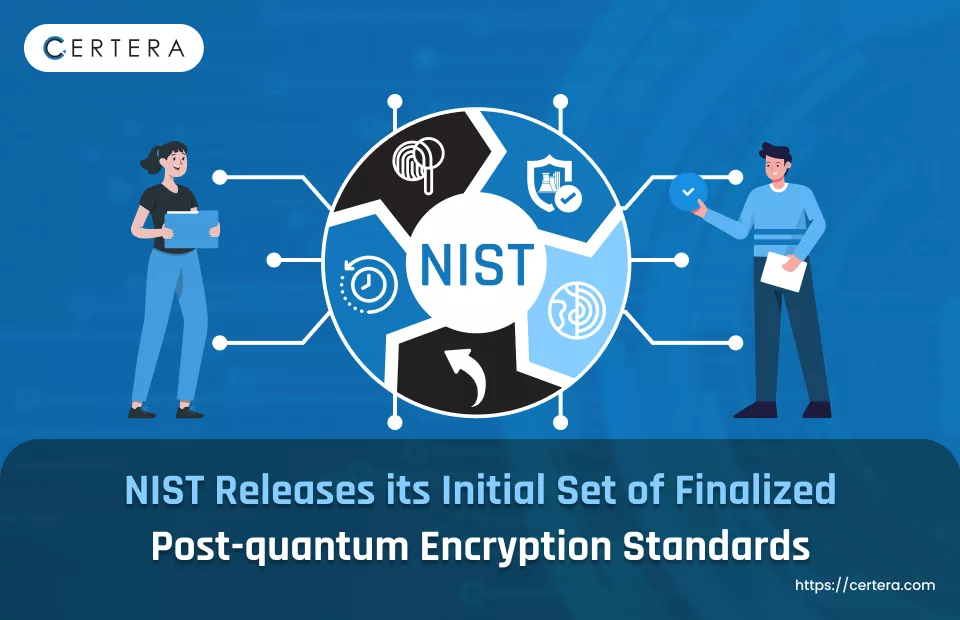
Adopt algorithms from the National Institute of Standards and Technology (NIST) final standards. For general encryption, use ML-KEM (formerly CRYSTALS-Kyber). For digital signatures, use ML-DSA (formerly CRYSTALS-Dilithium) or SLH-DSA for specific use cases. These algorithms have undergone rigorous peer review and are designed to resist attacks from both classical and quantum computers. Avoid proprietary or experimental algorithms that lack this level of validation.

Deploy hybrid key exchange protocols that combine classical and post-quantum algorithms. This ensures backward compatibility with existing systems while adding quantum resistance. For example, use a hybrid of ECDH and ML-KEM. If the post-quantum component is compromised, the classical component still provides security, and vice versa. This layered approach minimizes risk during the transition period.
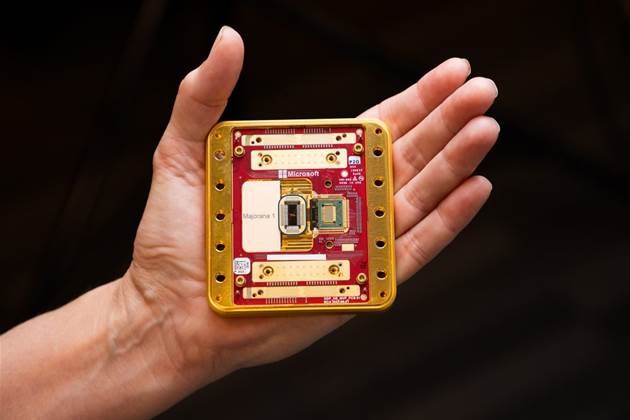
Post-quantum algorithms often involve larger key sizes and signature lengths, which can impact transaction speed and storage requirements. Conduct rigorous performance testing to ensure that wallet operations remain responsive. Optimize code paths to mitigate latency. Monitor memory usage and network bandwidth to prevent degradation in user experience. Adjust parameters as needed to balance security and efficiency.
Roll out the updated wallet software in stages, starting with non-critical features or beta users. Monitor system logs and performance metrics closely for any anomalies. Establish a feedback loop with users to report issues. Stay informed about emerging threats and updates to PQC standards. Be prepared to patch vulnerabilities quickly and communicate changes transparently to maintain trust.
Integrating post-quantum wallets is a complex but necessary step. By following these structured steps, wallet providers can secure their platforms against future quantum threats while maintaining current functionality.
Market impact of quantum-resistant assets
The transition to post-quantum cryptography (PQC) is not just a technical upgrade; it is a structural shift in how crypto assets are valued and secured. As quantum computing capabilities advance, the risk of storing encrypted data for future decryption looms over the entire industry. This risk is forcing a reevaluation of security protocols across exchanges, wallet providers, and blockchain networks.
Adoption rates for quantum-resistant assets are accelerating as institutions prioritize long-term security. Projects integrating PQC early are signaling to investors that they are future-proofing their infrastructure. This proactive stance reduces the perceived risk of obsolescence, potentially stabilizing asset valuations during periods of technological uncertainty. The market is beginning to price in the cost of this transition, viewing PQC integration as a baseline requirement for institutional-grade security rather than a premium feature.
However, the shift also introduces complexity and potential fragmentation. Different quantum-resistant algorithms may not be compatible with existing systems, requiring significant upgrades to node software and user interfaces. This transition period could lead to short-term volatility as networks upgrade their cryptographic standards. Investors and users must navigate this landscape carefully, ensuring that their holdings are supported by protocols that have undergone rigorous peer review and security audits.
The long-term outlook suggests that quantum-resistant assets will become the standard. As quantum computers become more powerful, the cost of breaking traditional encryption will decrease, making older protocols vulnerable. The market will likely reward those who have already made the switch, creating a premium for security-first projects. This shift underscores the importance of staying informed about the latest developments in post-quantum cryptography and their implications for the broader crypto market.
No comments yet. Be the first to share your thoughts!