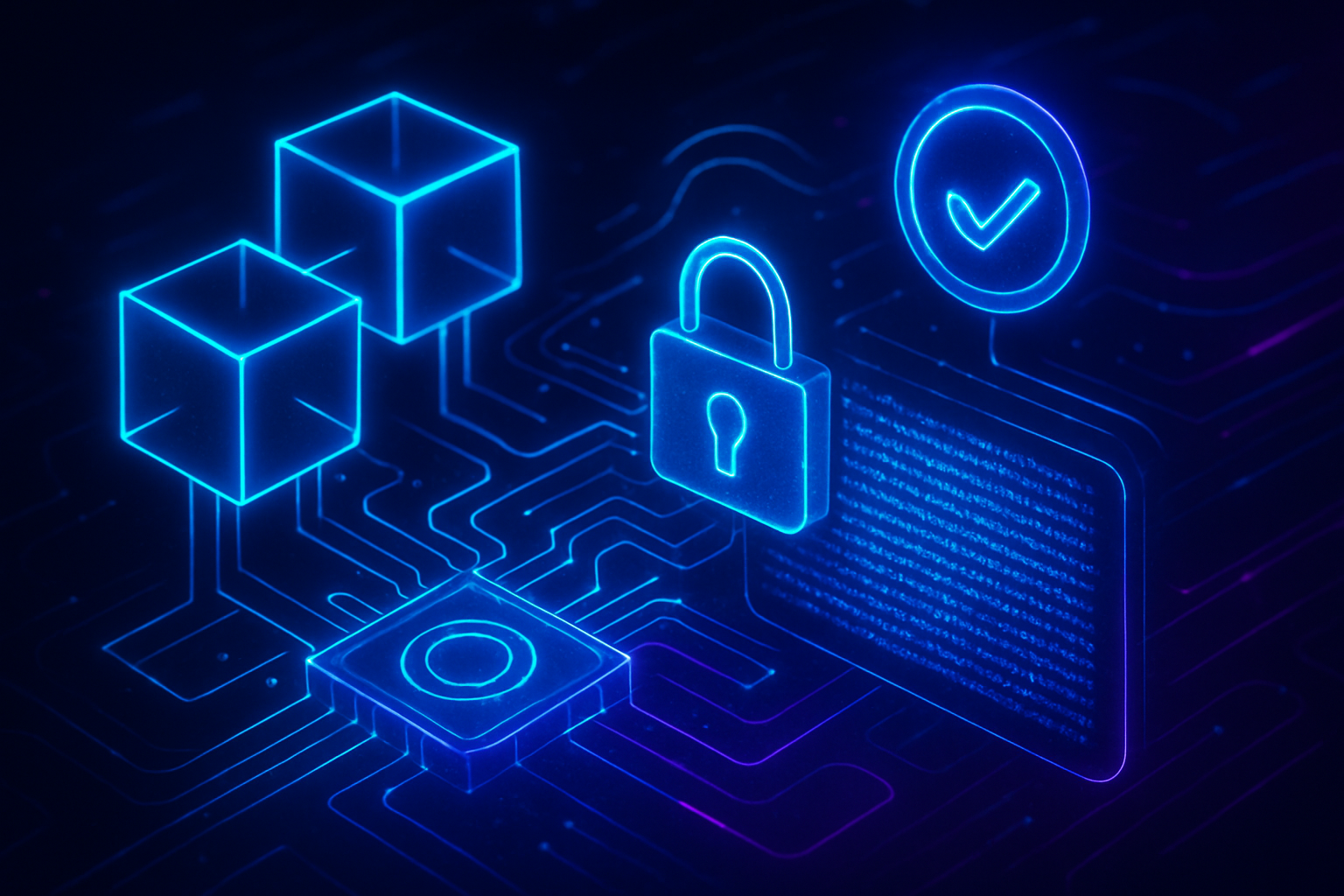
Zero-Knowledge Proofs (ZKPs) are rewriting the playbook for blockchain privacy. In a crypto landscape hungry for confidentiality, ZKPs deliver a rare mix of transparency, verifiability, and data protection. By allowing users to prove the validity of transactions or statements without exposing any underlying sensitive information, ZKPs are now the backbone of encrypted smart contracts powering confidential transactions.
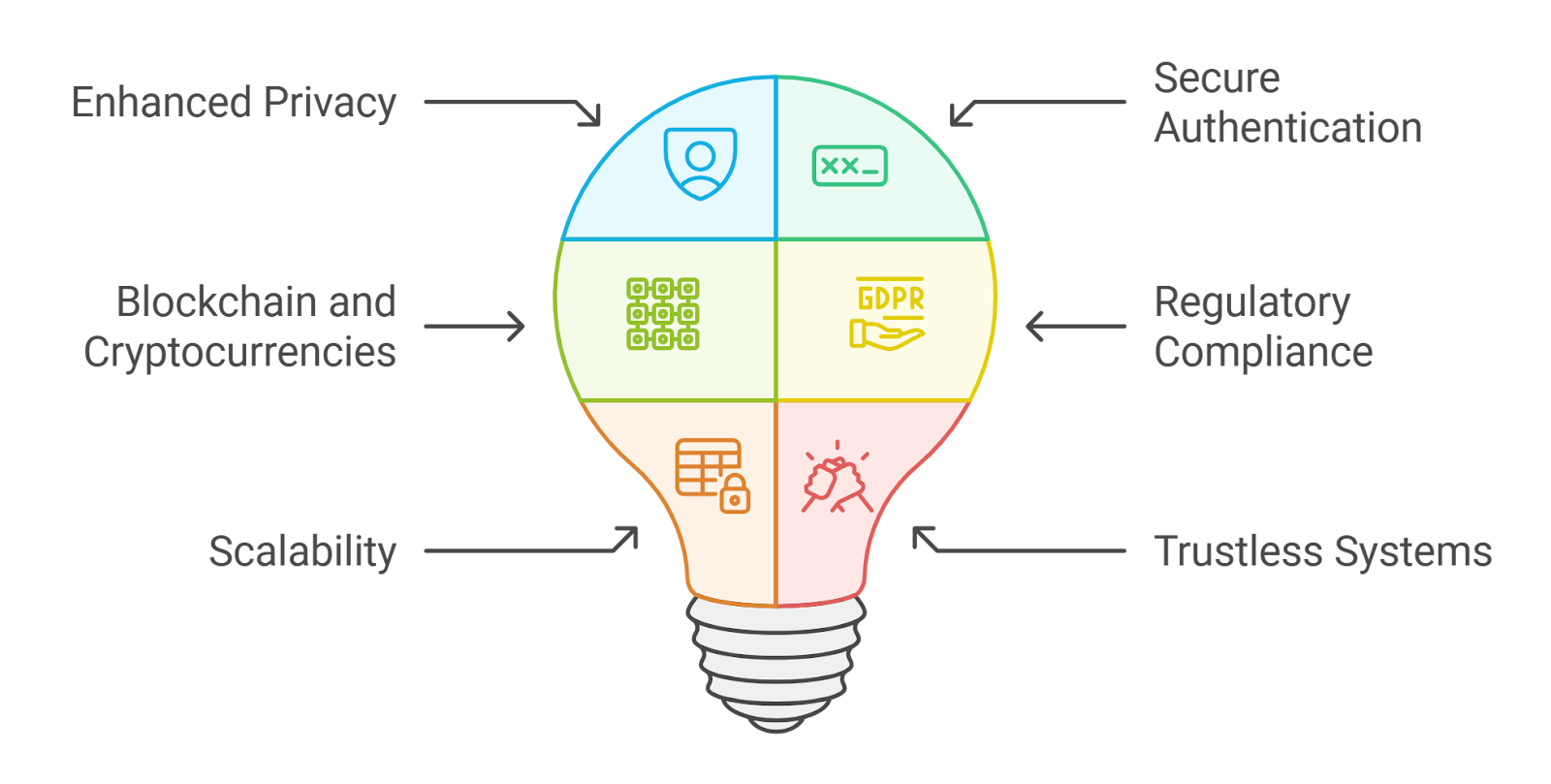
How Zero-Knowledge Proofs Elevate Blockchain Privacy
The core value proposition of ZKPs is simple yet profound: prove it’s true without showing your cards. In the realm of smart contracts, this means you can execute agreements or transfer assets on-chain without leaking transaction amounts, counterparties, or business logic. This is a game changer for enterprises and privacy-conscious users alike.
Recent advances have made ZKP implementation more practical than ever before. Platforms like Ethereum integrate protocols such as AZTEC to enable confidential transfers at the smart contract level. For example, AZTEC’s confidentialTransfer function currently costs between 800,000, 900,000 gas per transaction - a small price for robust privacy in today’s transparent blockchain environment (source).
ZKP Protocols: zk-SNARKs, zk-STARKs, and Bulletproofs Compared
Diving into ZKP implementation requires choosing the right protocol for your use case:
Comparing zk-SNARKs, zk-STARKs, and Bulletproofs for Confidential Transactions
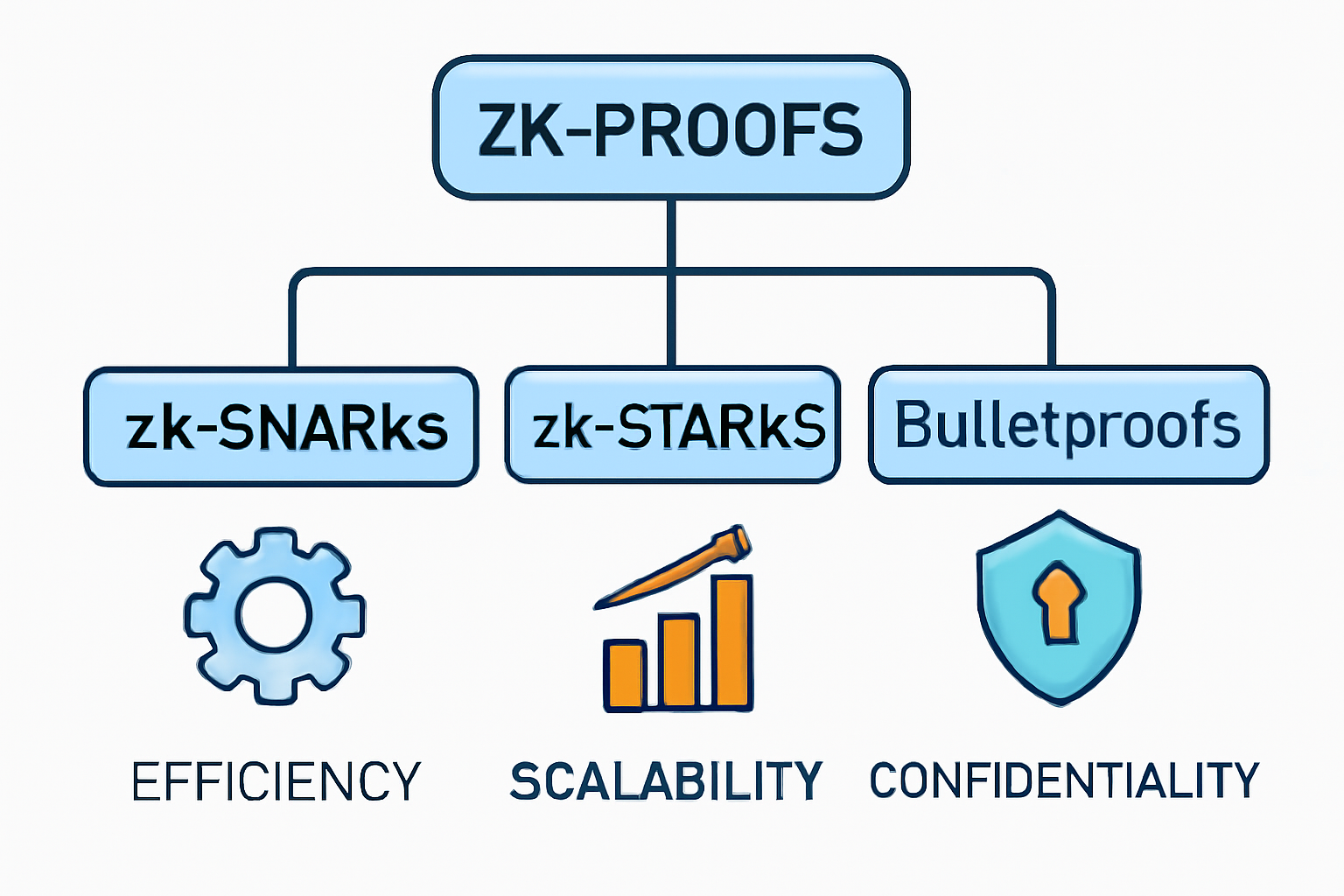
- zk-SNARKs: Zero-Knowledge Succinct Non-Interactive Arguments of Knowledge are widely adopted for confidential transactions due to their fast verification and compact proof sizes. They power privacy features in projects like Zcash and Ethereum's AZTEC protocol, but require a trusted setup phase.
- zk-STARKs: Zero-Knowledge Scalable Transparent Arguments of Knowledge offer greater scalability and do not require a trusted setup, enhancing transparency. They are ideal for complex computations and are used in platforms like StarkNet to enable auditable, confidential smart contracts.
- Bulletproofs: Designed for efficient range proofs without a trusted setup, Bulletproofs are especially suited for confidential transactions in cryptocurrencies like Monero. They have smaller proof sizes than earlier approaches, but are generally slower to verify than zk-SNARKs for large circuits.
zk-SNARKs (Zero-Knowledge Succinct Non-Interactive Arguments of Knowledge) are currently favored due to their efficiency and compact proofs. They allow rapid verification with minimal computational overhead but require an initial trusted setup.
zk-STARKs (Zero-Knowledge Scalable Transparent Arguments of Knowledge), on the other hand, eliminate the need for trusted setup and scale better with larger computations - ideal for complex DeFi applications (source). Meanwhile, Bulletproofs excel at range proofs without trusted setup and are especially efficient for confidential transactions on public blockchains.
The Mechanics: Integrating ZKPs into Encrypted Smart Contracts
The technical integration starts with platform selection. Ethereum’s AZTEC protocol brings privacy to mainstream DeFi by embedding ZKP logic directly into smart contracts. Each transaction remains auditable yet fully private - only validity is revealed to validators and network participants.
Aleo takes this further by introducing its own Leo language purpose-built for privacy-preserving contracts. With Leo and Aleo’s infrastructure, developers can write complex business logic while ensuring all sensitive inputs remain encrypted throughout execution (source). StarkNet leverages similar mechanics using zk-STARK proofs to shield transaction details while maintaining network scalability.
How Zero-Knowledge Proofs Power Confidential Smart Contracts
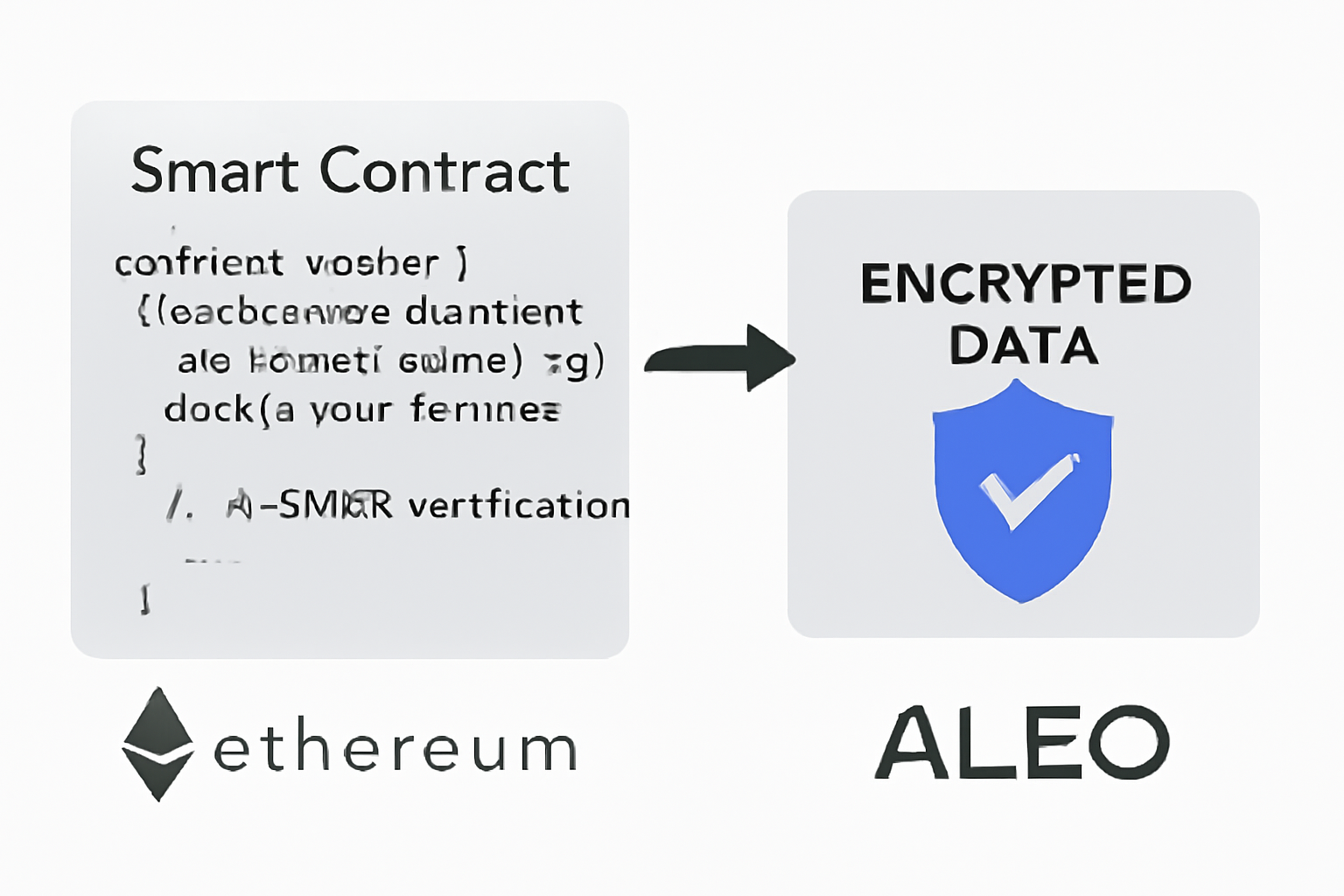
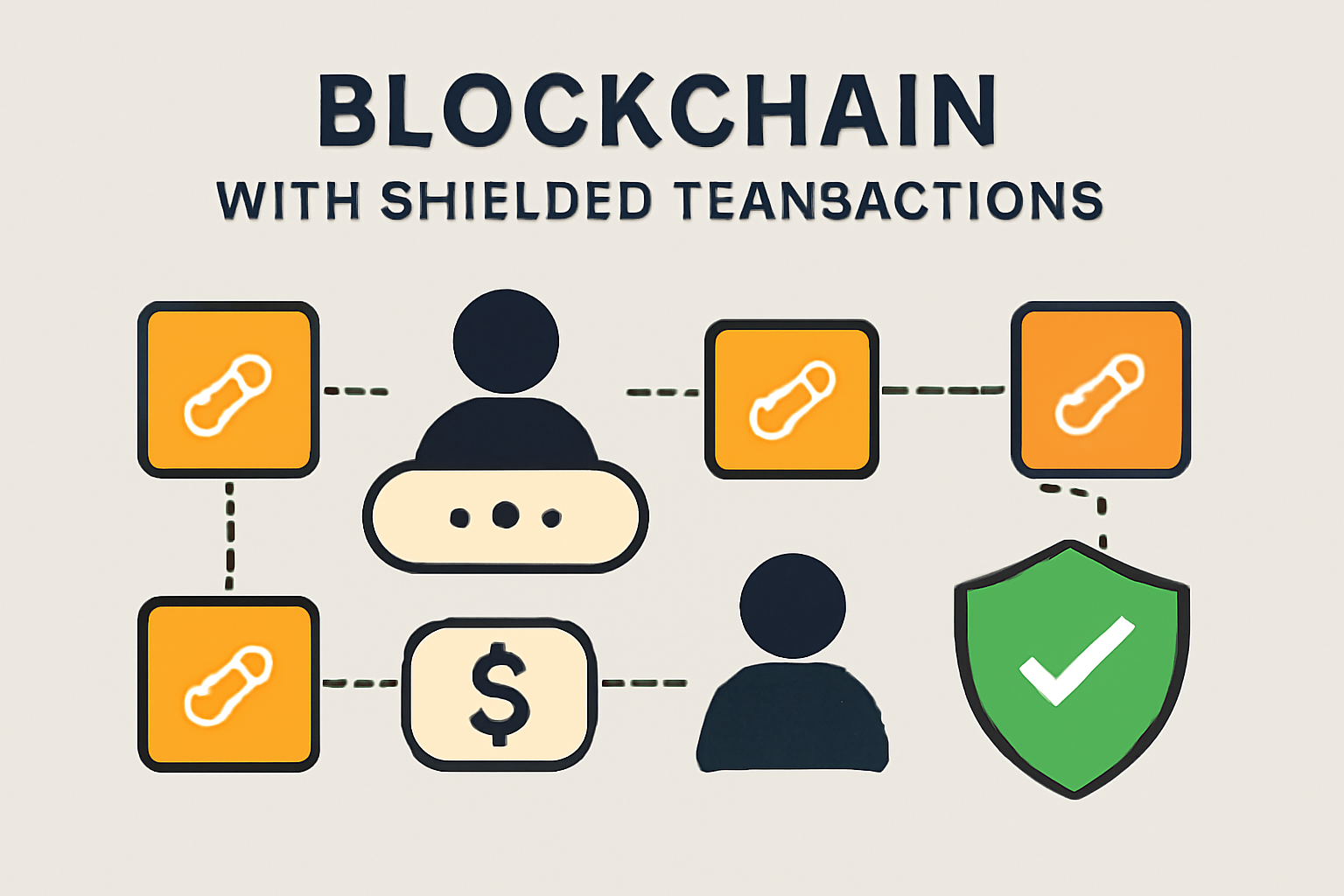
As ZKP adoption accelerates, the landscape of confidential transactions is rapidly evolving. Developers are no longer forced to compromise between privacy and usability. With platforms like StarkNet leveraging zk-STARKs, users now prove transaction validity without ever disclosing sensitive details, unlocking new possibilities for on-chain identity, compliance, and enterprise-grade data protection.
Yet, the journey isn’t frictionless. The computational demands of generating zero-knowledge proofs remain a key hurdle. For example, while zk-SNARKs offer lightning-fast verification, their proof generation can be resource-intensive, especially for complex smart contract logic. Bulletproofs and zk-STARKs address some of these challenges but may introduce higher on-chain data costs or require more bandwidth for verification (source). Balancing scalability with bulletproof privacy is an ongoing engineering challenge.
Best Practices for ZKP Implementation in Confidential Smart Contracts
To maximize the impact of zero-knowledge proofs in encrypted smart contracts:
- Protocol selection matters: Match protocol strengths to your use case, zk-SNARKs for efficiency, zk-STARKs for transparency and scale, Bulletproofs for range proofs.
- Optimize contract logic: Streamline computations to minimize proof size and gas costs.
- User experience counts: Abstract away cryptographic complexity so end-users can interact seamlessly with privacy-preserving dApps.
- Stay up-to-date: The field is moving fast, track new libraries and protocol upgrades.
The result? A new paradigm where private voting systems, confidential DeFi trades, and on-chain identity checks become not only possible but practical. Projects like AZTEC have already demonstrated real-world viability by enabling confidential transfers directly on Ethereum’s mainnet (source). Meanwhile, Aleo’s Leo language empowers developers to build fully encrypted business logic that never leaks sensitive state transitions.
Overcoming Adoption Barriers
The next wave of growth will depend on addressing two critical bottlenecks: computational overhead and developer education. Generating proofs still requires significant resources, especially when scaling beyond simple transfers to complex multi-step workflows (source). Tooling improvements are underway, but mainstream adoption will require further abstraction layers that hide complexity from both users and developers.
User onboarding is another frontier. As more dApps integrate ZKPs under the hood, expect wallet providers and SDK creators to prioritize seamless experience, think one-click confidential swaps or private DAO voting where cryptography works invisibly in the background.
ZKPs are turning blockchain transparency into selective disclosure, users decide what’s public while keeping critical details encrypted by default.
The momentum behind ZKP implementation in encrypted smart contracts is undeniable. As computational efficiency improves and developer tools mature, expect confidential transactions to become a standard feature across major blockchains. The future is clear: privacy will be programmable, and zero knowledge will be its engine.




No comments yet. Be the first to share your thoughts!