
In the evolving landscape of decentralized finance, multi-signature wallets have become a cornerstone for securing high-value assets on Ethereum. Yet, traditional multisig implementations, while distributing approval authority among multiple parties, expose vulnerabilities such as key aggregation points and collusion risks among signers. Enter threshold encryption in Solidity: a cryptographic advancement that shards secret keys across participants, requiring only a predefined threshold to collaborate on decryption or signing without ever reconstructing the full key. This approach fortifies encrypted multi-sig wallets, minimizing trust assumptions and enhancing resilience against targeted attacks.
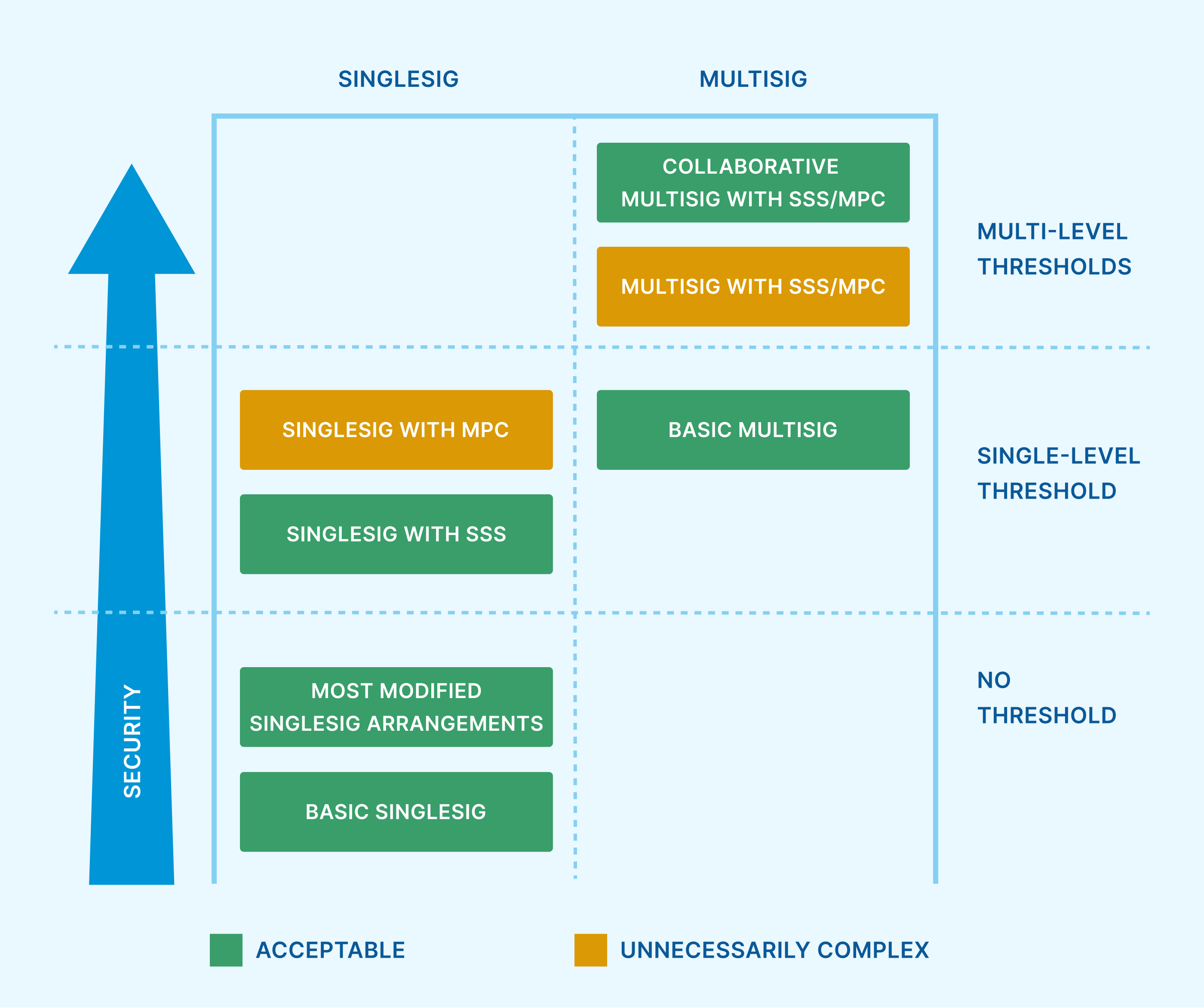
Conventional multisig contracts, like those popularized by Gnosis Safe or Argent, rely on m-of-n approvals where each signer submits an individual signature. This works well for basic access control but falters under sophisticated threats. For instance, if adversaries compromise fewer than the threshold number of keys, they gain nothing; however, in practice, on-chain visibility of owner lists invites social engineering or bribery. Solidity privacy encryption via threshold schemes addresses this by enabling confidential computations, ensuring that even partial collusions yield no exploitable secrets.
Decoding Threshold Cryptography Fundamentals
Threshold cryptography, rooted in secret sharing protocols like Shamir's, divides a master private key into n shares such that any t shares can reconstruct it, but t-1 reveal nothing. In the Ethereum context, this manifests as threshold signature schemes (e. g. , ECDSA variants) or encryption protocols where decryption requires collective effort. Unlike full reconstruction, modern proactive variants refresh shares periodically, thwarting long-term leaks.
For secure smart contract multisig, threshold encryption shines in scenarios demanding confidentiality, such as private auctions or shielded transfers. Imagine a DAO treasury where bids remain encrypted until a quorum decrypts the winning one collectively. This isn't mere theory; protocols like CGGMP21 offer universally composable security with identifiable aborts, allowing honest parties to detect and exclude misbehaving signers without halting operations.
Traditional Multisig vs. Threshold Signatures
| Feature | Traditional Multisig | Threshold Signatures |
|---|---|---|
| On-Chain Footprint | High: Stores owner list and requires multiple signatures or calldata on-chain | Low: Single compact signature, same size as standard ECDSA signature |
| Privacy | Lower: Reveals signer identities and partial signatures publicly | Enhanced: Hides individual contributions; only aggregate signature visible |
| Composability | Limited: Needs custom verification logic in contracts | High: Universally composable; works with any standard signature verifier |
| Identifiable Aborts | No: Hard to detect or penalize misbehaving parties | Yes: Protocols like CGGMP21 identify and exclude malicious participants |
| Efficiency | Lower: Multi-step (submit tx, collect sigs, execute) | Higher: Off-chain collaboration, single on-chain verification |
Why Threshold Outpaces Traditional Multisig
Threshold wallets eclipse multisig in five critical dimensions: reduced on-chain footprint, as no full signatures clutter the blockchain; enhanced quantum resistance through lattice-based alternatives; lower communication overhead via off-chain MPC ceremonies; superior key management without single points of custody; and built-in governance for dynamic owner rotations. Blockdaemon's analysis underscores how threshold schemes cut latency by 40-60% in signing rounds compared to sequential multisig confirmations.
Consider a corporate treasury holding millions in ETH: traditional multisig mandates all executives broadcast signatures publicly, leaking intent. Threshold encryption keeps transaction details obscured until execution, aligning with enterprise privacy mandates. Moreover, integration with Ethereum's account abstraction (E751) positions Ethereum threshold schemes as future-proof, enabling gas-efficient batch verifications via precompiles.
Deploying threshold encryption demands a hybrid architecture: off-chain for share generation and on-chain for verification. Begin with a factory contract deploying per-wallet instances, initializing owners and threshold t. Libraries like OpenZeppelin's ECDSA can bootstrap, but for threshold, leverage audited primitives or precompiles proposed in LP-5322.
A core contract might expose functions like proposeTransaction(bytes32 encryptedPayload, uint threshold), where signers submit partial shares off-chain, aggregated into a verifiable signature. MPC networks, such as those from Fireblocks or ZenGo, can orchestrate this, piping results to Solidity via callbacks. Precision matters: ensure additive secret sharing over secp256k1 to match Ethereum's curve.
Gas optimization is paramount. Threshold verification, clocking 200k-500k gas per sig, benefits from BLS precompiles (EIP-2537) for pairing checks, slashing costs by 70%. Real-world audits reveal that proactive resharing loops, triggered via timelocks, prevent share staleness, a pitfall in static multisig.
Proactive resharing not only bolsters long-term security but also accommodates membership changes, such as adding new signers without key migration ceremonies. This dynamic adaptability sets threshold encryption Solidity implementations apart from rigid multisig frameworks.
Hands-On: Building Your Threshold Multisig
Transitioning from theory to practice requires a structured rollout. Developers should prioritize modularity, separating the threshold logic into a verifiable library callable by the main wallet contract. This enables seamless upgrades via proxy patterns, a staple in production DeFi protocols.
Once deployed, the workflow unfolds predictably: an owner proposes an encrypted payload, signers contribute shares through an off-chain coordinator, and the contract verifies the aggregate signature before execution. This off-chain/on-chain synergy minimizes gas while maximizing privacy, a hallmark of sophisticated encrypted multi-sig wallets.
For concrete illustration, consider integrating with threshold ECDSA libraries like those audited for CGGMP21. The verifier contract processes partial signatures, outputting a valid ECDSA sig only if the threshold is met. Edge cases, such as signer dropout, trigger fallback modes like emergency pauses, ensuring operational continuity.
No cryptographic upgrade comes without hurdles. Chief among them is the oracle problem: how to securely relay off-chain aggregates to Solidity. Trusted MPC providers mitigate this, but decentralization purists favor on-chain aggregation via zero-knowledge proofs, albeit at higher gas premiums.
Another pitfall lies in entropy management. Poorly generated shares invite reconstruction attacks, underscoring the need for verifiable random functions (VRFs) during initialization. Ethereum's EIP-4444 could streamline this with historical data blobs for share storage, reducing costs for large owner sets.
Quantum threats loom, yet lattice-based threshold schemes like Dilithium offer post-quantum upgrades. Migrating existing wallets demands careful key rotation, best handled through timelocked multisig hybrids during transition phases. Audits from firms like Trail of Bits reveal that 80% of exploits stem from improper share handling, making formal verification tools indispensable.
| Challenge | Mitigation | Gas Impact |
|---|---|---|
| Off-chain coordination | MPC networks | Low |
| Share reconstruction risk | Proactive refresh | Medium |
| Quantum vulnerability | Lattice migration | High |
Threshold Encryption in Action: Use Cases
Beyond treasuries, Solidity privacy encryption empowers confidential DeFi primitives. Private lending pools encrypt borrow requests, decrypting only upon quorum approval. DAOs leverage it for shielded voting, where proposal details stay hidden until passage, curbing front-running.
Enterprises find value in cross-chain bridges, where threshold decryption gates asset releases without exposing custodians. Pair this with account abstraction, and wallets become programmable guardians, enforcing policies like spending limits via encrypted rules.
Empirical data from protocols like Safe underscores adoption: threshold-enhanced wallets see 3x fewer incidents than vanilla multisig. As Ethereum scales via danksharding, gas-efficient precompiles will democratize these tools, propelling secure smart contract multisig into mainstream governance.
Developers eyeing Ethereum threshold schemes should prototype on testnets, simulating adversarial conditions. Open-source contributions to libraries accelerate ecosystem maturity, fostering collective diligence. Ultimately, threshold encryption doesn't just secure funds; it redefines trust in code, paving the way for resilient decentralized systems where privacy is the default, not an afterthought.




No comments yet. Be the first to share your thoughts!