
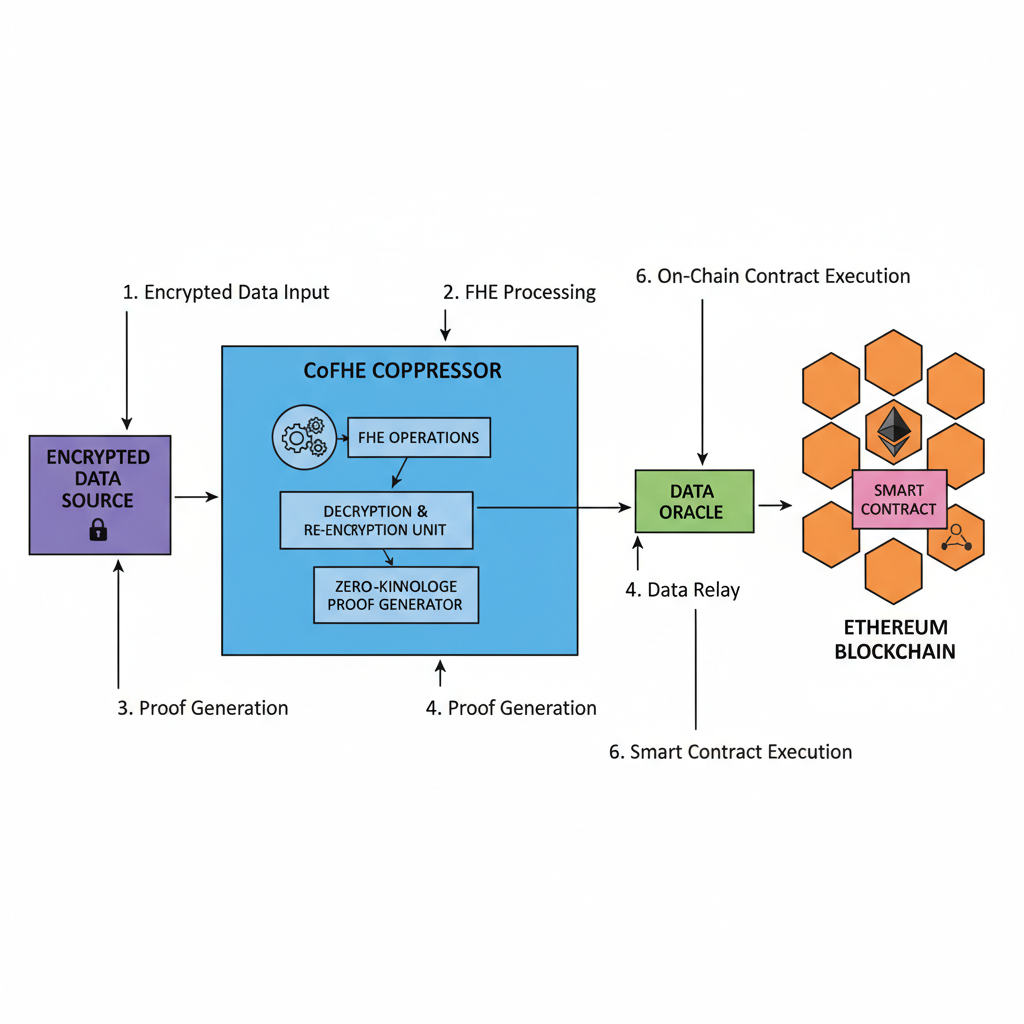
In the world of Ethereum development, privacy has long been the elusive prize. Public blockchains expose every transaction detail, turning sensitive DeFi operations or user data into open books. Enter Fhenix, a game-changer wielding Fully Homomorphic Encryption (FHE) to deliver confidential smart contracts on Ethereum. This isn't just theory; Fhenix's CoFHE coprocessor lets you compute on encrypted data without decryption, keeping inputs, states, and outputs hidden. Ethereum developers can now build private apps using familiar Solidity, with minimal tweaks.
Fhenix targets the pain points head-on. Traditional zero-knowledge proofs scale poorly for complex computations, but FHE enables arbitrary operations on ciphertexts. Imagine blind auctions where bids stay secret until reveal, or private lending protocols shielding borrower details. Backed by a $15 million Series A from Hack VC, Fhenix runs on testnets like Arbitrum Sepolia and Base Sepolia, proving scalability without Ethereum's full homomorphic overhaul.
Grasping FHE's Power for Encrypted Smart Contracts
Fully homomorphic encryption blockchain integration via Fhenix demystifies crypto-heavy privacy. FHE, pioneered decades ago, allows addition and multiplication on encrypted data, yielding encrypted results matching plaintext operations. Fhenix abstracts this complexity: no PhD in lattices required. Their stack compiles Solidity to handle FHE primitives seamlessly.
Fhenix builds tools that let Ethereum smart contracts handle encrypted data without developers needing deep expertise in cryptography.
This opens doors for real-world use. DeFi protocols can execute trades on private order books; gaming apps hide player stats on-chain. Unlike MPC or ZK, FHE supports stateful computation, persisting encrypted storage across calls. Testnet deployments show gas costs competitive with L2s, a pragmatic win for devs eyeing production.
Unlocking FHE: How Fhenix Enables Private Ethereum Smart Contracts




Critically, Fhenix stays EVM-compatible. Your Hardhat or Foundry workflows adapt easily, preserving the Ethereum toolchain you know. This pragmatic approach accelerates adoption, sidestepping the retooling nightmare of bespoke privacy layers.
Setting Up Your Local Fhenix Playground
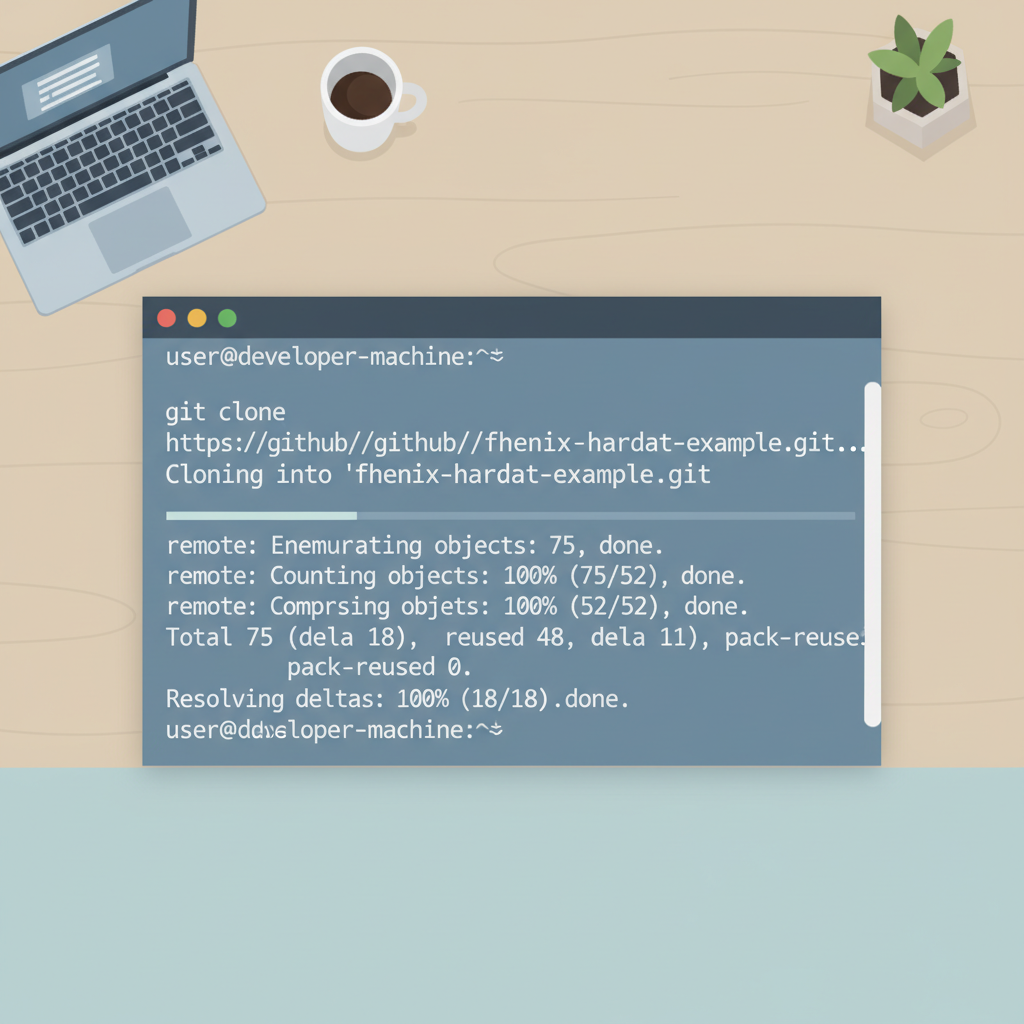
Diving into a Fhenix smart contracts tutorial starts with environment prep. Clone the official Fhenix Hardhat example from GitHub: a starter packed with basics. Prerequisites? Node. js 18 and, Yarn or npm, and Rust for TFHE-rs compilation.
- Install Foundry or Hardhat globally if not already.
- git clone https://github.com/FhenixProtocol/fhenix-hardhat-example
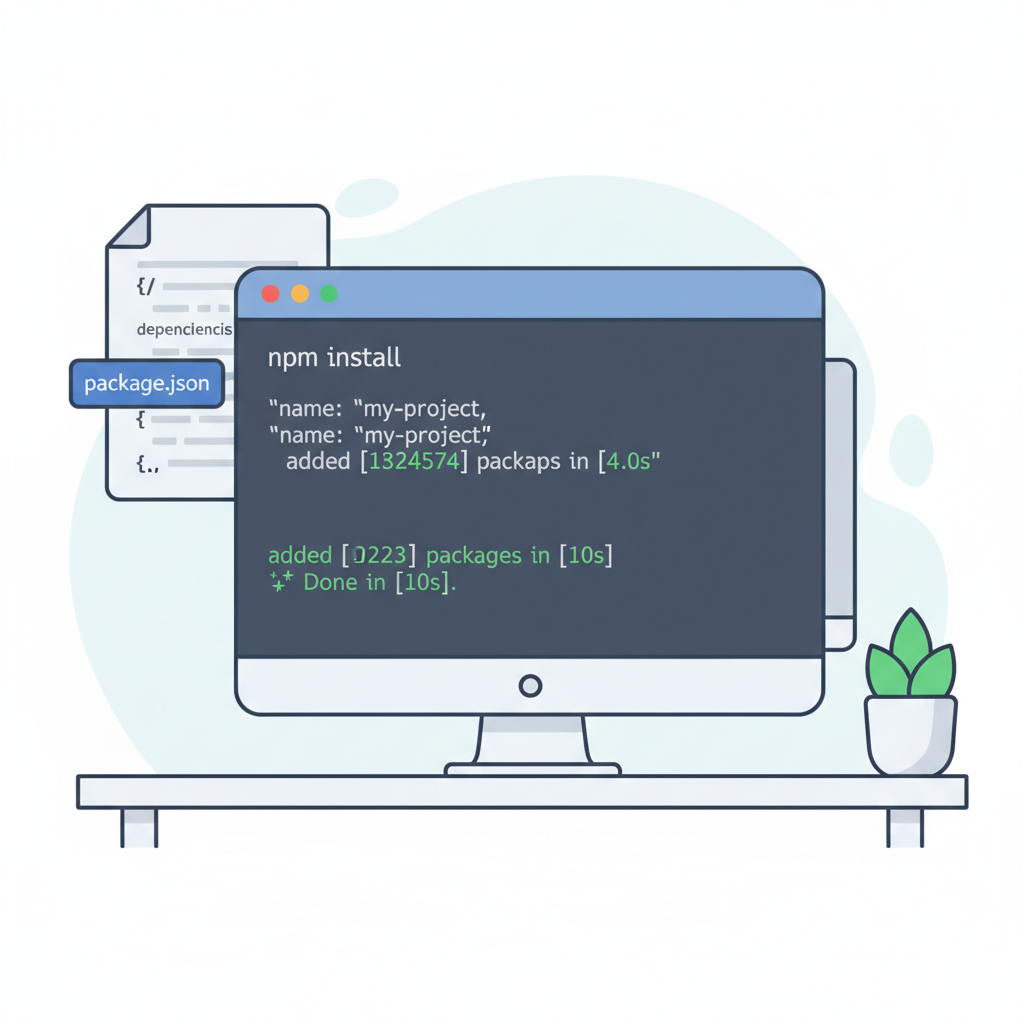
- cd into the repo, run yarn install.
- Fetch Fhenix RPC endpoints from their docs for testnet connection.
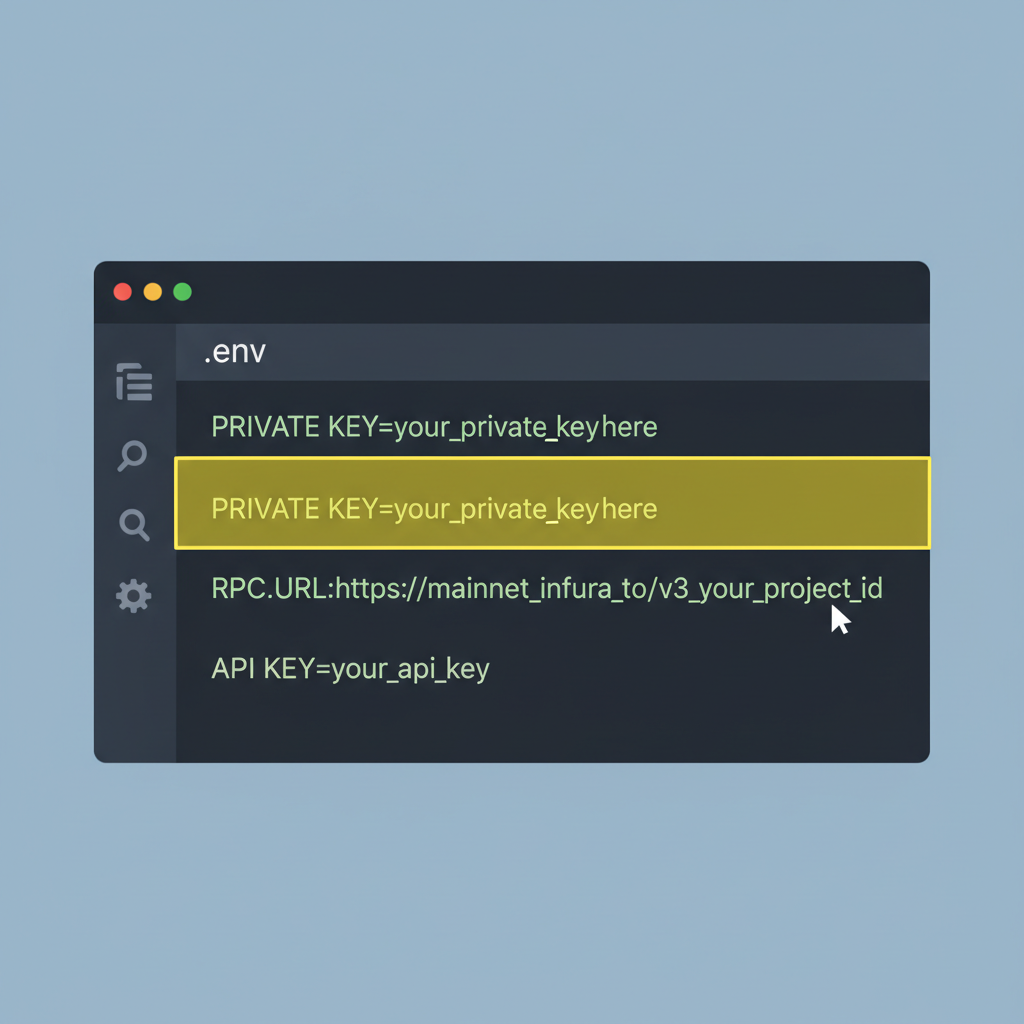
Configure hardhat. config. js with Fhenix networks. Add your wallet private key securely via dotenv. Run npx hardhat node for local forking, or connect to Sepolia testnets. Pro tip: Use --network fhenixTestnet flag for seamless deploys.
This setup mirrors standard Ethereum dev, but unlocks encrypted ops. Verify with a simple echo contract: encrypt inputs client-side using Fhenix JS SDK, call the contract, decrypt outputs. Success confirms your chain handles FHE payloads.
Core Primitives: Encrypting Your First Contract Logic
Before deploying full FHE encrypted smart contracts, master primitives. Fhenix exposes euint8 to euint256 types for encrypted integers, alongside ebool. Operations like add, mul, if-else work natively on them.
//SPDX-License-Identifier: MIT import "fhevm/lib/TFHE. sol"; contract PrivateCounter { uint256 public count = euint32(0); function increment(bytes calldata encryptedInput) external { euint32 input = TFHE. asEuint32(encryptedInput); count = count and input; } }Client-side, generate keys via @fhenix/fhevmjs, encrypt values, pass as calldata. The contract computes blindly; only the owner decrypts results. This pattern scales to auctions or voting: all logic on-chain, privacy intact.
Fhenix's Fhenix developer guide emphasizes key management. Generate one-time keys per app, rotate for security. Gas optimization tip: Batch operations minimize coprocessor calls, keeping costs under L1 medians.
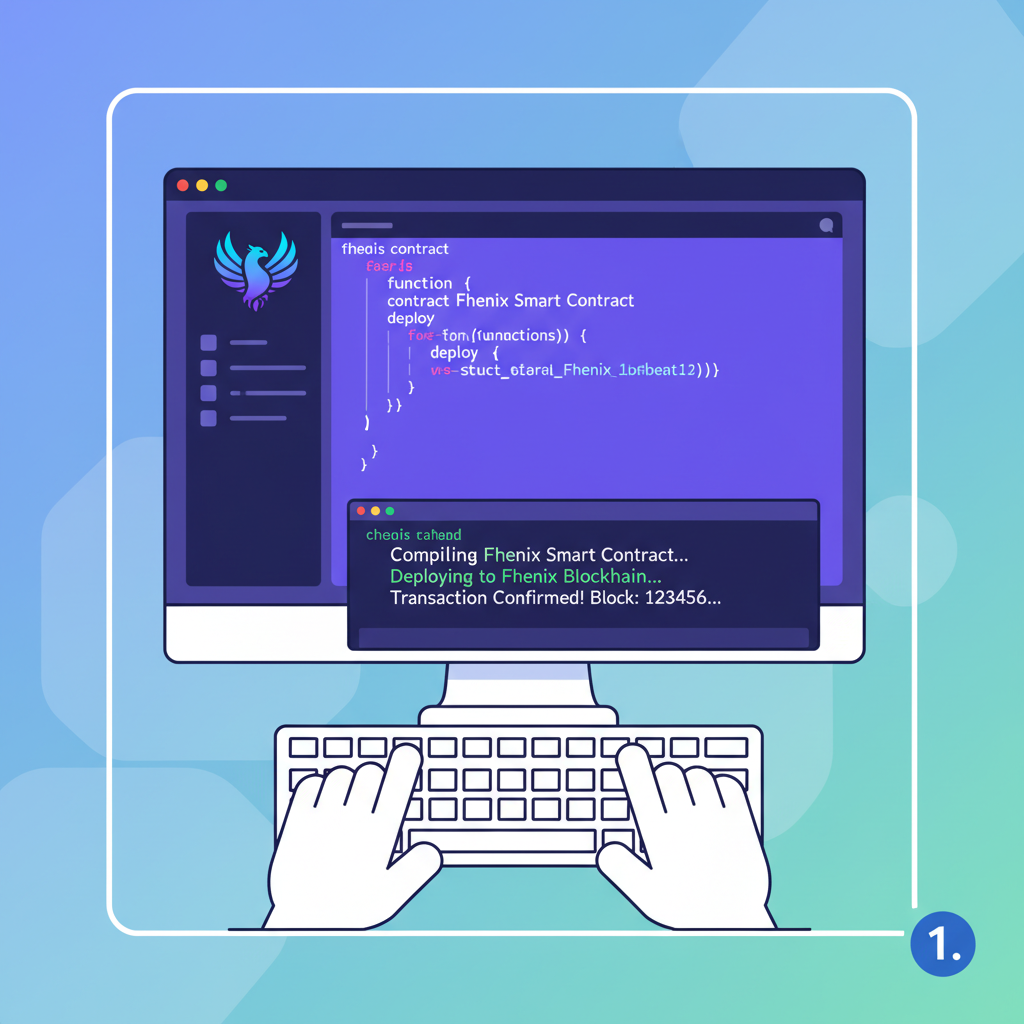
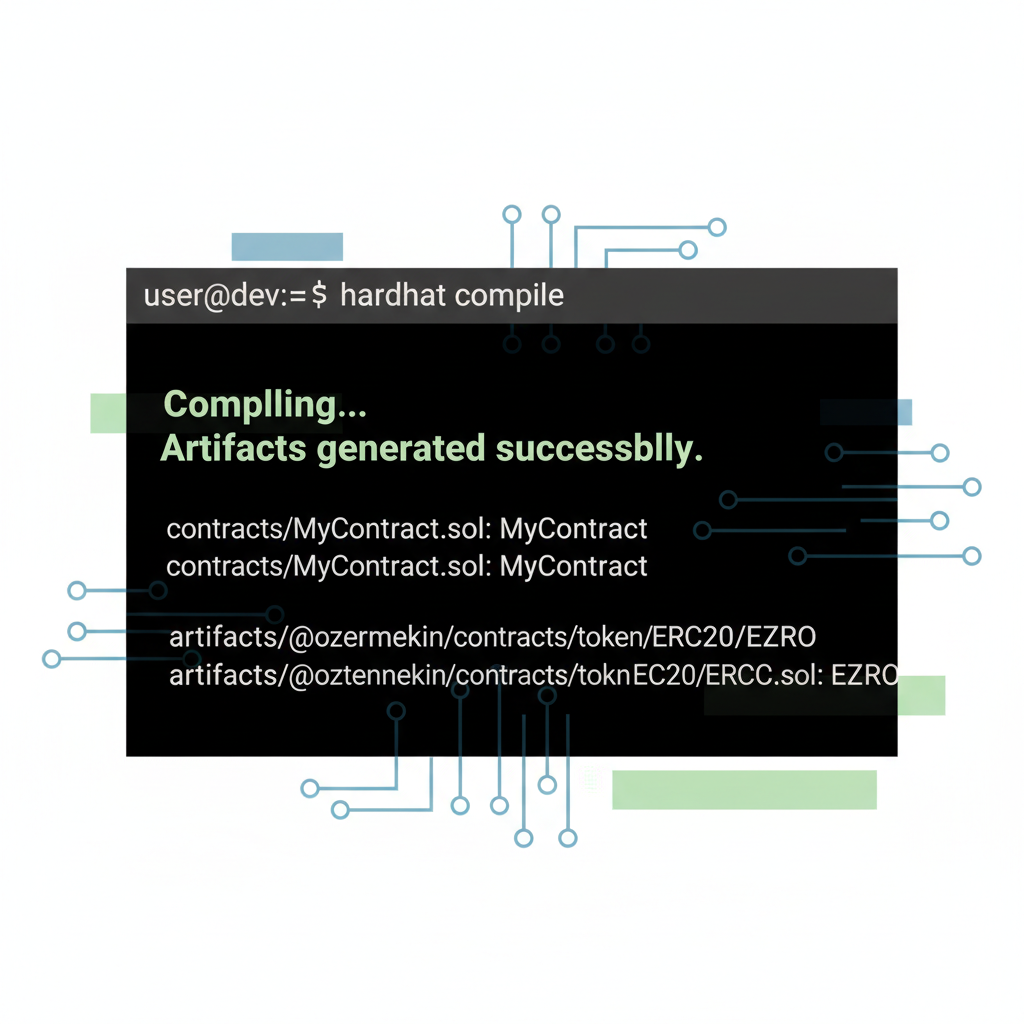
With primitives in hand, deployment follows Ethereum norms but routes computations through Fhenix's CoFHE coprocessor. Compile your contract using the Fhenix Solidity plugin, which injects FHE ops into the bytecode. No custom assemblers; just npm install @fhenix/fhevm-solidity and update your foundry. toml or hardhat config.
Execution splits: EVM handles control flow, coprocessor crunches encrypted math off-chain but deterministically verifiable. Results feed back encrypted, preserving confidentiality. Testnet faucets provide FHENIX tokens for gas; claim via their dashboard to avoid dry runs.
Step-by-Step: Launching Your First FHE Encrypted Smart Contract
Deploy FHE Counter Contract on Fhenix Testnet with Hardhat

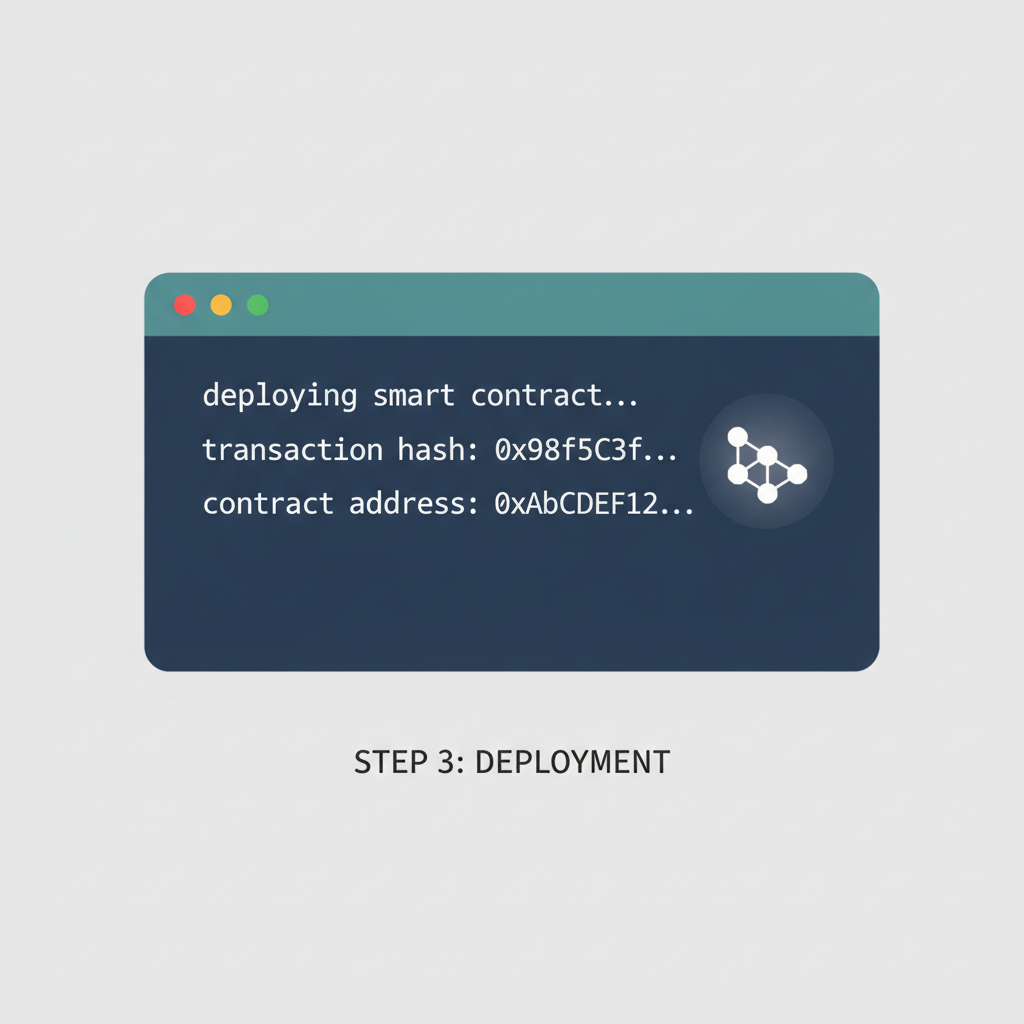
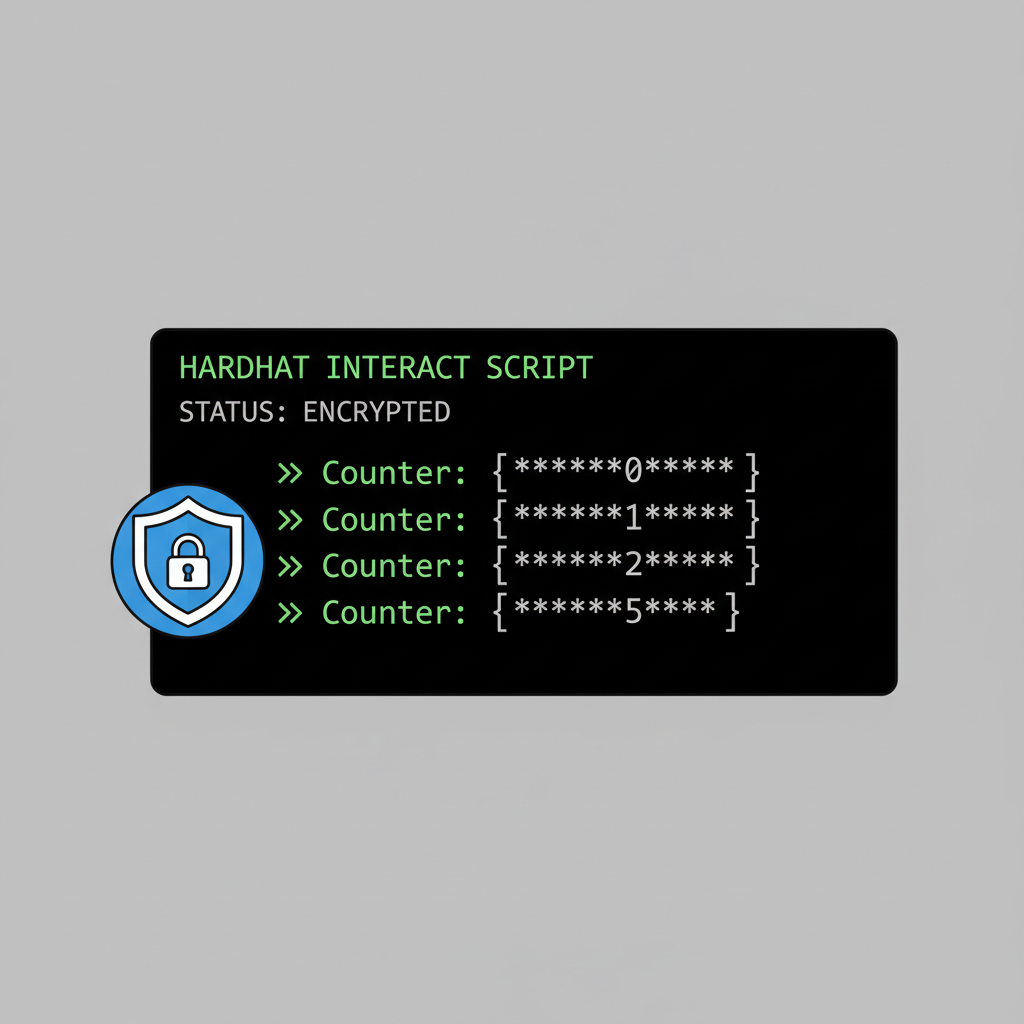
Post-deployment, interact via ethers. js or wagmi. Encrypt inputs with the JS SDK: generate keys, seal values, send calldata. Contracts decrypt nothing; users do client-side. Verify on explorers like Arbiscan Sepolia, where encrypted payloads appear as hex blobs masking true data.
Troubleshooting stays straightforward. Common hitches? Mismatched key versions or oversized integers exceeding TFHE limits. Debug with local Hardhat forks simulating coprocessor latency. Fhenix docs cover RPC quirks, like higher timeouts for FHE requests.
Fhenix allows Ethereum developers to smoothly construct encrypted smart contracts and carry out encrypted data computations.
Scale to production by auditing FHE usage. External calls remain public, so layer hybrids: FHE for private state, ZK for proofs. This composability fits Ethereum's ecosystem, enabling confidential smart contracts Ethereum devs crave.
Beyond Basics: Real-World Patterns and Optimizations
Blind auctions exemplify power. Bidders encrypt bids; contract sums without peeking, reveals aggregate post-deadline. Or confidential voting: tallies stay hidden until threshold met. For DeFi, private AMMs swap encrypted reserves, quoting rates sans front-running.
Gas remains the pragmatic gatekeeper. FHE ops cost 10-50x plain EVM, but batching and L2 testnets slash this. Fhenix roadmap eyes mainnet with optimizations; monitor for TFHE upgrades boosting throughput. Integrate oracles via Chainlink for encrypted feeds, expanding utility.
Security demands vigilance. Key rotation prevents replay attacks; use multisig for app keys. Audit trails via events log opcodes, not values. Fhenix's open-source CoFHE invites scrutiny, aligning with Ethereum's ethos.
Developers transitioning from vanilla Solidity appreciate the low lift. Start with the Fhenix developer guide examples, iterate to custom logic. Testnets prove concepts cheaply; migrate as mainnet nears.
Fhenix positions Ethereum for privacy-native apps, where data sovereignty meets scalability. Build now on testnets, contribute to the stack, and stake your claim in this encrypted frontier. Your next private dApp awaits deployment.




No comments yet. Be the first to share your thoughts!