Post-quantum cryptography 2026 limits to account for
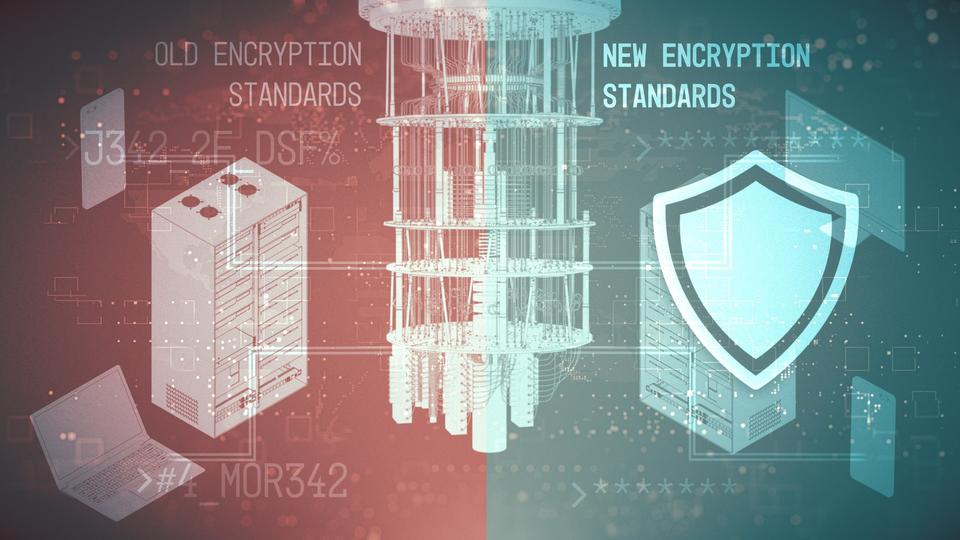
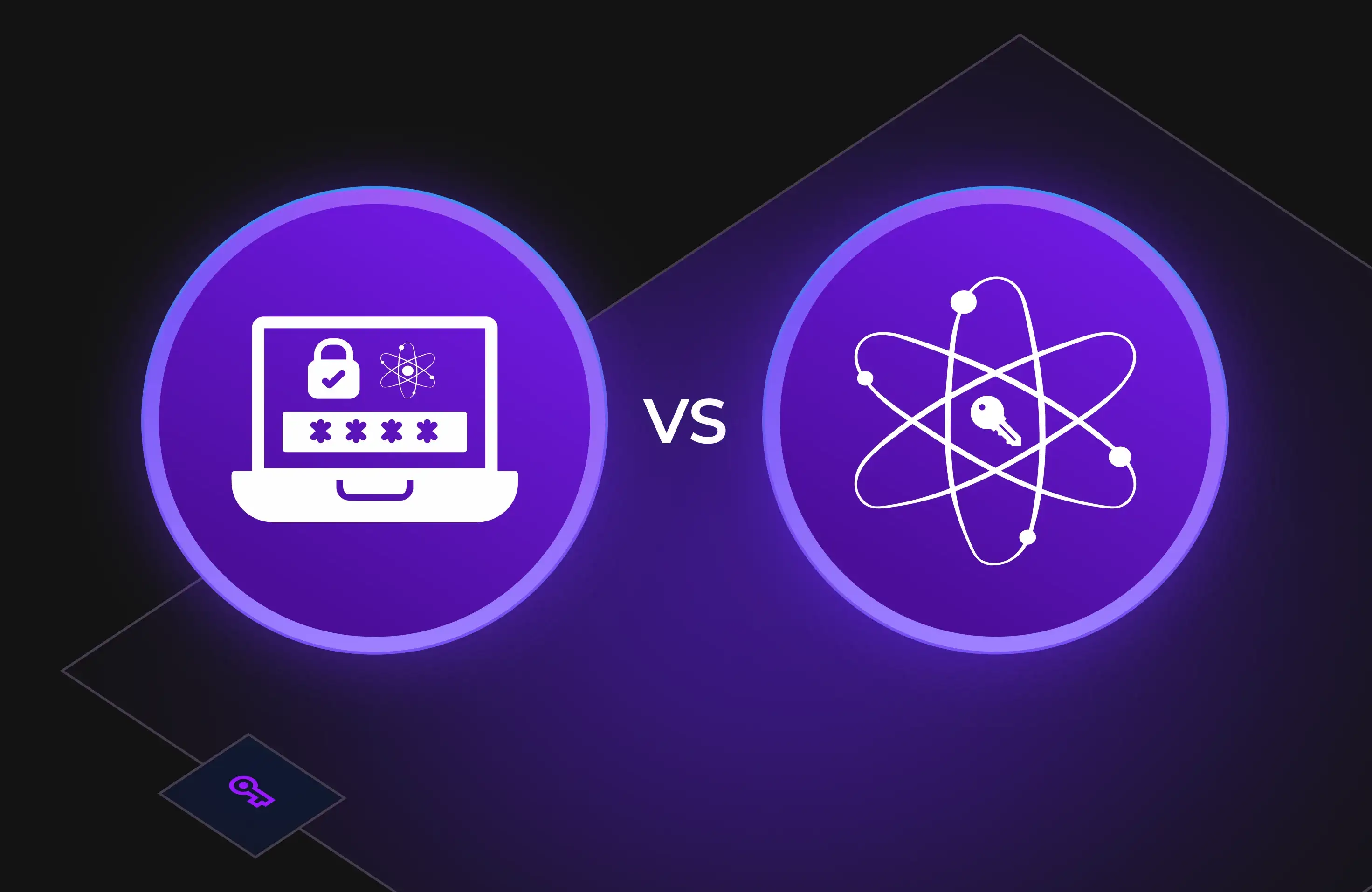
By 2026, post-quantum cryptography (PQC) has moved from theoretical research to a hard constraint for asset security. The National Institute of Standards and Technology (NIST) finalized its first set of standards in 2024, including ML-KEM (formerly CRYSTALS-Kyber) for key encapsulation and ML-DSA (formerly CRYSTALS-Dilithium) for signatures. These algorithms are now the baseline for securing digital assets against quantum threats.
The primary risk is "harvest now, decrypt later." Adversaries are collecting encrypted data today, storing it, and waiting for quantum computers to become powerful enough to break current encryption. In 2026, this threat is no longer hypothetical. Systems handling long-lived sensitive data—such as financial records, intellectual property, and identity credentials—must already be migrating to post-quantum standards to remain secure.
This shift is not just for mathematicians or defense specialists. It is a practical requirement for anyone managing digital assets. The transition involves updating cryptographic libraries, reconfiguring protocols, and ensuring backward compatibility with older systems. The cost of inaction far exceeds the effort of migration, as the window to protect data before quantum breakthroughs is closing rapidly.
Post-quantum cryptography 2026 choices that change the plan
Use this section to make the Post-Quantum Crypto decision easier to compare in real life, not just on paper. Start with the reader's actual constraint, then separate must-have requirements from details that are merely nice to have.
A practical choice should survive normal use, maintenance, timing, and budget. If a recommendation only works in an ideal situation, call that out plainly and give the reader a fallback path.
| Factor | What to check | Why it matters |
|---|---|---|
| Fit | Match the option to the primary use case. | A good deal still fails if it does not fit the job. |
| Condition | Verify age, wear, and service history. | Hidden condition issues erase upfront savings. |
| Cost | Compare purchase price with likely upkeep. | The cheapest option is not always the lowest-cost option. |
Choose the next step
Post-Quantum Crypto works best as a clear sequence: define the constraint, compare the realistic options, test the tradeoff, and choose the path with the fewest hidden costs. That order keeps the advice usable instead of decorative.
After each step, pause long enough to check whether the recommendation still fits the reader's actual situation. If it depends on perfect timing, unusual access, or a best-case budget, include a simpler fallback.

Avoid the weak options
Use this section to make the Post-Quantum Crypto decision easier to compare in real life, not just on paper. Start with the reader's actual constraint, then separate must-have requirements from details that are merely nice to have.
A practical choice should survive normal use, maintenance, timing, and budget. If a recommendation only works in an ideal situation, call that out plainly and give the reader a fallback path.
The simplest way to use this section is to write down the must-have criteria first, then compare each option against those criteria before weighing nice-to-have features.
Post-quantum cryptography 2026: what to check next
Is post-quantum crypto already live in 2026? Yes. NIST standardized its first algorithms in 2024, and major cloud providers began integrating them into TLS 1.3 stacks in 2025. By 2026, you can find hybrid TLS handshakes on major sites, though full rollout across all infrastructure is still underway.
Which algorithms should I trust? Stick to NIST standards. The primary suite includes ML-KEM (key exchange), ML-DSA (signatures), and SLH-DSA (stateless signatures). These are the only algorithms that have survived the rigorous multi-year peer review process and are considered production-ready.
Do I need to replace my hardware now? Not immediately. Most existing CPUs can handle post-quantum operations, though you may see higher latency during initial connections. The real risk is data harvested today and decrypted later; if your data doesn’t need long-term secrecy, the urgency is lower.
How do I verify a provider’s readiness? Check their documentation for "hybrid" certificates. If a provider lists both classical (ECDSA) and post-quantum (ML-KEM) curves in their handshake, they are actively mitigating quantum risks. Avoid vendors that only mention "crypto-agility" without concrete implementation details.
No comments yet. Be the first to share your thoughts!