Post-quantum cryptography 2026 limits to account for
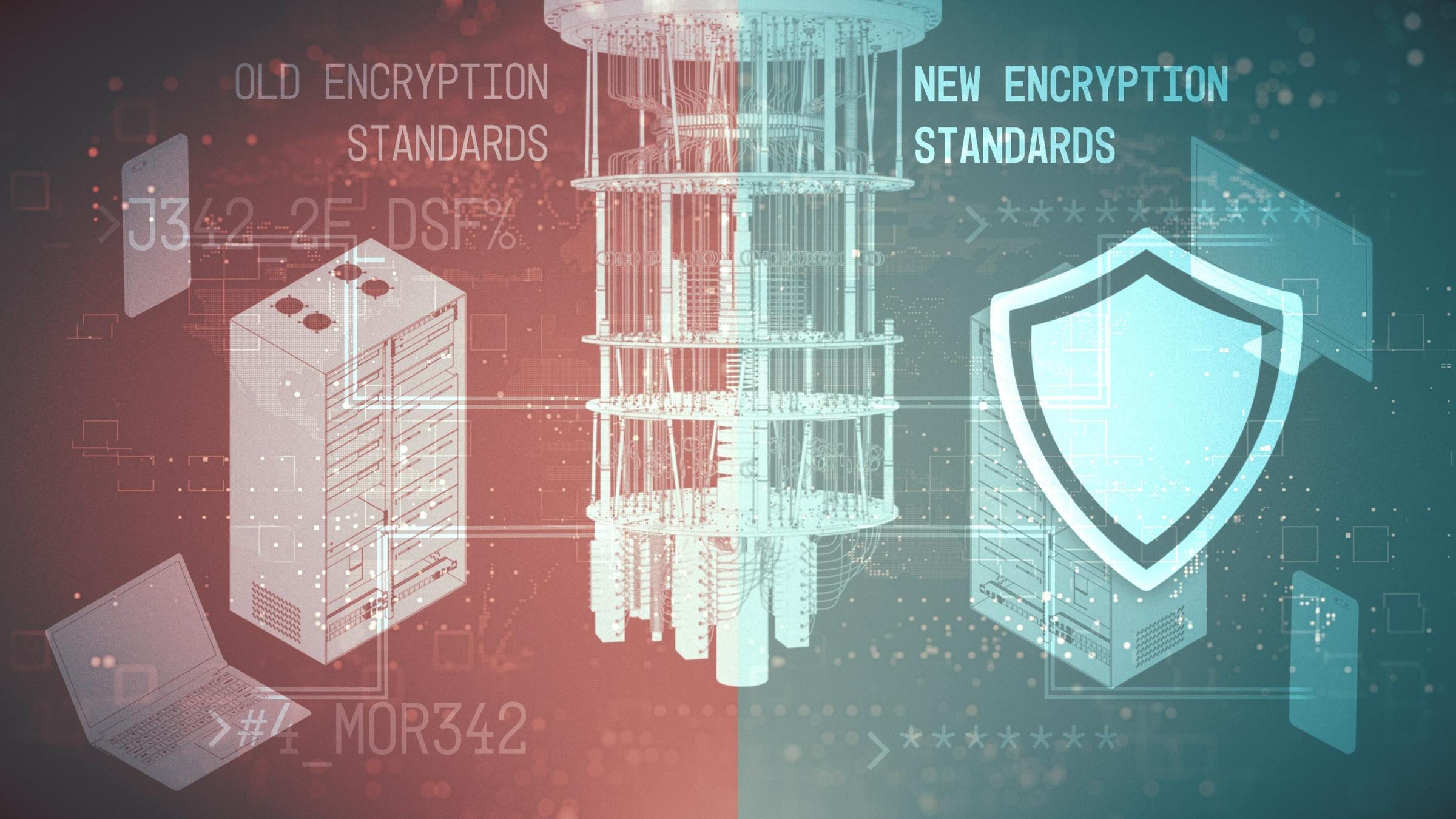
By 2026, post-quantum cryptography (PQC) has shifted from theoretical research to a practical necessity. The threat is no longer abstract; it is driven by the reality of quantum computing advances that can break traditional encryption methods. This shift creates a critical constraint for securing crypto assets and financial data.
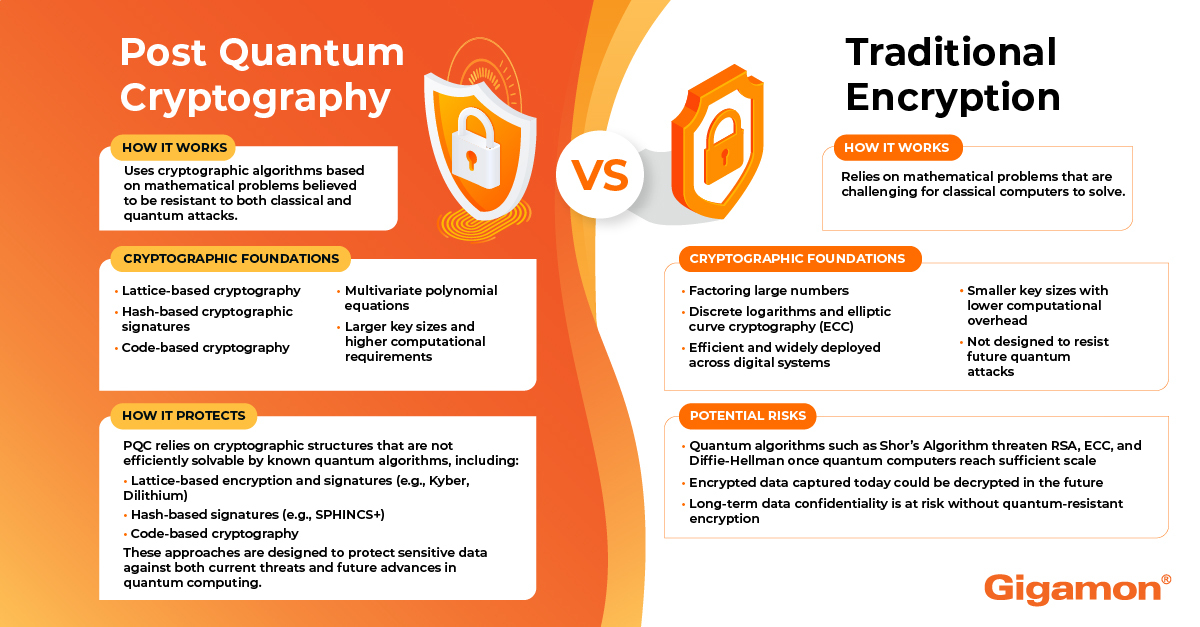
The primary concern is "harvest now, decrypt later." Adversaries are already collecting encrypted data today, anticipating that future quantum computers will be able to decrypt it. This means that sensitive financial transactions and crypto holdings encrypted with current standards are vulnerable, even if the quantum threat is not yet fully realized. The urgency lies in protecting data that must remain secure for years to come.
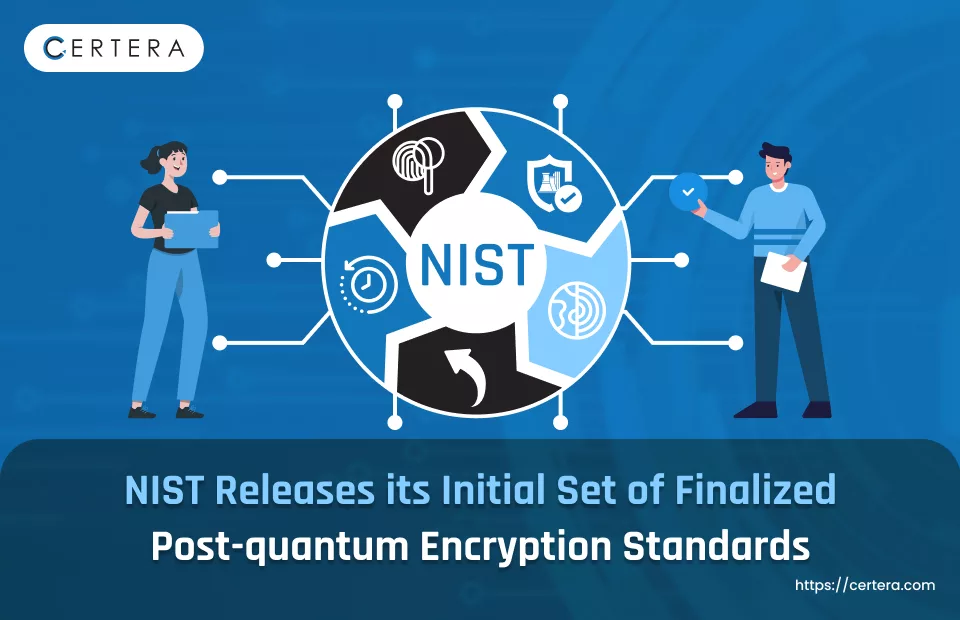
NIST's finalized algorithms provide the foundation for this transition. These standards, including CRYSTALS-Kyber and CRYSTALS-Dilithium, offer a robust defense against quantum attacks. However, implementing these standards is complex. It requires updating infrastructure, retraining personnel, and ensuring compatibility with existing systems. The constraint in 2026 is not just about having the right algorithms, but about executing the migration effectively and securely.
The landscape is evolving rapidly. New threats and vulnerabilities are being identified, requiring continuous monitoring and adaptation. Financial institutions and crypto asset holders must stay informed about the latest developments in PQC. This includes understanding the trade-offs between security, performance, and cost. The goal is to build a resilient system that can withstand both current and future threats.
Post-quantum cryptography 2026 choices that change the plan
Adopting NIST’s finalized algorithms means balancing security strength against operational cost. In 2026, the transition is no longer theoretical; it is a logistical challenge defined by how these new standards interact with your existing infrastructure. You must evaluate key sizes, signature performance, and memory footprint to avoid bottlenecks in high-frequency crypto asset trading.
The primary tension lies between the most secure lattice-based schemes and those optimized for speed. Standard algorithms like ML-KEM (Kyber) and ML-DSA (Dilithium) offer robust protection but introduce larger data payloads. This increase in key and signature size can impact bandwidth and storage, particularly for wallets and nodes with limited resources.
| Algorithm Family | Primary Use Case | Key/Signature Size | Performance Impact |
|---|---|---|---|
| ML-KEM (Kyber) | Key Encapsulation | ~1.2 KB | Moderate latency increase |
| ML-DSA (Dilithium) | Digital Signatures | ~2.5 KB | Higher CPU usage for signing |
| SLH-DSA (SPHINCS+) | Long-term Archives | ~40-60 KB | Very slow signing; fast verification |
For crypto assets, signature speed often dictates user experience. Slower signing times can delay transaction propagation, which is critical during volatile market conditions. However, for long-term cold storage, the massive signature size of hash-based schemes like SLH-DSA may be an acceptable tradeoff for their unique security properties, such as resistance to side-channel attacks.
| Factor | Lattice (ML-KEM/DSA) | Hash (SLH-DSA) |
|---|---|---|
| Security Margin | High | Very High |
| Signature Size | Medium | Very Large |
| Signing Speed | Fast | Slow |
| Implementation Maturity | Standardized | Niche |
How to choose the right post-quantum encryption standard
NIST’s finalization of post-quantum cryptography (PQC) standards shifts the debate from theoretical risk to immediate compliance. For crypto asset holders and infrastructure providers, the priority is identifying which algorithm fits your specific threat model and technical constraints. The decision rests on balancing security margins against performance costs.
1. Prioritize ML-KEM for general encryption
For most use cases involving key encapsulation and secure data transmission, ML-KEM (formerly Kyber) is the primary recommendation. It offers a robust balance of security and speed, making it suitable for securing API connections and wallet communications. ML-KEM’s smaller key sizes compared to earlier candidates reduce bandwidth overhead, which is critical for mobile and high-frequency trading environments.
2. Select ML-DSA for digital signatures
When signing transactions or verifying identity, ML-DSA (formerly Dilithium) provides the necessary security level for most applications. It is designed to be efficient on standard hardware, ensuring that signing operations do not introduce noticeable latency. For high-throughput blockchain networks, ML-DSA’s predictable performance makes it a safer default than lattice-based alternatives with larger signature footprints.
3. Consider SLH-DSA for long-term archival
SLH-DSA (formerly SPHINCS+) is a stateless hash-based signature scheme that offers a different security proof than lattice-based methods. While its signatures are significantly larger and slower to generate, it is ideal for signing critical, long-lived records like cold storage recovery documents. Use SLH-DSA where you need a distinct mathematical foundation to hedge against unforeseen attacks on lattice structures.
| Algorithm | Primary Use | Key Tradeoff |
|---|---|---|
| ML-KEM | Key Encapsulation | Best balance of speed and security |
| ML-DSA | Digital Signatures | Efficient for high-throughput signing |
| SLH-DSA | Long-term Signatures | Large signature size, distinct security proof |
Watch Out for Weak Post-Quantum Options
Not all "post-quantum" claims hold up against quantum computing timelines. Several legacy hybrid schemes rely on algorithms NIST has explicitly deprecated or flagged as inefficient. Before migrating crypto assets, verify that your provider uses only the finalized standards: CRYSTALS-Kyber (ML-KEM) for key exchange and CRYSTALS-Dilithium (ML-DSA) for signatures.
Beware of vendors marketing proprietary "quantum-resistant" protocols that lack independent peer review. These often use lattice-based variants with known vulnerabilities or excessive key sizes that slow transaction speeds. Check for official NIST certification or clear references to FIPS 203/204. If the documentation avoids naming the specific algorithm, treat it as a red flag.
Also, watch for "hybrid" implementations that combine PQC with weak classical ciphers like ECC-256. While hybridization is a valid strategy, it only protects you as long as the classical component remains secure. If the classical layer is outdated, the entire system is vulnerable. Stick to providers who prioritize the new NIST standards over legacy compatibility.
Post-quantum cryptography 2026: what to check next
Is post-quantum encryption already mandatory for crypto assets? No. While NIST has standardized algorithms like ML-KEM and ML-DSA, there is no immediate legal mandate for private crypto holders or exchanges to migrate. However, the U.S. government’s Executive Order 14412 (June 2026) accelerates adoption for federal systems, signaling that financial infrastructure will likely follow closely.
Will my existing crypto wallets become useless? Not immediately. Current elliptic-curve signatures (like ECDSA) remain secure against today’s classical computers. The risk is "harvest now, decrypt later," where attackers steal encrypted data today to decrypt it once quantum computers are powerful enough. Migration is a long-term infrastructure project, not an emergency switch.
How do I know if my wallet provider is quantum-resistant? Look for support of NIST PQC standards (FIPS 203, 204, 205) or hybrid schemes that combine classical and post-quantum algorithms. Major wallet developers are currently in testing phases. Check their official documentation or changelogs for mentions of "ML-KEM" (Kyber) or "ML-DSA" (Dilithium) integration.
What is the biggest risk of migrating too early? Performance and compatibility. Post-quantum keys and signatures are significantly larger than classical ones, which can slow down transactions and increase storage costs. Migrating before standards are fully stabilized risks building on algorithms that might be refined or deprecated, wasting development resources.
No comments yet. Be the first to share your thoughts!