The 2026 post-quantum cryptography limits to account for
Post-quantum cryptography (PQC) has moved from theoretical mathematics to a concrete infrastructure requirement. In 2026, the transition is no longer a niche concern for defense specialists; it is a primary constraint for securing crypto assets and financial data. The urgency stems from "harvest now, decrypt later" attacks, where adversaries collect encrypted data today to unlock it once quantum computers become viable.
This year marks a pivotal milestone: the 10-year anniversary of the NIST Post Quantum Cryptography Standardisation Project. While the initial standards were published in 2024, 2026 sees the widespread integration of these algorithms into enterprise systems. The focus has shifted from algorithm selection to implementation and crypto-agility—the ability to swap cryptographic primitives without rebuilding entire systems.
Browser support has accelerated this shift. Modern versions of Chrome and Edge automatically attempt hybrid TLS key exchange, combining classical algorithms like X25519 with post-quantum ML-KEM when connecting to compatible servers. This hybrid approach ensures that if the post-quantum algorithm is compromised, the classical layer still protects the connection.
The technical community continues to refine these standards at major events like PQCrypto 2026, held in Saint-Malo, France. As quantum computing capabilities advance, the window to migrate legacy systems narrows, making 2026 a critical year for asset protection strategies.
Post-quantum cryptography 2026 choices that change the plan
Transitioning to post-quantum cryptography (PQC) in 2026 requires balancing security gains against immediate operational costs. The primary tension lies between algorithmic performance, key size, and implementation complexity. While NIST standards offer a baseline, the real-world impact on crypto asset infrastructure depends on how these tradeoffs affect your specific stack.
The most significant tradeoff involves ciphertext and public key sizes. Lattice-based algorithms like ML-KEM (formerly CRYSTALS-Kyber) generally offer faster performance but larger keys than classical counterparts. This increases bandwidth usage and storage requirements, which can be critical for high-frequency trading systems or IoT-based hardware wallets. Conversely, hash-based signatures like SPHINCS+ are stateless and highly secure but produce significantly larger signatures, impacting transaction throughput.
Implementation complexity is another hidden cost. Hybrid key exchanges, which combine classical algorithms (like X25519) with PQC algorithms, provide a safety net against both quantum and classical attacks. However, they require careful integration to ensure backward compatibility. Most modern browsers, including Chrome and Edge, now support hybrid TLS key exchanges automatically, signaling that the industry is already adapting to these larger payloads.
| Algorithm Family | Key Size Impact | Performance | Best For |
|---|---|---|---|
| Lattice (ML-KEM) | Moderate increase | High speed | General encryption, TLS |
| Hash (SPHINCS+) | Large increase | Slower signing | Long-term archival, stateless needs |
| Code (BIKE) | High increase | Variable | Niche high-security scenarios |
| Multivariate | Very large | Slow | Specific signature use cases |
The decision to adopt PQC should not be driven solely by compliance but by risk tolerance. For crypto assets, the cost of a breach far outweighs the marginal increase in bandwidth or compute. Start by identifying critical paths where key exchange or signing occurs, and evaluate whether hybrid approaches offer sufficient protection without degrading user experience.
| Factor | Impact on Crypto Assets | Mitigation Strategy |
|---|---|---|
| Key Size | Higher bandwidth and storage costs | Use hybrid modes to balance size and security |
| Signature Size | Increased transaction fees and latency | Optimize batching and use efficient algorithms like ML-DSA |
| Implementation Risk | Potential bugs in new cryptographic code | Rely on audited libraries and NIST-certified implementations |
Choose the next step: Turn the research into a practical decision framework
Post-quantum cryptography has moved from academic theory to operational necessity. In 2026, the transition is no longer a niche concern for mathematicians but a core component of crypto asset security. The following framework helps you prioritize actions based on your specific risk profile and technical infrastructure.
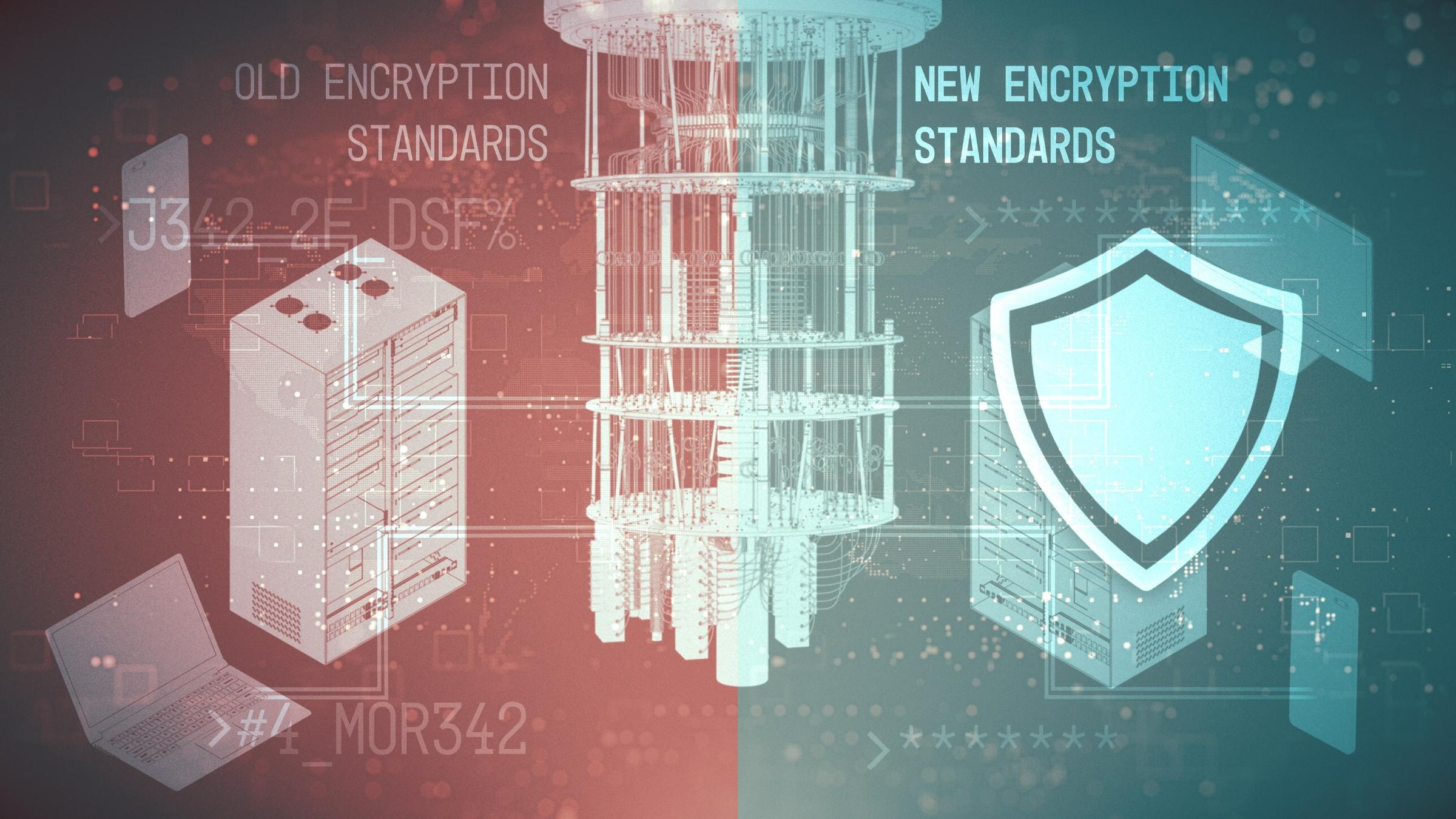
Map every instance of public-key cryptography across your systems. Identify where legacy algorithms like RSA or ECDSA are used for key exchange, digital signatures, or certificate validation. This inventory is your baseline for determining which components require immediate migration to post-quantum standards.

Modern browsers like Chrome and Edge already support hybrid TLS key exchange, combining classical algorithms with post-quantum options like ML-KEM. Enable these settings on your servers to provide immediate protection against future quantum threats without breaking compatibility with current clients. This "crypto-agility" approach ensures you are protected even if a single algorithm is compromised.

2026 marks a pivotal milestone with the 10th anniversary of the NIST Post-Quantum Cryptography Standardisation Project. Keep track of the final publication of additional standards beyond the initial FIPS 203, 204, and 203a suite. These updates will refine the algorithms you should adopt for long-term security, particularly for digital signatures and key encapsulation.
Quantum computers will not only break encryption but also potentially decrypt stored data if it was intercepted and saved. Implement post-quantum encryption for data at rest, especially for sensitive crypto asset keys and private wallets. Ensure your key management systems support the new algorithmic standards to prevent future vulnerability.
Avoid Weak Options
Not every "post-quantum" label protects your crypto assets. Several algorithms lack sufficient security margins, and some implementations introduce new vulnerabilities. Before migrating, verify that your provider uses NIST-standardized algorithms like ML-KEM (Kyber) or ML-DSA (Dilithium). Avoid legacy hybrid schemes that rely on untested or deprecated components.
Beware of vendors claiming "quantum resistance" without specifying the underlying algorithm. True security requires transparency and third-party audits. Check if the solution supports crypto-agility, allowing you to switch algorithms as standards evolve. Relying on a single, unverified solution is a critical mistake that could leave your assets exposed to future quantum attacks.
Post-quantum cryptography 2026: what to check next
Crypto asset holders face a specific timeline for cryptographic obsolescence. The following answers address the immediate practical concerns regarding standards, browser support, and industry events.
The transition period creates a unique risk window. Until hybrid protocols become universal, relying solely on legacy RSA or ECDSA encryption for long-term asset storage remains vulnerable to "harvest now, decrypt later" attacks.
No comments yet. Be the first to share your thoughts!