
Ethereum’s transparency is a double-edged sword: while it offers verifiability and trustlessness, it exposes sensitive user and business data to public scrutiny. For enterprises and privacy-focused users, this is a non-starter for many real-world applications. End-to-end encrypted smart contracts are emerging as the strategic solution, enabling confidential transactions on Ethereum without sacrificing the security guarantees of public blockchains.
The Strategic Imperative for Confidential Transactions on Ethereum
From DeFi protocols managing millions to enterprise supply chains, confidentiality is not just a feature, it's a requirement. Without robust privacy, competitors can reverse-engineer business logic, regulators may balk at sensitive data exposure, and users risk losing control over their financial lives. The market’s response? A surge in research and development around privacy smart contract implementation, with several architectural innovations now available to developers.
"Patience and prudence pave the way to sustainable returns. "
Core Technologies Powering Encrypted Contract Development
The current landscape for implementing end-to-end encrypted smart contracts on Ethereum centers around three foundational approaches:
Key Technologies Powering Confidential Transactions on Ethereum
- Fully Homomorphic Encryption (FHE): Zama Confidential Blockchain Protocol leverages FHE to enable computations on encrypted data directly within smart contracts, ensuring end-to-end privacy for users and developers on EVM-compatible chains.
- Zero-Knowledge Proofs (ZKPs): Protocols like Aztec Network and Zether use advanced ZKP cryptography to allow confidential transactions and private balances on Ethereum without revealing underlying data.

- Trusted Execution Environments (TEEs): Platforms such as Oasis Network utilize TEEs to securely process smart contract data off-chain, protecting sensitive information from both the public and node operators.
- Encrypted Smart Contracts: Parity Technologies introduced encrypted smart contract support, allowing contract code and state to remain confidential and accessible only to authorized parties on-chain.

- Confidential Transaction Standards: Initiatives like the Confidential Transactions Supported Token Contract proposal are driving the creation of standardized interfaces for confidential tokens, improving interoperability and privacy across the Ethereum ecosystem.
- Fully Homomorphic Encryption (FHE): FHE allows computation directly on encrypted data. Zama’s FHE-based protocol (Zama Confidential Blockchain Protocol) brings this capability to EVM-compatible chains, letting Solidity developers build private DeFi apps without deep cryptographic expertise.
- Zero-Knowledge Proofs (ZKPs): ZKPs let parties prove knowledge of a fact without revealing the fact itself. Protocols like Zether integrate ZKPs for confidential balances and transactions compatible with Ethereum smart contracts.
- Trusted Execution Environments (TEEs): TEEs such as those used by Oasis Network execute code in isolated hardware environments, protecting data from the main system, even from node operators themselves.
This technological diversity means that developers have more tools than ever to tailor privacy levels according to their application’s threat model and regulatory requirements.
Navigating Implementation: Frameworks and Practical Approaches
The shift from theory to practice is being driven by open-source frameworks that abstract away much of the underlying cryptography:
- Zama FHEVM: The core engine behind Zama’s protocol (fhevm GitHub repo) enables Solidity-based confidential contracts deployable across any EVM-compatible chain. Developers can process encrypted inputs/outputs while maintaining compatibility with existing tools.
- Aztec Network: As a zero-knowledge rollup purpose-built for privacy, Aztec supports fully confidential Layer 2 transactions on Ethereum, ideal for high-throughput use cases where cost efficiency matters (Aztec Network).
- Oasis Sapphire: By leveraging TEEs, Oasis enables seamless integration of confidential computation into Solidity workflows (Oasis documentation). This approach balances hardware-backed security with developer accessibility.
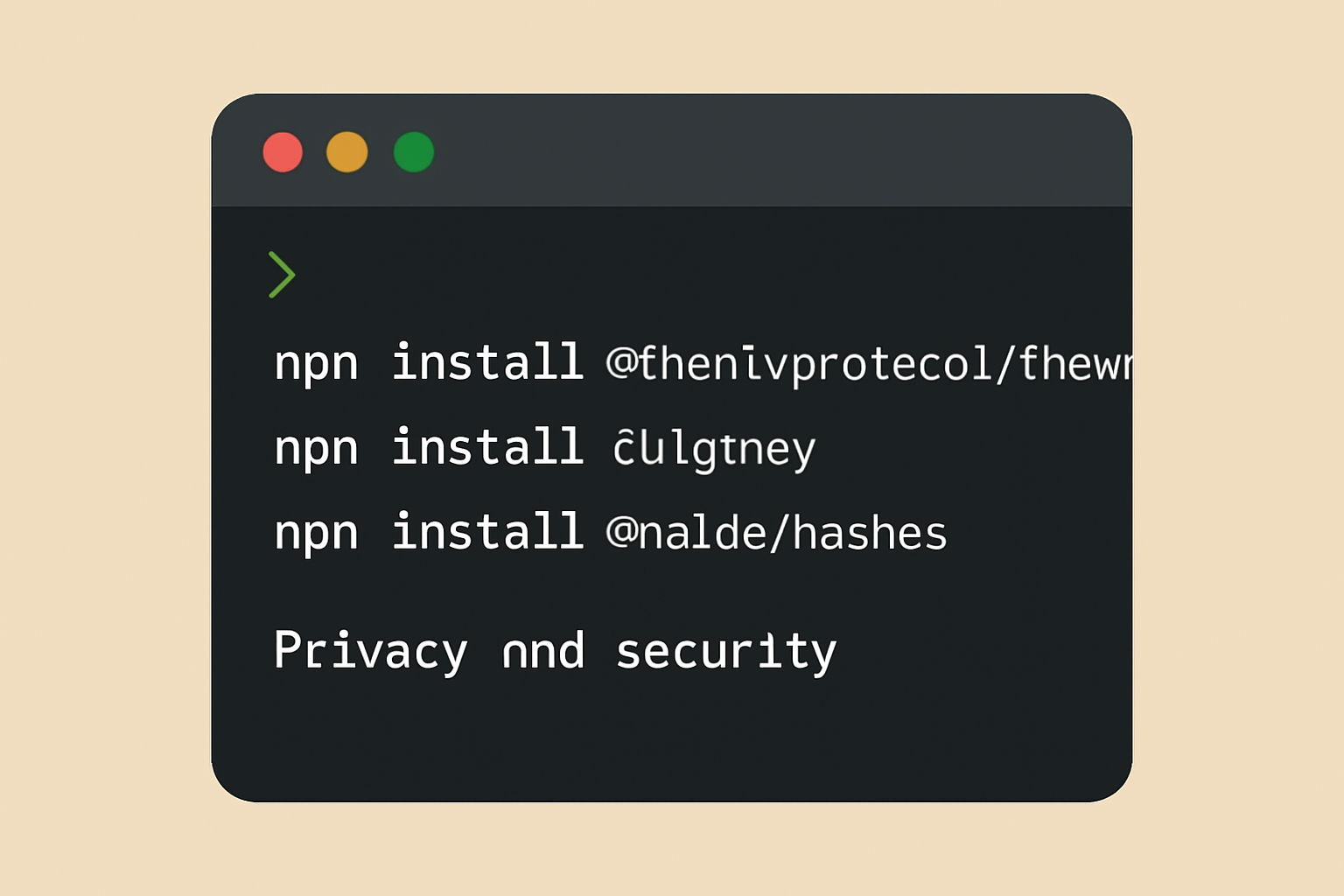
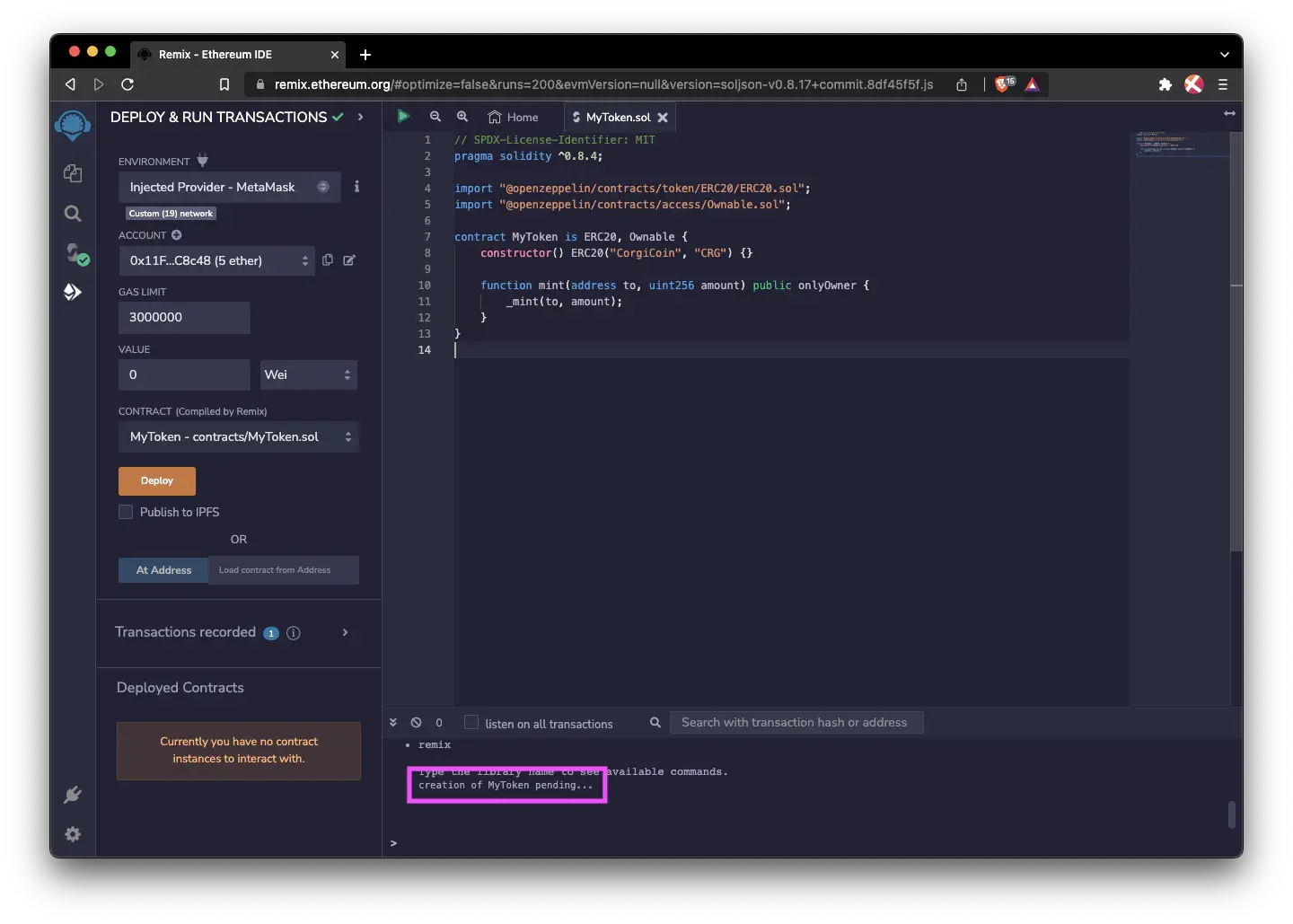
Deploying an End-to-End Encrypted Smart Contract Using FHEVM

Pitfalls and Performance Considerations in Secure Blockchain Contracts
No technology is without trade-offs. While FHE ensures maximal confidentiality by never exposing plaintext data, it introduces significant computational overhead, potentially impacting transaction throughput and increasing latency. Zero-knowledge systems like Aztec offer better performance but may require specialized circuits or off-chain components. TEEs deliver strong isolation but rely on trusted hardware vendors, a factor some decentralization purists may find concerning.
The optimal solution depends on your application’s unique blend of privacy needs, scalability targets, and compliance obligations. In all cases, careful benchmarking against your expected transaction volume is essential before moving into production deployment.
For teams navigating the privacy landscape, it’s important to recognize that encrypted contract development is not a one-size-fits-all endeavor. Each architecture, FHE, ZKPs, and TEEs, offers distinct strengths and operational caveats. The rapid evolution of these frameworks means best practices are continually refined by both academic research and market-driven feedback.
Let’s break down some of the most actionable strategies for deploying confidential transactions on Ethereum today:
Best Practices for Privacy-Preserving Ethereum Smart Contracts
- Leverage Fully Homomorphic Encryption (FHE) Frameworks: Utilize solutions like Zama Confidential Blockchain Protocol and FHEVM to process encrypted data directly on-chain, enabling confidential smart contracts without exposing sensitive information.
- Implement Zero-Knowledge Proofs (ZKPs) for Transaction Privacy: Integrate protocols such as Zether or leverage Aztec Network to enable confidential transactions and shielded balances using advanced cryptography.
- Utilize Trusted Execution Environments (TEEs) for Secure Computation: Adopt platforms like the Oasis Network to execute smart contract logic within isolated hardware environments, ensuring data confidentiality during processing.

- Adopt Encrypted Smart Contract Techniques: Explore solutions such as Parity Technologies’ encrypted smart contracts to protect contract code and state, allowing only authorized parties to access confidential logic and data.
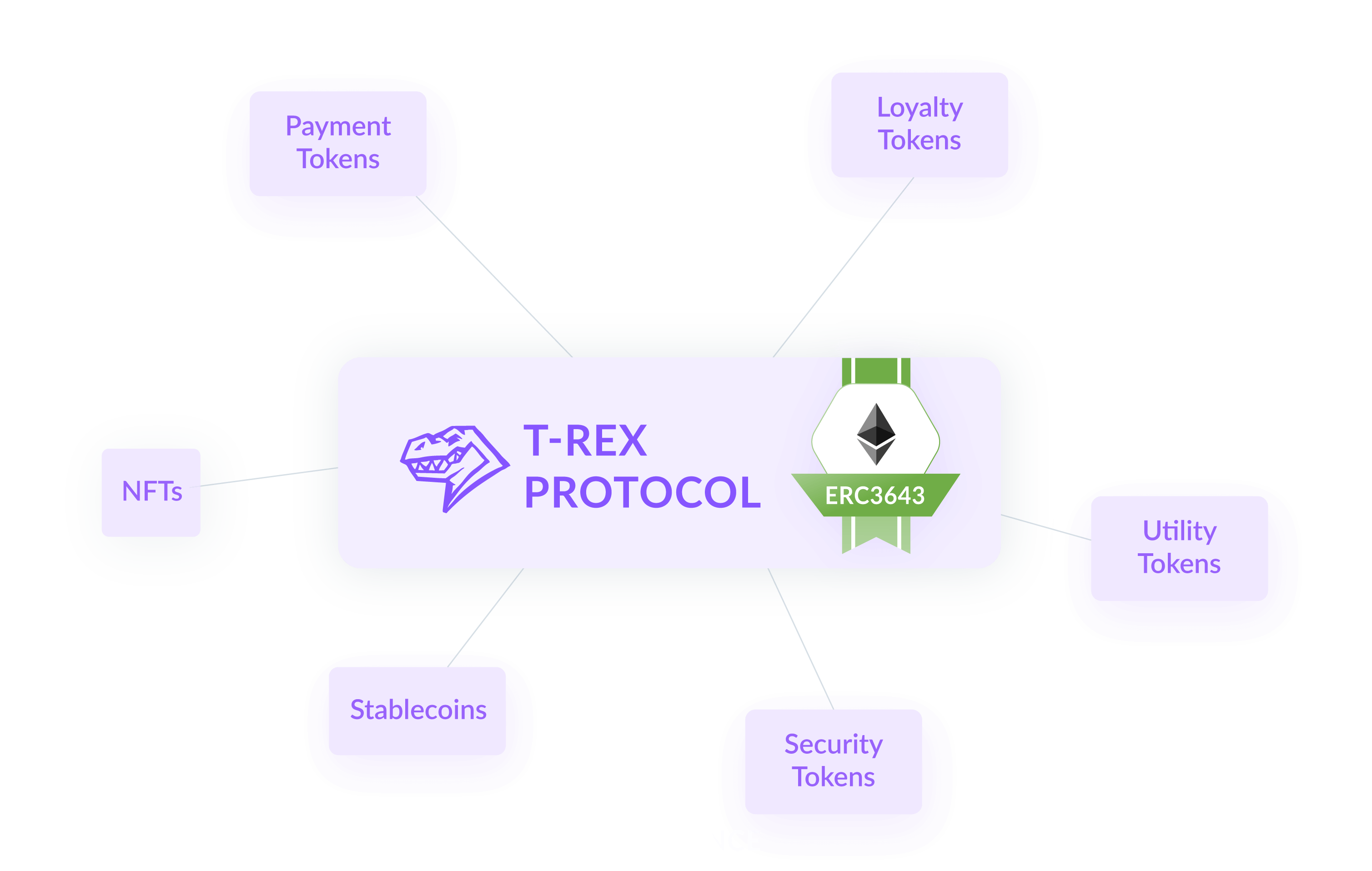
- Follow Confidential Transaction Standards: Align with emerging standards like the Confidential Transactions Supported Token Contract interface to enhance interoperability and compliance for privacy-preserving tokens.
- Balance Privacy with Performance and Compliance: Carefully assess the trade-offs between privacy guarantees, computational overhead (especially with FHE and ZKPs), and regulatory requirements to ensure practical and compliant deployment of confidential smart contracts.
Beyond technical implementation, developers must anticipate operational realities. For example, FHE-based contracts currently require more gas and off-chain computation than standard Solidity contracts. This can affect user experience if not carefully optimized. Zero-knowledge rollups like Aztec mitigate cost and scalability concerns but introduce new UX challenges around proof generation and wallet integration. TEEs, while efficient for certain workloads, may face scrutiny from regulators or enterprise clients wary of hardware dependencies.
Compliance, Auditability, and the Future of Privacy Smart Contract Implementation
A frequent question in the privacy community is how to reconcile confidential transactions with regulatory requirements such as anti-money laundering (AML) or auditability mandates. Forward-thinking protocols are addressing this head-on: proposals like the Confidential Transactions Supported Token Contract aim to define interfaces that support both privacy and selective disclosure, enabling users or auditors to prove compliance without exposing sensitive data (Ethereum Magicians forum).
This dual mandate, privacy with compliance, is likely to shape the next generation of secure blockchain contracts. Enterprises should prioritize solutions that offer granular access controls, verifiable computation proofs, and robust key management strategies. As user demand for confidentiality grows across DeFi, supply chain logistics, healthcare data sharing, and beyond, expect standards bodies and open-source communities to accelerate their focus on interoperability between privacy layers.
Market Outlook: Privacy as a Competitive Advantage
The competitive landscape is shifting rapidly as privacy technology matures. Early adopters who implement end-to-end encrypted smart contracts position themselves at the forefront of trust-centric finance and digital commerce. In a world where data breaches are commonplace, and regulatory scrutiny intensifies, confidentiality is no longer a mere add-on; it’s an essential product feature.
For those ready to take action today, several frameworks are production-ready or nearing mainnet deployment. Zama’s FHEVM stack is already unlocking new possibilities for private DeFi primitives; Aztec continues to push zero-knowledge scalability boundaries; Oasis Sapphire demonstrates how hardware-backed security can be seamlessly integrated into Solidity workflows.
Final Recommendations for Developers and Enterprises
- Evaluate your threat model: Not all applications require maximum confidentiality, choose an approach aligned with your risk profile.
- Pilot on testnets: Leverage public test environments offered by Zama FHEVM or Aztec before committing capital or sensitive business logic.
- Stay updated: Engage with open-source communities driving privacy standards forward; review documentation regularly as APIs evolve rapidly.
- Pursue layered security: Combine cryptographic techniques with secure key management and robust off-chain processes for end-to-end protection.
The race toward practical encrypted smart contracts is accelerating, and while challenges remain around performance tuning and regulatory clarity, the building blocks are here today for those willing to innovate strategically. As always in blockchain: patience pays off, but so does being first to market with solutions that put user trust at the center of every transaction.




No comments yet. Be the first to share your thoughts!