
Privacy is the new power play on Ethereum. As enterprises and developers demand confidential transactions and data sovereignty, encrypted smart contracts are rapidly moving from experimental to essential. If you want to build privacy-preserving dApps or enable secure business logic on-chain, you’re in the right place. This guide will walk you through the key steps and concepts for implementing encrypted smart contracts on Ethereum using state-of-the-art cryptography like Fully Homomorphic Encryption (FHE) and ECIES.
Why Encrypt Data in Ethereum Smart Contracts?
Ethereum’s transparency is a double-edged sword. While it guarantees verifiability, it also exposes every bit of contract data to the world. That’s a dealbreaker for use cases like private auctions, confidential voting, or sensitive DeFi transactions. By encrypting data before it touches the blockchain, you keep critical information shielded from prying eyes while still leveraging Ethereum’s trustless infrastructure.
The most robust solutions today use either ECIES (Elliptic Curve Integrated Encryption Scheme) for public-key encryption or Fully Homomorphic Encryption (FHE), which allows computations directly on encrypted data without ever decrypting it on-chain.
Setting Up Your Privacy-First Development Environment
You don’t need to reinvent the wheel - but you do need the right tools:
- Solidity Compiler: Always use the latest version for security and compatibility with cutting-edge libraries.
- Remix IDE: This web-based IDE is perfect for rapid prototyping and testing of your privacy contracts.
- FHE Libraries: Integrate libraries like Zama’s FHEVM, which extends EVM functionality to support encrypted operations natively.
If you’re serious about scalability and future-proofing your dApps, get comfortable with these tools now. The privacy revolution won’t wait!
The Key Generation Ritual: Public and Secret Keys
This is where cryptography meets practical deployment. To enable encrypted computation, you’ll generate a pair of keys:
- Public Key: Used by anyone submitting sensitive data to your contract. Data must be encrypted with this key before being sent on-chain.
- Secret Key: Held securely off-chain by trusted parties or users themselves. It’s required to decrypt results after processing.
This model ensures that even though your contract logic runs in a public environment, only authorized parties can access plaintext results. In other words: transparency for code execution, privacy for your data.
Coding with Encrypted Data Types and FHE Operations
The real magic happens when you start writing functions that operate directly on ciphertexts instead of plain values. Modern FHE libraries provide specialized Solidity-compatible types - think of them as "encrypted integers" or "encrypted booleans. " Functions can perform arithmetic or logical operations without ever exposing what’s inside those variables!
- Addition and multiplication on balances without revealing amounts
- Private comparisons (e. g. , blind auctions)
- User authentication using zero-knowledge proofs combined with encryption
This approach unlocks new classes of dApps where users can interact privately while still benefiting from decentralized consensus and automation.
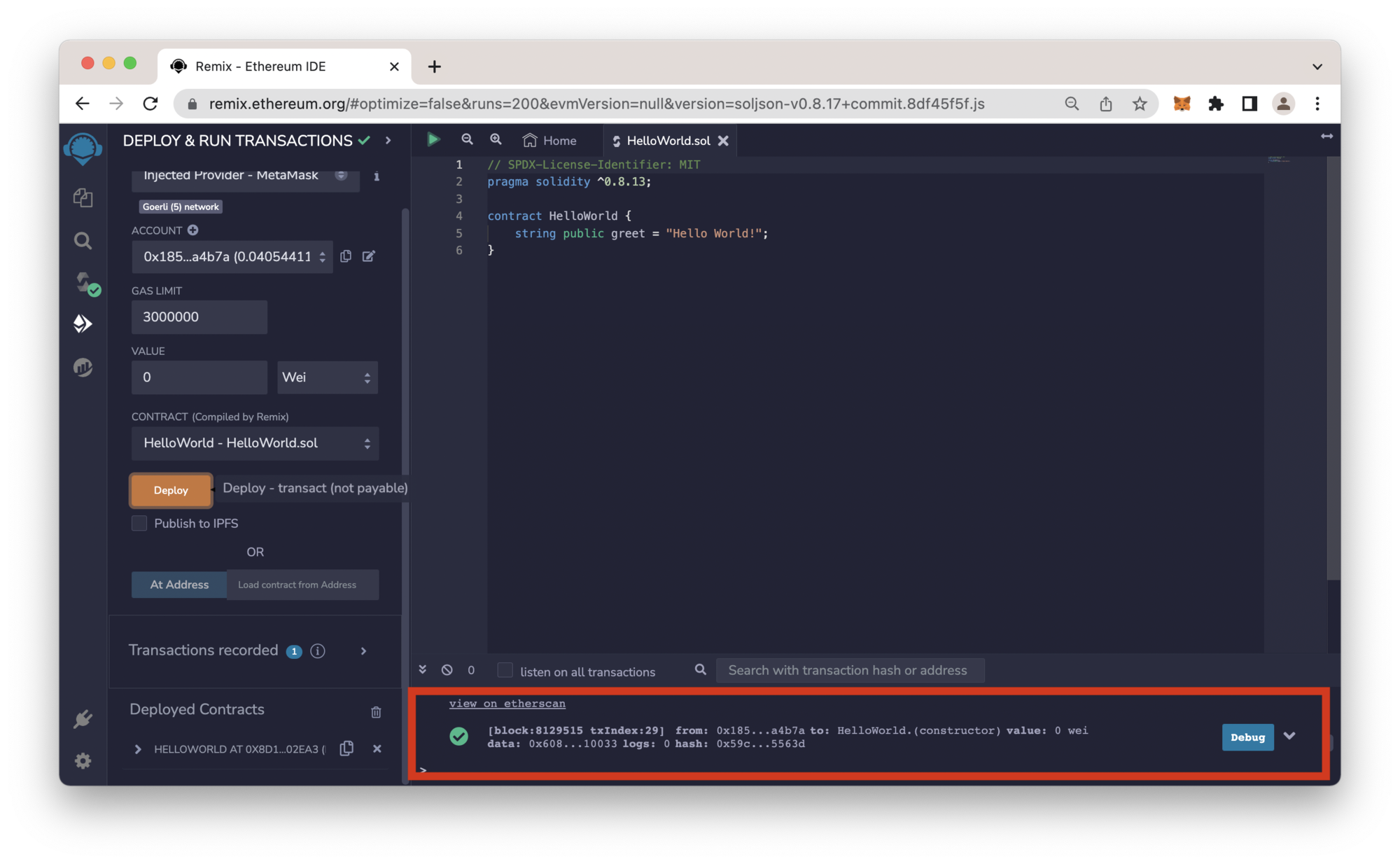
Once your contract logic is in place, it’s time to bring your encrypted smart contract to life on the Ethereum network. This is where rigorous testing and real-world validation separate robust privacy solutions from theoretical experiments.
Deploying, Testing, and Securing Your Encrypted Contract
Deploying privacy-preserving contracts isn’t just about clicking “deploy” and walking away. You’ll want to:
- Deploy on Testnets: Use testnets like Goerli before mainnet. This lets you iron out bugs and confirm encrypted operations work as expected without risking real assets.
- Conduct Unit Tests: Write comprehensive unit tests for every function that handles encrypted data. Simulate edge cases, think malformed ciphertexts or unauthorized access attempts.
- Audit for Security: Privacy adds complexity. Regularly audit your codebase for vulnerabilities, especially those unique to encryption (e. g. , key management flaws or leakage via error messages).
If you’re handling keys off-chain, consider using secure enclaves or trusted execution environments. Never hard-code secrets in your contracts!
Example: Solidity Function for FHE Addition
Let's dive right in! Here's an example Solidity function that performs addition on two encrypted values using a hypothetical Fully Homomorphic Encryption (FHE) library interface. This demonstrates how you could wire up FHE operations inside your smart contract:
// SPDX-License-Identifier: MIT
pragma solidity ^0.8.0;

interface IFHE {
    function add(bytes calldata encA, bytes calldata encB) external pure returns (bytes memory);
}

contract EncryptedAddition {
    IFHE public fheLib;

    constructor(address _fheLib) {
        fheLib = IFHE(_fheLib);
    }

    // Adds two encrypted values using FHE library
    function addEncrypted(bytes calldata encryptedA, bytes calldata encryptedB) external view returns (bytes memory) {
        return fheLib.add(encryptedA, encryptedB);
    }
}
Notice how the function takes in two encrypted byte arrays and returns their encrypted sum, all without ever decrypting the values on-chain. This is the magic of FHE in action!
Keeping Your Contract Battle-Ready: Monitoring and Maintenance
The privacy game doesn’t end at deployment. Continuous vigilance is non-negotiable:
- Monitor On-Chain Activity: Watch for unusual patterns that could signal attempted attacks or misuse of access controls.
- Patching and Upgrades: Stay current with new cryptographic libraries and EVM upgrades supporting FHE or ECIES improvements.
- User Education: Make sure users understand how to encrypt data before submission and safely manage their secret keys, a single mishap can compromise confidentiality.
This ongoing diligence ensures your encrypted smart contracts remain resilient as the threat landscape evolves and as new privacy features roll out across the Ethereum ecosystem.
Real-World Use Cases: Why It Matters Now
The potential here goes way beyond theory. Projects are already leveraging these techniques for:
- Confidential DeFi lending platforms where loan amounts and collateral remain private
- Private DAOs conducting anonymous voting with verifiable results
- Sensitive enterprise supply chain data tracked on-chain without exposing proprietary information
The demand for privacy-preserving smart contracts is exploding as regulations tighten and competitors race to offer next-gen confidentiality guarantees. If you’re building in this space, you’re not just following a trend, you’re setting the standard for Web3 security.
If you’ve made it this far, congratulations, you’re ahead of most developers in the blockchain space! The skills you develop by implementing privacy-preserving smart contracts will only become more valuable as Ethereum continues its march toward mainstream adoption and regulatory scrutiny intensifies.
No matter what vertical you’re targeting, DeFi, enterprise, gaming, or beyond, mastering these techniques puts you at the forefront of secure blockchain innovation. Fortune favors the bold and informed!




No comments yet. Be the first to share your thoughts!