

Ethereum’s transparency is legendary, but when it comes to privacy, the network has always been an open book. Every token transfer, every balance - all visible for the world to see. For enterprises and individuals dealing with sensitive financial data, this is a dealbreaker. Enter Fully Homomorphic Encryption (FHE): a cryptographic breakthrough that’s flipping the script on blockchain confidentiality, making confidential ERC20 tokens not just possible, but practical.
What is Fully Homomorphic Encryption? The Power Behind Private Smart Contracts
At its core, FHE allows computations to be performed directly on encrypted data. That means you can add, subtract, or multiply numbers without ever revealing what those numbers are. For Ethereum and smart contracts, this unlocks something powerful: encrypted balances and transaction amounts that stay private even as they’re processed by the blockchain.
This isn’t just theory. Projects like Circle and Inco Network’s Confidential ERC-20 Framework, Redact’s FHERC20 standard, and Fhenix’s L2 rollup are already integrating FHE into Ethereum to enable compliant, confidential token transfers at scale.
"Privacy isn’t about hiding; it’s about protecting what matters. ": Sophia Kerrigan
How Confidential ERC20 Tokens Work: Encrypted Balances in Action
The magic of confidential ERC20 tokens lies in how they leverage FHE for privacy without sacrificing composability or compliance:
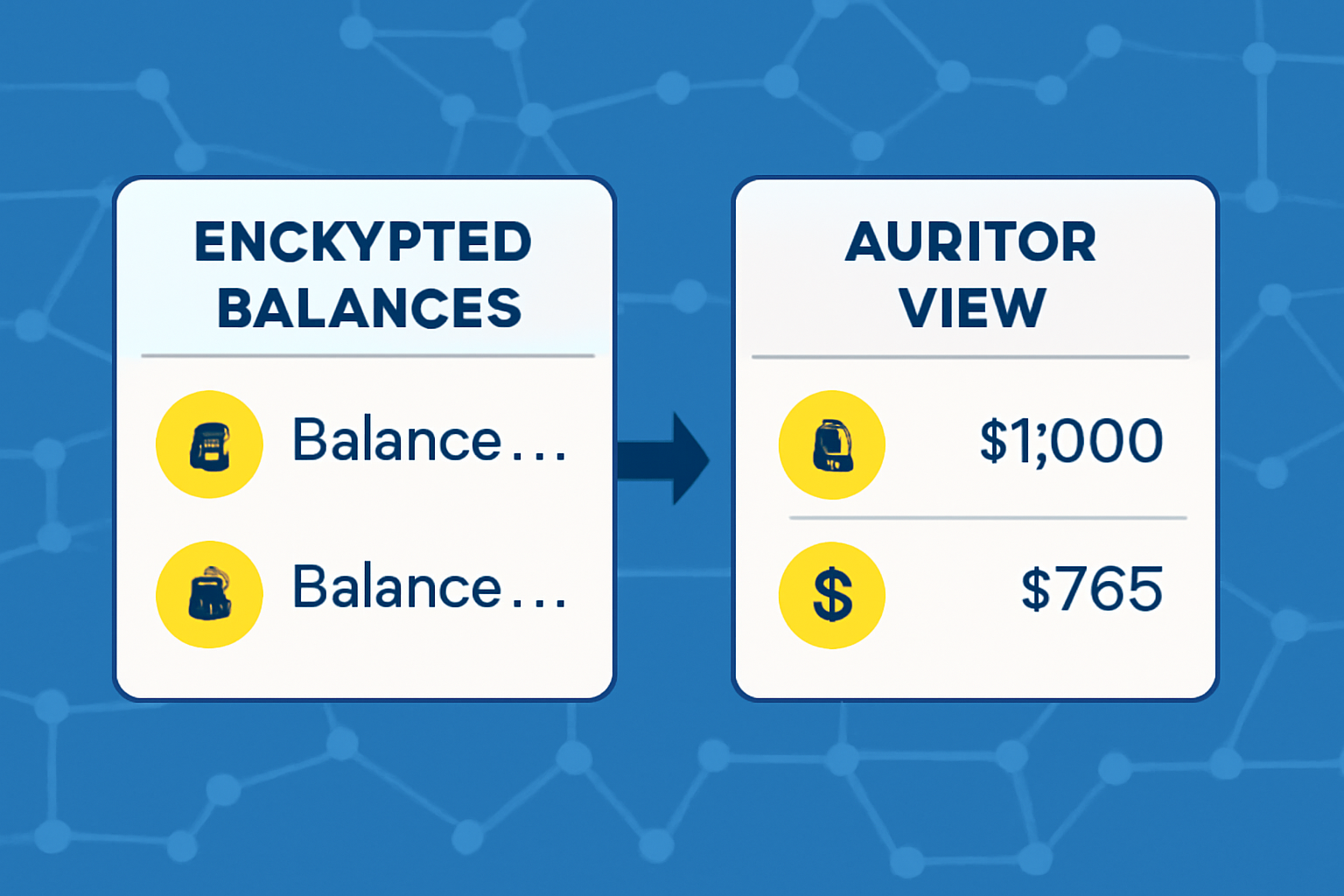
- Balances are encrypted: Only the token holder (or authorized viewers) can see their exact balance. On-chain observers see only ciphertext.
- Transaction amounts are hidden: Transfers happen on-chain as encrypted operations. No one except sender/receiver knows the amount moved.
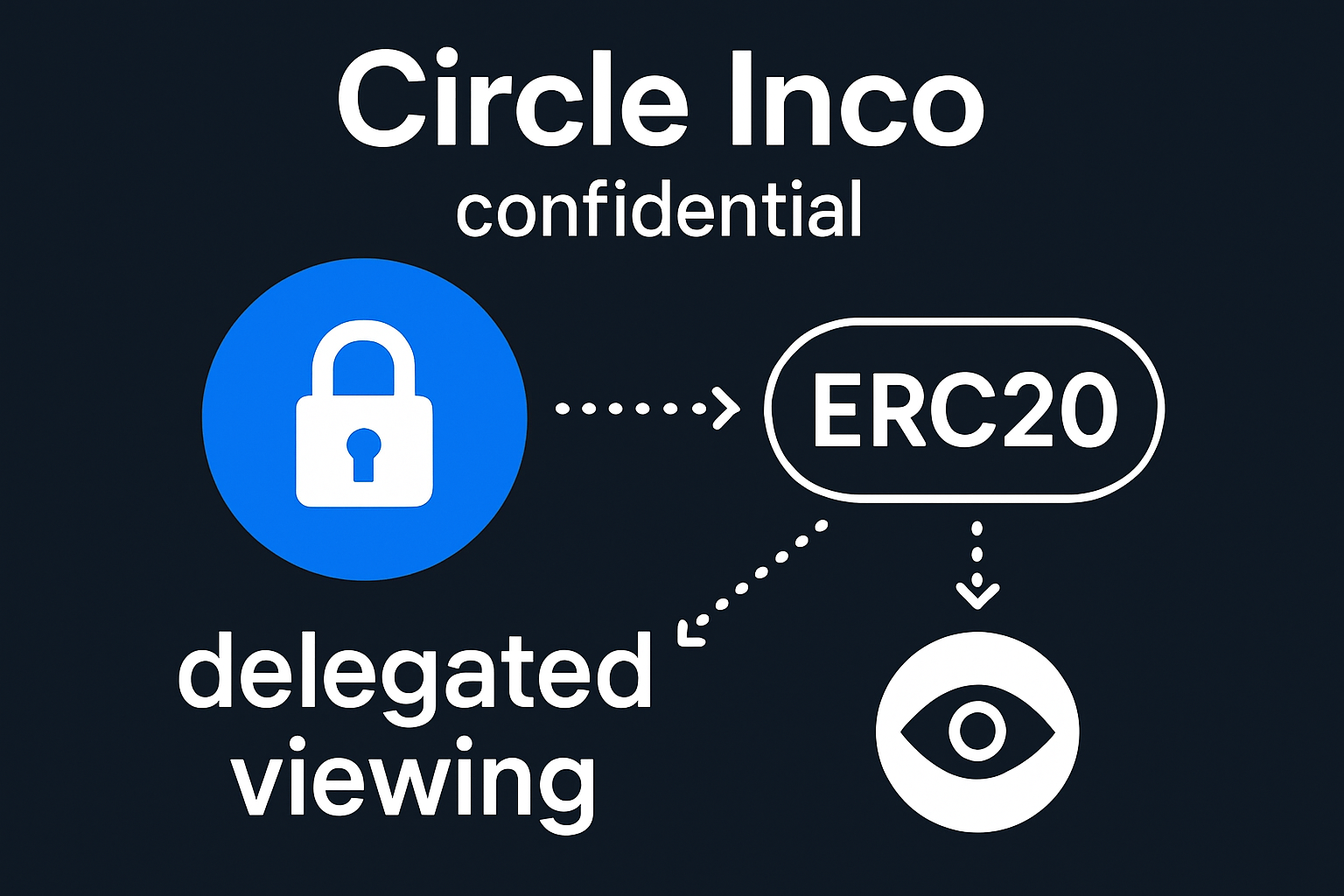
- Compliance is possible: Frameworks like Circle/Inco support delegated viewing keys so auditors or regulators can verify data when required.
- No trust assumptions: The network processes encrypted data directly - no need for trusted third parties or off-chain computation.
This approach transforms privacy from an afterthought into a core feature of smart contract development. Developers can now build DeFi protocols and enterprise applications where user data stays confidential by default.
Top Benefits of FHE-Powered Confidential ERC20 Tokens
- True On-Chain Privacy: FHE-powered confidential ERC20 tokens ensure balances and transaction amounts remain encrypted on Ethereum, preventing public exposure of sensitive financial data.

- Regulatory Compliance with Delegated Viewing: Frameworks like Circle and Inco's Confidential ERC-20 allow authorized parties (auditors, regulators) to view encrypted data without exposing it to the public, balancing privacy and compliance.
- Seamless Compatibility: Standards such as FHERC20 by Redact are fully compatible with existing ERC-20 infrastructure, enabling easy integration into current DeFi platforms and wallets.
- Confidential DeFi Applications: FHE enables private lending, trading, and payments on Ethereum, opening doors for new DeFi products that protect user data.

- Enterprise-Grade Data Protection: Enterprises can use confidential ERC20 tokens to secure sensitive business transactions on public blockchains, supporting adoption in finance, healthcare, and supply chain sectors.
- Innovative Layer 2 Solutions: Projects like Fhenix are building FHE-based rollups for Ethereum, enabling scalable and confidential smart contracts for both DeFi and enterprise use cases.

The Current Landscape: Leading Frameworks Bringing Confidentiality to Ethereum
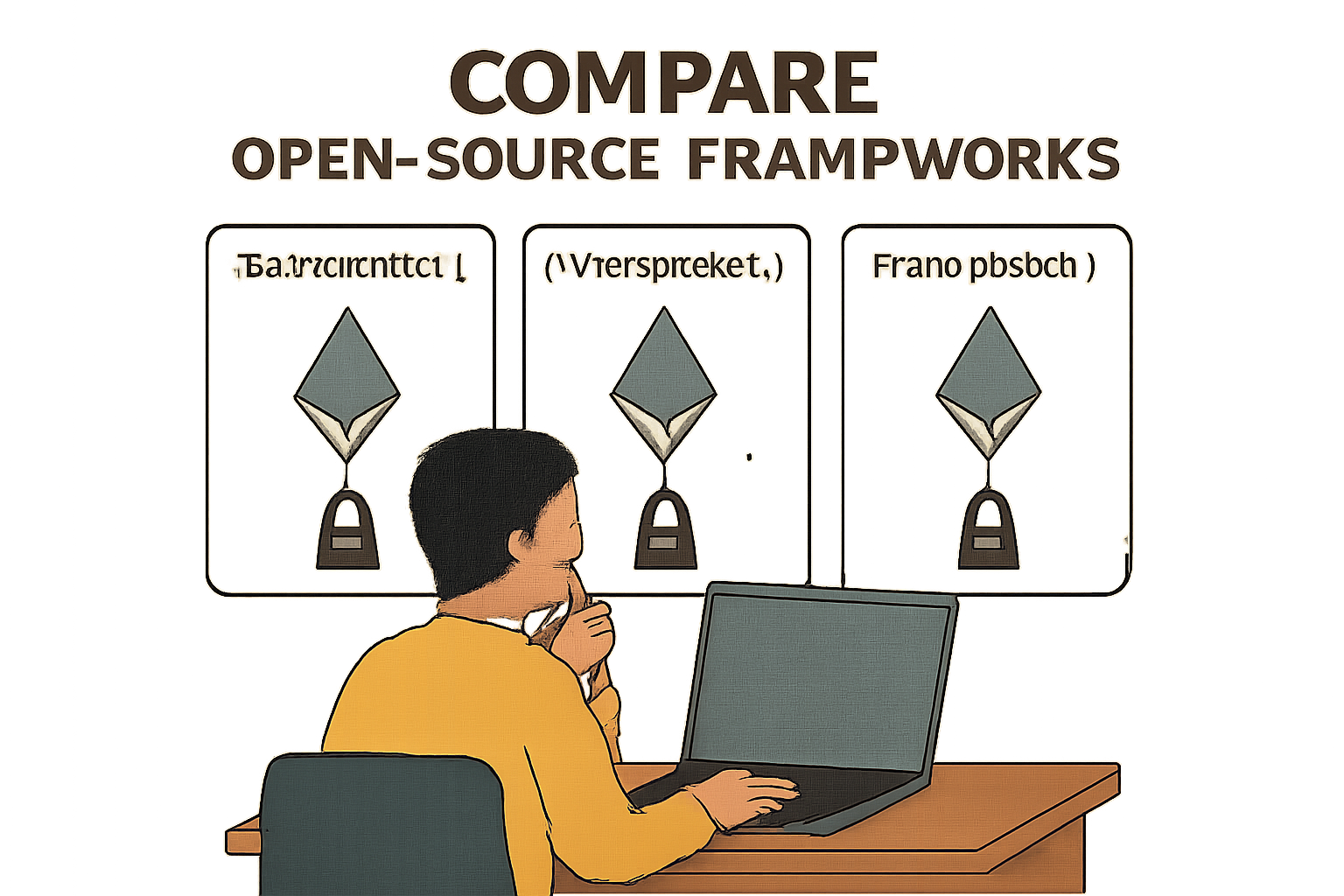
The race to bring production-ready confidential tokens to Ethereum is heating up fast. Here are some of the most promising frameworks actively shaping this new era of privacy smart contract development:
- Confidential ERC-20 Framework by Circle and Inco Network: Masks balances and transactions while supporting delegated viewing for compliance needs.
- FHERC20 Standard by Redact: Integrates seamlessly with existing ERC-20 infrastructure using encrypted and indicated balances for full interoperability.
- Fhenix L2 Rollup: An FHE-powered Layer 2 solution enabling scalable confidential transactions and applications on Ethereum mainnet.
This wave of innovation is transforming how we think about privacy on public blockchains - not as an obstacle but as a catalyst for mainstream adoption across finance, healthcare, supply chain, and beyond.
But let’s get concrete: how do developers actually build with these frameworks? The answer is both challenging and empowering. FHE introduces new design patterns for Solidity smart contracts, where function calls must operate on encrypted inputs and outputs. This means learning new libraries (like Zama’s FHE toolkit or Inco’s confidential ERC20 framework), but it also means unlocking a toolkit that was previously unimaginable on Ethereum.
Developer Experience: Coding Confidential ERC20 Tokens
Building a confidential ERC20 token isn’t just about swapping out a few lines of code. You’re architecting privacy from the ground up. Here’s what the workflow looks like for privacy smart contract development:
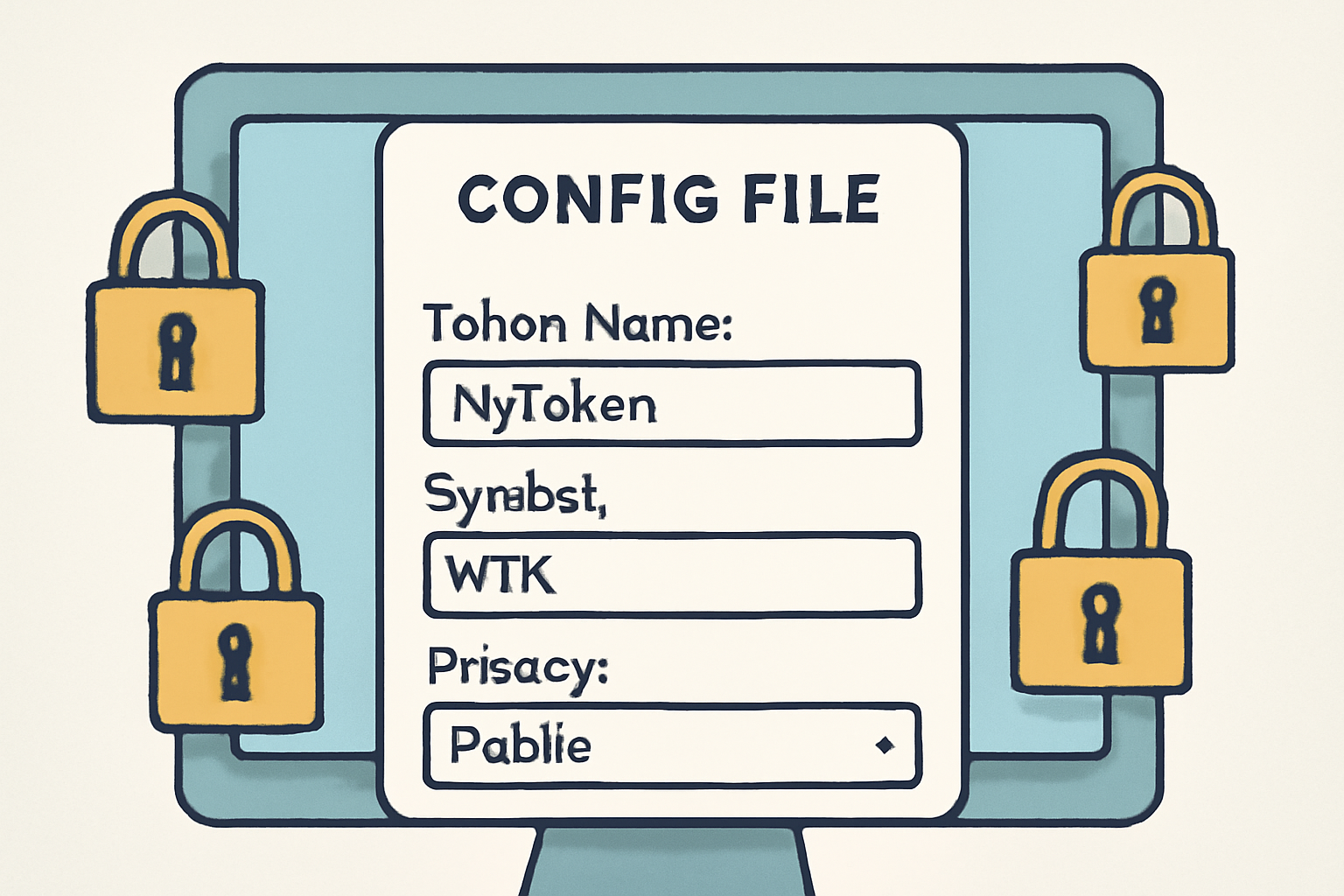
- Integrate FHE libraries: Start by importing the appropriate FHE library into your Solidity project (e. g. , FHERC20 or Inco’s confidential ERC20).
- Encrypt user balances: Instead of storing raw balances, each account stores an encrypted value. Only holders (or those with viewing keys) can decrypt them.
- Encrypted transactions: Transfer functions operate on ciphertexts, ensuring amounts are never exposed, even in mempool or state traces.
- Compliance hooks: For regulatory needs, implement delegated viewing so auditors can access transaction data securely without compromising global privacy.
This paradigm shift doesn’t come without tradeoffs, FHE computations are more resource-intensive than plaintext operations, and gas costs can be higher. But the payoff is massive: true confidentiality for users and institutions who demand it.
The Road Ahead: Scaling Confidentiality with Layer 2 and Rollups
The next leap will come from scaling solutions like Fhenix, which brings FHE to Layer 2 rollups. By offloading encrypted computation to scalable sidechains, developers can sidestep Ethereum mainnet bottlenecks while preserving on-chain settlement guarantees. This approach is already being piloted to power everything from private stablecoin transfers to confidential DAOs, proving that privacy at scale is not only possible but inevitable.
The practical impact? Enterprises can tokenize payrolls, supply chain assets, or healthcare data without leaking sensitive details to competitors. DeFi protocols can offer shielded lending pools and private swaps, no more front-running bots exploiting visible mempool data. And for users everywhere, financial sovereignty finally comes with real privacy guarantees.
Pushing Forward: Why Now Is the Moment for Encrypted Balances on Blockchain
If you’re building in crypto today, you’re standing at the edge of a generational shift. Fully Homomorphic Encryption smart contracts are not just another privacy layer, they’re a foundational leap that lets us reimagine what’s possible in open finance while respecting user confidentiality by default.
The frameworks are live, the tooling is maturing, and the demand for compliant yet private solutions is surging across sectors. Whether you’re an enterprise CTO or an indie Solidity dev obsessed with privacy coins, now is the time to explore confidential ERC20 Ethereum standards and contribute to this unstoppable movement.
Launch Your First Confidential ERC20 Token with FHE on Ethereum!



The future of blockchain isn’t just transparent, it’s encrypted where it matters most. Build boldly, build privately, and let innovation lead the way.




No comments yet. Be the first to share your thoughts!