
Ethereum’s reputation as a transparent, trustless platform is well earned, yet this openness has long been at odds with the need for privacy in decentralized applications. Whether you’re building confidential DeFi protocols or handling sensitive user data, the lack of native privacy on Ethereum has been a persistent barrier. Enter Fully Homomorphic Encryption (FHE), a cryptographic innovation that is reshaping what’s possible for encrypted smart contract development.
Why Privacy Matters: Ethereum’s Transparency vs. Confidentiality
Every transaction and contract state on Ethereum is publicly visible by design. This radical transparency is powerful for auditability, but it can be disastrous for use cases involving personal identity, private finance, or competitive business logic. Traditional privacy solutions like zero-knowledge proofs (ZKPs) have made strides in shielding specific data points, but they struggle with complex operations involving multiple parties or dynamic inputs.
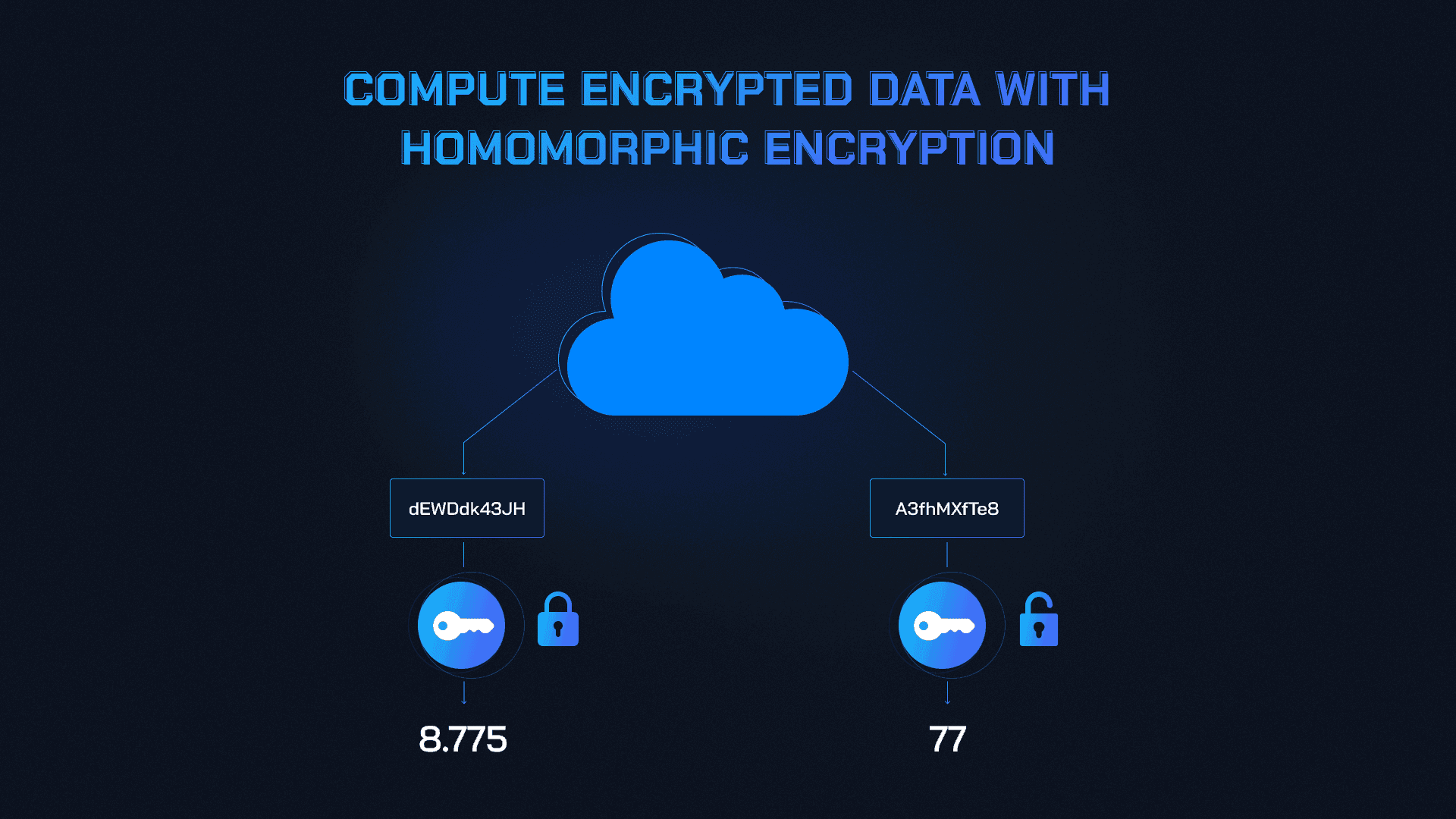
This is where FHEVM and similar frameworks come into play. FHE allows computations to be performed directly on encrypted data, without ever decrypting it, so even validators and miners cannot see the underlying values. The result? Truly private smart contracts that don’t compromise on decentralization or composability.
How Fully Homomorphic Encryption Works in Smart Contracts
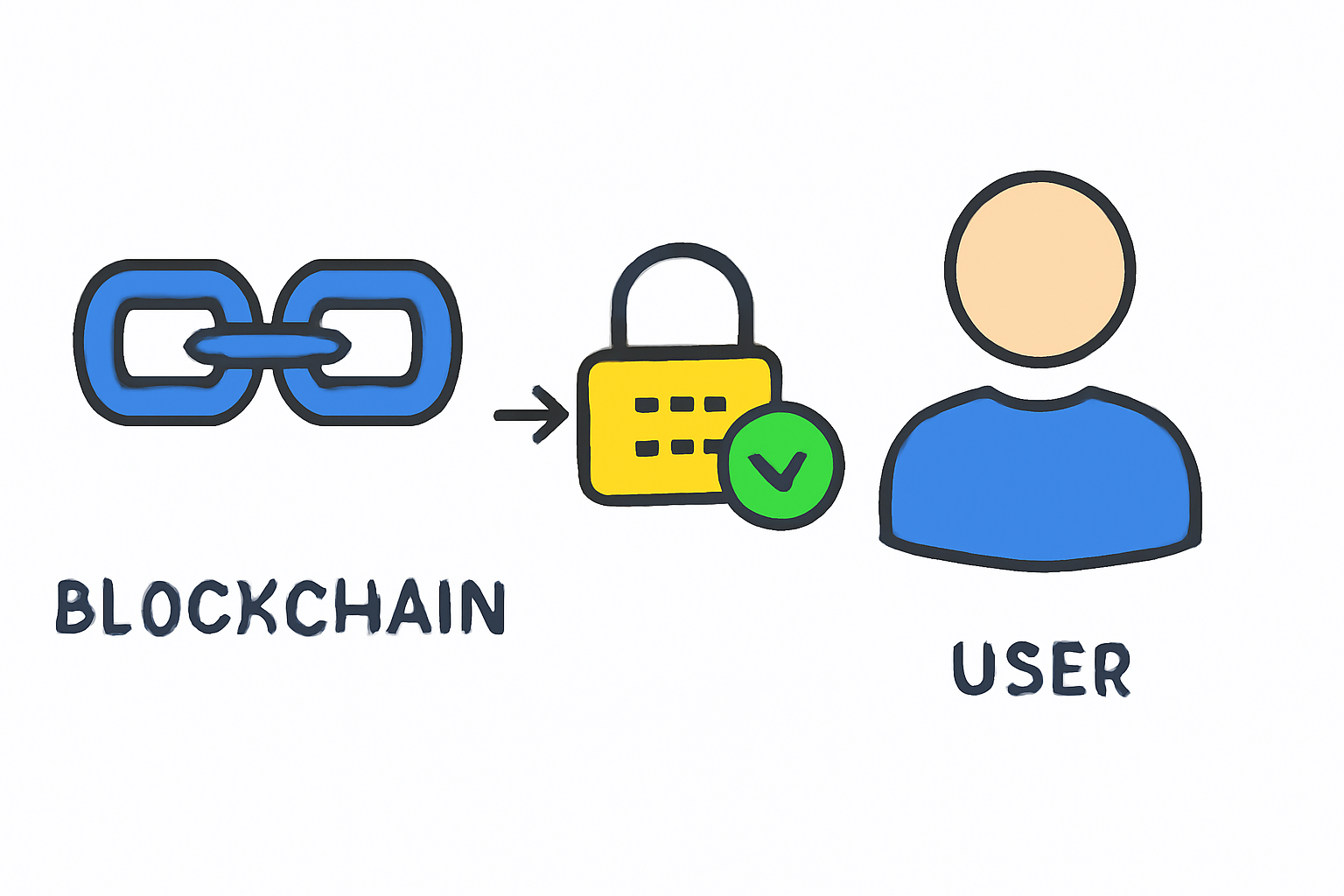
The core promise of fully homomorphic encryption smart contracts is simple yet profound: process encrypted inputs and get encrypted outputs, all while never exposing the plaintext to anyone on the network. When users send data to a smart contract using an FHE-enabled protocol like Zama’s fhEVM, their inputs are encrypted client-side. The contract logic then operates entirely on these ciphertexts.
This means that whether you’re running a confidential DeFi trade or tallying votes in a private election, every computation happens inside an encrypted envelope. Only authorized users with the appropriate decryption keys can reveal the results, everyone else sees only unintelligible ciphertexts.
5 Key Benefits of FHE for Confidential DeFi & Private Blockchain Computation
- End-to-End Data Privacy: FHE allows smart contracts to process encrypted data without ever decrypting it, ensuring sensitive information remains confidential even on public blockchains like Ethereum.

- Enables Truly Private Smart Contracts: Platforms like Zama's fhEVM and Fhenix empower developers to create smart contracts in Solidity that operate on encrypted inputs, making confidential DeFi and private dApps possible.

- Protection Against MEV and Front-Running: By keeping transaction details encrypted during processing, FHE helps mitigate Miner Extractable Value (MEV) risks and prevents front-running attacks in DeFi applications.

- Secure Multi-Party Computation: FHE enables computations involving data from multiple parties without exposing individual inputs, supporting use cases like private voting, confidential auctions, and decentralized identity management.

- Seamless Integration with Existing Ethereum Ecosystem: Solutions such as fhEVM and Fhenix are designed to be compatible with the Ethereum Virtual Machine (EVM), allowing developers to add privacy features to their dApps without learning new programming languages or frameworks.

The State of FHE Integration: Real-World Projects and Progress
The race to bring FHEVM Ethereum privacy to production has accelerated rapidly in 2025. For example, Fhenix is pioneering an EVM-compatible Layer 2 solution powered by FHE rollups and coprocessors. Their architecture lets developers write Solidity contracts that natively handle encrypted data, no deep cryptography background required.
Zama’s open-source fhEVM framework has also gained traction among teams looking to deploy confidential voting systems, salary calculations, and other sensitive workflows directly on public blockchains. Meanwhile, research like the smartFHE framework demonstrates how miners themselves can compute over encrypted states without access to user secrets, a crucial step toward minimizing miner extractable value (MEV) attacks and front-running risks.
Ethereum (ETH) currently trades at $4,050.65, underscoring both its maturity as a platform and its continued appeal as a foundation for next-generation privacy solutions.
As adoption of FHE-powered privacy tools grows, we’re witnessing a shift in how developers and enterprises approach sensitive computations on public blockchains. What was once considered an academic breakthrough is now being integrated into production-ready frameworks, enabling a new class of applications that were previously impossible or too risky to deploy on Ethereum.
Emerging Use Cases: Beyond Basic Confidentiality
The practical implications of encrypted smart contract development are far-reaching. Consider these scenarios:
How a Fully Homomorphic Encryption-Powered DeFi Smart Contract Works

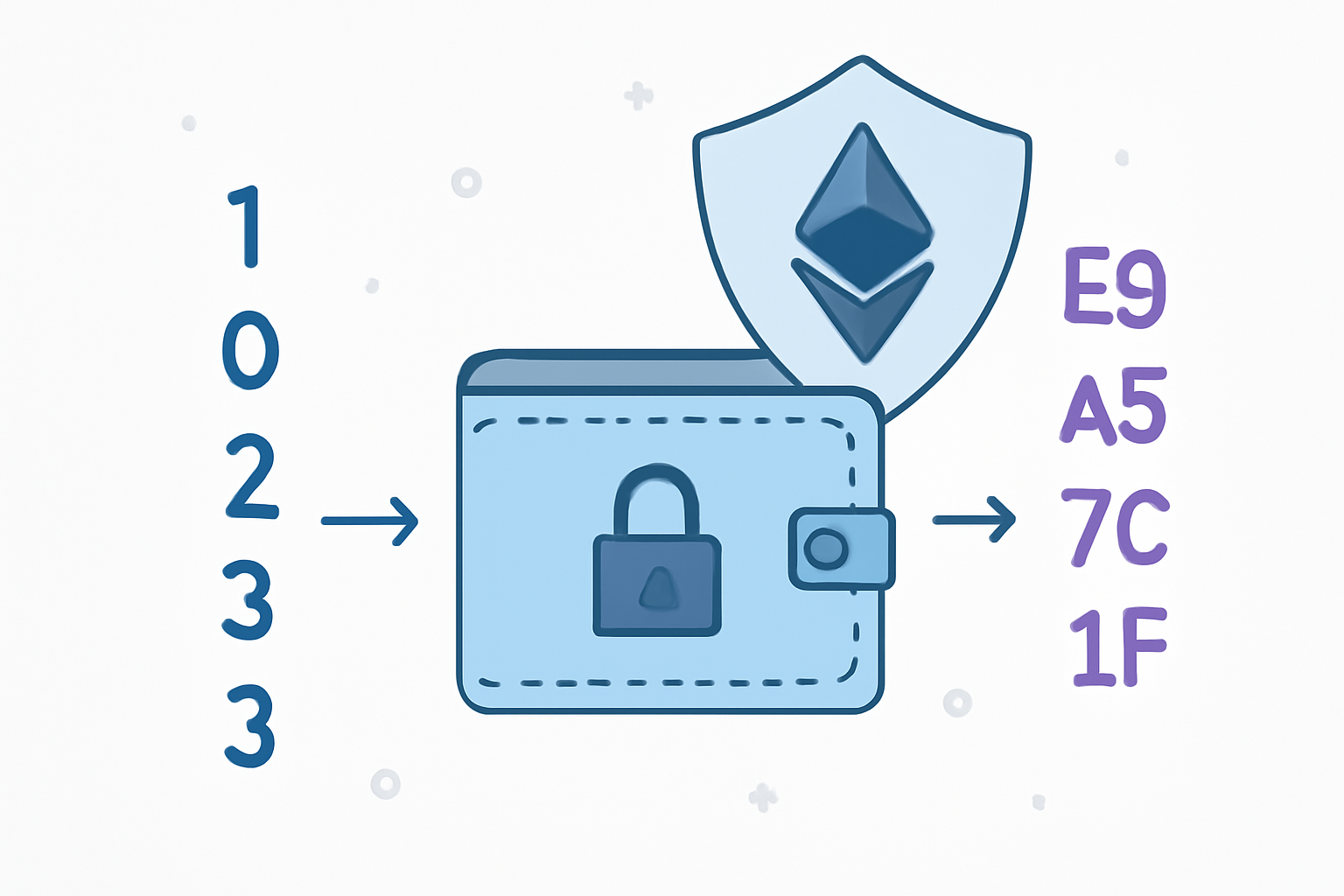
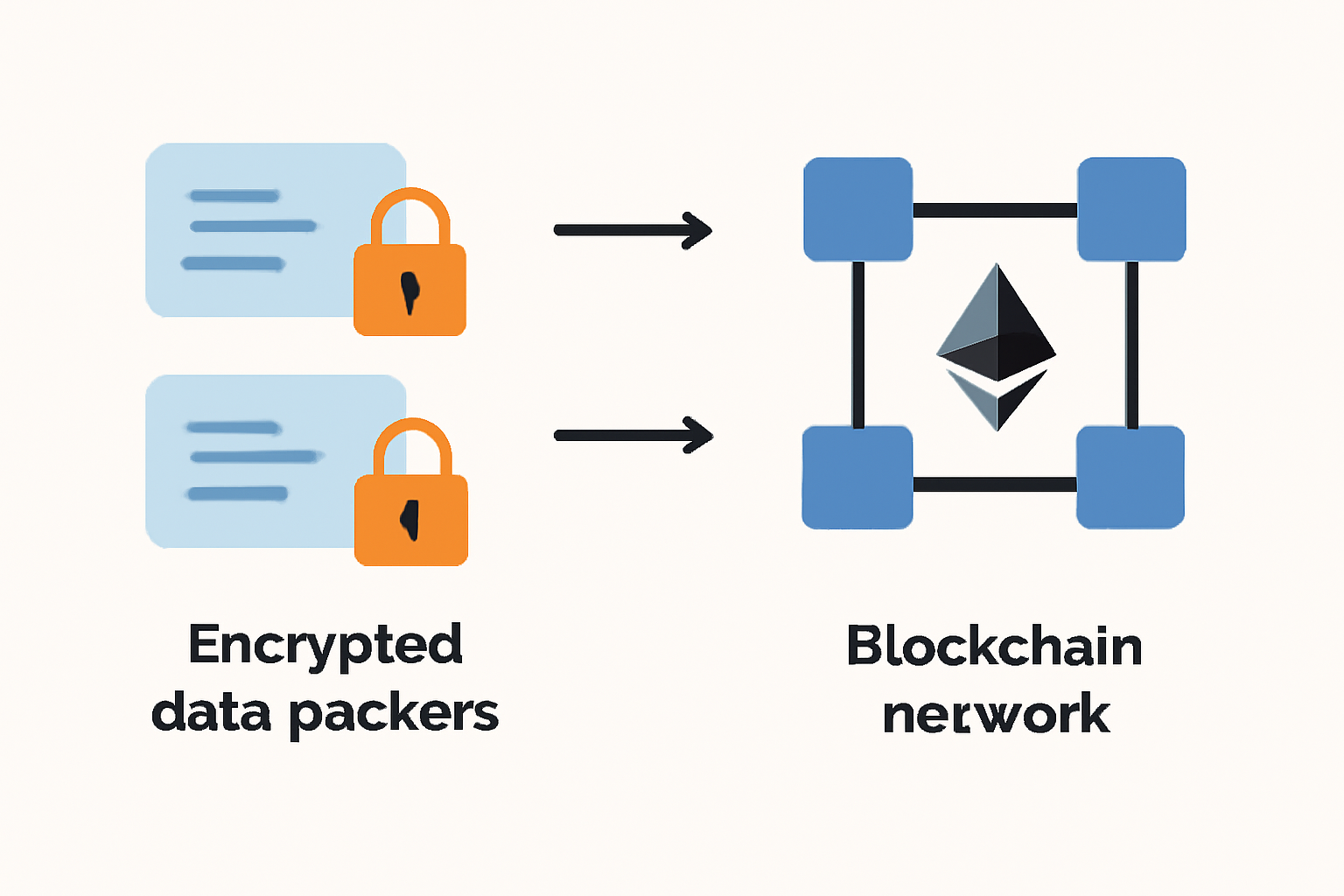


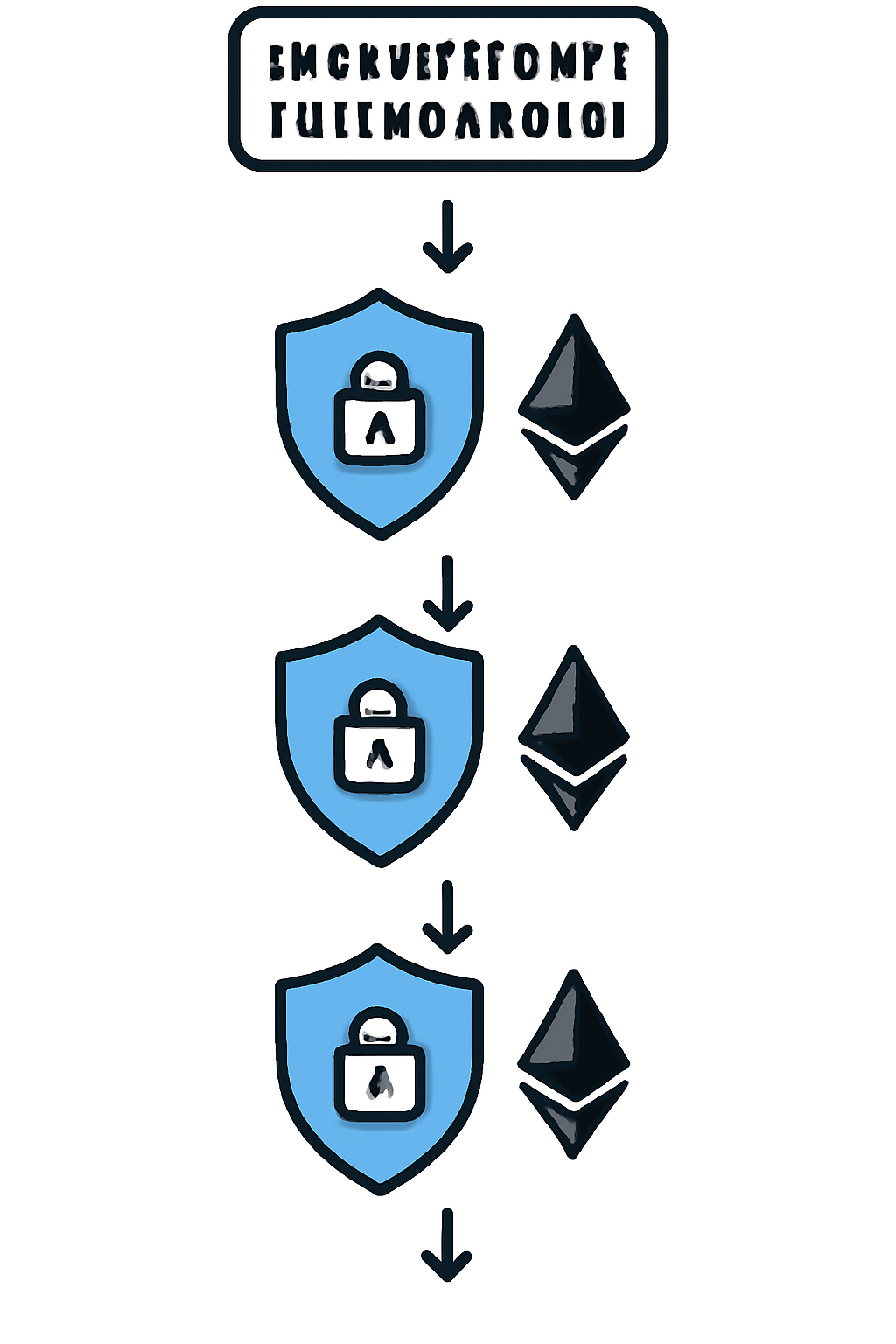
In confidential DeFi protocols, FHE allows users to execute trades or manage portfolios without disclosing positions to competitors or the public. In digital identity systems, individuals can prove attributes (like age or residency) without revealing their full identity. And for on-chain voting, ballots remain secret while verifiability and auditability are preserved, solving the privacy-versus-transparency paradox that has haunted blockchain governance since inception.
Challenges Ahead: Performance, Usability, and Trust
Despite the promise, it’s important to acknowledge the current limitations. Fully homomorphic encryption is computationally intensive. While projects like fhEVM and Fhenix are making impressive strides in optimizing performance for EVM compatibility, transaction costs and execution times remain higher than traditional smart contracts. For widespread adoption, continued progress in cryptographic engineering, and perhaps hardware acceleration, will be essential.
Usability is another frontier. Developers need robust tooling and clear abstractions so they can focus on application logic rather than cryptographic plumbing. Fortunately, the ecosystem is responding with SDKs, templates, and documentation that lower the barrier to entry for confidential DeFi Ethereum projects.
"FHE unlocks a future where privacy isn’t an afterthought, it’s a default feature of every decentralized application. "
What’s Next: A Privacy-First Ethereum Ecosystem
The momentum behind FHE integration is unmistakable. As more teams experiment with encrypted computation and as frameworks mature, expect to see a surge in creative applications, private auctions, secure payroll processing, collaborative data analytics, all running trustlessly atop Ethereum’s global ledger.
For privacy-conscious users and enterprises alike, this evolution means you no longer have to choose between decentralization and confidentiality. With ETH priced at $4,050.65, the stakes have never been higher for building secure systems that protect user data while leveraging blockchain transparency where it matters most.
The Bottom Line for Developers and Enterprises
If you’re considering building with fully homomorphic encryption smart contracts, now is the time to explore available frameworks like fhEVM and Fhenix’s solutions. The learning curve exists but is shrinking fast as community resources grow and best practices emerge.
The privacy revolution on Ethereum is well underway, one where confidential DeFi, private blockchain computation, and secure data sharing are not just possible but practical at scale.




No comments yet. Be the first to share your thoughts!