Post-quantum cryptography 2026 limits to account for
NIST’s final post-quantum encryption standards (FIPS 203, 204, 205) are now in effect, shifting the focus from algorithm selection to implementation. For crypto asset holders, the primary constraint is no longer theoretical security but compatibility with existing wallets, exchanges, and blockchain protocols. A practical choice must survive normal use, maintenance, and the immediate reality that most consumer infrastructure still relies on classical elliptic curve cryptography (ECC).
The simplest way to navigate this transition is to distinguish between must-have requirements—such as support for hybrid signatures—and nice-to-have features like performance optimizations. If a recommendation only works in an ideal situation with fully upgraded infrastructure, it is not yet practical for most users.
| Factor | What to check | Why it matters |
|---|---|---|
| Fit | Match the option to the primary use case. | A good deal still fails if it does not fit the job. |
| Condition | Verify age, wear, and service history. | Hidden condition issues erase upfront savings. |
| Cost | Compare purchase price with likely upkeep. | The cheapest option is not always the lowest-cost option. |
Post-quantum cryptography 2026 choices that change the plan
As NIST’s final standards enter their rollout phase, the crypto asset sector faces a critical transition. While the primary algorithms like ML-KEM and ML-DSA are robust, several secondary options and legacy hybrid implementations contain hidden weaknesses that could jeopardize asset security. It is essential to distinguish between standardized, field-tested algorithms and those that are either deprecated or insufficiently vetted for long-term cryptographic safety.
One common mistake is relying on hybrid schemes that pair NIST-approved post-quantum algorithms with weak classical ciphers. If the classical component (such as RSA or ECC) is compromised by a quantum attack, the entire hybrid structure may fail if not implemented with strict fallback protections. Additionally, some early implementations of SLH-DSA (stateless hash-based signatures) suffer from large signature sizes, which can lead to transaction failures or increased fees on blockchains that do not yet support variable-length signature payloads.
Another pitfall involves the use of non-standardized lattice parameters. Developers occasionally tweak standard parameters for performance gains, inadvertently reducing the security margin below NIST’s specified levels. Always verify that your cryptographic libraries are using the exact parameter sets defined in the FIPS 203, 204, and 205 standards. Failure to do so can create vulnerabilities that are difficult to detect until a quantum adversary exploits them.
Finally, avoid assuming that all "post-quantum" labels are created equal. Some vendors market proprietary algorithms as "quantum-resistant" without undergoing the rigorous NIST evaluation process. These solutions lack the peer review and public scrutiny necessary to guarantee security. Stick to the official NIST standards to ensure your crypto assets remain protected against both current and future quantum threats.
Choose the next step
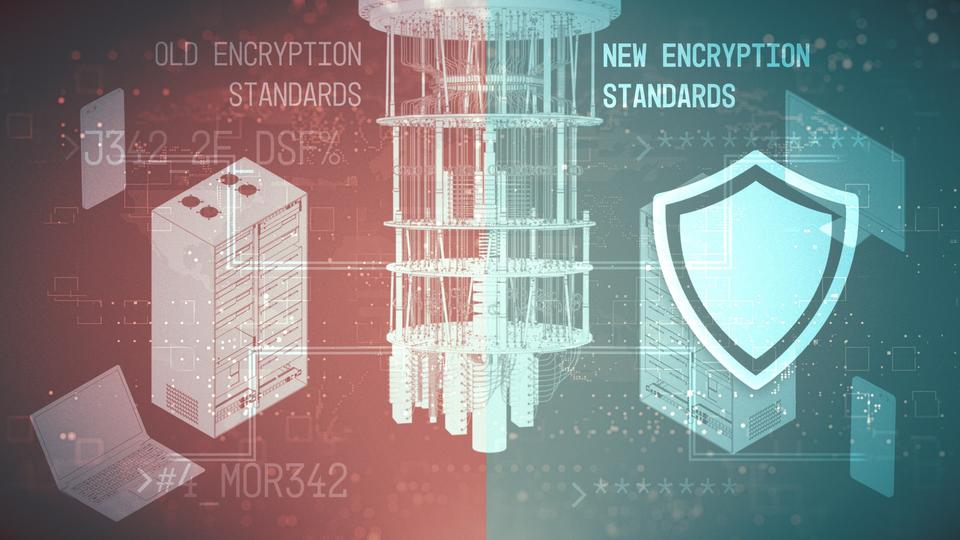
Post-Quantum Encryption Standards works best as a clear sequence: define the constraint, compare the realistic options, test the tradeoff, and choose the path with the fewest hidden costs. That order keeps the advice usable instead of decorative.

Post-quantum cryptography 2026: what to check next
As NIST’s final standards roll out, crypto asset holders face practical questions about timing, compatibility, and risk. The answers below address the most common objections before you make a decision.
Is my crypto wallet ready for post-quantum encryption?
Most consumer wallets still rely on elliptic curve cryptography (ECC). While quantum computers capable of breaking ECC do not yet exist, the "harvest now, decrypt later" threat is real. If you hold long-term assets, your current keys are vulnerable to future decryption. Look for wallets explicitly supporting hybrid signatures that combine classical and post-quantum algorithms.
Do I need to migrate my keys immediately?
Full migration is not yet mandatory for individual holders, but preparation is critical. NIST’s finalized standards (ML-KEM, ML-DSA, SLH-DSA) are now the baseline. If you use a custodial service, ask them about their post-quantum migration timeline. For self-custody, monitor for wallet updates that support hybrid signing. Delaying too long risks incompatibility when exchanges enforce new standards.
Will post-quantum encryption slow down transactions?
Post-quantum keys and signatures are larger than classical ones, which can increase transaction size and slightly raise fees. For example, ML-DSA signatures are significantly larger than ECDSA. However, for most blockchain transactions, the added data is negligible. The trade-off is minimal latency for substantially higher long-term security.
What if I lose access to my keys during migration?
Migration requires generating new key pairs. Always back up your seed phrases or private keys before attempting any upgrade. Test with small amounts first. Never share your seed phrase with anyone claiming to help with the migration. If you lose access, your assets are unrecoverable—no amount of post-quantum strength can help you if you cannot sign.
No comments yet. Be the first to share your thoughts!