The 2026 quantum threat window
Current blockchain wallets rely on elliptic curve cryptography (ECC) and ECDSA signatures to secure assets. These mathematical standards have protected digital currencies for over a decade, but they are vulnerable to a specific type of quantum attack. When quantum computers reach sufficient qubit stability and error correction, they will be able to derive private keys from public keys in seconds, rendering current wallet security obsolete.
The urgency is driven by a strategy known as "Harvest Now, Decrypt Later." Adversaries are already capturing encrypted blockchain data and transaction signatures today. They are storing this information, waiting for the day quantum hardware becomes powerful enough to break the encryption. By 2026, the window for migrating to quantum-resistant standards closes rapidly, as the time it takes to deploy new cryptography must precede the threat itself.
Warning: If you hold significant assets, assume your current wallet security is temporary. The transition to post-quantum cryptography is not a future possibility; it is an immediate infrastructure requirement.
NIST has been leading the global effort to standardize these new cryptographic algorithms. Their project aims to secure electronic information against future quantum threats by defining new standards that classical and quantum computers alike cannot break. The clock is ticking, and the 2026 deadline represents the last realistic opportunity for wallet providers to integrate these defenses before the quantum threat becomes actionable.
The stakes are absolute. Unlike traditional finance, where a breach might be reversed or insured, blockchain transactions are immutable. Once a private key is exposed via quantum computation, the assets are gone. The 2026 deadline is not an arbitrary date; it is the inflection point where the cost of inaction exceeds the cost of migration.
NIST standards and crypto wallet security 2026
The deadline for quantum readiness is not a distant theoretical horizon; it is a near-term operational requirement. The National Institute of Standards and Technology (NIST) has finalized the specific algorithms that will replace the cryptographic signatures currently securing your crypto wallet. For wallet developers and users alike, understanding the shift from classical to quantum-resistant cryptography (PQC) is the most critical technical update of the decade.
NIST selected two primary algorithms to form the backbone of this new security layer. ML-KEM (Module-Lattice-Based Key-Encapsulation Mechanism), formerly known as CRYSTALS-Kyber, handles the encryption of data. ML-DSA (Module-Lattice-Based Digital Signature Algorithm), formerly CRYSTALS-Dilithium, manages the digital signatures that prove ownership of funds. These standards replace the Elliptic Curve Digital Signature Algorithm (ECDSA) and Elliptic Curve Diffie-Hellman (ECDH) protocols that have protected Bitcoin and Ethereum since their inception.
The transition is technically significant because quantum computers, specifically those running Shor’s algorithm, can theoretically break these classical curves. ML-KEM and ML-DSA rely on lattice-based mathematics, which is currently resistant to both classical and quantum attacks. Wallets must now integrate these larger keys and signatures into their transaction flows, requiring updates to node software, blockchain explorers, and user interfaces.
This shift demands immediate attention from infrastructure providers. The window to upgrade legacy systems before quantum threats become practical is closing. Ignoring these NIST standards leaves digital assets vulnerable to attacks where adversaries steal encrypted data today to unlock it once quantum hardware matures.
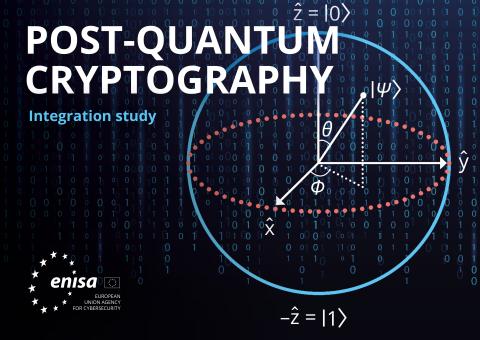
The adoption of ML-KEM and ML-DSA is not optional. As NIST’s Post-Quantum Cryptography project emphasizes, securing electronic information against future threats requires immediate implementation of these new standards across all digital infrastructure, including blockchain networks.
Migration steps for blockchain protocols
The 2026 deadline is not a suggestion; it is a hard boundary for wallet security. As quantum computing capabilities advance, the elliptic curve cryptography (ECC) securing today’s blockchain addresses becomes vulnerable. Wallet providers and exchanges must initiate a structured migration to quantum-resistant cryptography (PQC) standards immediately. This process requires more than a simple software update—it demands a fundamental rethinking of how keys are generated, stored, and verified.
The migration path follows a logical sequence designed to maintain user trust while upgrading security infrastructure. Below is the ordered sequence of actions required to transition from legacy ECDSA signatures to quantum-safe alternatives like ML-DSA (Module-Lattice-based Digital Signature Algorithm), as standardized by NIST.
Before writing new code, wallet providers must map every instance of classical cryptography. This includes not just the signature algorithms (ECDSA or Ed25519) used for transaction signing, but also the key exchange mechanisms used in secure communications (TLS) between the wallet and the blockchain node. NIST’s Post-Quantum Cryptography project provides detailed guidance on identifying these vulnerabilities [src-serp-1]. An incomplete audit leads to "crypto-shredding" failures, where some parts of the system remain vulnerable even after others are upgraded.
The most robust migration strategy is not a direct switch to PQC, but a hybrid approach. Wallets should implement hybrid signatures that combine classical ECDSA with a new PQC algorithm like ML-DSA. This ensures security even if the new PQC standard is later found to have flaws, while still providing quantum resistance against Shor’s algorithm. Hybrid schemes are backward compatible, allowing users to interact with legacy addresses during the transition period without breaking existing functionality.
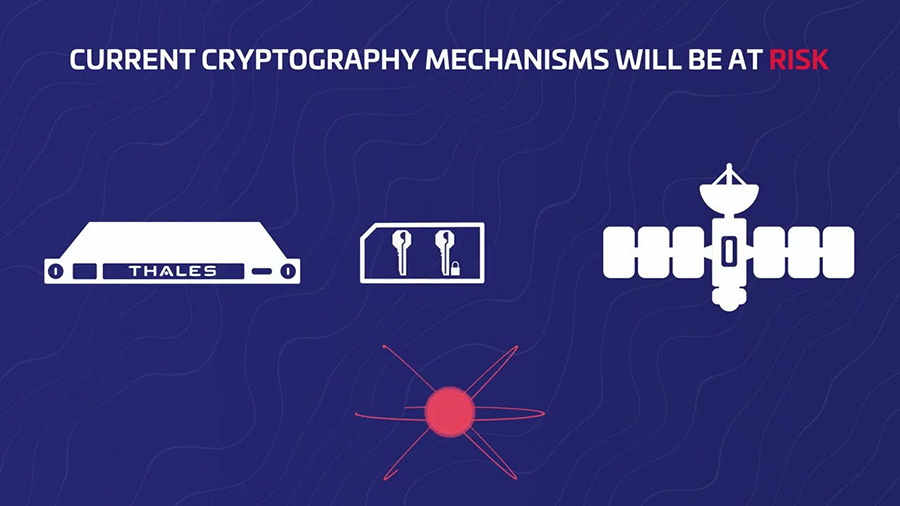
PQC keys and signatures are significantly larger than their classical counterparts. For example, ML-DSA keys can be several times larger than ECDSA keys. Wallet providers must upgrade their secure element hardware and database schemas to accommodate this increased size. Failure to do so can lead to transaction failures, especially on blockchains with strict block size limits. This step also involves updating key derivation functions to ensure that PQC keys are generated securely within the wallet’s trusted execution environment.

Blockchain ecosystems are interconnected. A wallet provider must test that their new PQC-compatible signatures are recognized by all supported blockchains and node software. This includes testing against major networks like Bitcoin, Ethereum, and Solana. Many blockchain networks will require hard forks or soft forks to accept the new signature formats. Coordination with blockchain core developers is essential to ensure that the network consensus rules are updated in time for the migration.
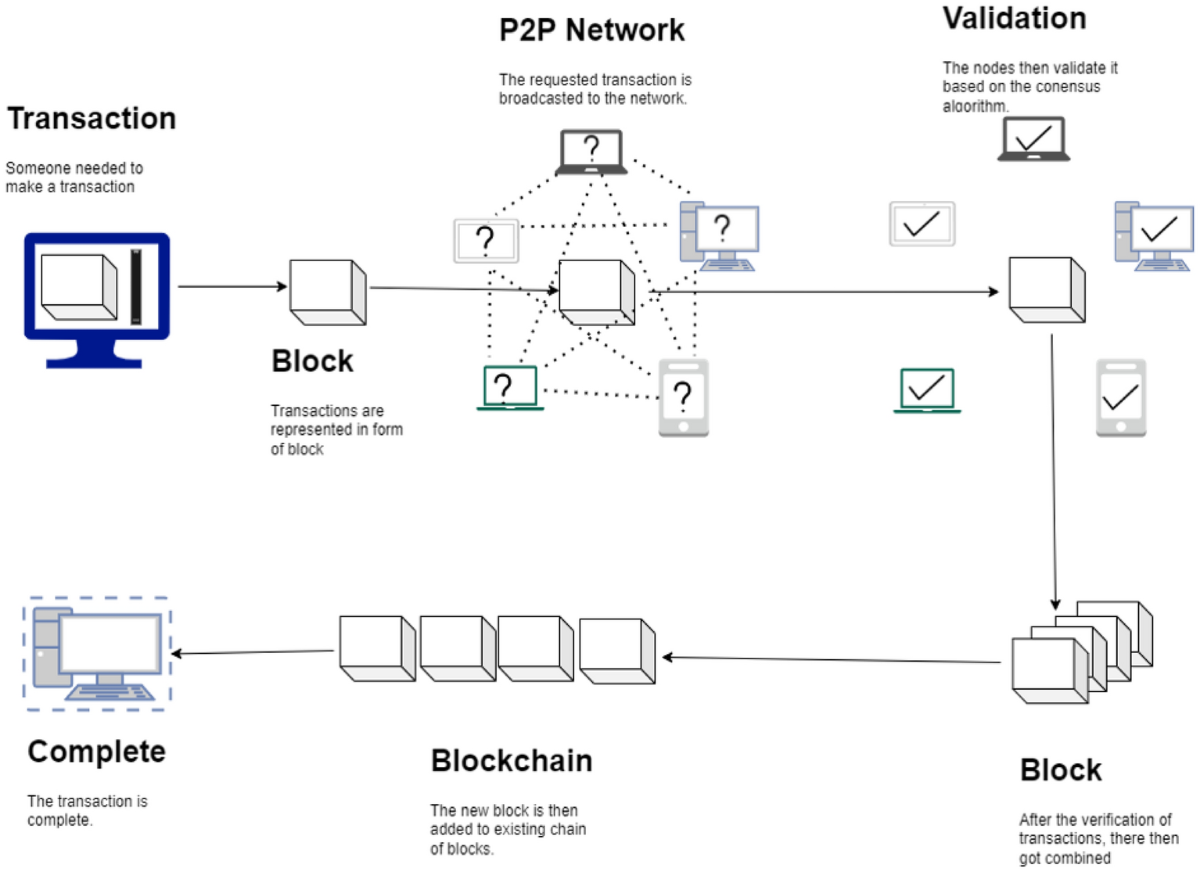
Migration is not just a technical task; it is a user experience challenge. Wallet providers must clearly communicate the need for updates to their users. This includes push notifications, in-app banners, and detailed documentation explaining why the update is necessary and how it protects their funds. Users must be guided through the process of upgrading their wallet software and re-generating their keys if necessary. Transparency builds trust and reduces the risk of user error during the transition.
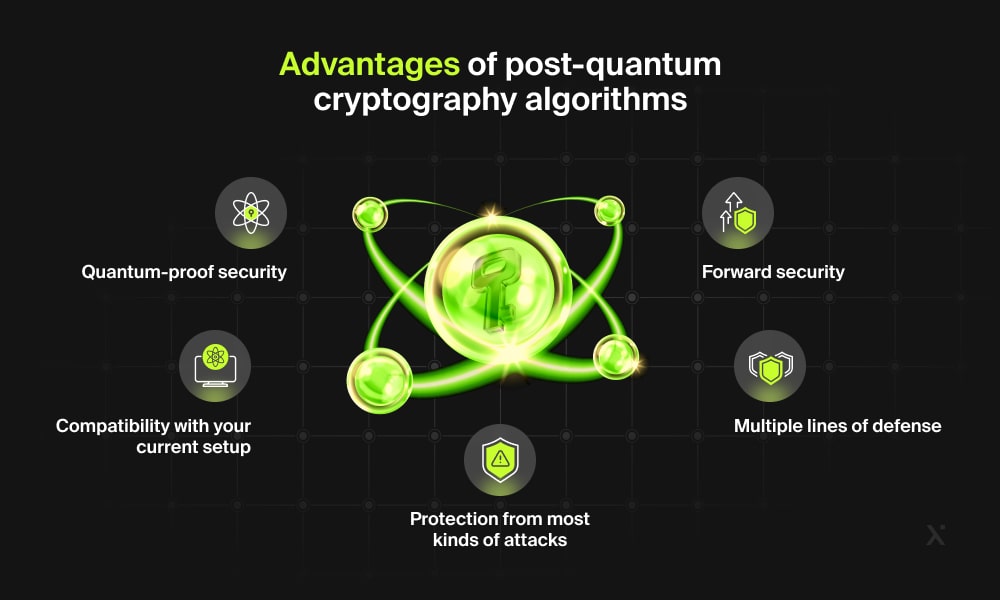
The cryptographic landscape is evolving. NIST is in the process of finalizing the official standards for post-quantum cryptography. Wallet providers must stay aligned with these developments. Cisco and other industry leaders emphasize the importance of following official standards to ensure interoperability and long-term security [src-serp-4]. Waiting for final standardization before starting the audit and testing phases is a common mistake that can lead to costly rework.
Comparison of Signature Standards
The table below highlights the critical differences between the current ECDSA standard and the new ML-DSA standard, illustrating why migration is necessary.
| Feature | Current (ECDSA) | New (ML-DSA-65) |
|---|---|---|
| Key Size | 32 bytes | ~2.4 KB |
| Signature Size | 64 bytes | ~3.9 KB |
| Security Level | Classical only | Post-Quantum + Classical |
The transition to quantum-resistant cryptography is a complex but unavoidable step in securing digital assets. By following this ordered sequence, wallet providers and exchanges can ensure they are prepared for the 2026 deadline, protecting their users from the emerging threat of quantum computing.
Common migration mistakes to avoid
Moving to post-quantum cryptography (PQC) is not a simple software update. It is a fundamental shift in how your wallet secures identity and assets. Many teams treat it as a feature patch rather than a cryptographic overhaul. This mindset leads to fragile implementations that fail when quantum threats materialize.
The most dangerous error is skipping hybrid configurations. Relying solely on a new, untested PQC algorithm is risky. If the new math contains a hidden flaw, your security vanishes. Hybrid mode pairs traditional algorithms like ECDSA with PQC schemes like ML-KEM. This ensures that if one system breaks, the other holds the line. NIST guidelines emphasize this layered defense to maintain backward compatibility while preparing for future decryption.
Performance bottlenecks often derail wallet upgrades. PQC keys and signatures are significantly larger than classical counterparts. A single signature can grow from a few hundred bytes to several kilobytes. Ignoring this bloat causes transaction failures, slow sync times, and high bandwidth costs. Developers must optimize serialization and storage. Failing to account for size differences can make a wallet unusable on mobile devices or low-bandwidth networks.
Another frequent pitfall is ignoring the transition timeline. Some teams wait for the 2026 deadline to begin coding. This leaves no time for rigorous testing. Quantum computers capable of breaking current encryption may arrive sooner than expected. Attacks where adversaries steal encrypted data today to unlock it once quantum hardware matures are already active. If you migrate too late, your historical data is already compromised. Start with a pilot program. Test hybrid signatures in non-critical environments. Validate that your wallet can handle the increased data load without crashing. Security is a process, not a product.
Frequently asked questions about PQC
Can quantum computers replace GPUs for crypto mining? Not anytime soon. While quantum processing units (QPUs) may eventually replace classical GPU clusters for training machine learning models, they are not designed for the specific hashing algorithms used in cryptocurrency mining. The immediate threat is not that QPUs will mine Bitcoin faster, but that they could break the elliptic-curve cryptography securing those coins.
Who are the leaders in post-quantum cryptography? The market is led by established security firms and cloud providers preparing for the NIST standards. Key players include AWS, IBM, DigiCert, Thales, and NXP Semiconductor. These organizations are developing the high-assurance software implementations needed to protect data from future quantum attacks, as coordinated by groups like the Post-Quantum Cryptography Alliance.
What is the 2026 deadline? The "2026 deadline" refers to the timeline for migrating to NIST-approved post-quantum standards. NIST has already published its first set of standardization documents (FIPS 203, 204, and 205). Wallet providers and exchanges must begin integrating these algorithms now to prevent attacks where stolen encrypted data is stored today to be cracked once quantum computers are powerful enough.
No comments yet. Be the first to share your thoughts!