
The 2026 quantum readiness deadline
The transition from theoretical quantum risk to immediate operational threat has accelerated. For digital asset holders and financial institutions, 2026 is no longer a distant horizon but a concrete deadline for securing wallet infrastructure against advanced cryptographic attacks.
The turning point arrived on June 22, 2026, when President Trump signed Executive Order 14412, titled "Securing the Nation Against Advanced Cryptographic Attacks." This directive formally recognized that legacy encryption standards are vulnerable to quantum decryption, mandating immediate migration to post-quantum cryptography (PQC) across government and critical financial systems.
This executive action follows the National Institute of Standards and Technology (NIST) finalization of PQC standards. The convergence of official government mandates and finalized technical standards removes ambiguity. Wallet providers and custodians can no longer treat quantum resistance as an R&D exercise; it is now a compliance requirement.
The urgency is driven by "harvest now, decrypt later" attacks. Adversaries are currently collecting encrypted data, including private keys and transaction histories, with the intent to decrypt them once quantum computers achieve sufficient scale. By 2026, the window to migrate before these assets are compromised is closing rapidly.
NIST standards and approved algorithms
The transition from theoretical research to enforced standards is the defining feature of 2026. On July 28, 2026, the National Institute of Standards and Technology (NIST) officially published the first federal standards for post-quantum cryptography. This move shifts PQC from a speculative roadmap to a compliance requirement for financial infrastructure.
Three specific algorithms now form the backbone of this security layer. Each addresses a distinct cryptographic need: general encryption, digital signatures, and key exchange.
CRYSTALS-Kyber: The Encryption Standard
CRYSTALS-Kyber (standardized as FIPS 203) is the first general-purpose public-key encryption algorithm approved by NIST. It is designed to replace current RSA and ECC encryption methods used to secure data in transit and at rest. Kyber relies on lattice-based mathematics, making it resistant to attacks from both classical and quantum computers. For wallet providers, this means the encryption protecting private keys and transaction data must be upgraded to Kyber-compatible protocols immediately.
CRYSTALS-Dilithium: The Signature Standard
CRYSTALS-Dilithium (standardized as FIPS 204) serves as the primary digital signature algorithm. It replaces ECDSA and Ed25519, which are currently used to sign transactions and prove ownership of assets. Dilithium ensures that a transaction signed today remains verifiable and unforgeable even when quantum computing power scales. Its lattice-based structure provides robust security margins, though it results in slightly larger signature sizes compared to traditional elliptic curve methods.
Falcon and SPHINCS+: Specialized Alternatives
While Dilithium is the preferred choice for most applications, NIST also standardized two additional signature algorithms to cover specific use cases. Falcon offers smaller signature sizes than Dilithium, making it suitable for environments with strict bandwidth or storage constraints, such as mobile wallet apps. SPHINCS+ is a stateless hash-based signature scheme that provides a different security assumption. It serves as a critical fallback if lattice-based assumptions are ever compromised, ensuring diversity in the cryptographic toolkit.
Why 2026 Matters
The 2026 standardization date is not arbitrary. It marks the point where legacy algorithms are officially deprecated for federal and high-security financial use. Wallets relying on pre-2026 standards face immediate obsolescence. The window for migration is closing, as quantum threats are already harvesting encrypted data today for future decryption (harvest now, decrypt later).
The adoption of these NIST-approved algorithms is no longer optional. Financial institutions and wallet providers must integrate Kyber and Dilithium into their core systems to maintain trust and security in the post-quantum era.
How quantum threats target crypto wallets
Use this section to make the Post-Quantum Cryptography decision easier to compare in real life, not just on paper. Start with the reader's actual constraint, then separate must-have requirements from details that are merely nice to have. A practical choice should survive normal use, maintenance, timing, and budget. If a recommendation only works in an ideal situation, call that out plainly and give the reader a fallback path.
The simplest way to use this section is to write down the must-have criteria first, then compare each option against those criteria before weighing nice-to-have features.
Wallet providers and migration timelines
Use this section to make the Post-Quantum Cryptography decision easier to compare in real life, not just on paper. Start with the reader's actual constraint, then separate must-have requirements from details that are merely nice to have. A practical choice should survive normal use, maintenance, timing, and budget. If a recommendation only works in an ideal situation, call that out plainly and give the reader a fallback path.
| Factor | What to check | Why it matters |
|---|---|---|
| Fit | Match the option to the primary use case. | A good deal still fails if it does not fit the job. |
| Condition | Verify age, wear, and service history. | Hidden condition issues erase upfront savings. |
| Cost | Compare purchase price with likely upkeep. | The cheapest option is not always the lowest-cost option. |
Secure Your Wallet Before 2026
NIST has approved the first post-quantum cryptography (PQC) standards, shifting the focus from theoretical risk to immediate delivery planning. For crypto holders, 2026 marks the deadline where "harvest now, decrypt later" attacks become a tangible threat. If your wallet still relies on legacy elliptic curve algorithms, your assets are vulnerable to quantum decryption.
Follow this checklist to audit your current setup and implement protective measures before the transition window closes.

Open your wallet’s security settings and verify the signature algorithm. If you see ECDSA or EdDSA, you are using pre-quantum standards. Check for any "quantum-resistant" or "PQC-enabled" toggles in the advanced security menu. If the option is missing, the wallet is not yet ready for the 2026 deadline.
Connect your hardware wallet (Ledger, Trezor, etc.) to its companion app. Navigate to the firmware update section and install the latest version. Manufacturers are prioritizing PQC-ready firmware releases. Ensure your device’s secure element can handle the larger signature sizes required by NIST standards like CRYSTALS-Kyber.
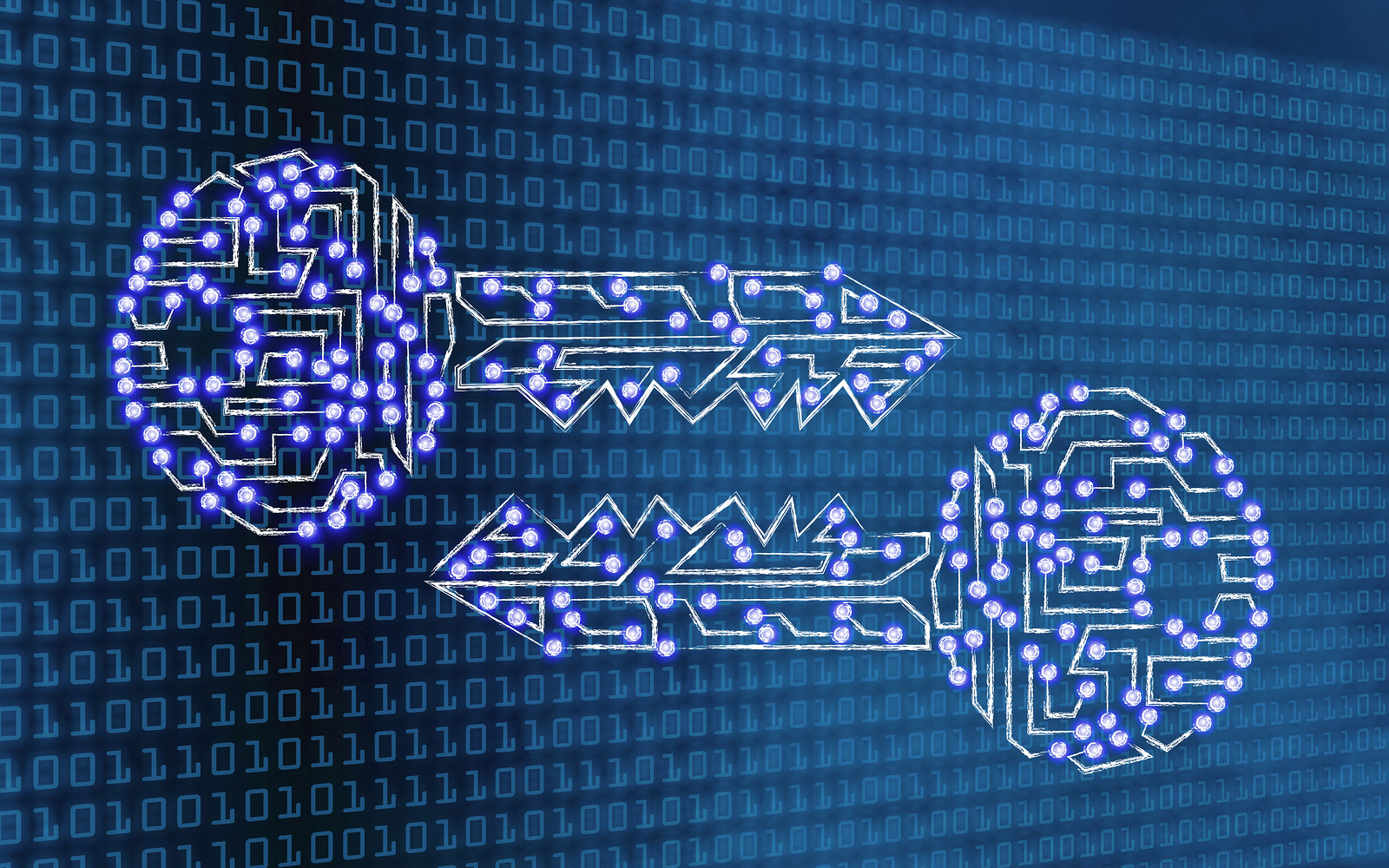
When generating new receiving addresses, look for options labeled "Post-Quantum" or "Hybrid." These addresses combine traditional keys with PQC keys, ensuring backward compatibility while adding quantum protection. Avoid using legacy addresses for long-term storage; migrate funds to these new secure addresses immediately.
If you use multi-signature wallets, ensure all signers are using PQC-compatible keys. A single weak link in the chain compromises the entire security model. Test the transaction signing process with a small amount to confirm that the hybrid signatures are valid and accepted by the receiving exchange or protocol.
The transition requires proactive management. Delaying this audit until 2026 may leave you unable to move assets if legacy wallets become incompatible with major exchanges or protocols. Treat this as a critical security update, not an optional feature.
Frequently asked: what to check next
When does the post-quantum deadline actually hit?
The White House set a firm target for June 2026. President Trump signed Executive Order 14412, "Securing the Nation Against Advanced Cryptographic Attacks," on June 22, 2026, establishing the deadline for federal systems to migrate away from vulnerable algorithms [1]. While this order targets government infrastructure, it signals the beginning of the end for legacy cryptography in the broader financial sector.
Will my existing crypto funds be stolen on Q-Day?
No. Your funds are safe in cold storage or on chains that have not yet adopted quantum-vulnerable signatures. However, any unspent coins in wallets using standard ECDSA or Ed25519 keys are at risk. Once a quantum computer can break these signatures, attackers could derive your private key from your public address and sweep the funds before you can move them. The threat is to unspent UTXOs or tokens still visible on the ledger.
How do I know if my wallet is post-quantum compatible?
Check if your wallet supports NIST-standardized algorithms like ML-DSA (formerly CRYSTALS-Dilithium) or SLH-DSA (SPHINCS+). As of mid-2026, look for explicit mentions of "PQC" or "lattice-based" in your wallet's security settings or update logs. NIST released its final standards in July 2026 [2], so wallets updated after this date are more likely to include the necessary cryptographic libraries.
Can I migrate my funds to a secure wallet now?
Yes, but you must act before the migration window closes. Move your assets to a new address generated by a PQC-compatible wallet. This creates a new public key that quantum computers cannot easily break. Do not simply update your existing wallet's software if it still relies on legacy keys; you need a fresh address to ensure your funds are protected.
What if my wallet provider doesn't support PQC by 2026?
If your provider has not released a PQC-compatible version by the 2026 deadline, you should consider migrating your funds to a reputable alternative that has. Delaying migration increases the window of vulnerability. Monitor official announcements from NIST and major wallet providers for compatibility updates.
No comments yet. Be the first to share your thoughts!