What post-quantum cryptography actually is
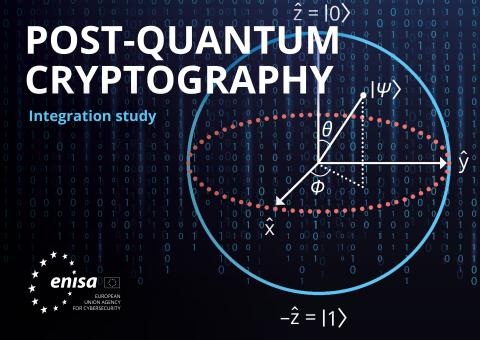
Post-quantum cryptography (PQC) is a set of mathematical algorithms designed to secure data against attacks from future quantum computers. It is not hardware. It is software. It is the digital equivalent of reinforcing a vault door before the lockpick exists.
The term is often confused with quantum computing itself. They are distinct. Quantum computers are the threat; PQC is the defense. A quantum computer uses qubits to perform calculations that would take classical supercomputers thousands of years. This power allows them to break the mathematical problems that currently protect your crypto wallet, such as elliptic-curve cryptography (ECC).
Current encryption standards rely on the difficulty of factoring large numbers or solving discrete logarithms. A sufficiently powerful quantum computer running Shor’s algorithm could solve these problems in minutes. PQC uses different mathematical structures, such as lattice-based problems, that even quantum computers cannot easily solve.
The National Institute of Standards and Technology (NIST) is leading the global effort to standardize these algorithms. Their project ensures that the migration to quantum-resistant standards is uniform and secure across all industries, from banking to blockchain. Without this standardization, your wallet could be left vulnerable to "harvest now, decrypt later" attacks, where adversaries steal encrypted data today and wait for quantum computers to unlock it.
NIST has already selected the first set of algorithms for standardization, marking the beginning of the end for classical encryption in sensitive applications. This shift is not theoretical; it is a deadline. The 2026 wallet security deadline refers to the window where legacy wallets must integrate these new standards before quantum threats become practical.
For crypto users, this means your private keys are currently vulnerable. While a quantum computer capable of breaking ECC does not yet exist, the timeline is short. PQC provides the only known defense against this specific, existential threat to digital ownership.
The 2026 NIST standard deadline
The timeline for migrating to quantum-resistant algorithms is no longer theoretical; it is anchored to the National Institute of Standards and Technology (NIST). The agency has finalized its first three standards—FIPS 203 (ML-KEM), FIPS 204 (ML-DSA), and FIPS 205 (SLH-DSA)—marking the end of the selection phase and the beginning of the implementation phase. These documents define the cryptographic algorithms that will replace current RSA and ECC methods, which are vulnerable to quantum attacks.
For wallet providers, 2026 represents the critical migration window. While quantum computers capable of breaking current encryption do not yet exist, the threat is "harvest now, decrypt later." Adversaries are already stealing encrypted private keys and storing them, waiting for future quantum capabilities to unlock them. By 2026, wallet software must integrate NIST-approved algorithms to ensure long-term security. Delaying this migration leaves user assets exposed to retroactive decryption.
The standards provide the blueprint, but the clock is ticking. Wallet providers must update their codebases to support these new algorithms before the threat landscape shifts further. This is not a gradual update but a mandatory infrastructure overhaul to maintain trust and security in the digital asset space.
How quantum computers break current wallets
Bitcoin and Ethereum wallets rely on elliptic curve cryptography (ECDSA and EdDSA) to generate public addresses from private keys. This mathematical relationship is one-way for classical computers: you can derive a public key from a private key, but deriving the private key from the public key is computationally impossible with current technology. This asymmetry is the foundation of self-custody security.
PQC addresses the vulnerability created by Shor’s algorithm. Unlike classical algorithms that factor large numbers, Shor’s algorithm can solve the discrete logarithm problem exponentially faster on a quantum computer. This means a sufficiently powerful quantum machine could reverse the elliptic curve multiplication, revealing your private key from your public address.
The threat is not theoretical; it is immediate in terms of data exposure. This enables a "harvest now, decrypt later" attack. Adversaries can collect unspent transaction outputs (UTXOs) or Ethereum addresses with large balances today, when the public key is visible on the blockchain. Once quantum computers achieve the necessary qubit count and error correction, they can retroactively derive the private keys and drain those dormant funds.

This risk applies specifically to addresses where the public key has been exposed. In Bitcoin, the public key is revealed only when you send a transaction from a P2PKH address. In Ethereum, the public key is revealed when you interact with a smart contract or send ETH from an externally owned account. Once the public key is on-chain, it remains vulnerable until the funds are moved to a new, quantum-resistant address.
Securing the entire lifecycle of digital assets requires upgrading algorithms and managing the migration window. As quantum hardware advances, the time to migrate legacy wallets before they are compromised narrows significantly. Understanding this mechanism is the first step in protecting digital wealth against the next generation of computing power.
How to migrate your wallet before 2026
The 2026 deadline for post-quantum cryptography isn't just a software update; it's a structural shift in how your assets are secured. Migrating now prevents the "harvest now, decrypt later" attacks where stolen encrypted data is stored until quantum computers become powerful enough to break current encryption standards.
Check if your wallet provider has published a migration roadmap. Look for mentions of NIST-standardized algorithms like CRYSTALS-Kyber or CRYSTALS-Dilithium. If your wallet still relies solely on ECDSA or Ed25519 without a hybrid fallback, it is vulnerable. Prioritize wallets that have already integrated hybrid signatures, combining traditional and post-quantum methods for a smoother transition.
Your seed phrase (mnemonic) is the root of your identity. Ensure your new wallet supports BIP-39 or BIP-44 standards without requiring a complete overhaul of your backup strategy. A successful migration should allow you to restore your wallet from your existing 12 or 24 words. If a new post-quantum wallet requires a new seed phrase, treat it as a separate asset recovery event, not a simple update.
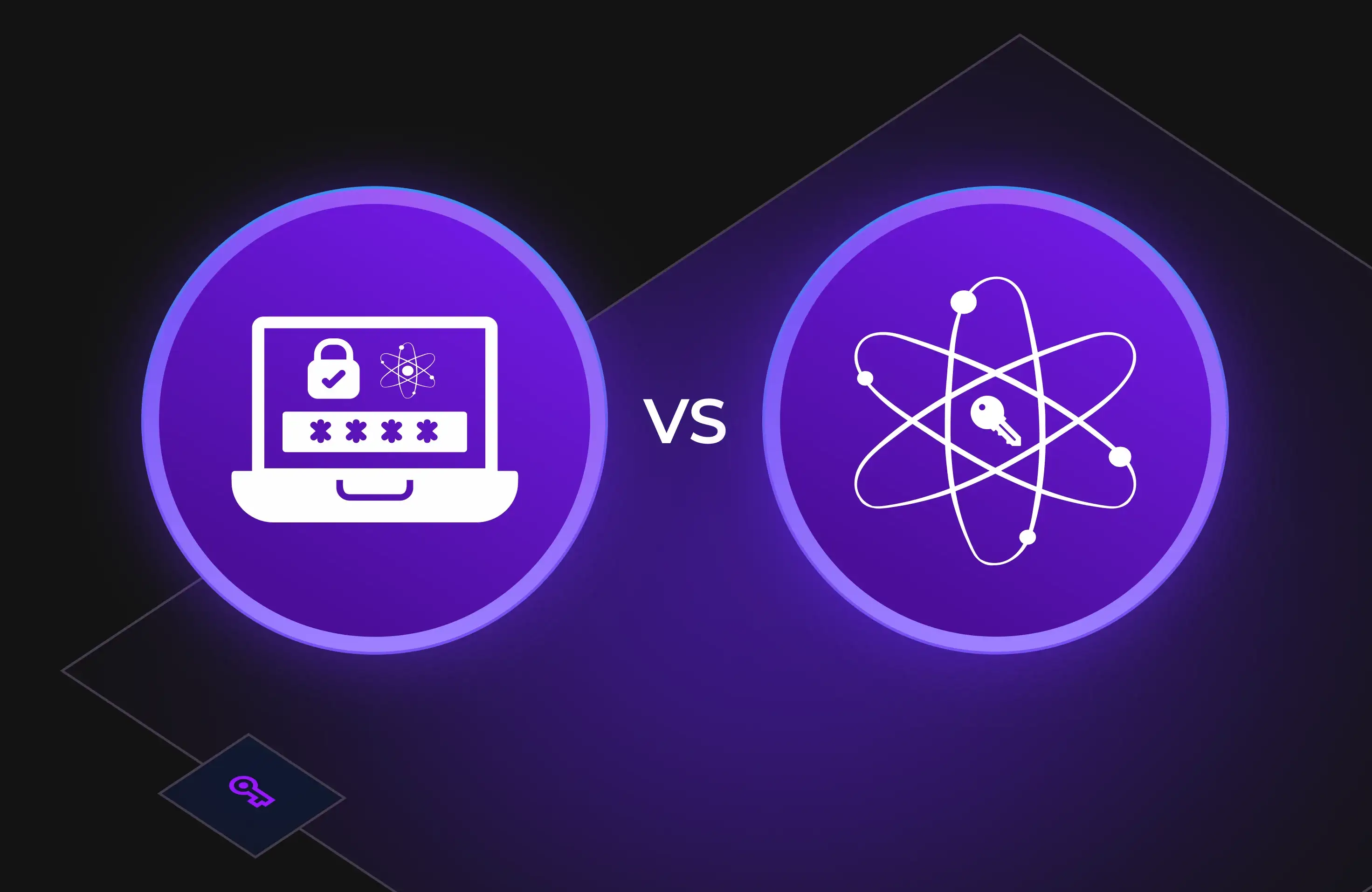
Before moving significant funds, perform a test transaction. Post-quantum signatures are larger than traditional ones, which can increase transaction fees and block space usage. Verify that your new wallet correctly constructs and broadcasts hybrid transactions. Check that the receiving end (exchange or another wallet) can process the new signature format without rejecting the transaction.
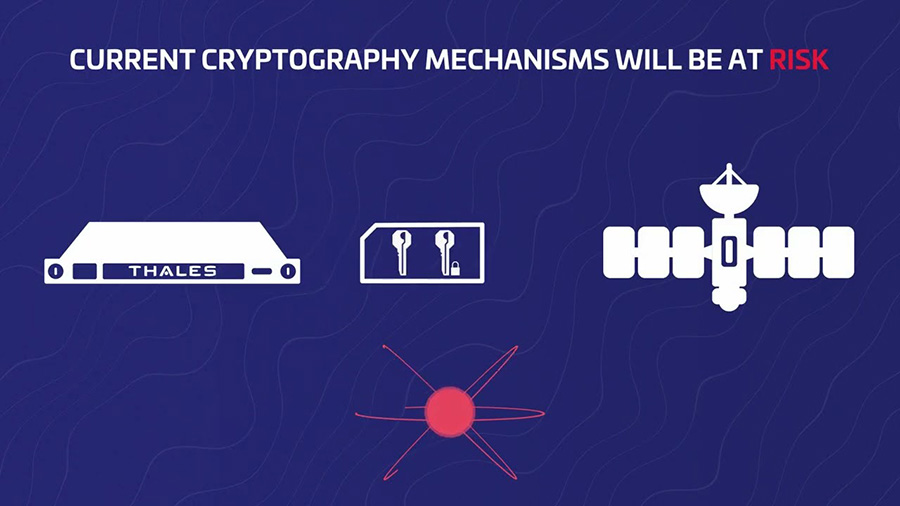
If you use a hardware wallet, confirm that the device firmware supports post-quantum algorithms. Many devices rely on secure elements that may need firmware updates to handle the increased computational load of hybrid signatures. Without this update, your hardware wallet may become a bottleneck or a security risk if it cannot process the new cryptographic standards.
| Feature | Traditional ECDSA | Hybrid PQC |
|---|---|---|
| Key Size | Small (32-64 bytes) | Large (1-2 KB) |
| Transaction Overhead | Low | Moderate to High |
| Quantum Resistance | No | Yes |
Securing your digital assets requires proactive management. By following these steps, you ensure your wallet remains secure against future quantum threats while maintaining compatibility with the current blockchain infrastructure.
Common post-quantum misconceptions
The narrative around post-quantum cryptography (PQC) is often clouded by hype, leading many to believe the threat is either immediate or irrelevant. In reality, the timeline for quantum decryption is longer than most realize, and the transition to new standards is a complex engineering challenge, not a simple software update. Understanding these distinctions is critical for protecting digital assets before the deadline arrives.
Quantum computers are not ready to break encryption
A common myth is that quantum computers can already crack current encryption methods. This is false. Today’s quantum processors are noisy and error-prone, lacking the stable qubit count required to run Shor’s algorithm against RSA or ECC. According to NIST, a cryptographically relevant quantum computer (CRQC) capable of breaking 2048-bit RSA is likely decades away.
However, the threat is not theoretical. "Harvest now, decrypt later" attacks are already underway. Adversaries are storing encrypted data today, knowing they can unlock it once quantum technology matures. This makes proactive migration to PQC essential, even if the quantum threat is not yet immediate.
PQC makes transactions too slow
Another misconception is that post-quantum algorithms are too bulky and slow for everyday use. While some PQC schemes do have larger key sizes and signatures than classical counterparts, the performance impact is often exaggerated. For most wallet transactions, the latency is negligible to the user.
The real cost is in storage and bandwidth, not transaction speed. Modern PQC standards like CRYSTALS-Kyber are optimized for efficiency. The industry is actively working on hybrid solutions that balance security with performance, ensuring that the migration does not degrade the user experience.
PQC is a silver bullet
Post-quantum cryptography protects against quantum threats, but it does not solve all security issues. Phishing, malware, and poor key management remain significant risks. Implementing PQC is a necessary step, but it must be part of a broader security strategy that includes hardware security modules (HSMs) and multi-signature wallets.
Relying solely on algorithmic strength without robust operational security leaves wallets vulnerable. The goal is not just to be quantum-resistant, but to be secure in a holistic sense.
Frequently asked questions about post-quantum cryptography
The transition to post-quantum cryptography (PQC) involves more than just software updates. It requires a fundamental shift in how digital signatures and encryption keys are managed across the entire blockchain ecosystem. Below are answers to the most common technical and strategic questions regarding this deadline.
No comments yet. Be the first to share your thoughts!