
Why 2026 marks the quantum shift
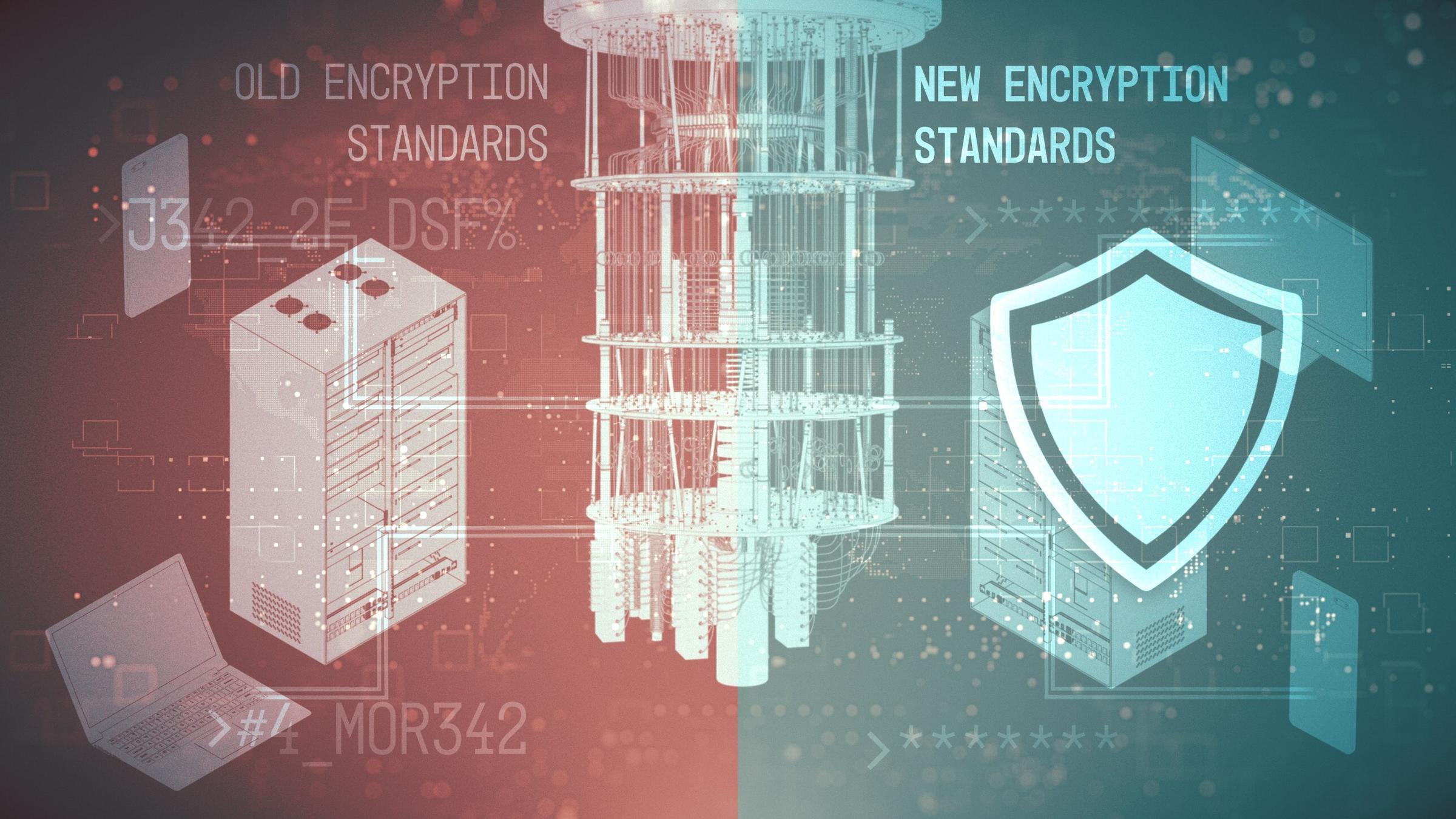
The year 2026 is not a distant horizon; it is the deadline for digital asset security. With the National Institute of Standards and Technology (NIST) finalizing its post-quantum cryptography standards, the window to protect current infrastructure is closing rapidly. This transition is not merely a technical upgrade—it is a defensive necessity against a threat that is already active.
The danger is not the quantum computer itself, but the strategy known as "Harvest Now, Decrypt Later." Adversaries are currently intercepting encrypted data, storing it, and waiting for quantum computers to become powerful enough to break today's encryption. By the time those machines are operational, your assets and data will be exposed. You are effectively defending against a future attack that is being prepared today.
This urgency is reflected in the broader security landscape. The shift to post-quantum algorithms requires immediate attention from financial institutions and crypto platforms. The finalized standards provide the blueprint, but the clock is ticking. Delaying migration means accepting that your current security measures are already obsolete.
Market Context
The stakes are high, and the market is reacting. The transition to post-quantum cryptography is influencing how digital assets are valued and secured. As institutions prepare for this shift, the underlying technology becomes a critical factor in trust and stability.
The integration of these new standards is not just about compliance; it is about survival. The 2026 deadline forces a reevaluation of every layer of digital security. From blockchain protocols to traditional banking systems, the pressure is on to adopt NIST-approved algorithms before the quantum threat becomes irreversible.
NIST standards and crypto implementation
Use this section to make the Post-Quantum Cryptography decision easier to compare in real life, not just on paper. Start with the reader's actual constraint, then separate must-have requirements from details that are merely nice to have. A practical choice should survive normal use, maintenance, timing, and budget. If a recommendation only works in an ideal situation, call that out plainly and give the reader a fallback path.
| Factor | What to check | Why it matters |
|---|---|---|
| Fit | Match the option to the primary use case. | A good deal still fails if it does not fit the job. |
| Condition | Verify age, wear, and service history. | Hidden condition issues erase upfront savings. |
| Cost | Compare purchase price with likely upkeep. | The cheapest option is not always the lowest-cost option. |
Protecting digital assets from quantum attacks
The finalized NIST standards in 2026 shift post-quantum cryptography (PQC) from theoretical research to immediate infrastructure requirements. For blockchain networks, this transition is not merely an upgrade but a survival mechanism. Legacy elliptic-curve signatures, which currently secure billions in digital assets, will become vulnerable to quantum decryption within a decade. Wallets and exchanges must now adopt hybrid cryptographic approaches to maintain security during this transition period.
Wallet protection remains the most critical vulnerability. Traditional wallets rely on single cryptographic signatures that quantum computers can break. By implementing hybrid schemes, wallets combine classical algorithms with NIST-standardized PQC algorithms like CRYSTALS-Kyber and CRYSTALS-Dilithium. This dual-layer approach ensures that even if one method is compromised, the other maintains the integrity of the private key. The GSA recommends this hybrid strategy for all federal systems, a standard that major crypto institutions are rapidly mirroring to protect user funds.
Transaction signing processes must also evolve to accommodate larger key sizes. PQC algorithms require more data than classical methods, increasing transaction fees and block space requirements. Networks that fail to adjust their consensus mechanisms for these larger signatures will face bottlenecks and potential security gaps. The shift requires careful coordination between protocol developers and node operators to ensure backward compatibility while enforcing new security standards.
The market is already reacting to these security imperatives. As quantum computing research milestones are achieved, volatility in crypto assets often spikes, reflecting investor concern over cryptographic resilience. The correlation between quantum advancements and market sentiment underscores the urgency of adopting NIST standards immediately rather than waiting for theoretical threats to materialize.
The 2026 implementation roadmap
Post-Quantum Cryptography works best as a clear sequence: define the constraint, compare the realistic options, test the tradeoff, and choose the path with the fewest hidden costs. That order keeps the advice usable instead of decorative. After each step, pause long enough to check whether the recommendation still fits the reader's actual situation. If it depends on perfect timing, unusual access, or a best-case budget, include a simpler fallback.
Frequently asked questions on PQC 2026
When do NIST standards become mandatory?
The National Institute of Standards and Technology (NIST) finalized its first set of post-quantum cryptography standards in August 2024, with additional algorithms expected in 2025 and 2026. While the standards are official, mandatory adoption timelines depend on your specific infrastructure. The General Services Administration (GSA) requires federal agencies to migrate by 2030-2033, but private sector financial institutions should treat this as an immediate priority to protect long-lived digital assets.
Will Bitcoin and Ethereum switch to post-quantum signatures?
Network upgrades to quantum-resistant signatures require consensus from miners, validators, and node operators, making them complex and slow. There is no current plan for Bitcoin or Ethereum to implement NIST standards like CRYSTALS-Dilithium in the near term. However, the threat to ECDSA and Ed25519 signatures is real; users should monitor wallet providers for updates that support hybrid signing schemes.
How much does it cost to migrate to PQC?
Migration costs vary by infrastructure scale. For individual users, the cost is negligible if using updated wallet software. For exchanges and custodians, costs include updating cryptographic libraries, re-issuing keys, and potentially increasing transaction sizes. The financial risk of inaction—potential theft of assets using future quantum computers—far outweighs the current implementation expenses.
Can I protect my crypto wallet today?
Yes. While full network-wide quantum resistance is years away, you can adopt "crypto-agility" by using multi-signature wallets that combine classical and post-quantum signatures. This hybrid approach ensures that even if one algorithm is broken, your assets remain secure. Regularly update your wallet software to support the latest NIST-approved algorithms.
No comments yet. Be the first to share your thoughts!