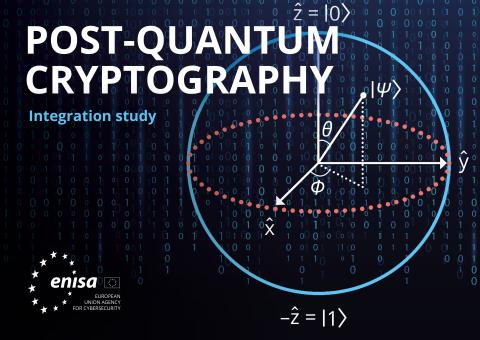
The quantum threat to crypto wallets
Use this section to make the post-quantum cryptography decision easier to compare in real life, not just on paper. Start with the reader's actual constraint, then separate must-have requirements from details that are merely nice to have.
A practical choice should survive normal use, maintenance, timing, and budget. If a recommendation only works in an ideal situation, call that out plainly and give the reader a fallback path.
The simplest way to use this section is to write down the must-have criteria first, then compare each option against those criteria before weighing nice-to-have features.
NIST 2026 standards explained
The National Institute of Standards and Technology (NIST) finalized its post-quantum cryptography standards in 2024, with implementation timelines targeting 2026. These standards define the new cryptographic algorithms that will replace current elliptic curve and RSA methods vulnerable to quantum computing attacks. For crypto wallets, this transition is not optional; it is a structural requirement for long-term asset security.
NIST selected three primary algorithms to handle different cryptographic needs:
ML-KEM (Module-Lattice-Based Key-Encapsulation Mechanism) Formerly known as Kyber, ML-KEM is the standard for key encapsulation. In blockchain terms, this replaces the key exchange protocols used to establish secure connections between wallets and nodes. It ensures that the encryption keys used to protect transaction data remain secure against quantum decryption attempts.
ML-DSA (Module-Lattice-Based Digital Signature Algorithm) Based on the Dilithium algorithm, ML-DSA is the primary standard for digital signatures. This directly impacts how blockchain transactions are signed. When you approve a transfer, your wallet uses ML-DSA to generate a signature that proves ownership without revealing your private key. It is designed to be efficient for the memory-constrained environments typical of hardware wallets.
SLH-DSA (Stateless Hash-Based Digital Signature Algorithm) Based on SPHINCS+, SLH-DSA serves as a fallback for scenarios where lattice-based assumptions might fail. It relies on hash functions, which are currently resistant to quantum attacks. While slower and producing larger signatures, it provides a distinct layer of security diversity for critical, long-term storage addresses.
These standards form the backbone of quantum-safe blockchain infrastructure. Wallets that do not support ML-DSA or ML-KEM will eventually become incompatible with secure network nodes. Monitoring NIST's official guidance remains the most reliable way to track these changes.
Wallet providers and migration paths
Major wallet providers are no longer waiting for quantum computers to break elliptic curve cryptography (ECC). The migration to post-quantum crypto is shifting from theoretical research to active software updates, with a focus on hybrid signature schemes that combine classical and quantum-resistant algorithms.
The immediate standard for this transition is hybrid signing. Instead of replacing existing keys entirely, wallets are layering post-quantum signatures—such as those based on lattice structures—over traditional ECDSA or Ed25519 signatures. This approach ensures that even if a quantum computer breaks the classical layer, the quantum-resistant layer remains secure. It also protects against the reverse: if the new post-quantum algorithms have undiscovered flaws, the classical layer provides a fallback. This dual-layer strategy is the industry's primary defense mechanism during the transition period leading up to 2026.
Leading infrastructure providers are driving this change. Companies like Cisco and the Post-Quantum Cryptography Alliance are developing high-assurance software implementations that wallets can integrate. These updates are not just about adding new algorithms; they are about ensuring that the signature size and transaction speed remain practical for everyday use. Post-quantum signatures are often larger than classical ones, which can increase transaction fees and slow down confirmation times on networks like Bitcoin.
The table below compares the operational differences between current ECC-based wallets and those adopting post-quantum standards.
| Feature | Current ECC Wallets | Post-Quantum Hybrid Wallets |
|---|---|---|
| Signature Size | ~64-72 bytes | ~1.6-4 KB (hybrid) |
| Transaction Speed | Fast (low data transfer) | Slightly slower (higher bandwidth) |
| Quantum Safety | Vulnerable to Shor’s algorithm | Resistant (lattice-based) |
| Implementation | Standard across all wallets | Emerging (software updates required) |
Wallet developers are prioritizing backward compatibility. Most major providers are releasing updates that enable post-quantum features as an optional or default setting for new addresses, while keeping legacy addresses functional. This phased rollout allows users to migrate their assets gradually without losing access to older wallets. The goal is to make the transition invisible to the average user, ensuring that security improvements do not come at the cost of usability.
As the 2026 deadline approaches, the focus will shift from optional updates to mandatory migrations. Wallets that do not support hybrid or pure post-quantum signatures may face restrictions or loss of functionality on major networks. Users should monitor their wallet providers for announcements regarding PQC integration and be prepared to update their software or generate new addresses to maintain full security.
Market impact on crypto assets
The transition to post-quantum cryptography (PQC) introduces a distinct valuation dynamic for major crypto assets. While the immediate technical threat of quantum decryption remains theoretical for most current elliptic curve implementations, the market prices in the risk of future obsolescence. Investors are increasingly viewing wallet security not just as a technical feature, but as a fundamental component of asset longevity and trust.
Bitcoin and Ethereum serve as the primary benchmarks for this shift. As the dominant stores of value, their protocols face the highest scrutiny regarding long-term cryptographic resilience. The adoption of PQC standards by these networks signals institutional-grade security, potentially stabilizing their valuations against speculative fears of quantum-based attacks. Conversely, smaller altcoins with less robust development resources may face a "security discount" if they fail to demonstrate a clear migration path to quantum-resistant algorithms.
This security premium is reflected in trading volumes and institutional inflows. Assets that proactively integrate NIST-approved PQC algorithms, such as CRYSTALS-Kyber, often see increased confidence from enterprise custodians. The market rewards proactive adaptation, treating quantum-readiness as a key differentiator in a crowded landscape. This creates a bifurcation where secure, forward-looking assets attract long-term capital, while legacy systems struggle with perceived vulnerability.
Ultimately, the market impact is less about immediate price spikes and more about sustained trust. As quantum computing capabilities advance, the cost of inaction for crypto protocols will rise sharply. Projects that embed PQC early will likely command a higher valuation multiple, reflecting their reduced long-term risk profile. This shift marks a maturation of the crypto market, where security infrastructure becomes as critical as liquidity or network speed.
FAQs on post-quantum crypto
How do hybrid signatures protect my wallet during the transition?
Hybrid signing combines a classical signature (like ECDSA) with a post-quantum signature (like ML-DSA) in a single transaction. This ensures security even if one algorithm is compromised. If a quantum computer breaks the classical layer, the post-quantum layer still protects your assets. Conversely, if the new post-quantum algorithms have undiscovered flaws, the classical layer remains secure. This dual-layer approach is the industry's primary defense mechanism during the transition period leading up to 2026.
What is the difference between ML-KEM and ML-DSA?
ML-KEM (Module-Lattice-Based Key-Encapsulation Mechanism) is used for key exchange, establishing secure connections between wallets and nodes. ML-DSA (Module-Lattice-Based Digital Signature Algorithm) is used for digital signatures, proving ownership when you approve a transaction. Both are based on lattice-based cryptography but serve different functions in the cryptographic stack.
Will post-quantum signatures increase my transaction fees?
Yes, likely. Post-quantum signatures are significantly larger than classical ones. For example, a hybrid signature can be 1.6–4 KB compared to ~64–72 bytes for ECDSA. On networks like Bitcoin, larger data sizes mean higher transaction fees and potentially slower confirmation times due to increased bandwidth requirements. Wallet providers are optimizing for this, but users should expect some cost increase during the transition.
When do I need to update my wallet?
While NIST recommends transitioning by 2030, wallet providers are beginning integration in 2025. Users should monitor their wallet providers for announcements regarding PQC integration. Most major providers are releasing updates that enable post-quantum features as an optional or default setting for new addresses. You should be prepared to update your software or generate new addresses to maintain full security as the 2026 deadline approaches.
No comments yet. Be the first to share your thoughts!