
In the evolving landscape of blockchain privacy, Fully Homomorphic Encryption (FHE) stands out as a game-changer for encrypted smart contracts. Fhenix brings this technology to EVM developers, allowing computations on encrypted data without ever decrypting it on-chain. Imagine building DeFi apps where user balances, loan terms, or voting results stay hidden from prying eyes, yet the blockchain verifies everything correctly. Fhenix's approach, powered by the CoFHE coprocessor, makes this feasible without rewriting your Solidity code from scratch.

Fhenix targets Ethereum and EVM-compatible chains like Arbitrum, where privacy has long been a weak spot. Traditional zero-knowledge proofs excel at verification but struggle with dynamic, stateful computations. FHE flips that script: contracts process privacy-preserving smart contracts on EVM directly on ciphertexts. The result? Confidential transactions that scale with Ethereum's infrastructure. As an EVM developer, you get Ethereum compatibility, meaning your existing tools, wallets, and libraries work seamlessly.
Grasping Fhenix's Core Architecture
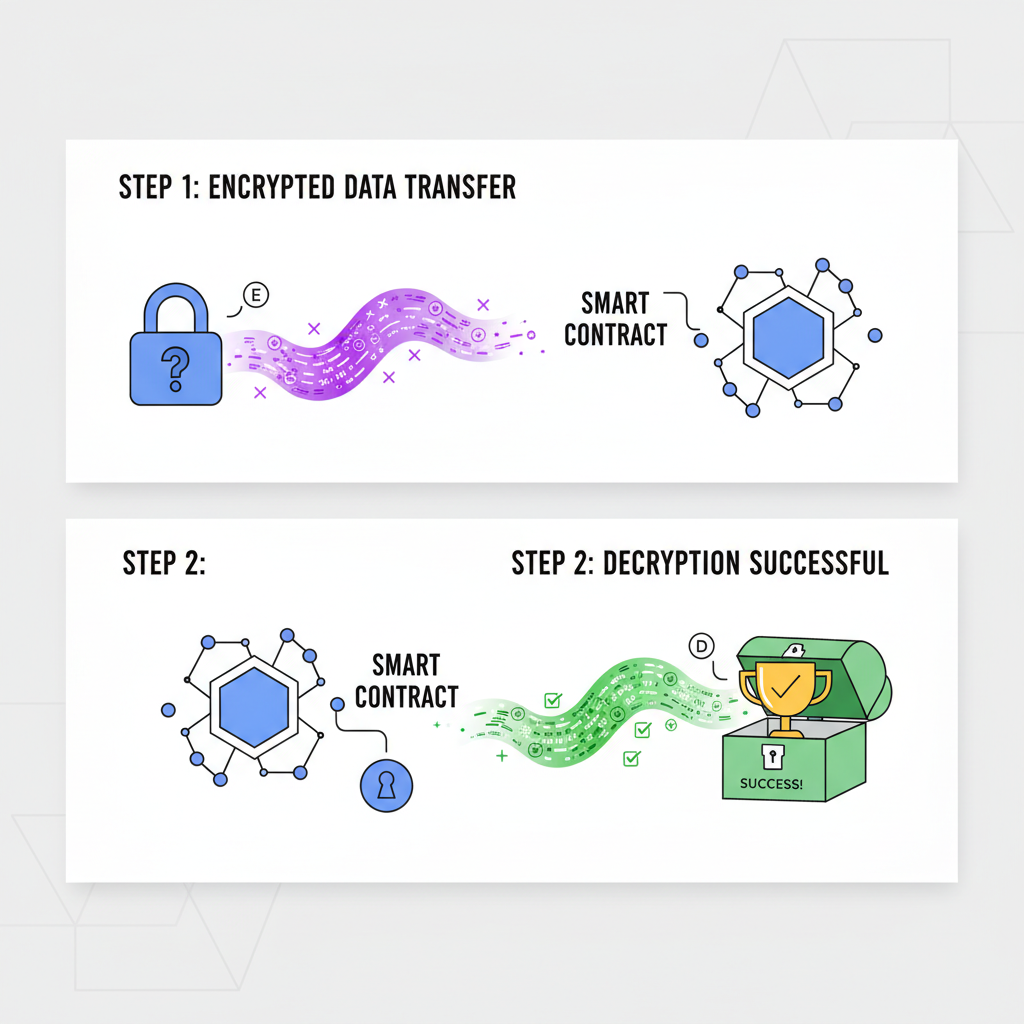
At its heart, Fhenix deploys the FHE Coprocessor (CoFHE) as an off-chain layer that handles heavy encrypted computations. Smart contracts request operations via a simple interface, and CoFHE returns encrypted results verifiable on-chain. This hybrid model sidesteps FHE's notorious performance overhead while keeping everything decentralized. Live on Ethereum mainnet and Arbitrum, plus testnets like Arbitrum Sepolia, it's production-ready for daring builders.
Fhenix enables developers to build privacy-preserving smart contracts using Fully Homomorphic Encryption (FHE). Create dApps where sensitive data remains encrypted throughout.
What sets Fhenix apart from pure FHE rollups or other confidentiality layers? It's developer-centric. No PhD in cryptography required. Their tools, like fhenix. js, handle encryption, unsealing, and integration helpers. Partnerships with EigenLayer further embed FHE coprocessors into the ecosystem, promising scalability through restaking incentives. Backed by a $15 million Series A from heavyweights like Hack VC and Amber Group, Fhenix is positioning itself as Ethereum's privacy infrastructure.


Why EVM Developers Should Embrace FHE on Fhenix
Privacy isn't a luxury; it's a necessity in a world of on-chain surveillance. Public blockchains expose every detail, inviting front-running, MEV exploitation, and regulatory headaches. Fhenix smart contracts shield against this. Think private order books in DEXes, confidential credit scores in lending protocols, or sealed bids in auctions. For enterprises eyeing blockchain, FHE unlocks use cases like compliant private DeFi without trusted intermediaries.
From a risk perspective, FHE mitigates data leakage while preserving auditability. Computations are deterministic and verifiable, aligning with smart contract principles. Yet, adoption hinges on usability. Fhenix nails this with minimal code changes: often one line delegates to CoFHE. Ethereum Research highlights how their tools abstract crypto complexities, letting you focus on logic. In my view, this democratizes homomorphic encryption for blockchain developers, turning theoretical promise into deployable reality.
Getting started mirrors standard EVM workflows, with Fhenix-specific tweaks. Head to the Fhenix Quick Start guide for the rundown. Install Foundry or Hardhat, then add Fhenix dependencies via npm: fhenix. js for frontend encryption and CoFHE contracts for backend.
- Clone the Fhenix dev repo from GitHub.
- Run
npm install @fhenix/fhenix-jsfor client-side tools. - Spin up a local node with
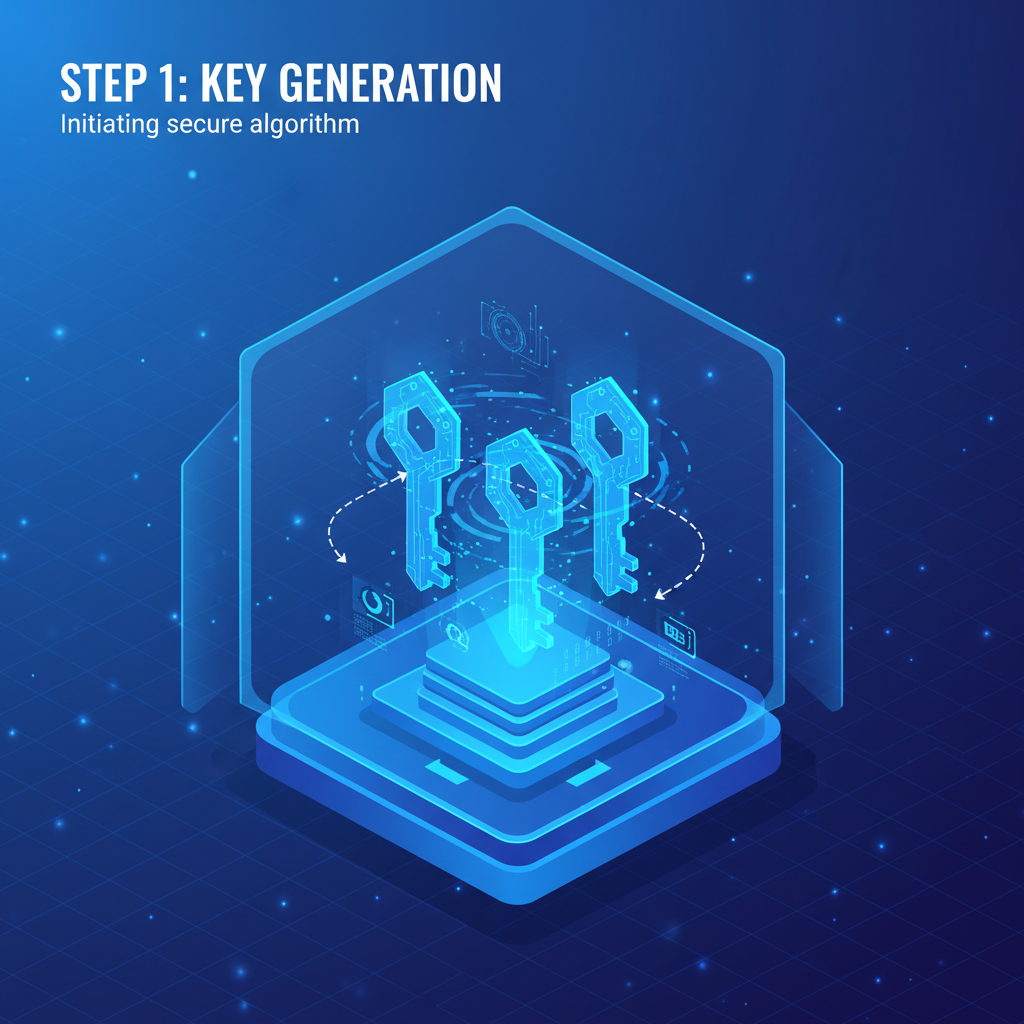
npx fhevm-node, mimicking testnet conditions. - Generate keys: public for encryption, private for your wallet's unsealing.
This setup equips you for end-to-end testing. Encrypt inputs off-chain, submit to your contract, let CoFHE compute, and decrypt outputs client-side. Gas costs? Optimized via batched requests, though expect premiums over plain EVM ops during early mainnet phases. Test on Arbitrum Sepolia first to benchmark.
With environment ready, you're primed to craft your inaugural confidential smart contracts tutorial piece. Next steps dive into code patterns that leverage FHE primitives like encrypted comparisons and aggregations, blending seamlessly with Solidity's familiarity.
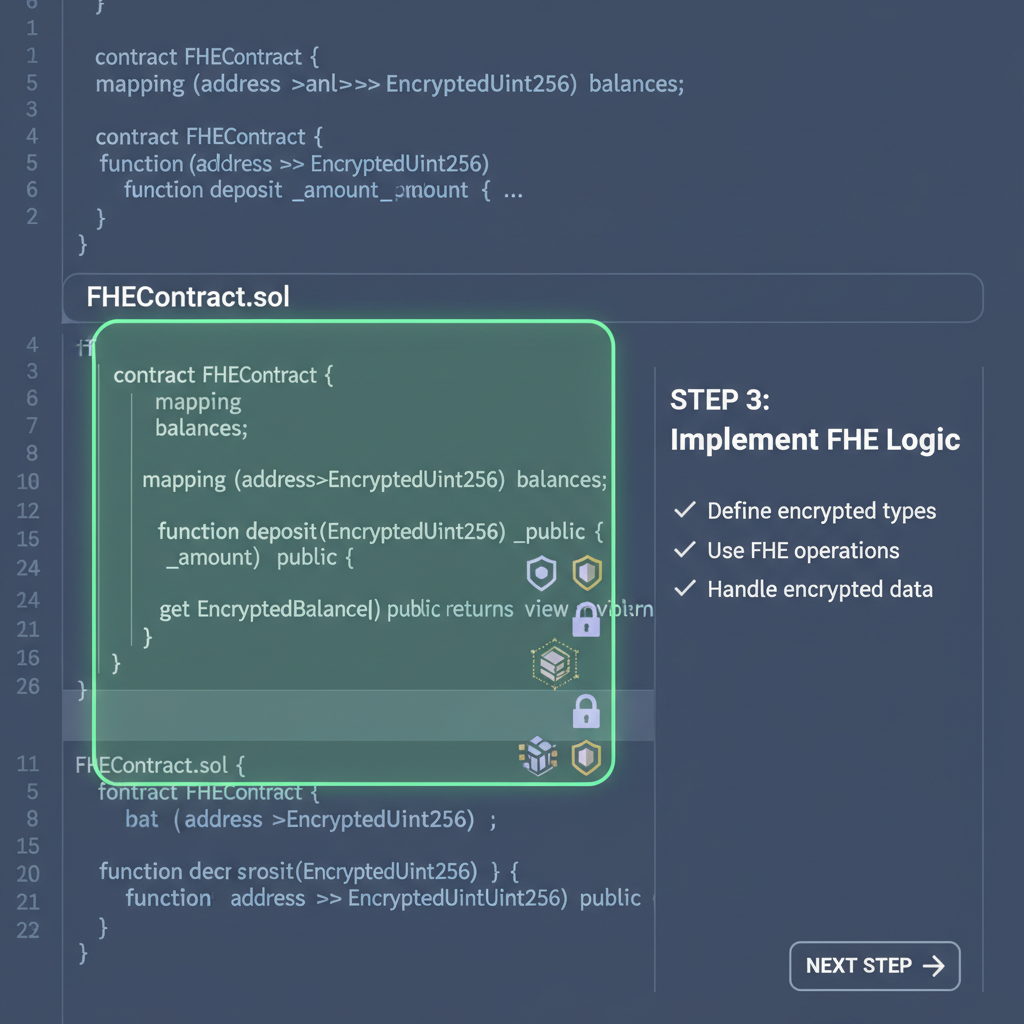
Let's build a practical example: a confidential voting contract where tallies remain encrypted until reveal time. Start by importing Fhenix interfaces in your Solidity file. Delegate vote encryption to the client using fhenix. js, then call a CoFHE function for aggregation. The coprocessor sums ciphertexts, returning an encrypted total verifiable on-chain without exposure.
Deploying to Fhenix Testnets: A Hands-On Walkthrough
Transition from local to live testing on Arbitrum Sepolia. Fund your wallet with test ETH and FHE tokens for gas. Verify contracts on Etherscan equivalents, noting encrypted storage slots. Monitor CoFHE requests via Fhenix explorers, tracking latency and costs. Early benchmarks show 10x overhead versus plain ops, but batching and EigenLayer optimizations narrow the gap.
Deploy Encrypted FHE Smart Contracts on Fhenix to Arbitrum Sepolia

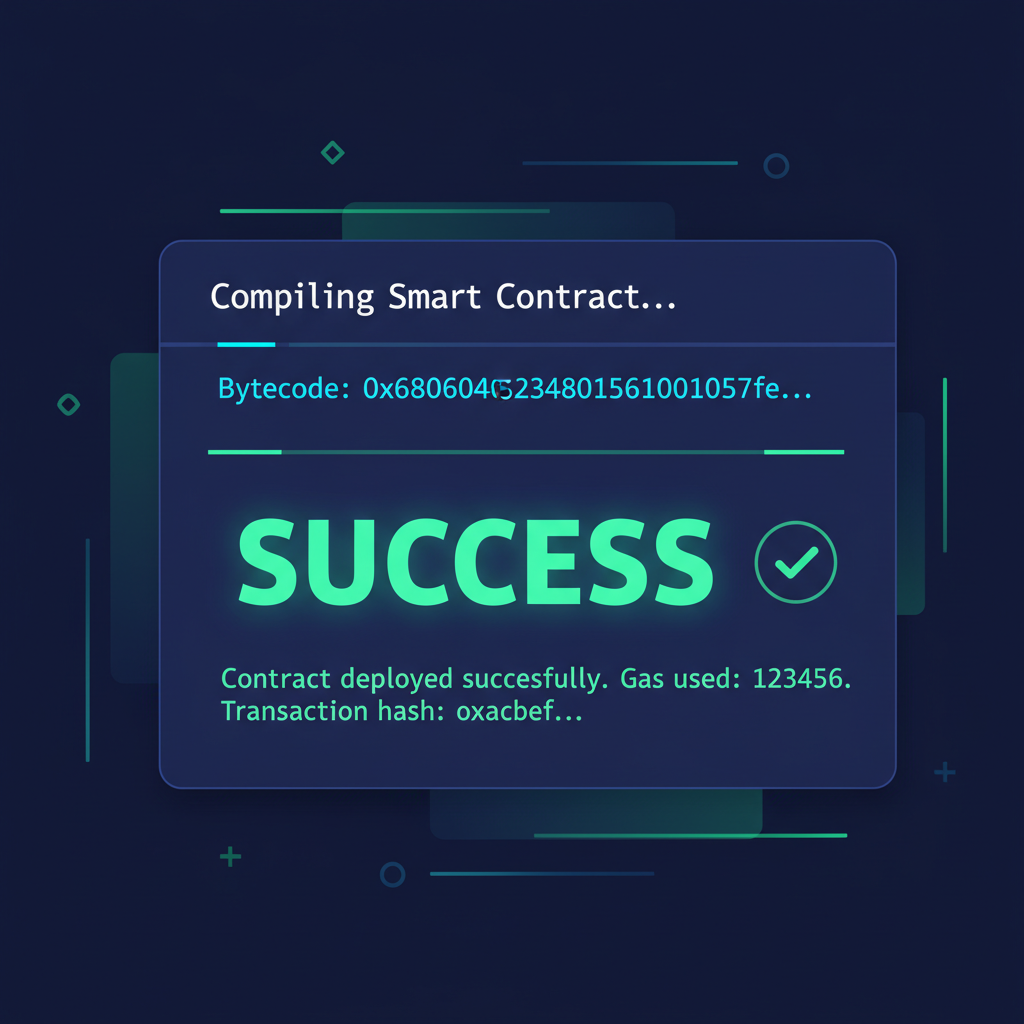
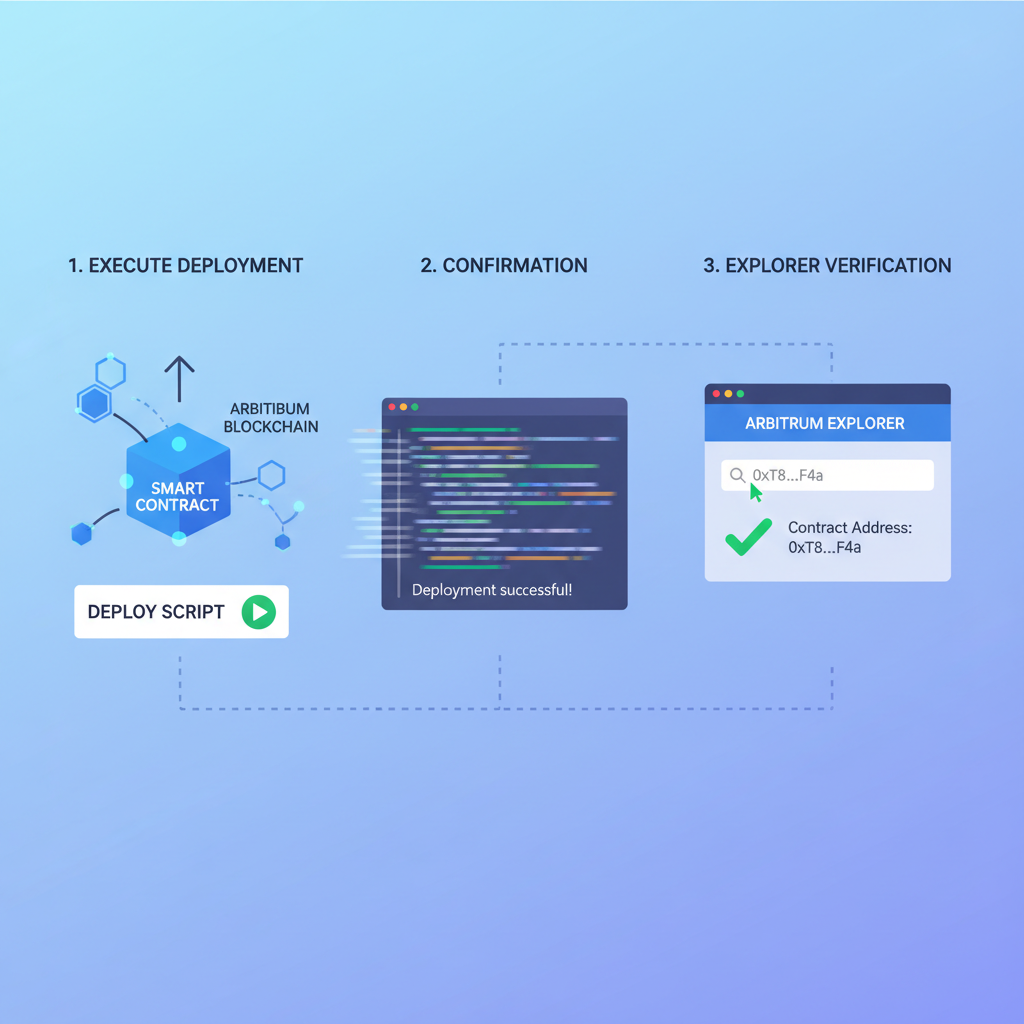

Mainnet deployment follows suit, live on Ethereum and Arbitrum. Start small: proxy patterns upgrade logic without migrating state. Risk management tip: audit CoFHE interactions rigorously, as FHE introduces novel vectors like key mismanagement. Fhenix's tooling includes formal verification helpers, aligning with my mantra that smart risk underpins smart contracts.
Advanced Patterns and Real-World Use Cases
Beyond basics, layer FHE with oracles for private price feeds in DeFi. A lending protocol computes health factors on encrypted collateral without revealing positions, thwarting liquidation snipers. In governance, DAOs tally proposals confidentially, curbing vote buying. Enterprises build supply chain trackers where costs and quantities stay hidden from competitors. Fhenix's Ethereum compatibility means composability shines: plug into Uniswap for private swaps or Aave for shielded borrows.
Challenges persist. FHE's compute intensity demands judicious use; reserve for sensitivity hotspots. Key rotation and access controls add layers, but fhenix. js abstracts much. Compared to ZK alternatives, FHE offers stateful privacy without proof generation per transaction, ideal for high-throughput apps. Ethereum Research praises this balance, positioning Fhenix as the practical path for homomorphic encryption blockchain developers.
Security audits from top firms validate CoFHE's robustness, with no known exploits post-launch. Funding fuels ongoing R and amp;D: threshold schemes for keyless unsealing, hardware acceleration integrations. Partnerships like EigenLayer decentralize coprocessors via restaking, slashing centralization risks.
For EVM builders, Fhenix lowers the privacy barrier dramatically. Experiment on testnets, iterate with community templates on GitHub, and deploy privacy-preserving smart contracts EVM that redefine blockchain utility. The crypto landscape craves this edge; those mastering encrypted smart contracts FHE today lead tomorrow's confidential economy.




No comments yet. Be the first to share your thoughts!