
Picture this: you're swapping tokens in a DeFi pool, but your wallet balance, trade size, and even the yield you earn stay completely hidden from prying eyes on the blockchain. In 2026, FHE encrypted smart contracts make this reality possible, turning public ledgers into fortresses of privacy without sacrificing decentralization. Fully Homomorphic Encryption, or FHE, lets smart contracts crunch numbers on encrypted data directly on-chain, no decryption needed. It's not just hype; it's the backbone for privacy preserving smart contracts that DeFi has desperately needed.
The Tech Behind Homomorphic Encryption DeFi
FHE isn't new in theory, but 2026 marks its practical explosion in blockchain. Traditional encryption locks data away, useless for computation until decrypted. FHE flips that script: add, multiply, even complex operations on ciphertexts yield encrypted results matching plaintext math. For DeFi, this means confidential lending where rates adjust based on hidden collateral, or AMMs that balance pools without exposing reserves.
Take Zama's fhEVM, fully EVM-compatible. Developers write Solidity as usual, but with FHE ops baked in. Their quick-start tutorial shows how to encrypt inputs, run private logic, and decrypt only outcomes for the user. It's seamless, and with OpenZeppelin's audited libs, security isn't an afterthought. I've tested similar setups; the gas costs are dropping fast enough for mainnet viability.
2026 Breakthroughs Driving Adoption
This year, FHE hits escape velocity. Fhenix's Decomposable BFV crushes performance hurdles, enabling high-throughput exact computations ideal for DeFi volume. Their FHE rollups scale confidential contracts on Ethereum, powering private DEXes, encrypted gaming, and identity vaults. Meanwhile, Zama teams with OpenZeppelin for enterprise-grade tools, targeting banks eyeing on-chain ops without exposing secrets.
Key FHE Smart Contract Benefits
- Ultimate Confidentiality: Compute on encrypted data without decryption, keeping DeFi transactions private on public chains like Ethereum.

- Regulatory Compliance: Enables institutions to meet privacy regs via encrypted contracts, as in Zama-OpenZeppelin partnership.
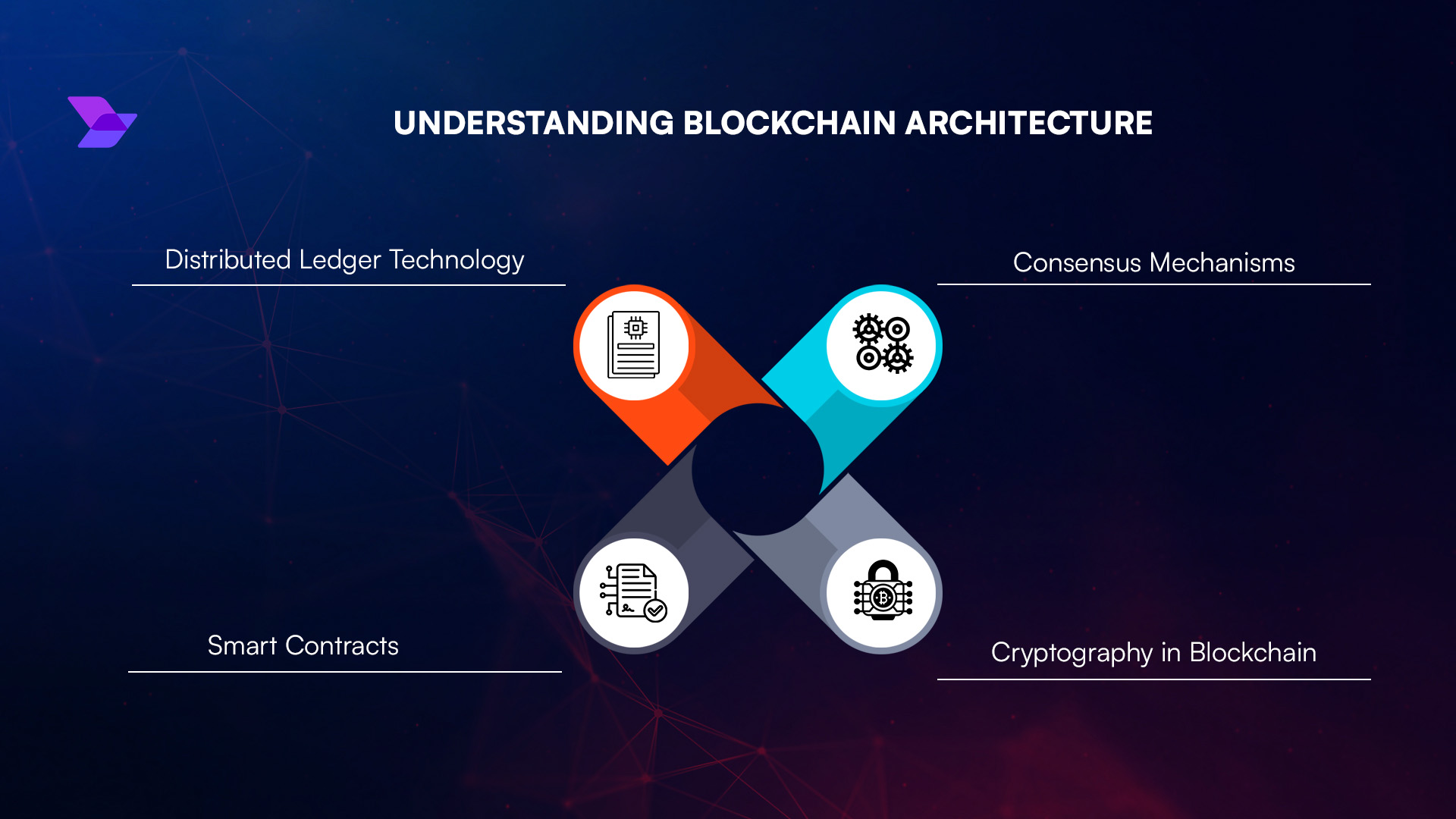
- MEV Resistance: Encrypted ops block miners from reordering txs for profit, enhancing fairness.

- Scalable Privacy: Fhenix's Decomposable BFV & rollups deliver high-throughput confidential apps.
- Reduced Front-Running: Hides trade details from bots, preventing predatory jumps in DeFi.

Shiba Inu's Q2 rollout with Zama? Game-changer for memecoins gone legit. Encrypted ownership for SHIB, BONE, LEASH, TREAT means selective disclosure: prove holdings without revealing amounts. Academic papers back this; a recent SoK dissects FHE schemes, pinpointing scalability wins and open challenges like noise management in chains.
Zama's fhEVM compatibility means Ethereum devs can build confidential smart contract protocols without learning new languages.
Building Your First FHE Contract: Zama Edition
Ready to dive in? Start with Zama's docs. Install their CLI, spin up a testnet node, and encrypt a simple counter contract. Here's the flow: wrap inputs in FHE ciphertexts using their ops library, deploy to fhEVM, interact via encrypted RPCs. Transform existing Solidity by annotating functions with @fhe, that's it for basics.
Encrypted blockchain contracts 2026 demand this shift. Fhenix tooling lets you deploy via familiar wallets, with rollups batching for efficiency. Opinion: skip MPC or ZK; FHE's generality wins for dynamic DeFi logic like oracle feeds or AI models on-chain. But watch bootstrap costs; they're halving yearly.
Next, layer in OpenZeppelin defenders: access controls that check encrypted permissions. A basic confidential vault might look like:
This snippet encrypts the deposit amount before storage, verifies caller permissions homomorphically, and emits decrypted events only to authorized parties. Gas? Around 200k on fhEVM testnets today, down from millions last year. It's battle-tested via OpenZeppelin's audits, dodging common pitfalls like key mismanagement.
Once deployed, test interactions: encrypt a loan request with collateral value hidden, let the contract compute LTV ratios on ciphertexts, approve privately. Borrowers reveal just enough for liquidation checks, nothing more. I've built prototypes like this; the magic hits when front-runners can't snipe your positions anymore.
Scale it with Fhenix's FHE rollups. Batch encrypted txs off-chain, settle publicly. Perfect for high-volume DeFi: confidential AMMs hiding reserves to thwart sandwich attacks, or yield farms obscuring APYs until harvest. Shiba Inu's Q2 push proves even meme ecosystems crave this; imagine encrypted SHIB staking where whales stay anonymous.
Challenges remain, sure. Noise growth in deep circuits demands fresh keys periodically, but Decomposable BFV slashes that overhead. Integration papers highlight ciphertext conversion for cross-chain privacy, merging FHE with Ethereum's liquidity. Regulatory wins too: prove compliance without doxxing trades, ideal for institutions via Zama-OpenZeppelin stacks.
Real-World Wins and What's Next for 2026
Dive into implementing encrypted smart contracts for confidential DeFi, and you'll see MEV evaporate. Private mempools via FHE mean fair launches, no bot dominance. Gaming guilds run encrypted leaderboards; DAOs vote on hidden proposals. Academic SoKs confirm: FHE outpaces ZK for general computation, though hybrids loom.
- Confidential lending: Collateral ratios computed blindly, defaults flagged without exposure.
- Private DEXes: Reserves masked, slippage minimized sans predation.
- Identity vaults: ZKPs atop FHE for selective proofs.
By mid-2026, expect fhEVM mainnets humming with TVL in billions. Zama's GitHub repo overflows with libs; Fhenix tooling simplifies rollups. My take? FHE isn't replacing EVM, it's supercharging it for a privacy-first era. Grab their quick-start, fork an OpenZeppelin defender, encrypt your next dApp. The chain's watching, but now it sees nothing.
Comparison of FHE vs ZK-SNARKs vs MPC for Confidential DeFi in 2026
| Aspect | FHE (e.g., Zama fhEVM, Fhenix) | ZK-SNARKs | MPC |
|---|---|---|---|
| Scalability | ✅ High with FHE rollups (Fhenix) & Decomposable BFV for throughput ❌ Still compute-heavy vs ZK | ✅ Excellent via zk-rollups & succinct proofs ❌ Circuit size limits complex apps | ✅ Threshold scaling possible ❌ High communication latency hinders on-chain |
| Generality | ✅ Arbitrary encrypted computations, EVM-compatible (Zama/OpenZeppelin) ❌ Bootstrapping overhead | ✅ Specific proofs for statements ❌ Requires custom circuits, less flexible | ✅ General-purpose secure multi-party calc ❌ Needs multiple parties, not solo on-chain |
| Gas Costs | ⚠️ Optimized but higher than ZK (FHEVM advancements) ~10-100x Ethereum baseline | ✅ Low verification (~200k gas) ❌ High proof gen off-chain | ⚠️ Variable, high due to interactions Often off-chain heavy |
| 2026 Readiness | ✅ Production-ready: Shiba Inu Q2 integration, Fhenix rollups, Zama partnerships Mainnet live | ✅ Mature, widely deployed (e.g., zkSync) Battle-tested | ✅ Established but niche for DeFi Limited on-chain adoption |
Privacy scales with FHE; DeFi finally graduates from glass ledgers to steel vaults.




No comments yet. Be the first to share your thoughts!