
In the high-stakes arena of decentralized finance, where every transaction lays bare your financial footprint, EIP-7984 Ethereum emerges as a game-changer for developers seeking true privacy. This standard, rebranded as ERC-7984, powers confidential ERC-20 tokens by encrypting balances and transfer amounts through innovative bytes32 pointers. No longer must you expose sensitive holdings to the blockchain's unblinking gaze; instead, operations unfold in encrypted obscurity, compatible with fully homomorphic encryption (FHE), zero-knowledge proofs, and secure enclaves. As a strategist who's navigated 18 years of market volatility, I see this as essential infrastructure for sustainable DeFi, shielding users from front-running and MEV exploitation while preserving Ethereum's account-based model.
Decoding the Pointer-Based Architecture
At its heart, EIP-7984 diverges from traditional ERC-20 by representing balances as opaque pointers rather than plaintext integers. These bytes32 values act as handles to encrypted data stored off-chain or in privacy layers, enabling computations without decryption. Picture minting tokens where the supply pointer points to an FHE-encrypted total, verifiable yet invisible. This design sidesteps gas-intensive on-chain decryption, aligning with Ethereum's scalability ethos post-Dencun.
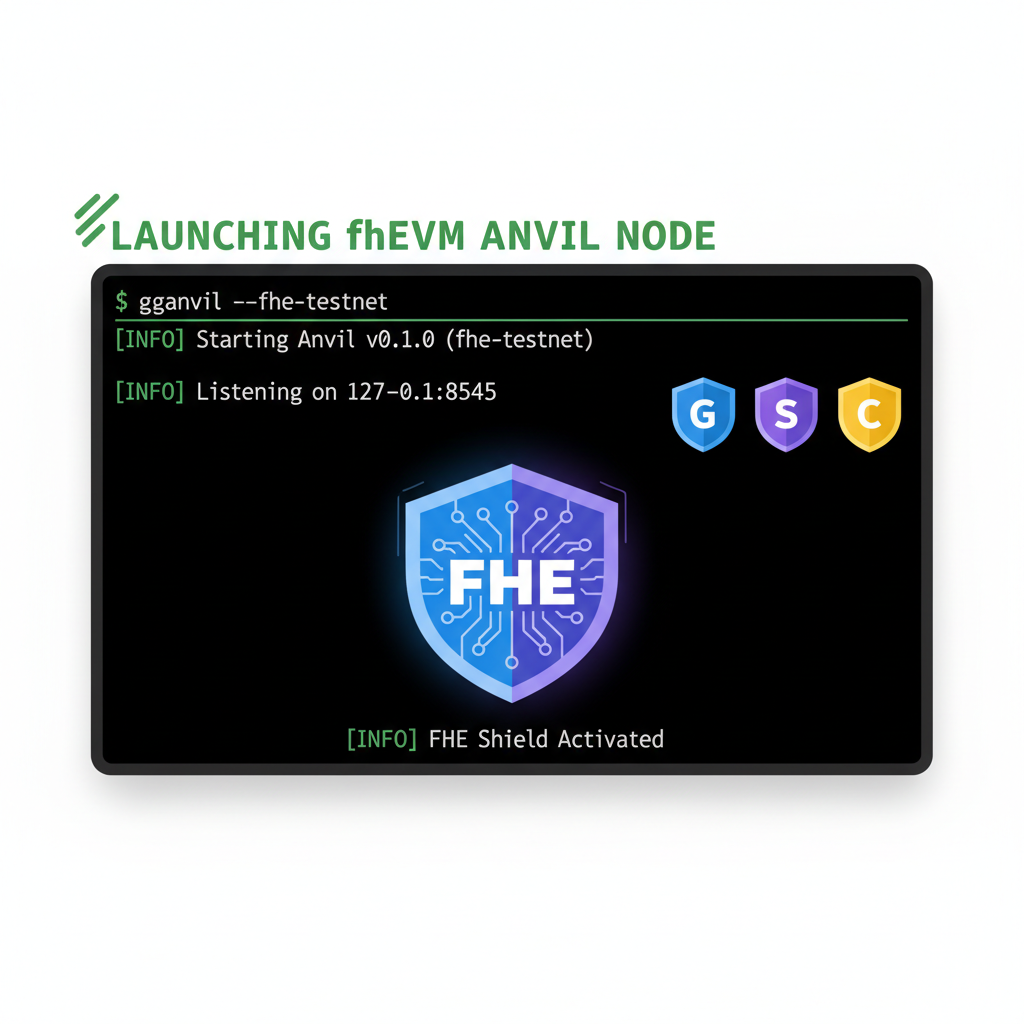
Strategic insight: While Zama's fhEVM integration shines for complex ops like staking rewards, pair it judiciously with ZK for lighter transfers. OpenZeppelin's experimental library, powered by this coprocessor, handles encrypted arithmetic seamlessly, but audit rigorously; production readiness lags behind hype.
Strategic Advantages Over Vanilla ERC-20
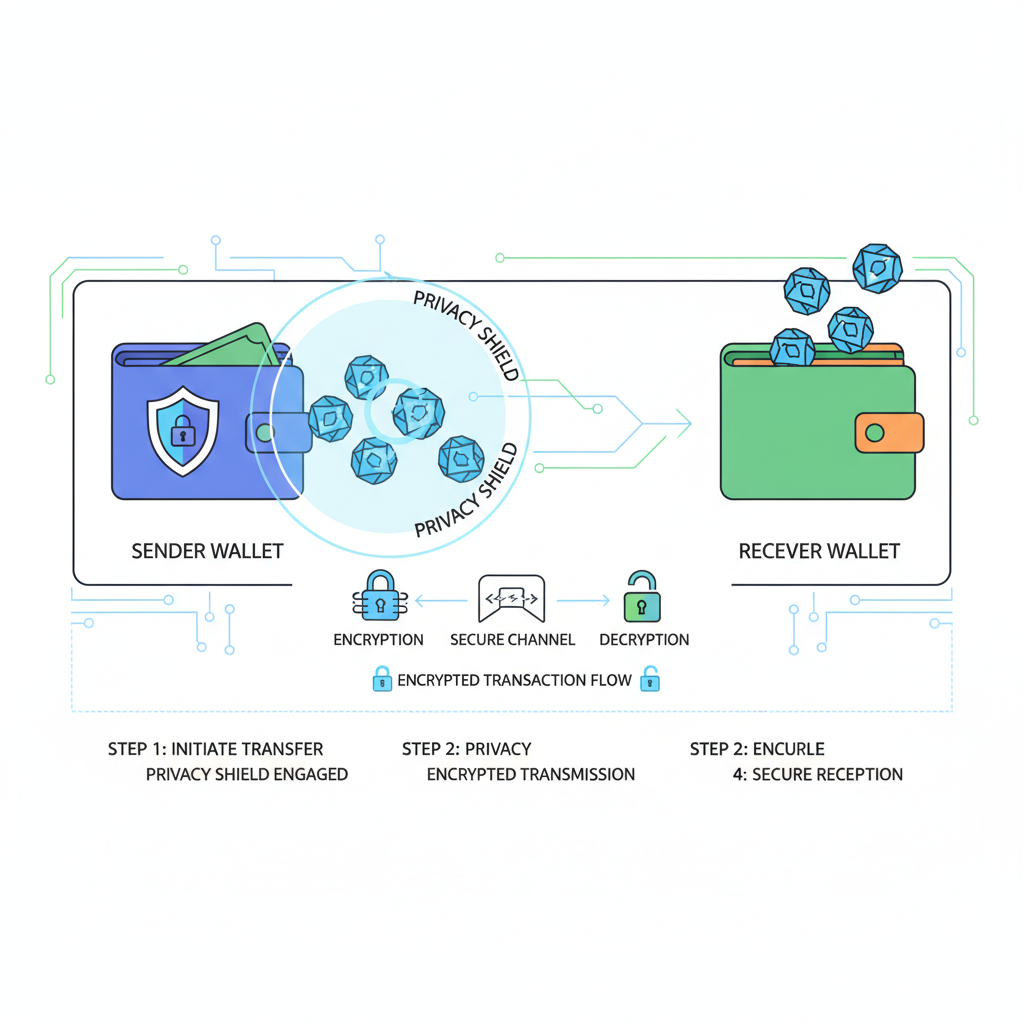
Why pivot to encrypted smart contracts Ethereum? ERC-20 broadcasts every balance, inviting predatory bots and regulatory scrutiny. ERC-7984 counters with privacy-preserving balances blockchain, where transfers encrypt amounts end-to-end. Zama and Bron's January 2026 confidential payroll using cUSDT proved this: salaries flowed privately on mainnet, amounts known only to parties involved.
Selective disclosure isn't absolute anonymity; sender-receiver identities remain public, a deliberate trade-off prioritizing usability over full obfuscation.
This nuance demands prudence. For enterprises eyeing confidential DeFi akin to iExec models, ERC-7984 fortifies against oracle manipulations and flash loan attacks, fostering trustless yet private yield farming.
Bootstrapping Your First Confidential Token Contract
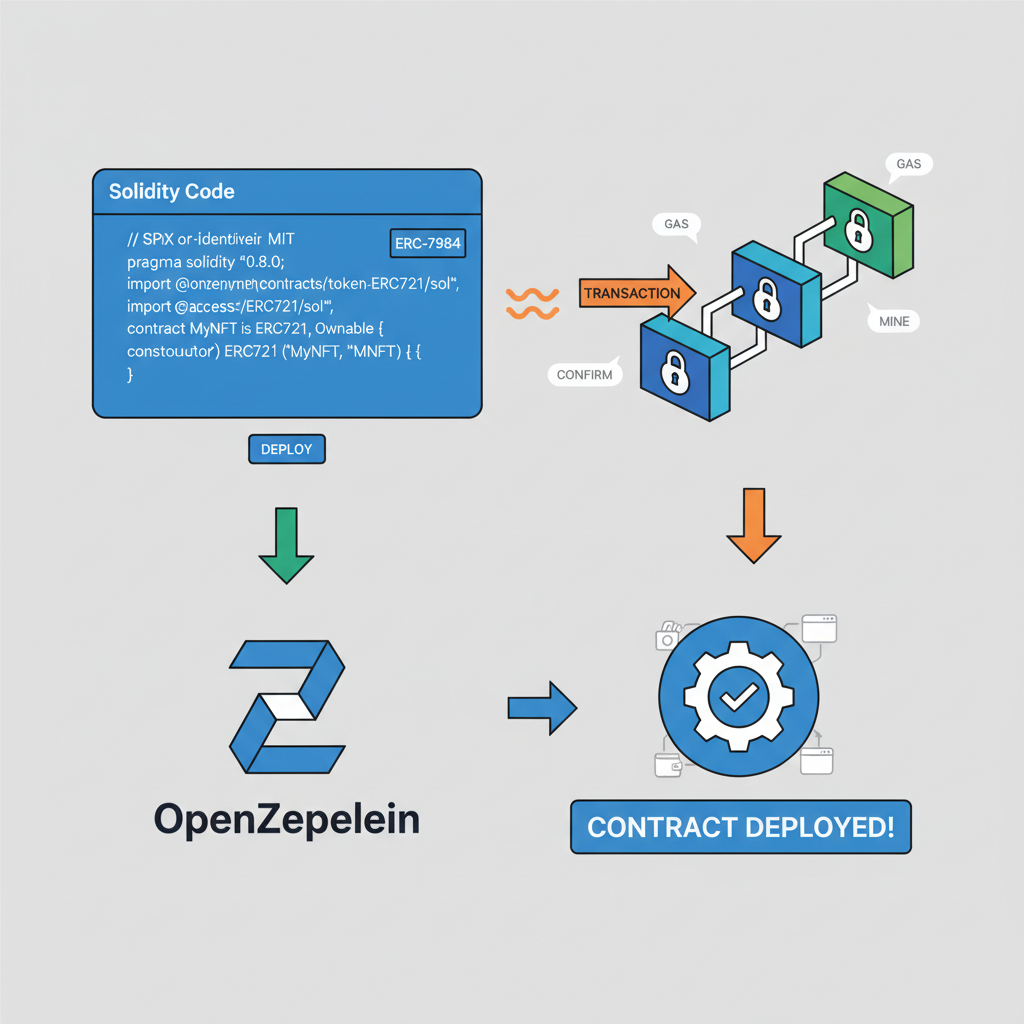
Implementation begins with Solidity and OpenZeppelin's Confidential Contracts v0.2.0. Import the ERC7984 base, which abstracts FHE interactions via pointers. Deploy on fhEVM-enabled testnets first; mainnet demands user-side decryption keys for wallets.
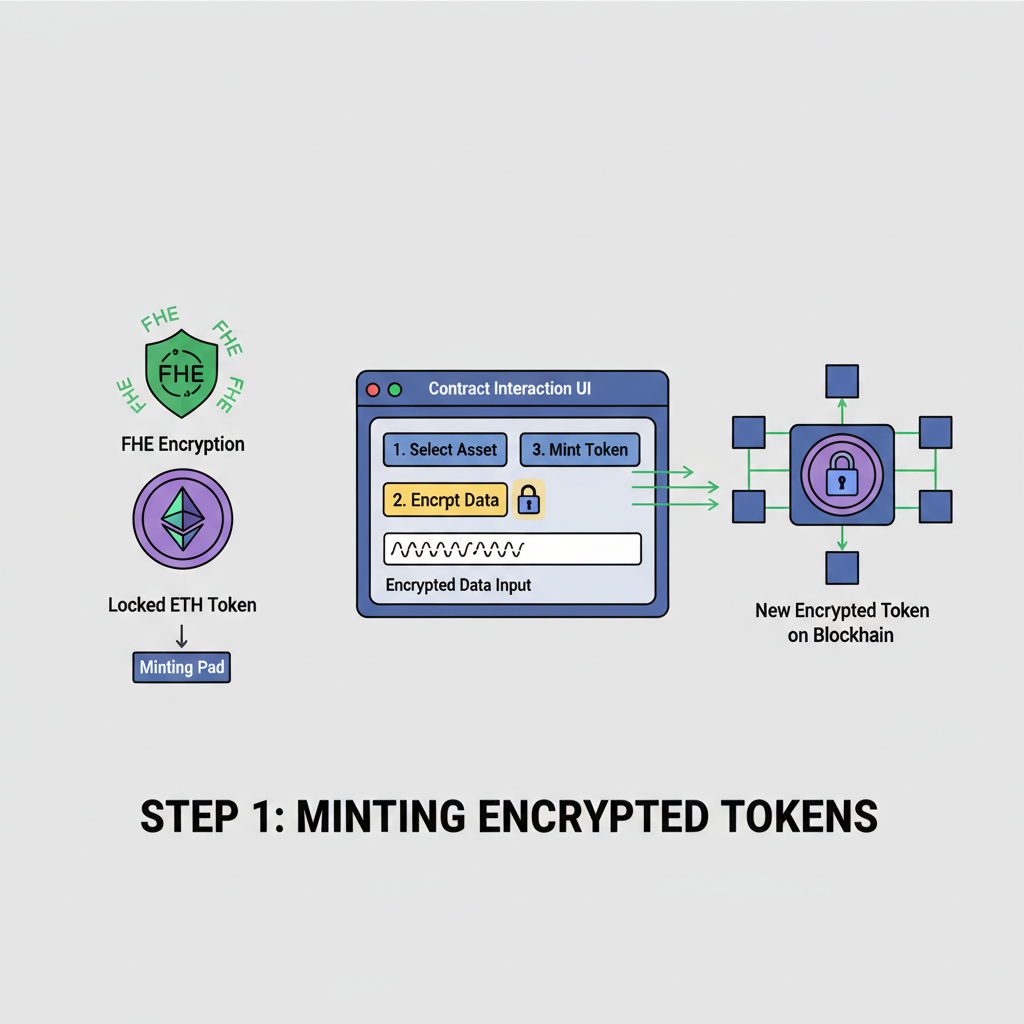
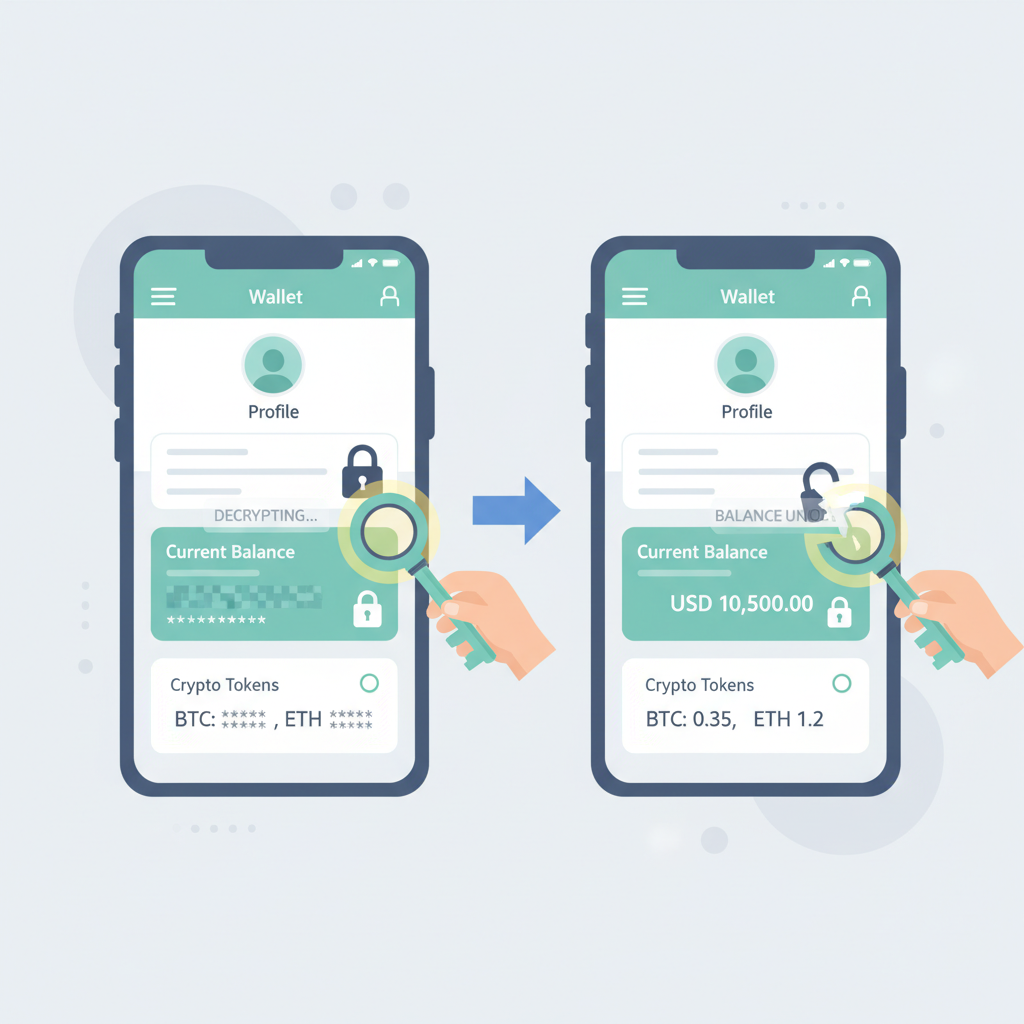
Zama's wallet guide stresses preparing encrypted inputs: users decrypt balances locally, encrypt transfer values before signing. This client-side burden elevates UX demands, but libraries mitigate it.
Consider a mint function: it generates a pointer to an encrypted amount, updating the supply pointer atomically. Transfers validate via homomorphic addition/subtraction, ensuring zero-knowledge compliance without revealing deltas.
In my view, this pointer model scales Ethereum toward enterprise-grade privacy, but integrate multi-sig for pointer management to avert single-point failures. Next, we'll dive into advanced integrations and pitfalls.
Advanced integrations unlock ERC-7984's full potential, blending it with Ethereum's evolving privacy stack. Zama's fhEVM coprocessor stands out, executing encrypted computations on-chain, from yield calculations to governance votes. For staking protocols, imagine distributing rewards homomorphically: pointers update without exposing APYs or individual claims. Pair this with zero-knowledge rollups for off-chain scaling, where L2s like Aztec could wrap ERC-7984 tokens in crosschain privacy layers, as hinted in their catalysts program.
Real-World Deployments and Lessons Learned
Zama and Bron's January 2026 mainnet payroll with cUSDT crystallized ERC-7984's viability. Encrypted USDT transfers ensured salaries remained confidential, sidestepping public salary disclosures that plague traditional payroll dApps. Developers replicated this for confidential lending: borrowers hide loan sizes, lenders verify solvency via pointers. Yet, this demands robust client-side tools; Zama's wallet guide outlines decrypting balances locally before display, a non-trivial UX hurdle for mass adoption.
In iExec confidential DeFi scenarios, ERC-7984 shields oracle feeds and collateral values, mitigating liquidation cascades. My conservative stance: prioritize FHE for arithmetic-heavy apps, reserving ZK for proofs of reserves. OpenZeppelin's library, though experimental, accelerates prototyping, but chain it with formal verification to preempt pointer mismatches.
Unlock ERC-7984 Privacy: Deploy Confidential Tokens on fhEVM
Navigating Implementation Pitfalls
Pointers promise opacity but invite subtleties. Mismanage decryption keys, and users face locked funds; enforce hierarchical deterministic wallets for key rotation. Gas costs spike under FHE, so optimize with pre-computed ciphertexts. Moreover, while amounts hide, public addresses link activities, amplifying pseudonymity risks. Audit for replay attacks on pointers, and simulate MEV under encrypted veils.
Strategic prudence dictates hybrid audits: on-chain invariants via ZK, off-chain for FHE logic. I've seen DeFi rug-pulls from unchecked arithmetic; here, homomorphic ops demand equivalent rigor. Testnet iterations with Zama's dApps repo reveal edge cases, like underflow in encrypted subs.
Patience yields here: as fhEVM matures post-2026, gas efficiency will rival plaintext. Until then, bootstrap on testnets, iterate with OpenZeppelin's v0.2.0, and monitor Zama's mainnet milestones. In a landscape rife with transparency traps, confidential ERC-20 tokens via EIP-7984 Ethereum forge defensible moats, securing long-term value amid regulatory headwinds.




No comments yet. Be the first to share your thoughts!