
As blockchain adoption accelerates, the demand for privacy-preserving solutions has never been higher. While public blockchains offer transparency and auditability, they expose sensitive contract logic and user data to anyone on the network. Encrypted smart contracts, powered by Trusted Execution Environments (TEEs), are emerging as a practical answer to this dilemma. For developers looking to build secure, confidential applications, understanding how TEEs can safeguard both code and data is essential.

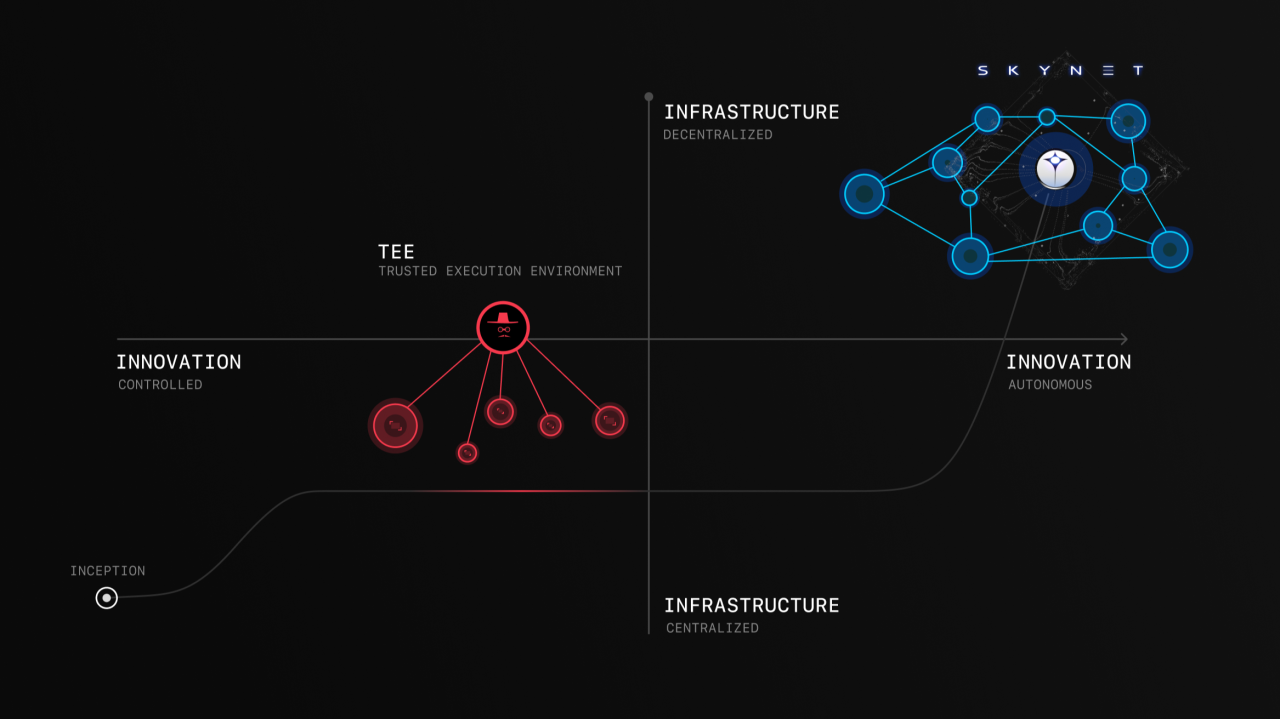
What Are Trusted Execution Environments (TEEs)?
At their core, TEEs are specialized hardware-based enclaves within a processor that isolate code execution from the rest of the system. This means that even if an attacker compromises the operating system or gains root access, they cannot inspect or tamper with computations inside the enclave. Leading implementations include Intel SGX, ARM TrustZone, and AMD SEV. These technologies have been adopted across industries to enable confidential computing for everything from cloud services to decentralized finance (DeFi).
The blockchain space is now leveraging TEEs to address one of its most persistent challenges: executing smart contracts on encrypted data without revealing sensitive logic or user information.
“Smart contracts running in TEEs can process encrypted inputs, keep business logic private, and return only authorized outputs, ushering in a new era of blockchain privacy solutions. “
The Benefits of Deploying Encrypted Smart Contracts with TEEs
The synergy between TEEs and smart contracts unlocks several key advantages for developers:
- Data Confidentiality: Contract logic operates on encrypted data within the enclave, ensuring no external party can access sensitive inputs or outputs.
- Integrity Assurance: Hardware-enforced isolation prevents tampering with contract execution, even if other parts of the system are compromised.
- User Trust: Attestation mechanisms allow users to verify that their transactions are processed in genuine, uncompromised TEEs.
- Simplified Compliance: With strict separation of duties and strong audit trails, regulatory requirements around data privacy become easier to address.
This approach is not just theoretical; projects like TrustChain and RaceTEE are actively demonstrating how confidential smart contract models can be realized in production environments using TEE technology.
A Step-by-Step Overview: Implementing Confidential Smart Contracts with TEEs
If you’re considering building your next dApp or enterprise solution using encrypted smart contracts on a TEE-backed blockchain, here’s a high-level roadmap:
- Select Your TEE Platform: Evaluate compatibility with your target hardware (e. g. , Intel SGX for x86 servers or ARM TrustZone for embedded devices). Each platform comes with its own SDKs and trusted libraries designed for secure enclave development.
- Create Confidential Contract Logic: Write your smart contract code so it accepts encrypted inputs and returns encrypted outputs. Many frameworks now support enclave-aware programming models, look for those that integrate easily with your chosen blockchain stack.
- Integrate Blockchain Support: Deploy your contract on a network that supports TEE integration. Ensure validator nodes are equipped with compatible hardware so they can execute contracts within secure enclaves rather than exposing them on-chain.
This architecture dramatically reduces information leakage risks while maintaining decentralization benefits. For more technical details about how Ethereum Layer-2s leverage TEEs for confidential computing, see our dedicated resource: How Trusted Execution Environments (TEEs) Enable Confidential Smart Contracts on Ethereum Layer-2s.
- Implement Robust Key Management: Secure key generation, storage, and rotation are vital. Use distributed key management systems or hardware security modules (HSMs) to ensure that cryptographic keys used for encryption and decryption are never exposed outside the enclave. Automated key rotation policies further reduce the risk of compromise.
- Utilize Remote Attestation: TEEs support remote attestation protocols, allowing external parties to verify that a smart contract is running inside a genuine enclave with untampered code. This builds trust between users and service providers, as it proves that even privileged insiders cannot access confidential data.
- Thoroughly Test and Monitor: Conduct rigorous security audits focusing on both the smart contract logic and the enclave interface. Employ continuous monitoring tools to detect anomalies in enclave execution or attempts at side-channel attacks.
While these steps provide a solid foundation, developers should remain vigilant about emerging attack vectors specific to TEE technology, such as speculative execution vulnerabilities or supply chain risks in hardware manufacturing. Staying current with firmware updates and participating in open-source security communities can help mitigate these concerns.
Practical Example: Deploying an Encrypted Voting Contract
To illustrate, consider deploying an encrypted voting dApp using Intel SGX-enabled nodes. Each vote is encrypted by the user’s client before submission. The smart contract running inside the SGX enclave decrypts votes, tallies results confidentially, and outputs only aggregate statistics, never revealing individual choices on-chain.
Pseudocode: Processing Encrypted Inputs in a TEE-enabled Smart Contract
Let’s look at a simplified pseudocode example that demonstrates how encrypted inputs are securely processed within a TEE-enabled smart contract. This example abstracts away the lower-level cryptographic operations for clarity.
def process_encrypted_input(encrypted_input, enclave_private_key):
    # Step 1: Decrypt the input inside the TEE (enclave)
    decrypted_input = enclave_decrypt(encrypted_input, enclave_private_key)

    # Step 2: Perform the smart contract logic on the decrypted data
    result = smart_contract_logic(decrypted_input)

    # Step 3: Optionally, encrypt the result before returning it
    encrypted_result = enclave_encrypt(result, enclave_private_key)

    return encrypted_result

# Example usage (within the TEE)
encrypted_input = receive_encrypted_input()
enclave_private_key = load_enclave_private_key()
encrypted_output = process_encrypted_input(encrypted_input, enclave_private_key)
send_encrypted_output(encrypted_output)
Notice that all decryption and processing occur inside the TEE, ensuring that sensitive data is never exposed outside the enclave.
This model prevents vote manipulation and preserves voter privacy while maintaining verifiable outcomes, a paradigm applicable to auctions, confidential DeFi operations, or private healthcare records on blockchain.
Current Limitations and Developer Considerations
Despite their promise, TEEs introduce unique trade-offs. Hardware dependencies can constrain network decentralization; not all nodes may possess compatible chipsets. Performance overhead from context switching and cryptographic operations may impact transaction throughput. Finally, reliance on hardware vendors means placing trust in their ability to patch vulnerabilities promptly, a non-trivial concern given recent side-channel disclosures affecting popular TEE platforms.
Best practices include:
- Selecting reputable vendors with transparent security track records
- Designing contracts for minimal data exposure outside enclaves
- Layering additional privacy techniques (e. g. , zero-knowledge proofs) where possible
- Engaging in formal verification of both enclave code and blockchain integration points
The Road Ahead for Blockchain Privacy Solutions
The convergence of TEEs and blockchain technology is catalyzing a new wave of privacy-first decentralized applications. As frameworks mature and community best practices solidify, we can expect broader adoption across industries handling sensitive data, from finance to healthcare and beyond.
If you’re ready to explore this frontier, start by experimenting with open-source TEE SDKs or joining collaborative projects like RaceTEE or TrustChain. With careful design and ongoing vigilance, developers can deliver robust blockchain privacy solutions that empower users without sacrificing transparency or decentralization.
About the Author