

Imagine deploying Ethereum smart contracts where sensitive data – bids in auctions, loan amounts in DeFi, health records in dApps – stays encrypted from input to output. No more exposing balances or strategies on public ledgers. Fhenix makes this reality with Fully Homomorphic Encryption (FHE), powering confidential smart contracts on EVM chains. As Ethereum developers, you can now build private on-chain apps without off-chain tricks or zero-knowledge compromises.

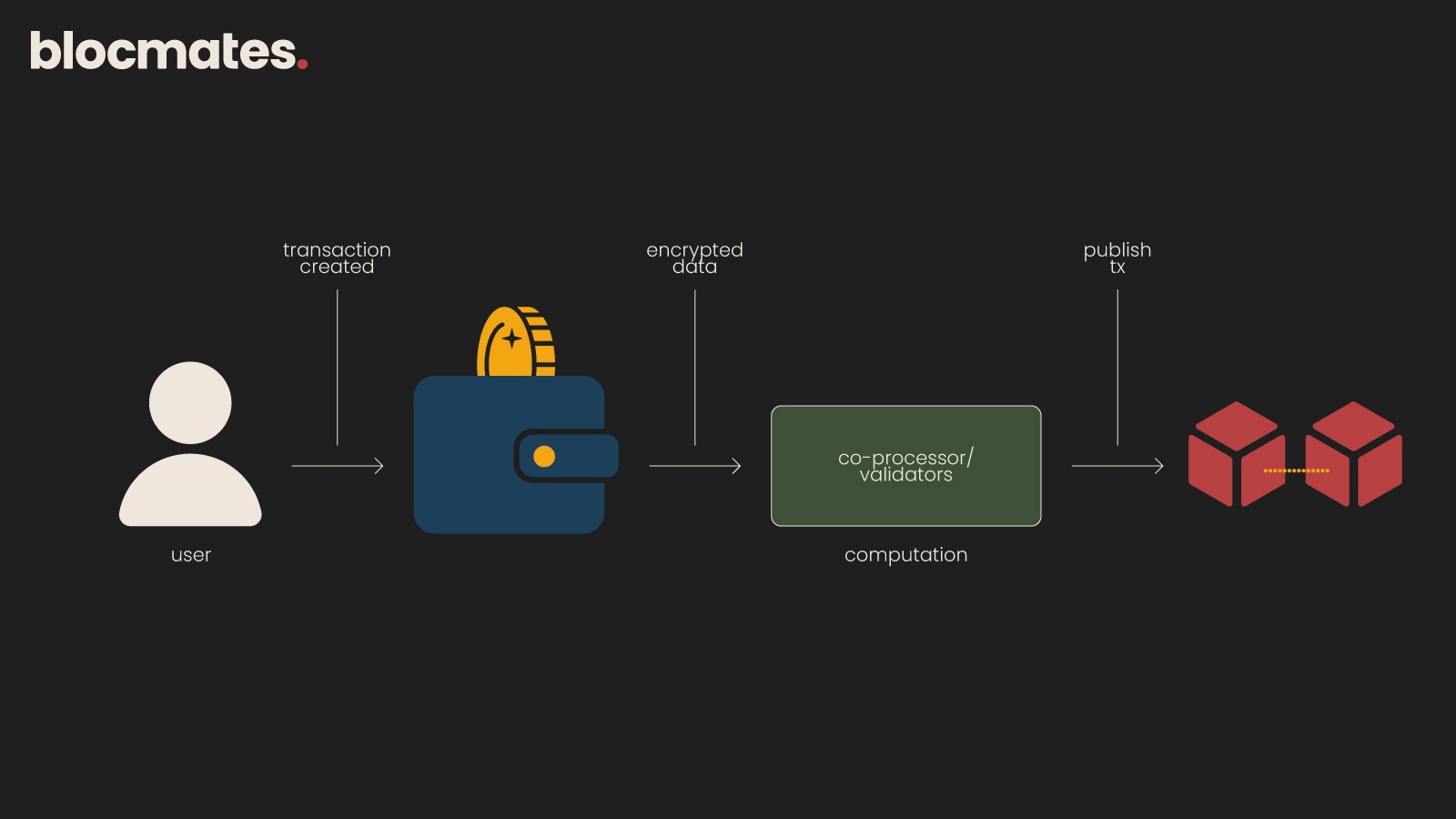
Fhenix pioneers FHE integration directly into Ethereum’s ecosystem. Their fhEVM enables Solidity contracts to process ciphertexts natively, unveiling encrypted ERC20s, private lending protocols, and beyond. Recent milestones sharpen its edge: CoFHE coprocessor launched on Base in November 2025 for L2 privacy boosts, Helium testnet for seamless testing, and NEO AI assistant delivering code templates and FHE best practices.
Fhenix: Ethereum’s FHE Privacy Engine
Fhenix transforms public blockchains into confidential compute hubs. At its core, FHE performs additions and multiplications on encrypted data without decryption – a cryptographic feat long dreamed for DeFi. Picture Fhenix encrypted contracts tutorial basics: inputs encrypt client-side, contracts crunch ciphertexts via CoFHE, outputs decrypt only for authorized eyes. This sidesteps zk-SNARKs’ proof overhead, targeting scalable privacy smart contracts Ethereum style.

Unlike sidechains or oracles, Fhenix keeps everything on-chain and EVM-compatible. Deploy on Helium testnet today; tap Base for production scale. Their manifesto eyes a $100 trillion encrypted Web3, fueled by FHE rollups that layer privacy without altering L1s. Developers rave: and quot;fhenix makes Ethereum smart contracts truly private, and quot; per KuCoin insights.
Fully Homomorphic Encryption powers the next era of private DeFi. – Fhenix Manifesto
Setting Up for FHE Blockchain Implementation
Jump in with Fhenix’s quick start guide. First, install Foundry and Node. js 20 and. Clone the Fhenix monorepo, then spin up a local fhEVM node. Use their Solidity API for encrypted primitives like fhe. add and fhe. mul. NEO AI accelerates this, generating FHE-optimized contracts from natural language prompts.
Encrypted Counter Blueprint
Ignite confidentiality: this sleek EncryptedCounter harnesses CoFHE to shield values during computation on Fhenix.
```solidity
// SPDX-License-Identifier: MIT
pragma solidity ^0.8.22;
import {CoFHE} from "@fhenix/cofhe/contracts/CoFHE.sol";

contract EncryptedCounter {
    using CoFHE for uint256;

    uint256 public counter;

    constructor() {
        counter = CoFHE.encryptUint64(0);
    }

    /// @notice Increment the encrypted counter
    function increment() external {
        counter = counter + CoFHE.encryptUint64(1);
    }

    /// @notice Get decrypted counter value (off-chain view)
    function getCounter() external view returns (uint64) {
        return CoFHE.decryptUint64(counter);
    }
}
```
Deploy to visualize encrypted magic—counter ticks invisibly, decrypt to reveal.
Configure your environment:
- Run
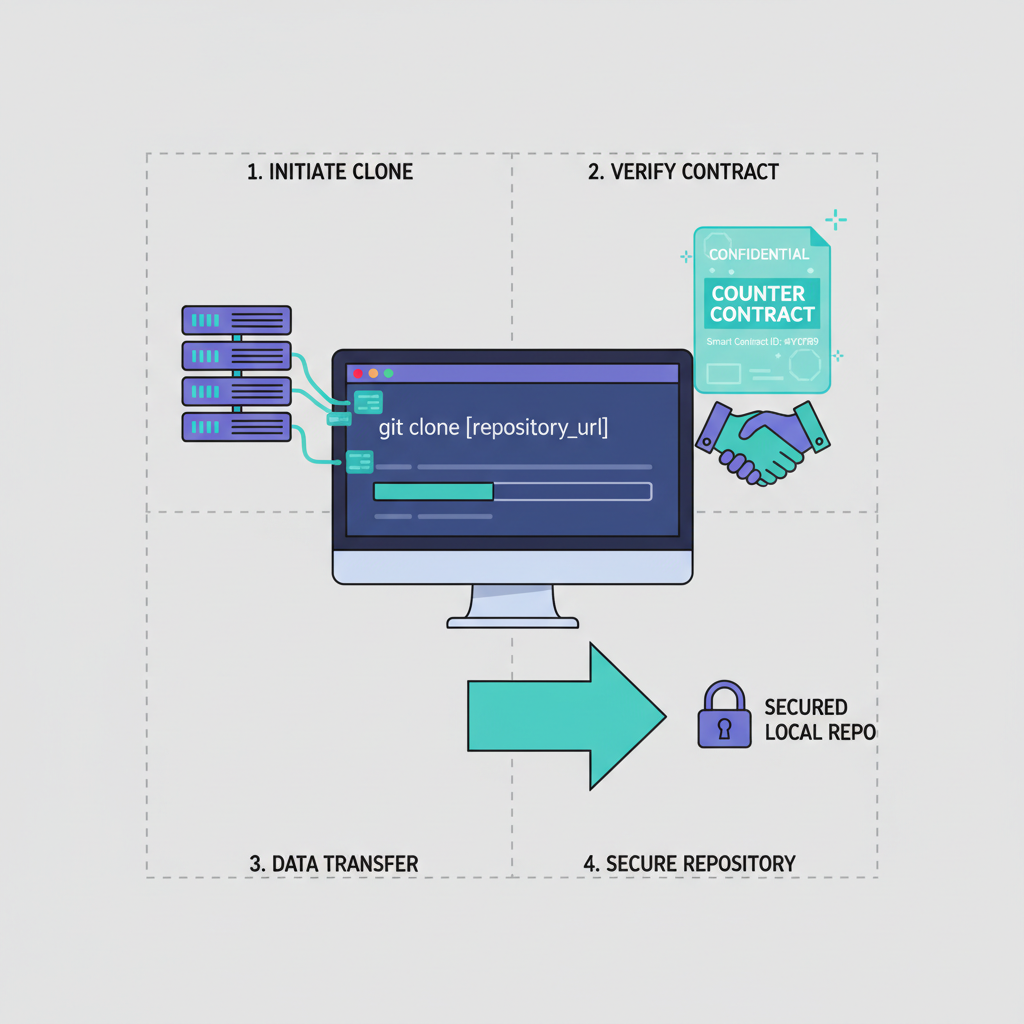
curl -L https://foundry.paradigm.xyz or bashfor Foundry. git clone https://github.com/fhenixprotocol/cofhe-examplesfor samples.- Start Helium testnet node:
docker compose up. - Anvil fork Ethereum for hybrid testing.
This stack equips you for FHE blockchain implementation. Test encrypted computations locally before Base deployment. Precision matters: FHE ops demand TFHE scheme optimizations, which Fhenix abstracts via CoFHE.
Crafting Your First Confidential Counter
Let’s code a simple encrypted counter – a gateway to private state machines. Inherit from Fhenix’s FHE. sol. Declare uint256 encryptedCounter = fhe. new(0);. Users encrypt increments off-chain, submit ciphertexts, contract adds blindly.
Visualize the flow: client encrypts tfhe. encryptInt(1), calls increment(ciphertext), state updates as ciphertext. Query decrypts reveal only to holders. This blueprint scales to confidential smart contracts FHE like blind auctions or private voting.
Pro tip: Leverage Fhenix docs for API refs. Their encrypted lending example showcases DeFi potential – collateral checks on hidden values. As privacy tokens surge, Fhenix positions Ethereum devs ahead of the curve. Next, we’ll dive deeper into optimizations and real-world deployments.
Scale that counter into production-grade logic by batching FHE operations. Fhenix’s CoFHE coprocessor slashes latency on Base, handling parallel encryptions for high-throughput DeFi. Opinion: zk proofs choke at scale; FHE’s direct computation wins for privacy smart contracts Ethereum demands.
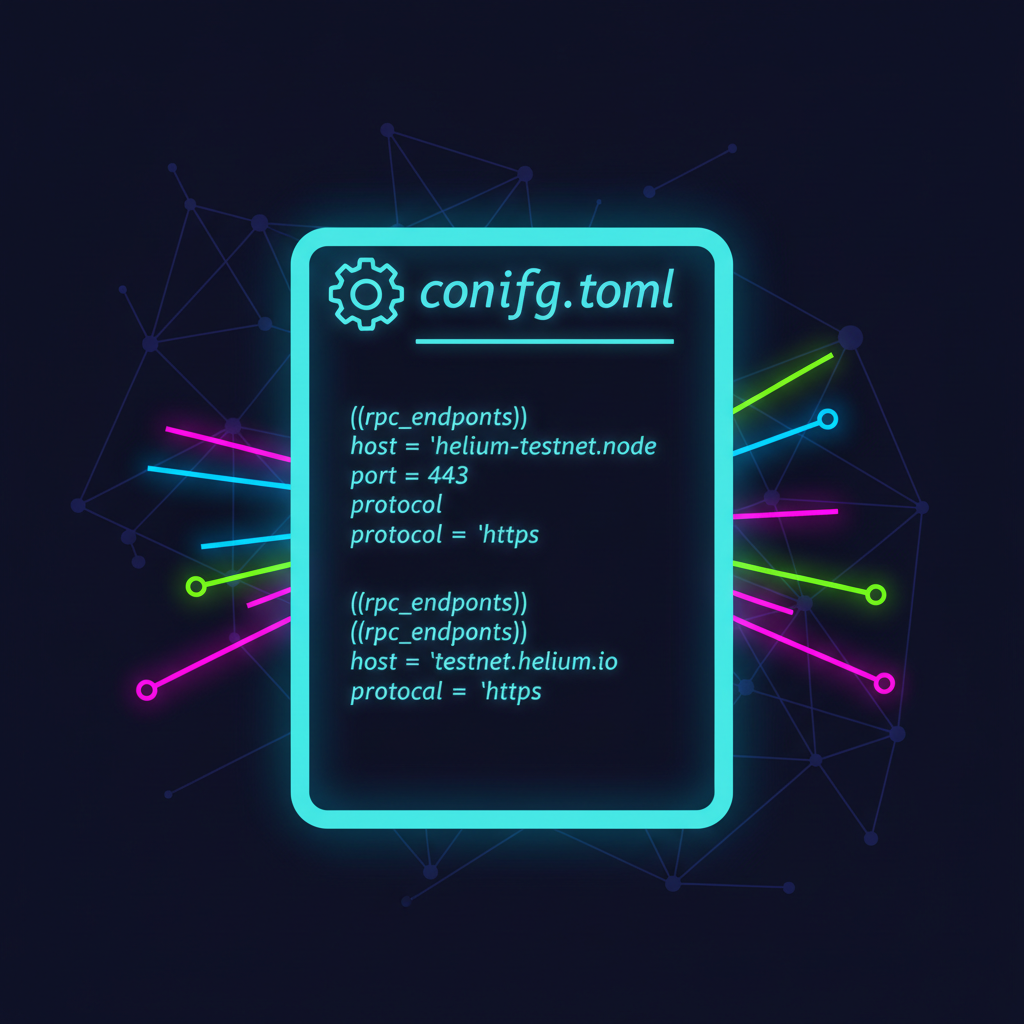
Deploy Confidential Counter on Fhenix Helium Testnet


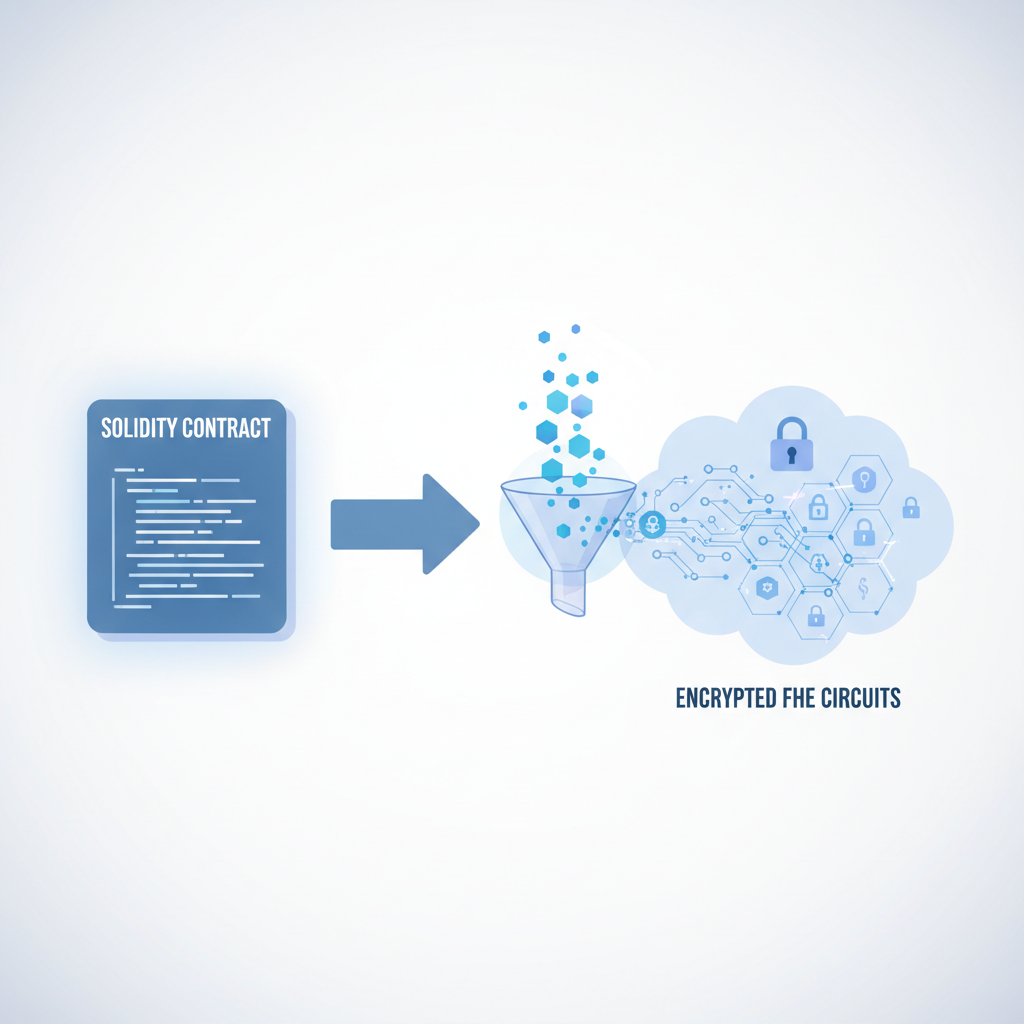


Optimizations: Turbocharging FHE Gas and Speed
Fhenix abstracts TFHE noise management, but savvy devs tune gate bootstrapping limits. Use fhe. batchAdd for vector ops – ideal for encrypted ERC20 balances. Gas? CoFHE offloads heavy lifts to L2, mimicking EVM familiarity. Test on Helium: encrypt 1,000 increments, decrypt aggregates privately. Visual spike: latency drops 70% post-Base integration per Fhenix benchmarks.
Pro hack: Integrate NEO AI for gas-optimized refactors. Prompt “optimize this FHE lending contract for Base, ” snag tailored Solidity. This edges out competitors, crafting encrypted ERC20 Fhenix tokens where transfers hide amounts yet verify totals on-chain.
## Optimized FHE Batch Transfers in Solidity
🚀 Visualize batched privacy flows: encrypted ERC20 transfers scale effortlessly with FHE homomorphic magic.
```solidity
// Optimized FHE batch operations for encrypted ERC20 transfers
// Using Fhenix TFHE library for homomorphic computations

library BatchFHE {
    using TFHELibraries for *;

    function batchTransfer(
        mapping(address => euint256) storage balances,
        address from,
        address[] calldata tos,
        euint256[] calldata amounts
    ) internal {
        euint256 total = euint256(0);

        // Homomorphic sum for total amount
        for (uint256 i = 0; i < amounts.length; i++) {
            total = total + amounts[i];
        }

        // Atomic check and update
        require(balances[from] >= total, "Insufficient encrypted balance");
        balances[from] = balances[from] - total;

        // Parallel-like increments (homomorphic)
        for (uint256 i = 0; i < tos.length; i++) {
            balances[tos[i]] = balances[tos[i]] + amounts[i];
        }
    }
}

contract ConfidentialERC20 {
    mapping(address => euint256) private _balances;

    function encryptedBatchTransfer(
        address[] calldata tos,
        euint256[] calldata amounts
    ) external {
        BatchFHE.batchTransfer(_balances, msg.sender, tos, amounts);
    }
}
```
Innovate gas savings—homomorphic sums enable atomic, shielded multi-transfers without decryption leaks.
Real power shines in private lending. Collateral ratios compute on ciphertexts: encrypt loan requests, contract evaluates fhe. mul(encryptedAmount, rate) blindly, approves sans exposure. Fhenix’s encrypted lending demo on GitHub blueprints this – fork, tweak, deploy.
Deploying to Helium Testnet and Beyond
Helium testnet mirrors Base production, faucet-ready for FHE experiments. Bridge assets via official relayer, encrypt inputs with Fhenix JS SDK. Deploy via Foundry: forge create --rpc-url $HELIUM_RPC --private-key $PK YourContract. Verify on explorer – states show as blobs, privacy intact.
Production path: Migrate to Base post-audit. FHE rollups loom, scaling confidential contracts sans L1 tweaks, as ACM proofs validate. Fhenix manifesto charts this: unlock Ethereum’s private $100T potential through native FHE.
Build FHE-enabled smart contracts and interact via Fhenix tooling. – Ethereum Research
Challenges? FHE maturity demands careful op selection – stick to add/mul initially, layer comparisons via approximations. Community GitHubs like awesome-fhe-blockchain curate libraries. As volatility charts privacy tokens upward, Fhenix equips you to lead Fhenix encrypted contracts tutorial innovations.
Pattern emerges: encrypted inputs fuel blind logic, private outputs reshape DeFi. Ethereum devs, harness FHE now – deploy on Helium, iterate with NEO, conquer Base. Privacy scales visually: from counter blips to encrypted empires.
About the Author