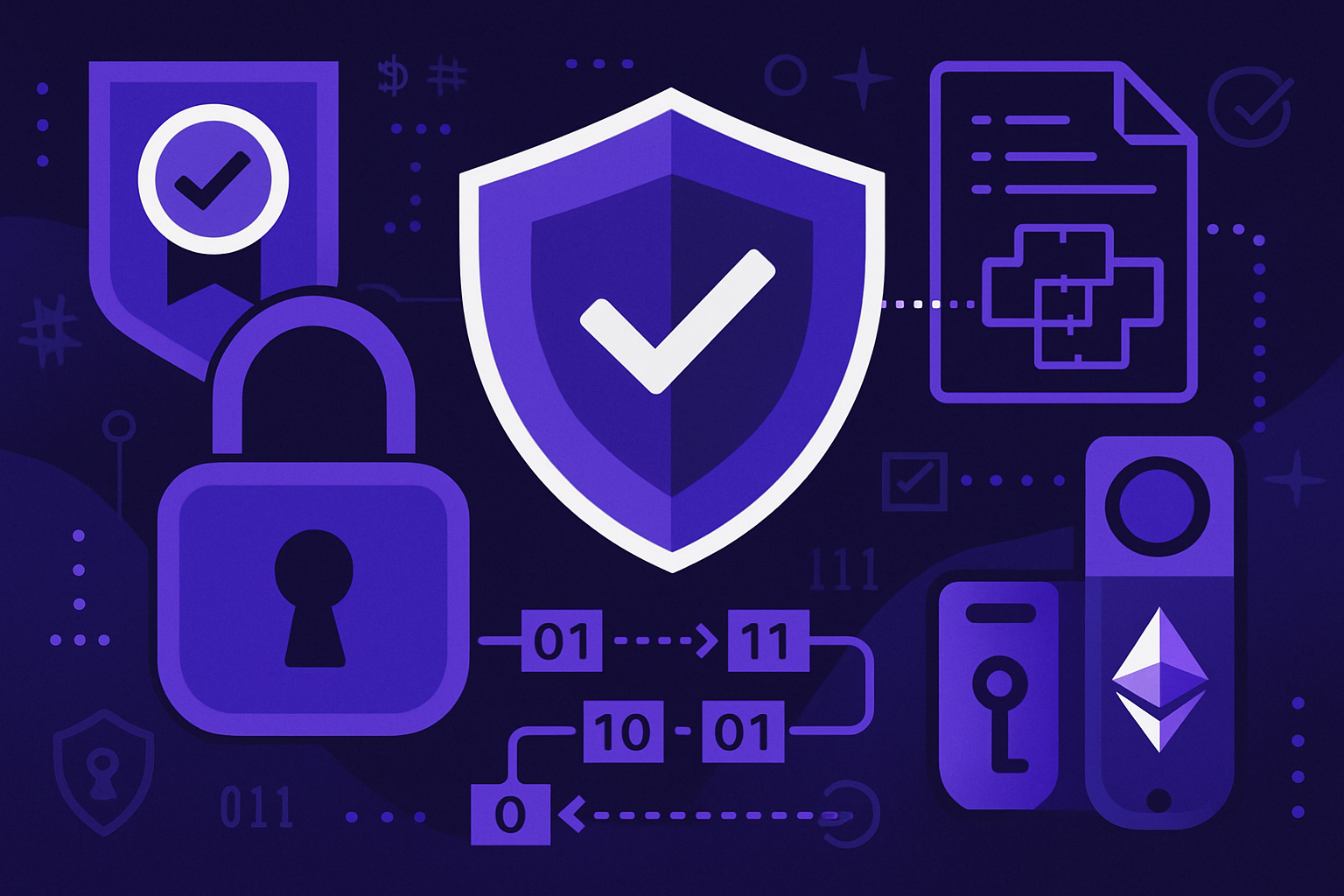
Decentralized finance (DeFi) has always celebrated transparency, but that openness comes with a cost: every transaction, balance, and contract logic is visible to the world. This public-by-default model exposes users to front-running, privacy breaches, and strategic exploitation. Enter confidential smart contracts: the technology transforming DeFi into a privacy-first ecosystem where sensitive data remains shielded yet transactions stay verifiable.
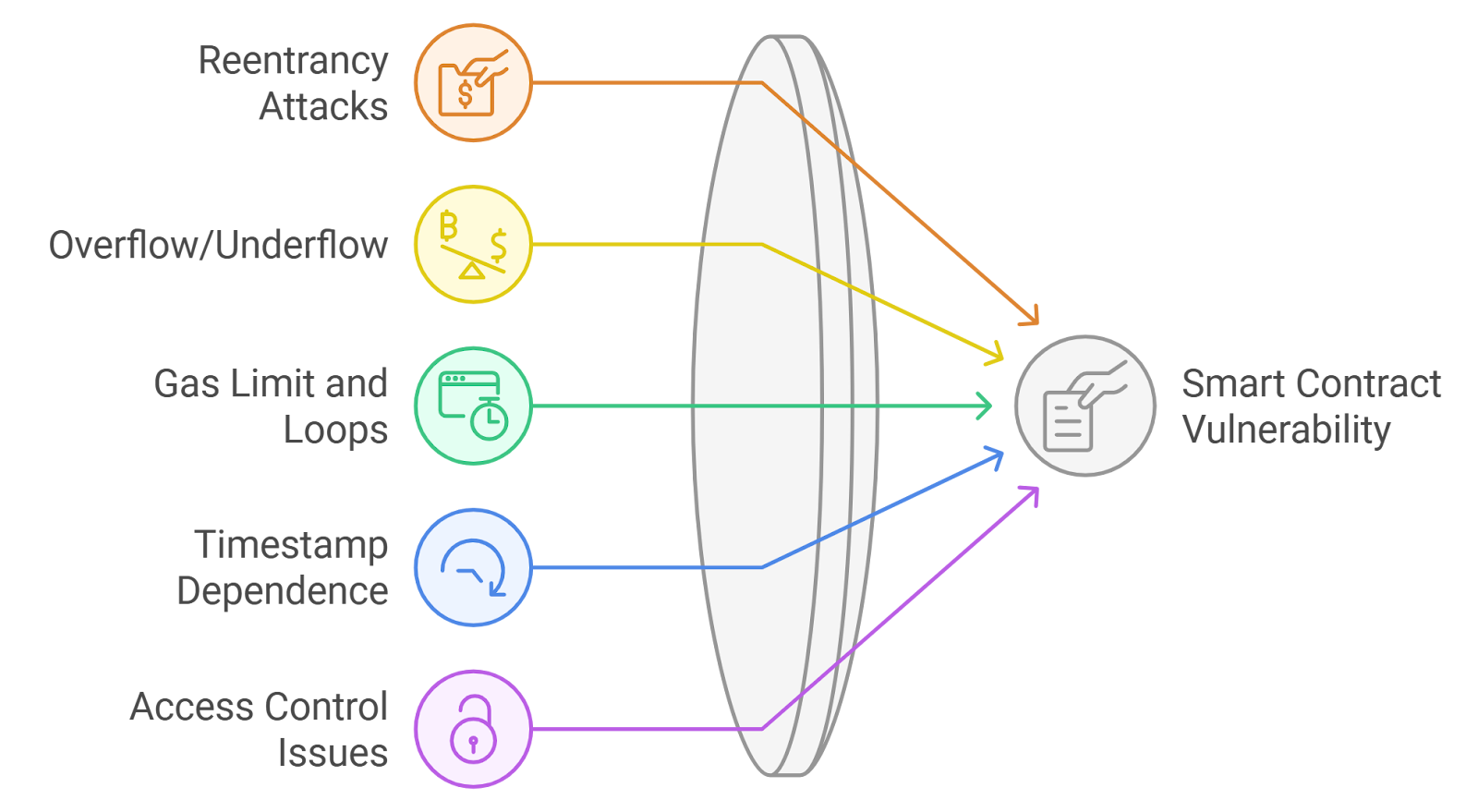
Why Privacy Matters in DeFi: The Data Dilemma
The appeal of DeFi lies in its open nature, anyone can audit code or verify transactions. But for enterprises and privacy-focused users, this radical transparency is a double-edged sword. Imagine a hedge fund’s trading strategy exposed on-chain or an individual’s wallet balances laid bare for all to see. These risks are more than theoretical; they are daily realities in today’s markets.
With Ethereum (ETH) currently trading at $3,294.26, the stakes for privacy are higher than ever. Large-volume trades can move markets and attract malicious actors watching for exploitable patterns. Front-running and MEV attacks have become industry-wide concerns, prompting developers to prioritize encrypted smart contracts that keep transaction details confidential until execution.
The Technology Behind Confidential Smart Contracts
Confidential smart contracts leverage advanced cryptography to enable private yet auditable on-chain activity. Here’s how the leading technologies stack up:
- Fully Homomorphic Encryption (FHE): Enables computations on encrypted data without decryption, keeping everything from order sizes to payout structures secret during processing. Projects like Zama let developers build confidential Solidity contracts without needing PhD-level cryptography.
- Trusted Execution Environments (TEEs): Hardware-based secure enclaves isolate contract execution from the main OS, ensuring code runs privately and tamper-free, a boon for enterprise blockchain privacy.
- Zero-Knowledge Proofs (ZKPs): Allow users to prove statements about data (like trade validity or compliance) without revealing the underlying information, a foundational tool for verifiable privacy blockchain solutions.
This trio of technologies is reshaping what’s possible in DeFi: confidential wallet balances that remain hidden from prying eyes, compliant on-chain protocols where KYC happens invisibly within contract logic, and composable privacy layers compatible with existing standards like ERC-20 tokens.
The Benefits: Private Transactions Without Sacrificing Verifiability
The promise of confidential smart contracts isn’t just theory, it’s already powering next-generation protocols:
- User Privacy: Transaction details such as amounts, counterparties, and strategies stay encrypted end-to-end.
- No More Front-Running: By hiding order flow until settlement, these protocols make MEV attacks nearly impossible (learn more here).
- Bespoke Compliance: Regulatory requirements can be enforced inside the contract itself, without leaking user data (see how compliance works in private DeFi).
- Ecosystem Composability: Confidential contracts aren’t siloed, they interact seamlessly with public protocols and tokens (see implementation examples here).
This new paradigm is already attracting institutional capital and innovative teams eager to build compliant yet private financial primitives, from confidential lending pools to sealed-bid auctions and private DAOs.
Yet, the journey to widespread adoption of encrypted smart contracts for DeFi is not without its challenges. As privacy layers become more advanced, some traditional DeFi guarantees, like open-source contract verification, require creative solutions. Projects are experimenting with auditable confidentiality protocols, where encrypted logic is paired with cryptographic proofs or selective disclosure mechanisms. This ensures that while user data stays hidden, regulators or designated auditors can still verify compliance and correctness when necessary.
Real-World Impact: Confidential DeFi in Action
Platforms like Aztec Network and Zama are already demonstrating how confidential wallet balances and shielded ERC-20 tokens work in practice. For example, Aztec’s confidential notes system allows users to deposit and trade tokens privately, with the smart contract acting as a secure custodian. Meanwhile, Chainlink Confidential Compute is extending private computation to oracles, enabling off-chain data feeds for on-chain contracts, without exposing sensitive market signals.
The composability of these privacy-focused onchain protocols means developers can layer confidential features atop existing DeFi primitives. Imagine a lending protocol where collateral amounts remain secret but liquidation logic is provably fair, or a decentralized exchange where order books are encrypted but settlement remains trustless. These innovations are already reshaping the boundaries of what’s possible on public blockchains.
Market Context: Ethereum Price and Institutional Momentum
The current Ethereum (ETH) price sits at $3,294.26, underscoring the high-value stakes for privacy in DeFi. As institutional players enter the arena, demand grows for enterprise blockchain privacy solutions that combine regulatory compliance with robust confidentiality. This intersection is fueling new frameworks like Circle’s confidential ERC-20 wrappers and Zama’s FHE-powered developer tools.
With every major price movement, such as Ethereum’s recent 9% drop in 24 hours, privacy risks escalate for both retail and institutional actors executing large trades or managing sensitive positions on-chain.
Building With Privacy: The Developer Perspective
For builders, implementing encrypted smart contracts for confidential DeFi transactions no longer requires deep cryptography expertise. Open-source SDKs and modular frameworks let teams add privacy-preserving features with minimal friction, whether they’re launching new protocols or retrofitting existing ones.
If you’re ready to experiment hands-on, see our step-by-step guide to private DeFi contract deployment on Ethereum. You’ll discover just how accessible it’s become to balance verifiability with end-to-end encryption.
The Road Ahead: Scalable Privacy For All
The next wave of DeFi innovation will be defined by projects that treat privacy not as an afterthought but as a core protocol property. Expect further advances in zero-knowledge proof efficiency, seamless integration between confidential and public contracts, and new use cases like private DAOs or confidential NFT auctions.
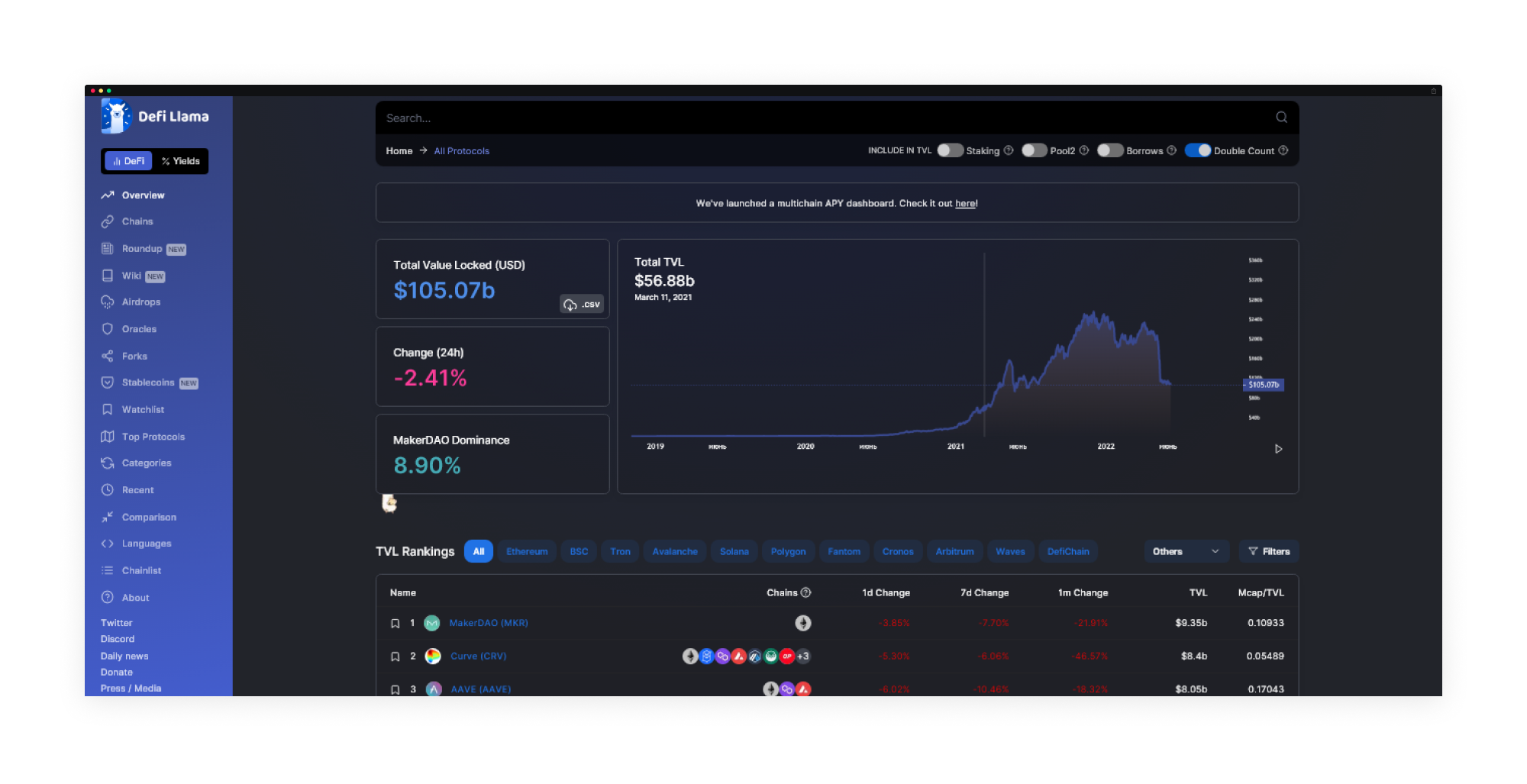
As confidentiality becomes standard across finance, healthcare data management, and digital identity systems, the line between transparency and secrecy will blur, in favor of user control over information exposure.
If you’re building or investing in this space, now is the time to get familiar with verifiable privacy blockchain tools and frameworks that power the future of secure digital finance.




No comments yet. Be the first to share your thoughts!