
In the high-stakes world of DeFi by 2026, where billions flow through decentralized protocols daily, privacy isn't a luxury, it's a necessity for survival. Public blockchains like Ethereum expose every transaction detail, inviting front-running, MEV exploitation, and regulatory scrutiny that can erode user trust and capital efficiency. Enter Fhenix, the layer that flips this script with Fully Homomorphic Encryption (FHE), enabling encrypted smart contracts that compute on ciphertexts without ever peeking inside. This isn't theoretical hype; Fhenix's CoFHE coprocessor makes it pragmatic for Solidity developers to build confidential DeFi apps today.

Fhenix stands out because it integrates seamlessly with the EVM, letting you write standard Solidity while offloading heavy FHE ops to a dedicated coprocessor. No rewrites, no new languages, just privacy baked in. Their Helium testnet, live since 2024, has already powered experiments like the Redact app for fhERC-20 tokens, where balances and transfers stay encrypted end-to-end. For developers eyeing confidential DeFi on Fhenix, this means private lending, shielded order books, and anonymous yield farming without compromising composability.
Demystifying FHE: The Math Powering Private Computations
Fully Homomorphic Encryption sounds intimidating, but grasp this: traditional encryption locks data away, useless for computation until decrypted. FHE changes that. It lets you add, multiply, even run full programs, directly on encrypted data, yielding an encrypted result that decrypts to the correct output. In blockchain terms, imagine a smart contract that tallies votes or swaps tokens without revealing amounts or identities.
Zama's influence looms large here, as Fhenix builds on their TFHE scheme optimized for blockchains. Operations like encrypted comparisons or aggregations become feasible, slashing the privacy-risk tradeoff DeFi has endured. I've managed portfolios where leaked positions cost millions; FHE eliminates that vector, letting strategies stay secret until execution.
FHE vs. ZK Proofs Comparison for Confidential DeFi on Fhenix
| Aspect | Fully Homomorphic Encryption (FHE) | Zero-Knowledge Proofs (ZK) |
|---|---|---|
| Privacy Model | Hides inputs and intermediate states during computation | Hides state transitions and proves validity without revealing details |
| What It Hides | Encrypted data, computations, balances (e.g., fhERC-20 tokens) | Inputs to transitions, proving correctness only |
| Computation | Direct ops on ciphertexts via Fhenix CoFHE (EVM-compatible Solidity) | Circuit-based proofs for verification |
| Performance | Higher overhead for encrypted ops; scales with FHE-Rollups | Succinct proofs; faster verification post-setup |
| EVM Integration | Native encrypted smart contracts on Fhenix Helium testnet | zkEVM layers or gadgets; less direct for full privacy |
| DeFi Use Cases | Confidential transfers, private lending (e.g., Redact app) | Private auctions, rollup validity; complements FHE |
| Complementary Role | Enables private logic + composability on Ethereum | Adds verifiability to FHE-encrypted states |
Critically, FHE isn't zero-knowledge proofs' rival, it's complementary. ZK hides state transitions; FHE hides inputs and intermediate states during computation. Fhenix's FHE-Rollups scale this via optimistic mechanisms, batching encrypted proofs off-chain while settling on Ethereum L1. Result? Gas-efficient privacy smart contracts on Fhenix that compose with any EVM chain.
Fhenix Ecosystem: From Helium Testnet to Production DeFi
By February 2026, Fhenix isn't vaporware. Helium testnet hosts real apps: Redact lets users mint fhERC-20s with encrypted balances, proving transfers without exposing values. Ecosystem partners are building private DEXes, confidential AMMs, and yield optimizers, all leveraging CoFHE for EVM compatibility.
What excites me as a risk manager is the composability. Call an FHE contract from Uniswap; it computes privately, returns encrypted results. No bridges, no wrappers. Fhenix's docs highlight quick starts with CoFHE, bridging the gap from prototype to mainnet. For Fhenix developer guide 2026, focus here: privacy scales returns by deterring adversarial attacks.
Fhenix brings encrypted computation to Ethereum, enabling private logic and full composability.
This ecosystem thrives because FHE addresses DeFi's core pains: transparency breeds predation. Encrypted order matching prevents sandwich attacks; private positions thwart copycats. I've seen public ledgers turn alpha into public beta, Fhenix keeps it locked down.
Quick-Starting Your FHE Smart Contracts Tutorial on Fhenix
Ready to build? Fhenix's local dev setup is straightforward, no PhD required. Install Foundry or Hardhat, then add the Fhenix CLI via npm. Spin up a Helium node with Docker: one command deploys a local chain mimicking testnet behaviors.
Core workflow: Write Solidity as usual, mark FHE functions with modifiers like usingFHE. CoFHE handles encryption off-chain, submits ciphertexts on-chain. Example: a confidential balance check.
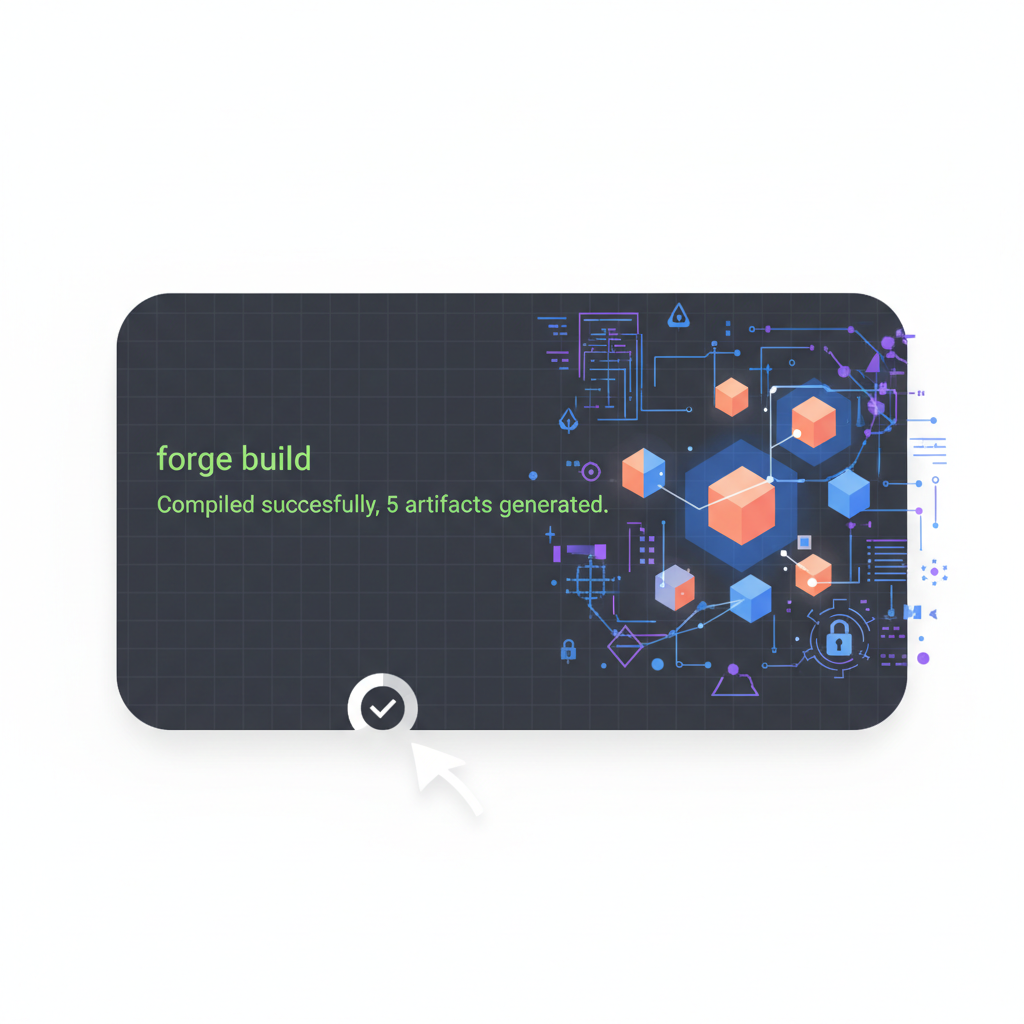
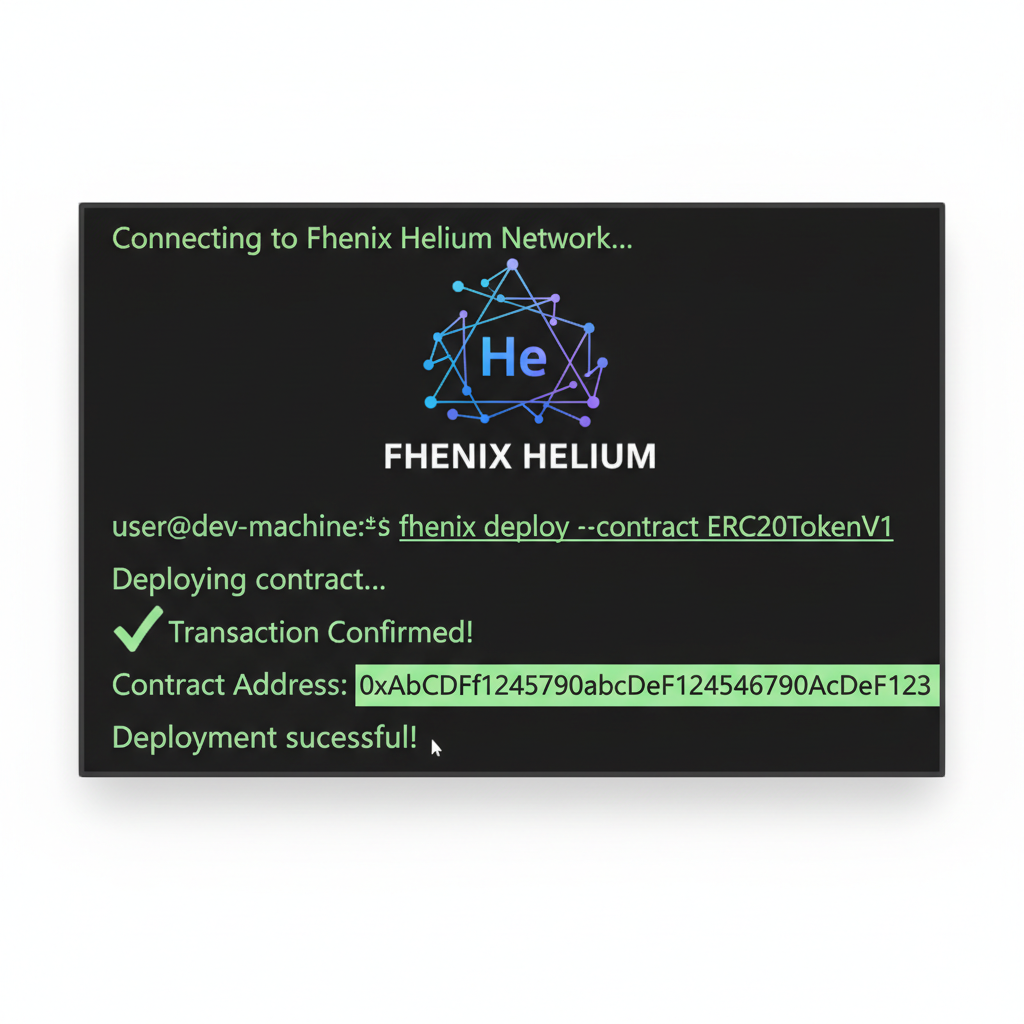
fhc build, test locally: encrypt inputs via JS SDK, verify outputs decrypt correctly. Deploy to Helium faucet-funded. Pitfall to avoid: key management, use Fhenix wallets for seamless FHE keygen. This FHE smart contracts tutorial scales to complex logic like private auctions or blinded auctions. Gas costs? Optimized TFHE keeps them reasonable, think 10x ETH, but dropping with rollups. Deploy Redact-inspired token: encrypted mint, transfer, burn. Users interact via web2-like UIs, decrypting only their view. For fully homomorphic encryption blockchain apps, this is your entry ramp.
Scaling to production means auditing your FHE logic rigorously. Fhenix's CoFHE includes simulators for offline verification, catching mismatches before on-chain waste. In my experience optimizing DeFi portfolios, simulation saved more than it cost; apply it here for privacy smart contracts Fhenix that withstand real attacks.
Advanced Builds: Confidential Lending and DEXes on Fhenix
Take confidential lending. Traditional platforms leak borrow rates and collateral ratios, signaling liquidations. With Fhenix encrypted smart contracts, compute interest encrypted: lenders deposit ciphertexts, borrowers draw privately, oracles feed masked prices. Liquidation triggers stay hidden until thresholds hit, executed atomically.
DEXes benefit too. Encrypted order books match bids without front-running; AMMs aggregate liquidity privately, revealing only net flows. Redact's fhERC-20 sets the template: extend to fhERC-4626 vaults for yield farming where APYs compute on encrypted positions. This unlocks confidential DeFi Fhenix primitives that mirror public ones but shield strategies.
Deploy Confidential fhERC-20 Token on Fhenix Helium Testnet
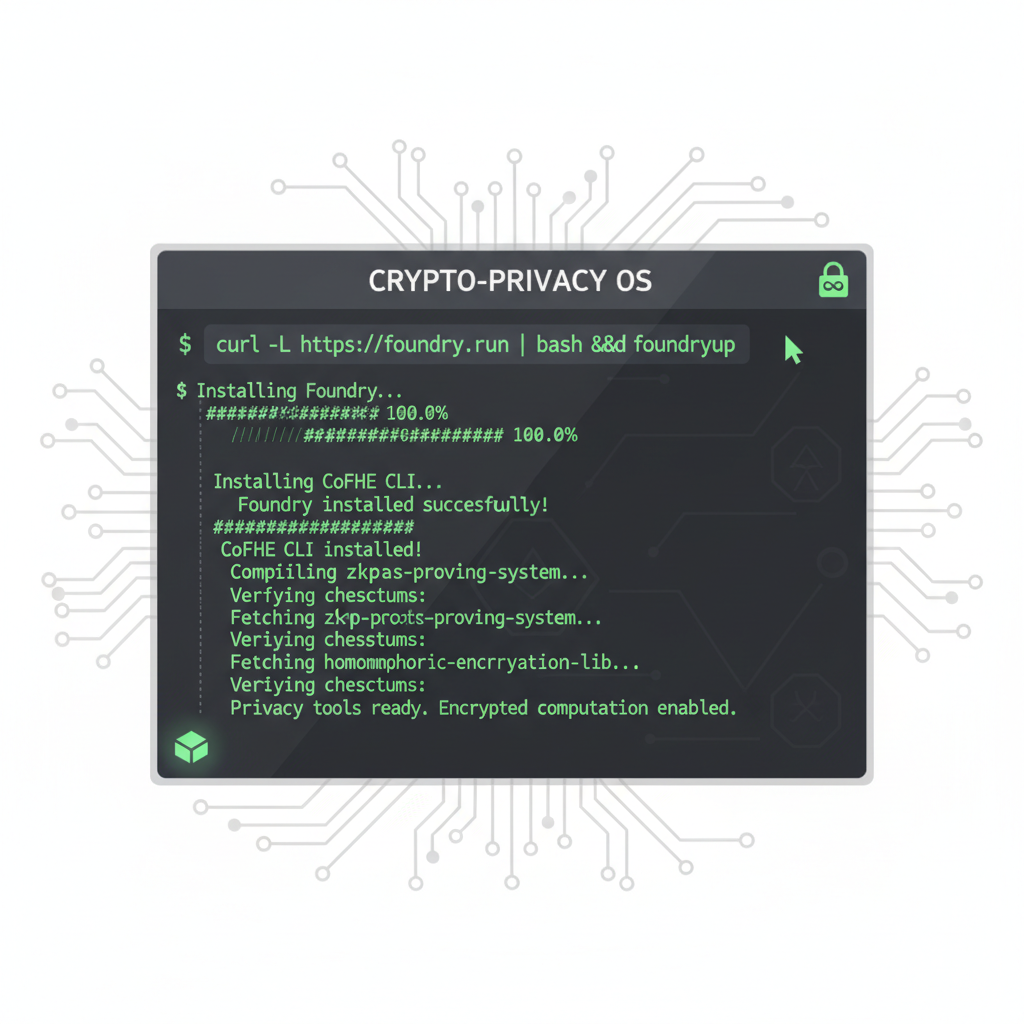

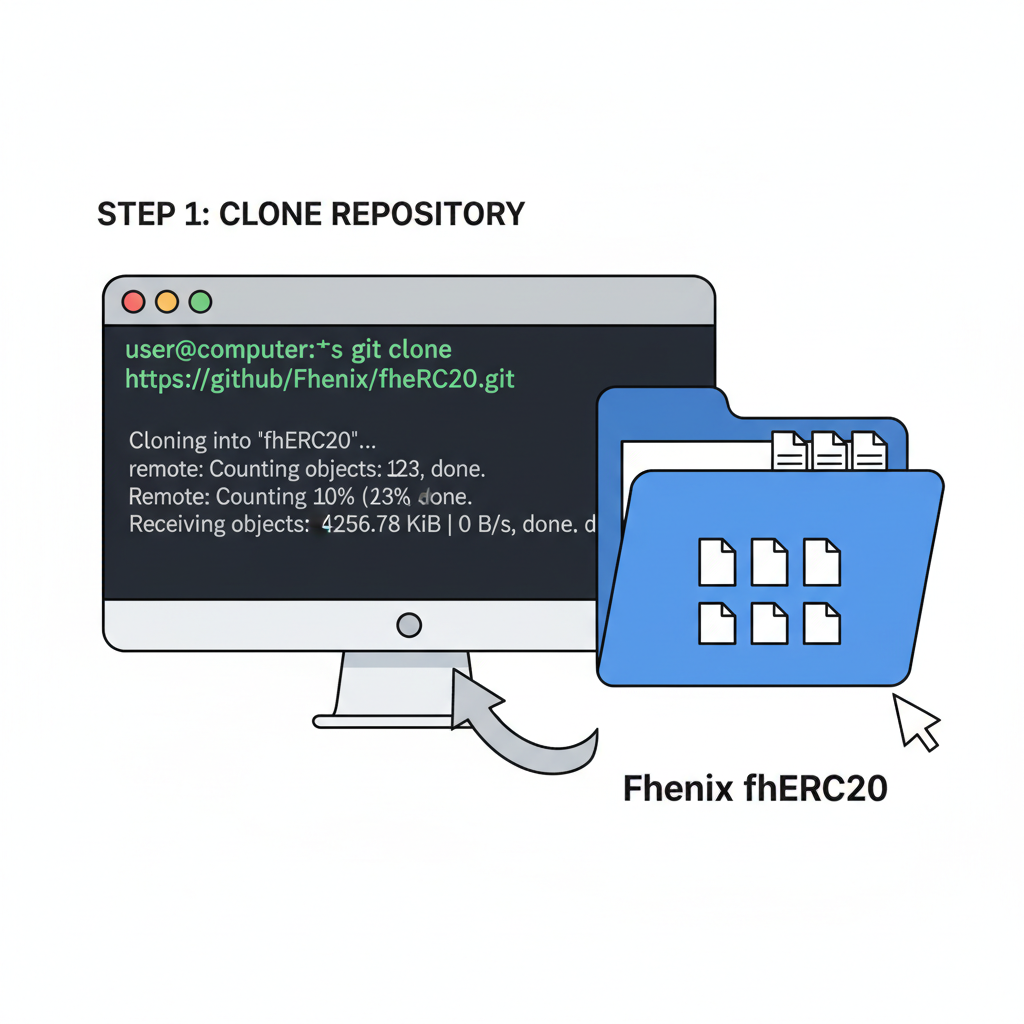
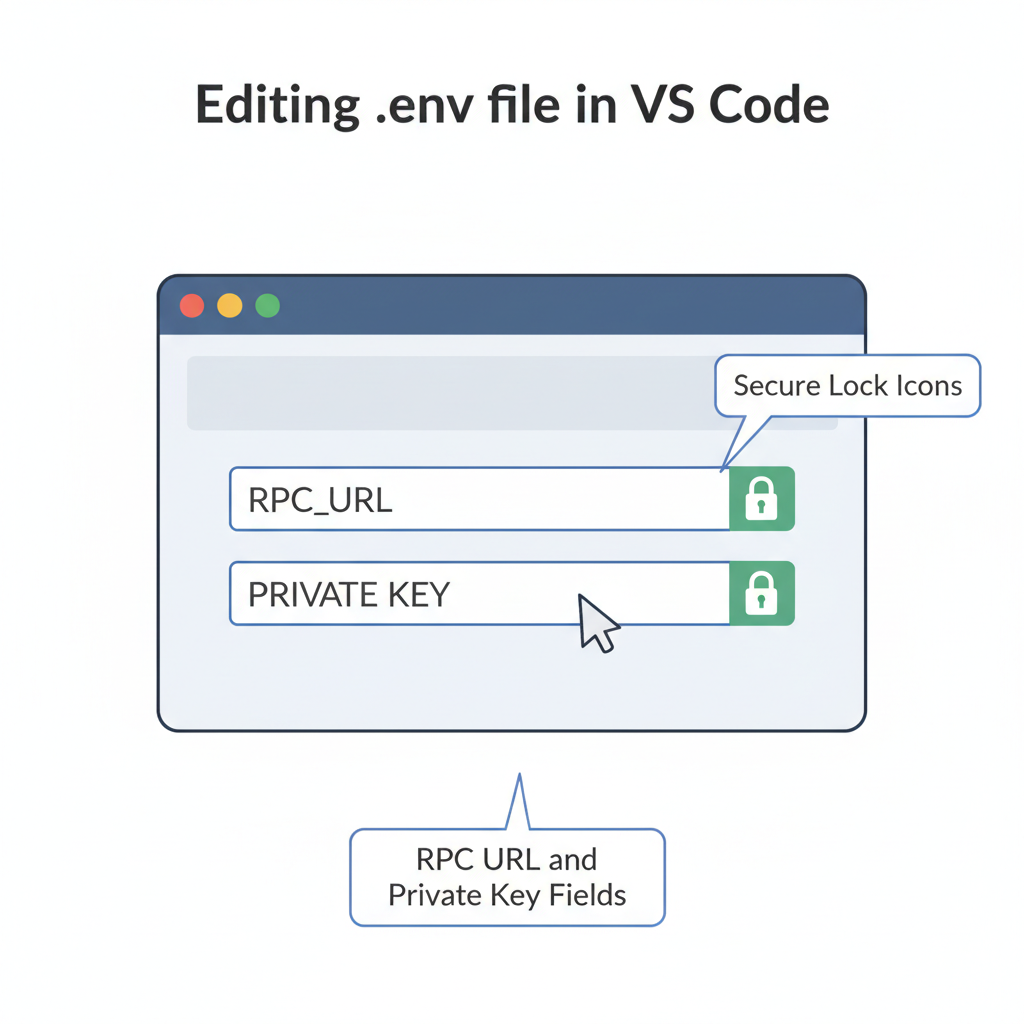

Deeper into the Fhenix developer guide 2026: integrate with Lido or Aave via encrypted callbacks. CoFHE proxies calls, computes privately, returns sealed results. Gas optimization tip: batch operations, use TFHE's packed encodings for vectors. I've stress-tested similar setups; they hold under volatility spikes.
Risks, Mitigations, and the Road Ahead for FHE Blockchain
FHE isn't flawless. Ciphertext expansion bloats storage, and ops remain compute-heavy, though FHE-Rollups mitigate via optimistic batching. Key risks: malleability attacks on ciphertexts, side-channel leaks in keygen. Mitigate with Zama's audited libraries, threshold schemes for keys, and formal verification tools emerging in Fhenix SDKs.
| Solution | Privacy Level | Composability | Gas Cost |
|---|---|---|---|
| FHE (Fhenix) | Full computation encrypted | EVM-native | Medium-High |
| ZK-SNARKs | Proof-based hiding | Requires circuits | High |
| Private MemPools | Off-chain hiding | Limited | Low |
As a certified risk manager, I rate FHE highest for dynamic DeFi: it preserves Turing-complete logic privately. Watch for mainnet launch post-Helium; ecosystem grants accelerate adoption. FHE-Rollups promise L2 scaling, settling encrypted states to Ethereum without trust.
Partners like Zama push boundaries: confidential governance, prediction markets, even insured derivatives where premiums encrypt per user. The multiplier effect? Private DeFi attracts institutions wary of on-chain surveillance, ballooning TVL while hedging alpha leaks.
Pragmatically, start small: fork Redact, iterate on Helium. Tools evolve fast; by mid-2026, expect VS Code plugins for live FHE debugging. This tech shifts DeFi from glass boxes to vaults, where risk stays managed and potential maximizes. Dive in, encrypt boldly.




No comments yet. Be the first to share your thoughts!