
In the evolving blockchain landscape of 2026, where Ethereum trades at $2,920.40 with a modest 24-hour gain of and $11.56, privacy demands have never been more pressing. High-profile exploits and regulatory scrutiny underscore the need for solutions like FHERC20 tokens on Fhenix. This FHERC20 tutorial guides you through building Fhenix encrypted tokens that keep smart contract balances truly private using Fully Homomorphic Encryption (FHE), all while staying compatible with the Ethereum ecosystem.
Fhenix leverages its fhEVM and CoFHE coprocessor to enable FHE smart contracts on Fhenix, allowing computations on encrypted data without decryption. FHERC20 builds on ERC20 standards but encrypts balances as euint128 values. This means token holders enjoy encrypted ERC20 private balances, shielded from on-chain visibility, ideal for confidential DeFi applications.

Unpacking FHERC20's Privacy Innovations
FHERC20 isn't just another token standard; it's a thoughtful evolution addressing ERC20's transparency pitfalls. Balances store as encrypted values, processed via FHE operations like addition and multiplication directly on ciphertexts. This ensures even auditors or attackers see only noise, not numbers.
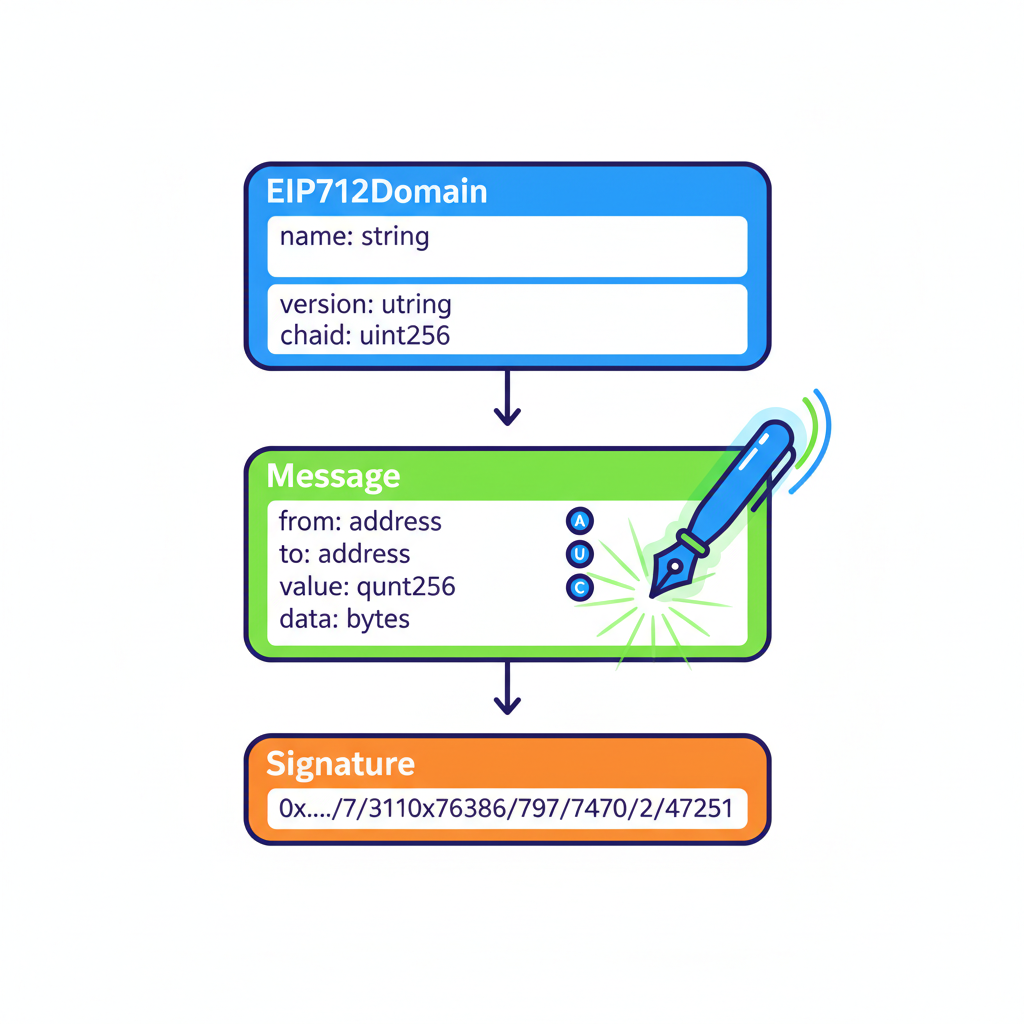
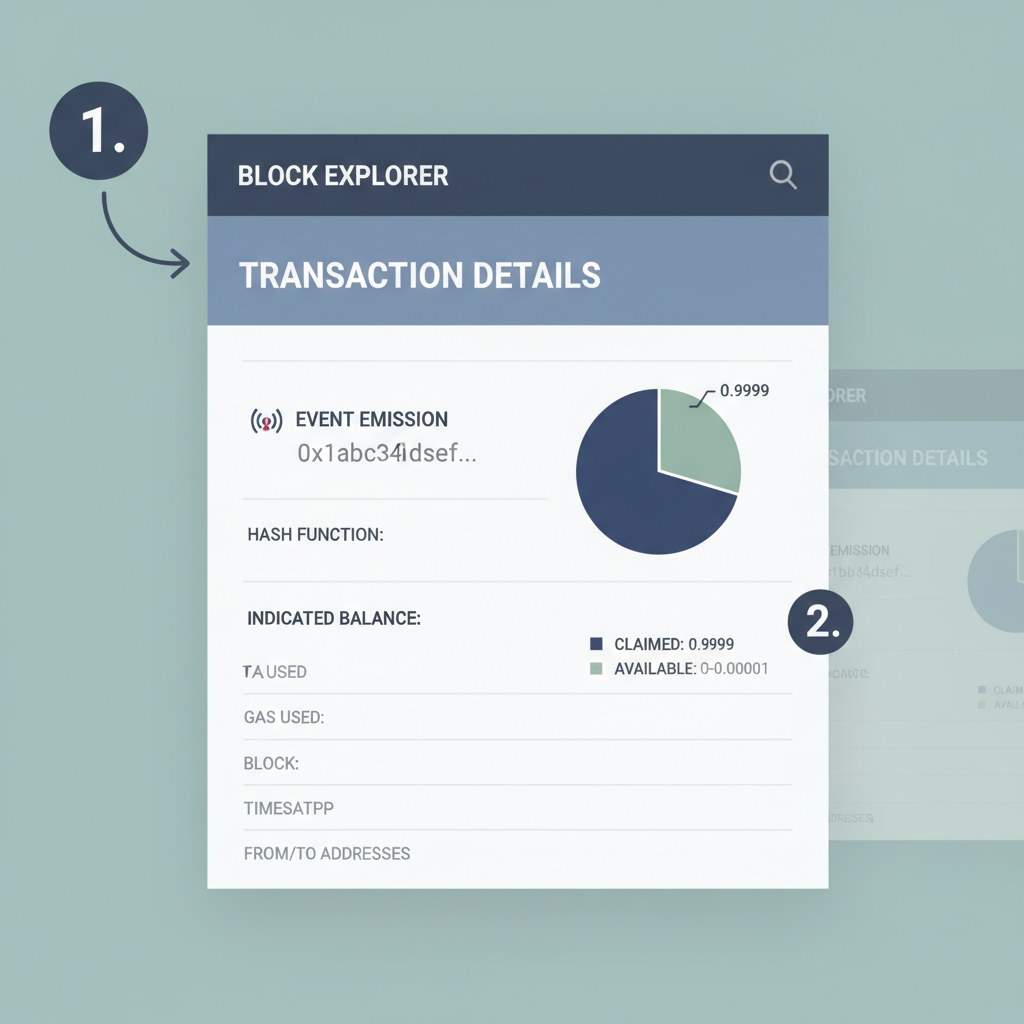
Key to usability are indicated balances: public decimals from 0.0000 to 0.9999 that hint at changes without spilling secrets. Watch your balance "wiggle" privately. Permissions shift to EIP712 signatures for transfers, eliminating risky allowances. Each encTransferFrom needs fresh approval, minimizing exposure.
Recent showcases like Redact app and Fhenix402 micropayments prove FHERC20's real-world chops. Redact lets users mint and swap these private tokens seamlessly, while Fhenix402 hides payment details on-chain. In my decade securing blockchains, this strikes a rare balance: robust privacy without silos.
Ethereum (ETH) Price Prediction 2027-2032
Forecasts based on Fhenix FHERC20 adoption trends for private smart contract balances and confidential DeFi growth
| Year | Minimum Price | Average Price | Maximum Price | YoY % Change (Avg) |
|---|---|---|---|---|
| 2027 | $2,500 | $4,000 | $6,500 | +37% |
| 2028 | $3,000 | $6,000 | $10,000 | +50% |
| 2029 | $4,000 | $8,500 | $14,000 | +42% |
| 2030 | $5,500 | $12,000 | $20,000 | +41% |
| 2031 | $7,000 | $16,000 | $25,000 | +33% |
| 2032 | $9,000 | $22,000 | $35,000 | +38% |
Price Prediction Summary
Ethereum prices are projected to experience substantial growth from 2027 to 2032, fueled by Fhenix's FHERC20 token standard and Fully Homomorphic Encryption (FHE) innovations enabling encrypted balances and private transactions. Starting from a 2026 baseline of ~$2,920, average prices could reach $22,000 by 2032 in bullish scenarios, reflecting over 7x appreciation amid rising adoption of confidential smart contracts, though bearish mins account for market cycles and regulatory risks.
Key Factors Affecting Ethereum Price
- Widespread FHERC20 adoption for encrypted ERC20-compatible tokens on Fhenix
- Expansion of private DeFi apps like Redact and Fhenix402 micropayments
- Ethereum ecosystem improvements in scaling and FHE integration
- Favorable regulatory developments for privacy-preserving blockchains
- Historical crypto market cycles post-Bitcoin halvings
- Competition from ZK and other privacy solutions, balanced by ETH dominance
Disclaimer: Cryptocurrency price predictions are speculative and based on current market analysis. Actual prices may vary significantly due to market volatility, regulatory changes, and other factors. Always do your own research before making investment decisions.
Configuring Your Fhenix Dev Setup
Getting started feels familiar if you know Solidity. Fhenix supports Hardhat, Foundry, and Truffle, with Ethereum Sepolia or Arbitrum Sepolia testnets ready. Begin by installing Node. js and the Fhenix CLI.
- Run
npm install -g @fhenixprotocol/clifor essentials. - Create a project:
fhenix create my-fherc20-token. - Navigate in, install deps:
npm install @fhenixprotocol/cofhe-contracts. - Fund your wallet on testnet via Fhenix faucet.
This setup integrates the CoFHE coprocessor for off-chain FHE ops, keeping gas low. Test locally first with Anvil forked to Fhenix chain. Reassuringly, official GitHub repos like FhenixProtocol/erc20-tutorial-code provide battle-tested starters, cutting boilerplate.
Crafting Encrypted Balance Mappings
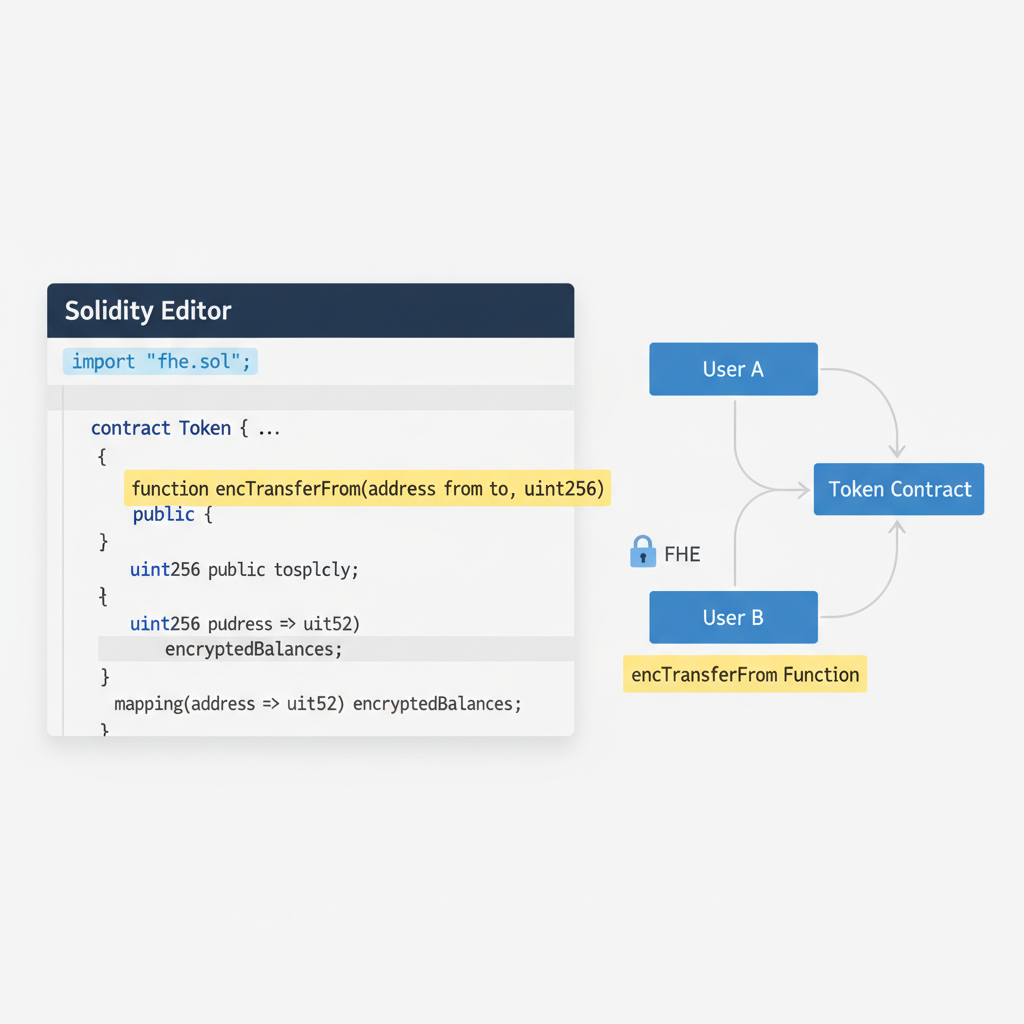
At FHERC20's core lies a mapping like mapping(address leads to euint128) private _balances;. Initialize with FHE. asEuint128(0). Transfers use FHE. sub and FHE. add on encrypted values, emitting events with indicated balances for frontends.
Consider minting: generate an euint128 from input, add to sender's balance, verify totals match via FHE equality checks. This prevents inflation exploits inherent in opaque systems. Deploy with fhenix deploy, interact via encrypted RPCs. Developers often overlook FHE. allowSender and FHE. allowThis permissions; include them to authorize operations, a subtle but critical step I've seen trip up teams.
By halving visibility risks, Fhenix privacy smart contracts 2026 edition empowers builders to deploy confidential tokens confidently. Next, we'll simulate transfers and integrate with wallets.
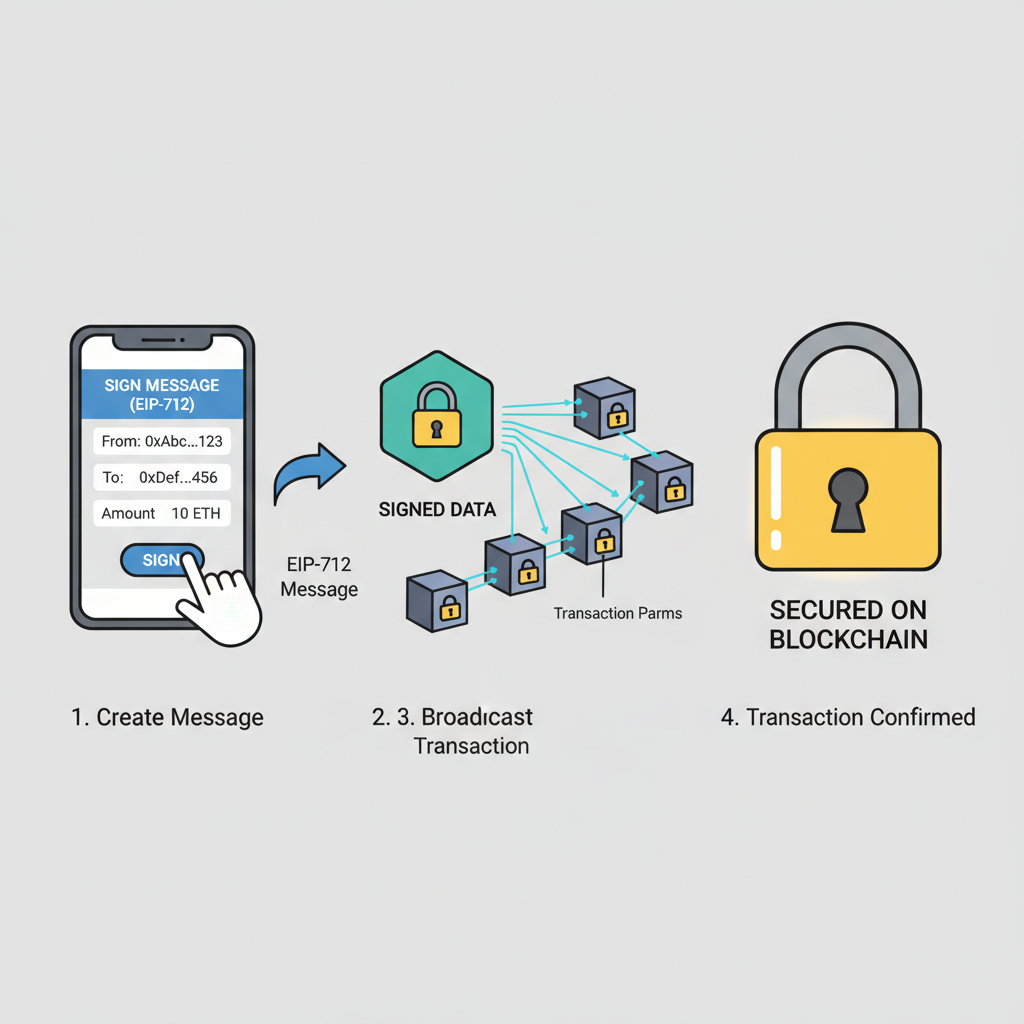
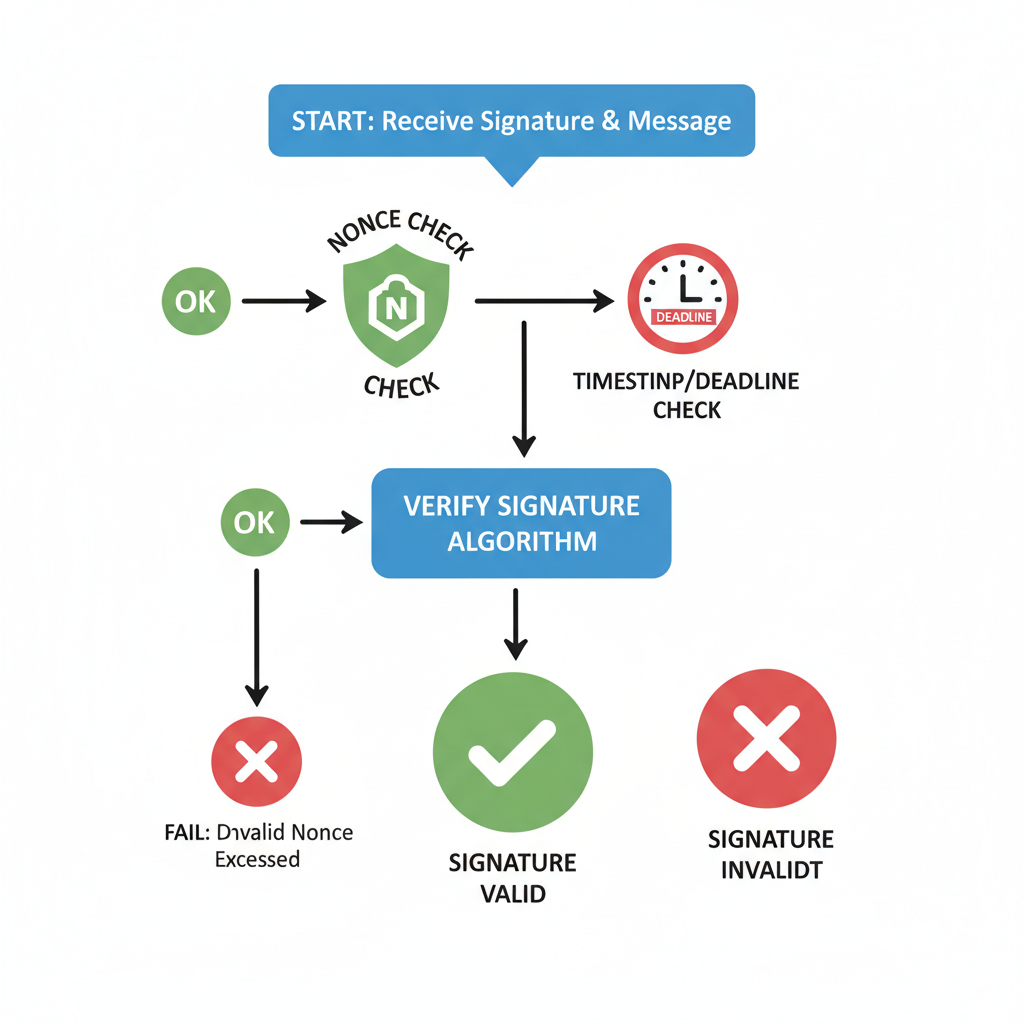
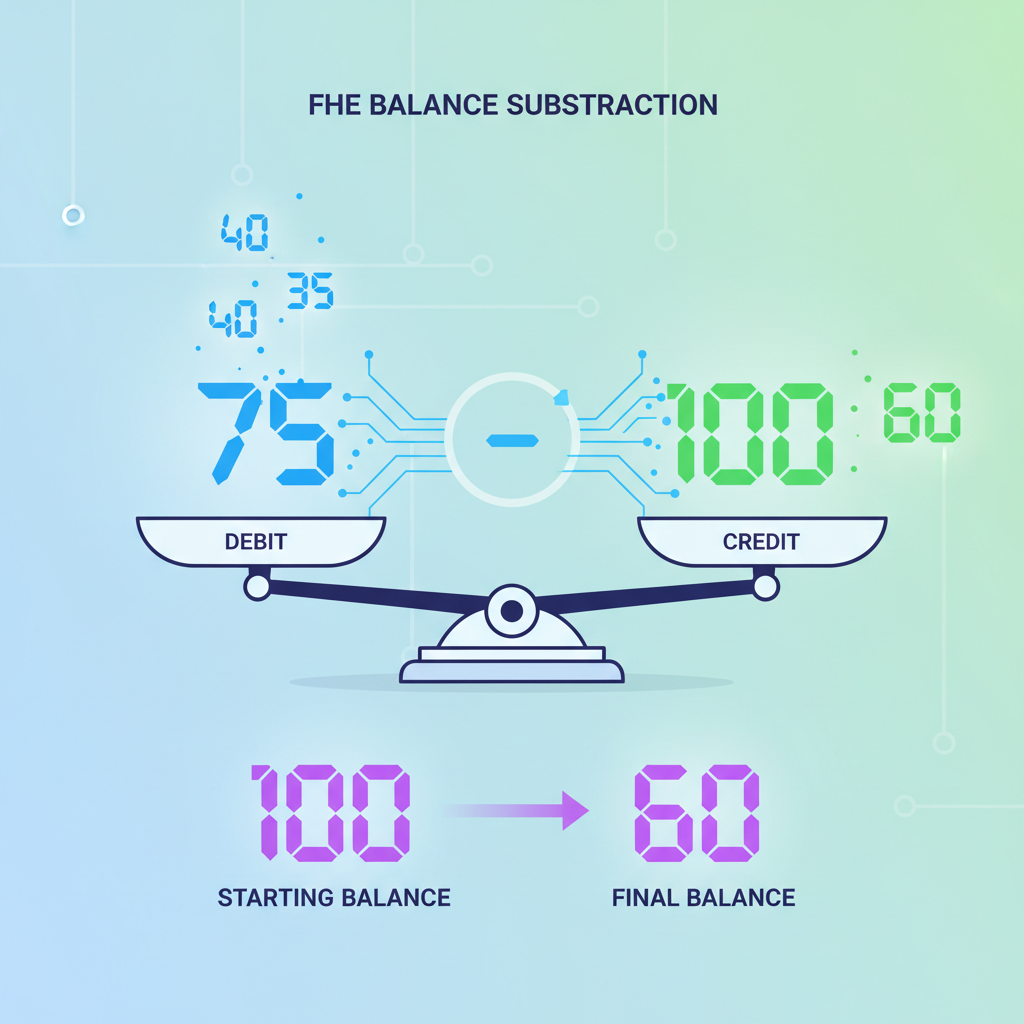
Simulating a private transfer starts with crafting an EIP712-typed message for approval. Users sign off-chain: {spender: address, amount: uint256, nonce: uint256, deadline: uint256}. The contract verifies this signature before executing encTransferFrom, subtracting from sender's encrypted balance and adding to recipient's, all under FHE's veil. No public allowance lingers; each spend requires new consent, a safeguard I've championed in audits to thwart infinite mints.
Hands-On Transfer Mechanics
Let's dissect a transfer. Input amounts encrypt client-side via Fhenix SDK, becoming Wallets like MetaMask extend naturally. Fhenix's JS SDK encrypts inputs before signing; RPCs route to coprocessors for decryption-free execution. Indicated balances populate UIs: imagine your dashboard showing 0.4242 fluctuating privately, syncing via events. Frontends query For DApps, wrap FHERC20 in lending protocols or DEXs. Encrypted reserves enable private yields; swaps compute under encryption, revealing only post-trade indicia. Redact app exemplifies this: mint via faucet, transfer invisibly, all while Ethereum holds at $2,920.40, underscoring stable infrastructure for privacy bets. Mainnet awaits Fhenix's Ethereum rollout, but Sepolia mirrors it closely. Gas hovers efficiently thanks to off-chain compute; a transfer costs akin to ERC20, minus privacy premium. From my FRM lens, this de-risks DeFi portfolios amid rising exploits. Fhenix402's micropayments hint at gaming, paywalls, subscriptions, all private. Pair with ZK for hybrid proofs, or layer on confidential AMMs. Builders, this toolkit turns Ethereum's glass walls into one-way mirrors. Deploy your Fhenix encrypted tokens today; privacy isn't future-proofing, it's present necessity in 2026's FHE smart contracts Fhenix era. euint128. The coprocessor handles arithmetic: FHE. sub(_balancesMaster FHERC20 encTransferFrom: Private Transfers with Client Encryption & FHE Magic

Seamless Wallet and DApp Integration
getIndicatedBalance(address), hashing encrypted values on-chain for that probabilistic hint. Comparison of ERC20 vs FHERC20
Feature ERC20 FHERC20 Balance Visibility Public 👁️ Encrypted (euint128) with indicated balances (0.0000-0.9999) 🔒 Transfer Permissions Standard allowances (ongoing access) ⚠️ EIP712 signatures (secure, no ongoing access) ✅ Compatibility Full Ethereum ecosystem ✅ ERC20 compatible infrastructure 🔄 Privacy Level None ❌ High (Fully Homomorphic Encryption) 🛡️ Deploying to Testnets and Beyond
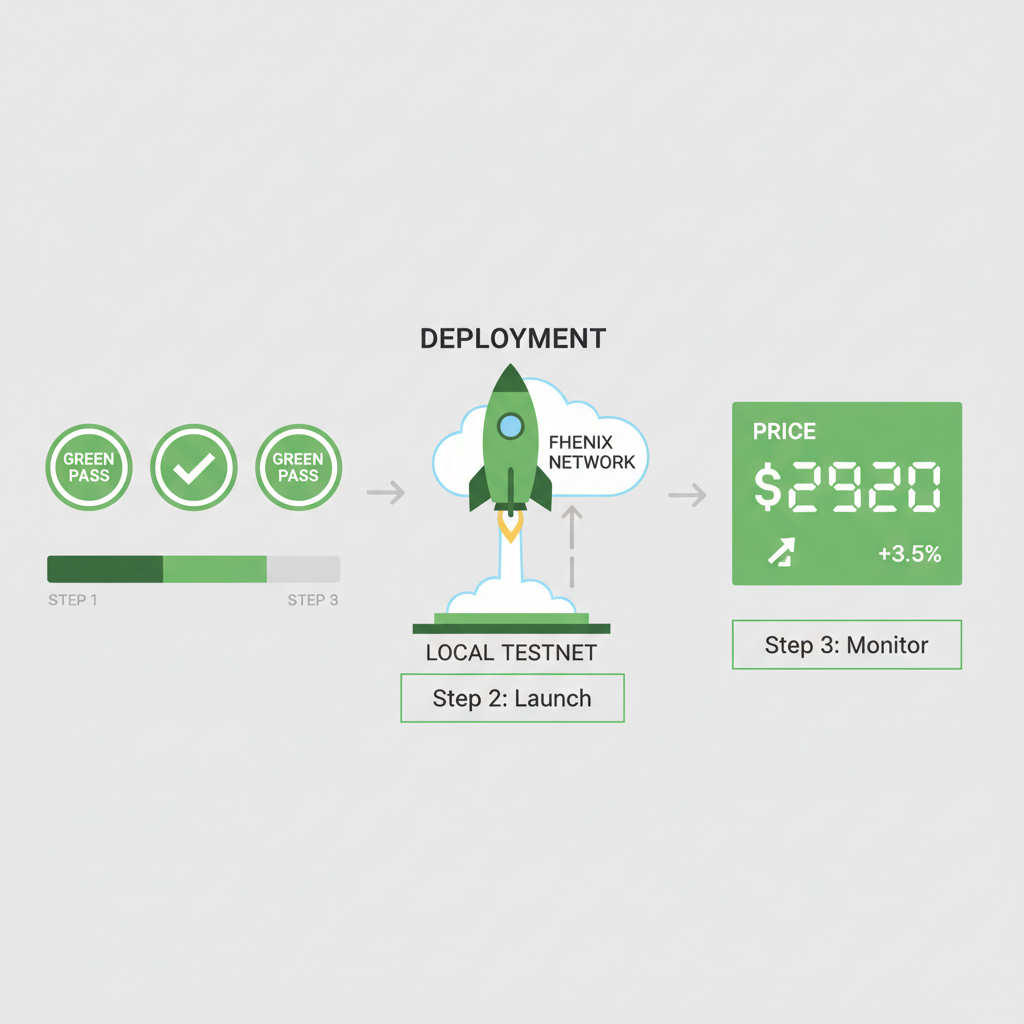
fhenix compile verifies FHE types. fhenix deploy --network arbitrum-sepolia MyFHERC20. json, grabbing testnet FXS from faucets. contract. encTransfer(recipient, encrypt(100)).




No comments yet. Be the first to share your thoughts!