

In the bustling Ethereum ecosystem, where ETH trades at $3,168.47 amid a subtle 24-hour dip of $-24.38, developers grapple with a persistent tension: the blockchain's transparency fosters trust yet exposes sensitive data to prying eyes. Enter Zama's FHEVM, a game-changer for encrypted smart contracts FHE that processes encrypted data without decryption, unlocking true confidential smart contracts Ethereum. This guide demystifies building with FHEVM, drawing from Zama's protocol to empower privacy-focused logic on EVM chains.
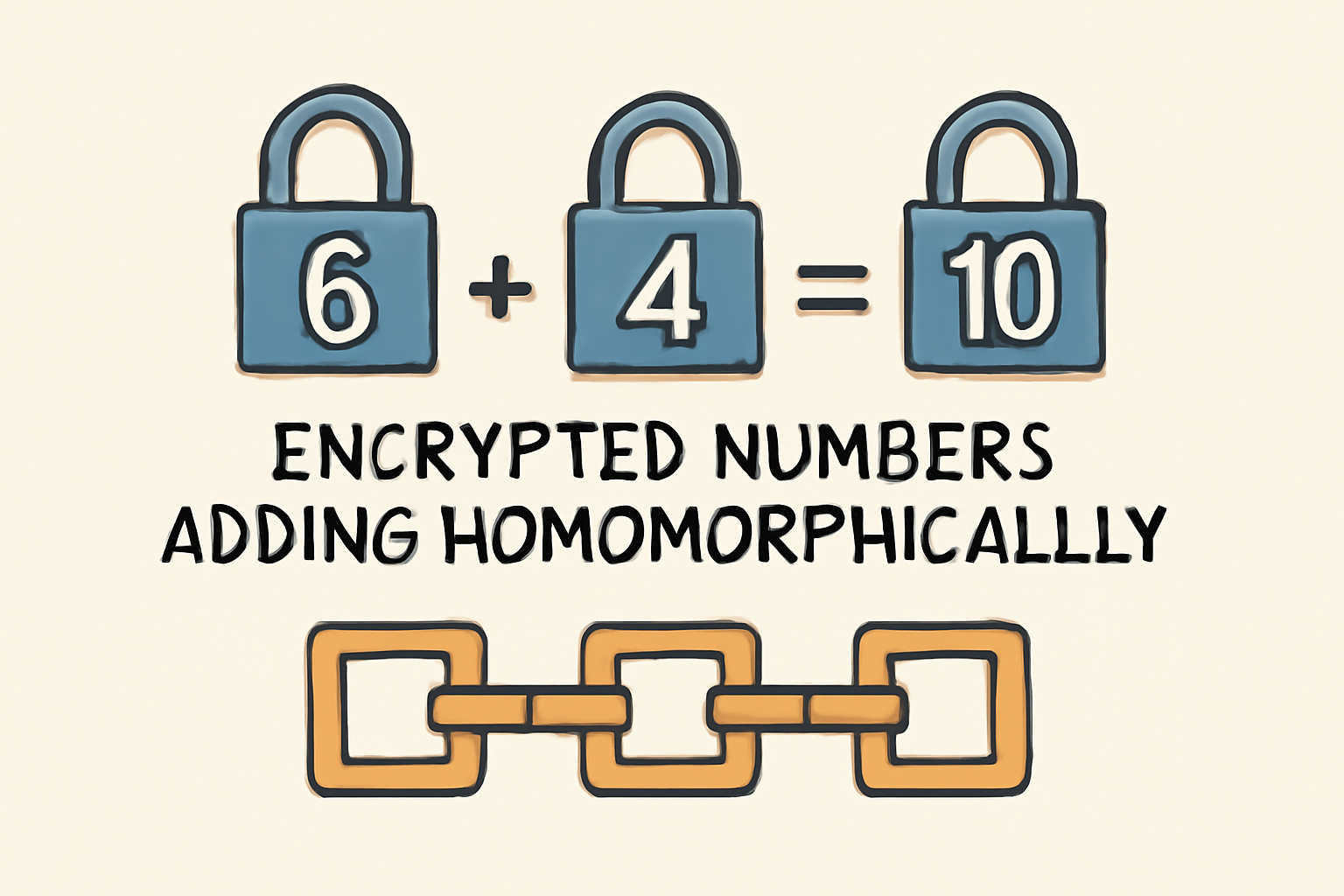
Fully Homomorphic Encryption (FHE) stands as the cryptographic cornerstone here, allowing computations on ciphertexts that yield encrypted results matching plaintext operations. Zama's FHEVM integrates this into Solidity, sidestepping the need for zero-knowledge proofs or off-chain oracles that complicate scalability. From confidential DAO voting to on-chain passport verification, FHEVM handles real-world use cases with precision, all while Ethereum's price stability at $3,168.47 underscores the network's maturity for such innovations.
Core Architecture of FHEVM: How Confidential Computing Lands on Blockchain
FHEVM operates as a coprocessor layer atop EVM-compatible chains, recently launched on Ethereum's Sepolia testnet with mainnet eyed for mid-2025. It introduces encrypted types like euint8 to euint256, booleans, bytes, and addresses, enabling arithmetic, comparisons, and even conditional logic on encrypted inputs. This architecture achieves fully homomorphic encryption blockchain feats by leveraging Zama's TFHE scheme, optimized for blockchain constraints.
Private smart contracts thrive on public chains because FHE lets you compute without revealing data, a paradigm shift from today's plaintext pitfalls.
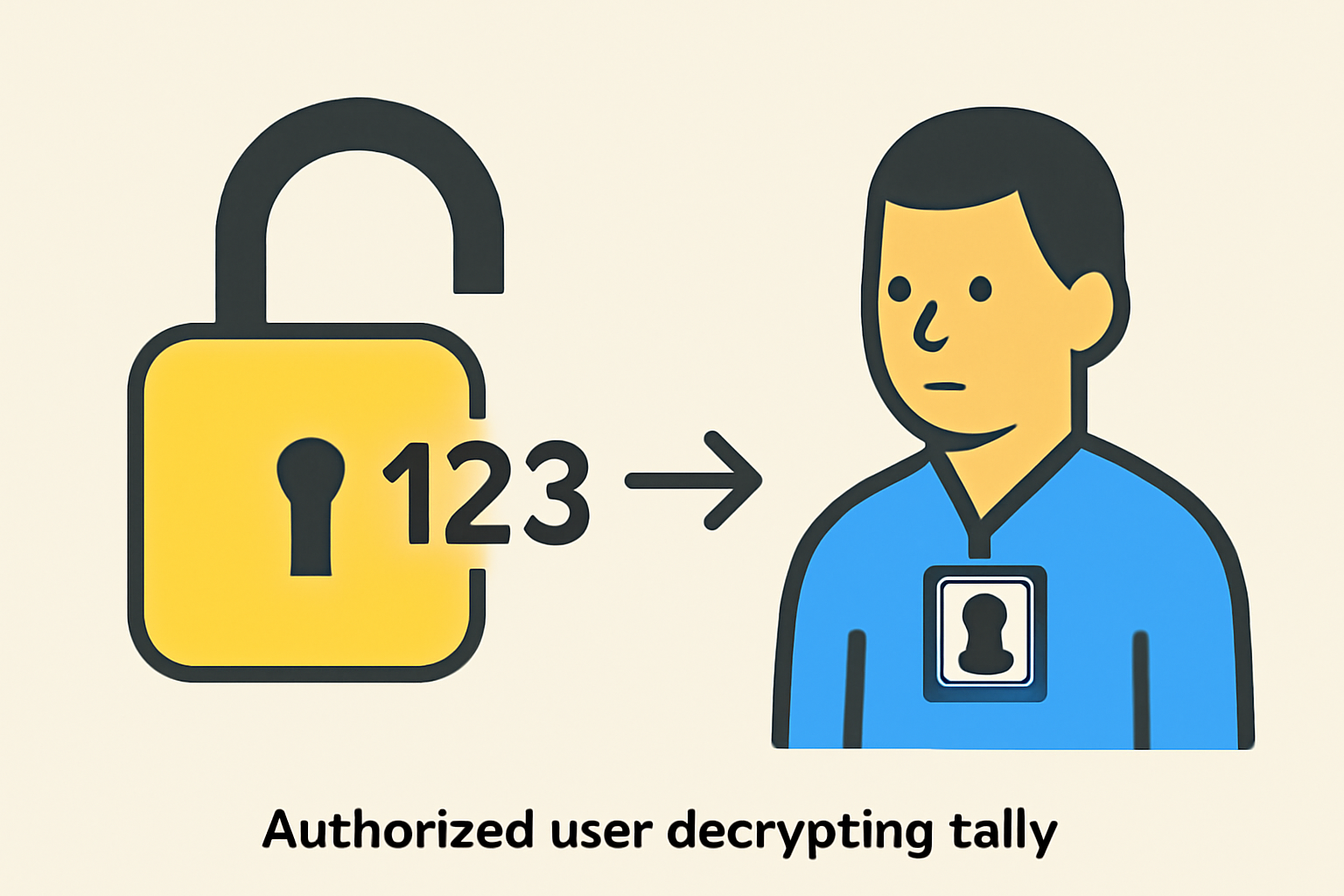
In practice, access controls dictate decryption rights, ensuring only authorized parties unveil results. Developers appreciate the seamless Solidity integration; no PhD in crypto required. Zama's docs highlight this in their Solidity library guide, perfect for migrating existing contracts.

Encrypted Data Types and Operations: The Building Blocks
Diving deeper, FHEVM's type system mirrors Solidity's but encrypts primitives. An euint32 supports addition, multiplication, and bit operations homomorphically. Booleans become ebool for private conditions, while addresses encrypt to prevent linkage attacks. Libraries furnish functions like encrypt(uint256 value) and decrypt(euint256 cipher), gated by client-side keys.
This setup shines in scenarios demanding privacy smart contracts developers covet, such as sealed-bid auctions or private DeFi yields. Recent examples include Yehia Tarek's on-chain passport system, verifying credentials without exposure. Ethereum's 24-hour range from $3,074.74 to $3,219.02 reflects market resilience, mirroring FHEVM's robust error-handling for noisy encryptions.
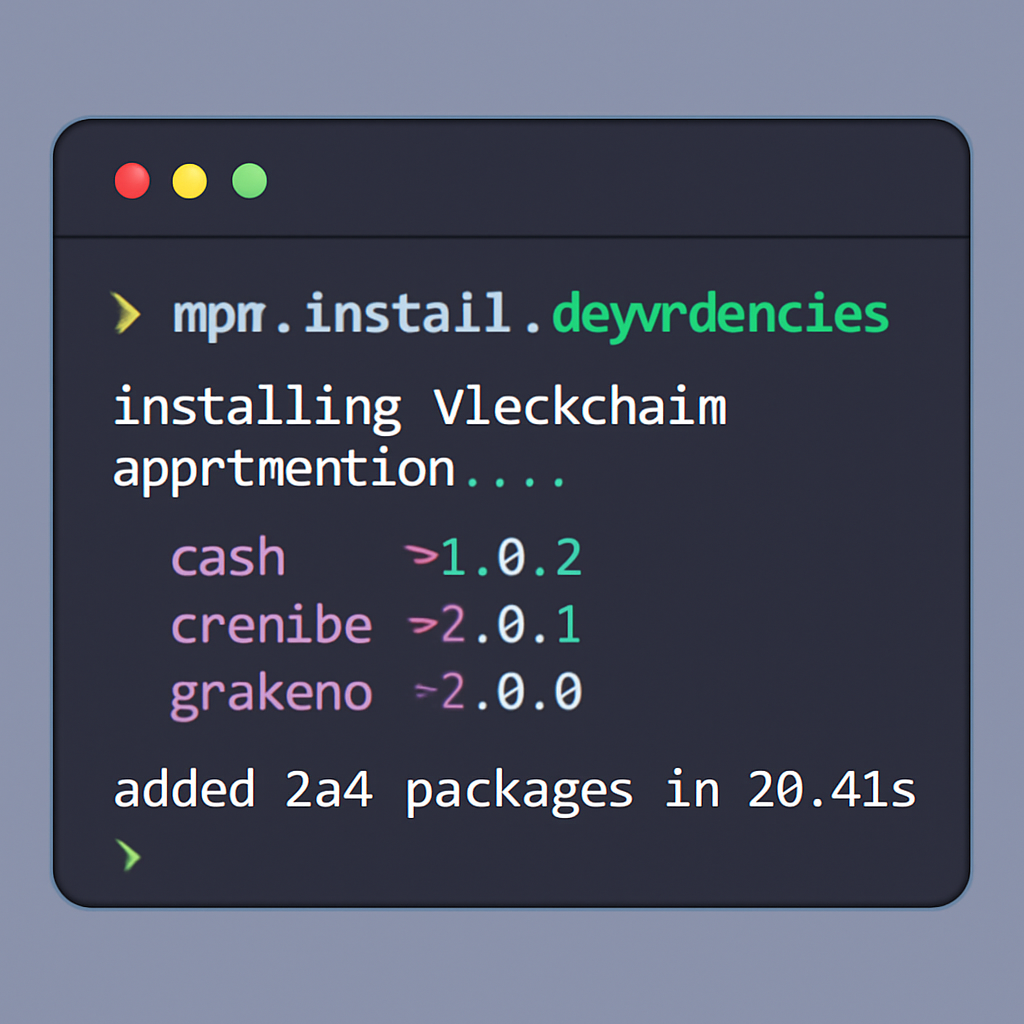
Getting started demands a methodical approach. Install Foundry or Hardhat, then add FHEVM dependencies via npm: npm install @zama-fhevm/fhevm. Configure your foundry. toml with Sepolia RPCs and Zama's chain ID. Zama's quick start tutorial walks through deploying a basic confidential counter.
Here's a distilled migration path: identify plaintext ops, replace with encrypted equivalents, and test via Hardhat scripts that generate keypairs. Simulate with Zama's local node for rapid iteration. For a hands-on FHEVM Zama tutorial, their GitHub repo at zama-ai/fhevm offers templates, from voting DAOs to encrypted oracles.
Challenges arise in performance; FHE ops cost more gas, but Zama optimizes with batching and recursion limits. In my experience spanning traditional finance risks to blockchain privacy, this trade-off fortifies against MEV and front-running, essential as ETH holds $3,168.47.
Real-world deployment reveals FHEVM's edge in applications where privacy intersects with verifiability. Consider a confidential DAO voting system: encrypted votes aggregate homomorphically, tallying results without exposing individual choices. This sidesteps vote-buying risks plaguing public polls, a boon for decentralized governance as Ethereum's ecosystem matures at $3,168.47 per ETH.
Practical Implementation: From Voting to Private DeFi
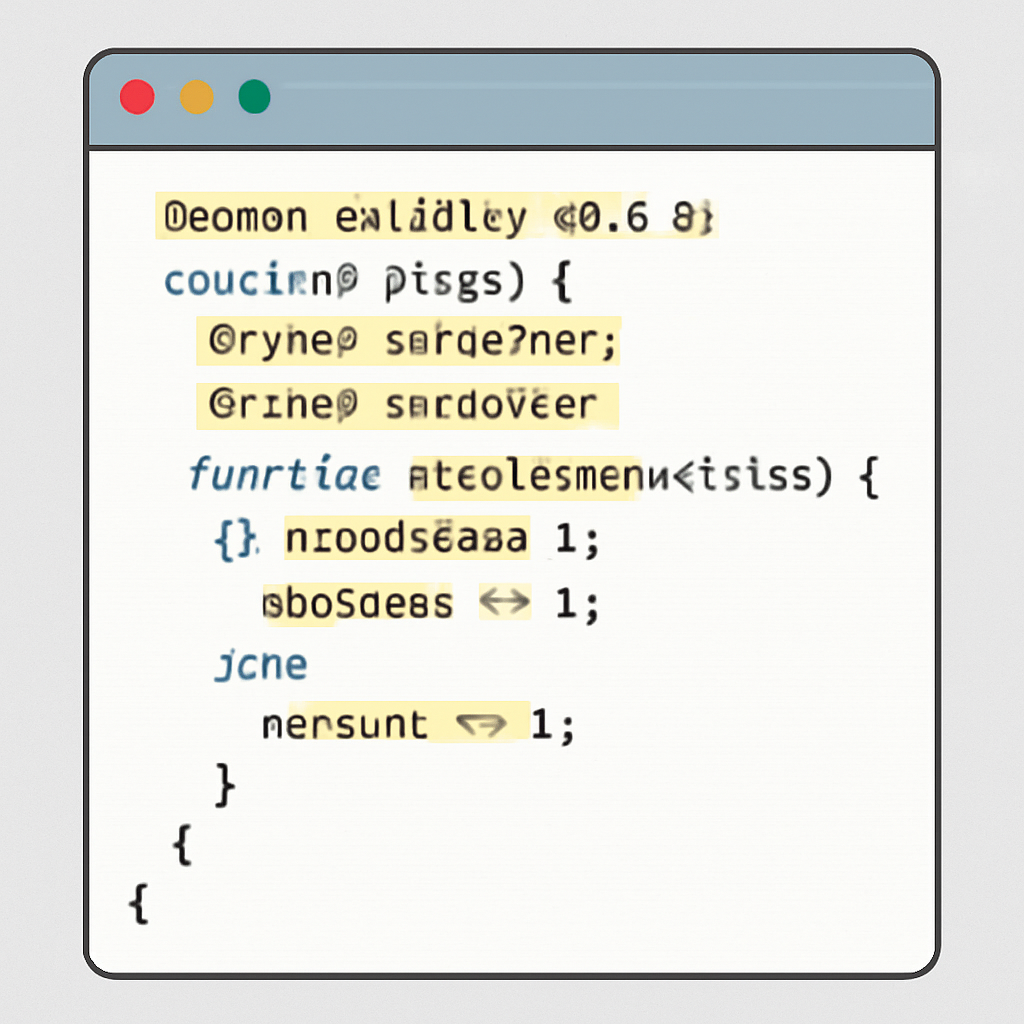
Transforming concepts into code starts with grasping FHEVM's libraries. The protocol's encrypted Solidity types enable private balances in DeFi lending, where yields compute on ciphertexts to shield positions from arbitrage bots. Zama's examples, like on-chain passport management, encrypt document hashes and verify against public Merkle proofs, blending confidentiality with auditability.
Deploy Confidential Voting: FHEVM Keys, Encrypted euint8 Votes & Secure Tally
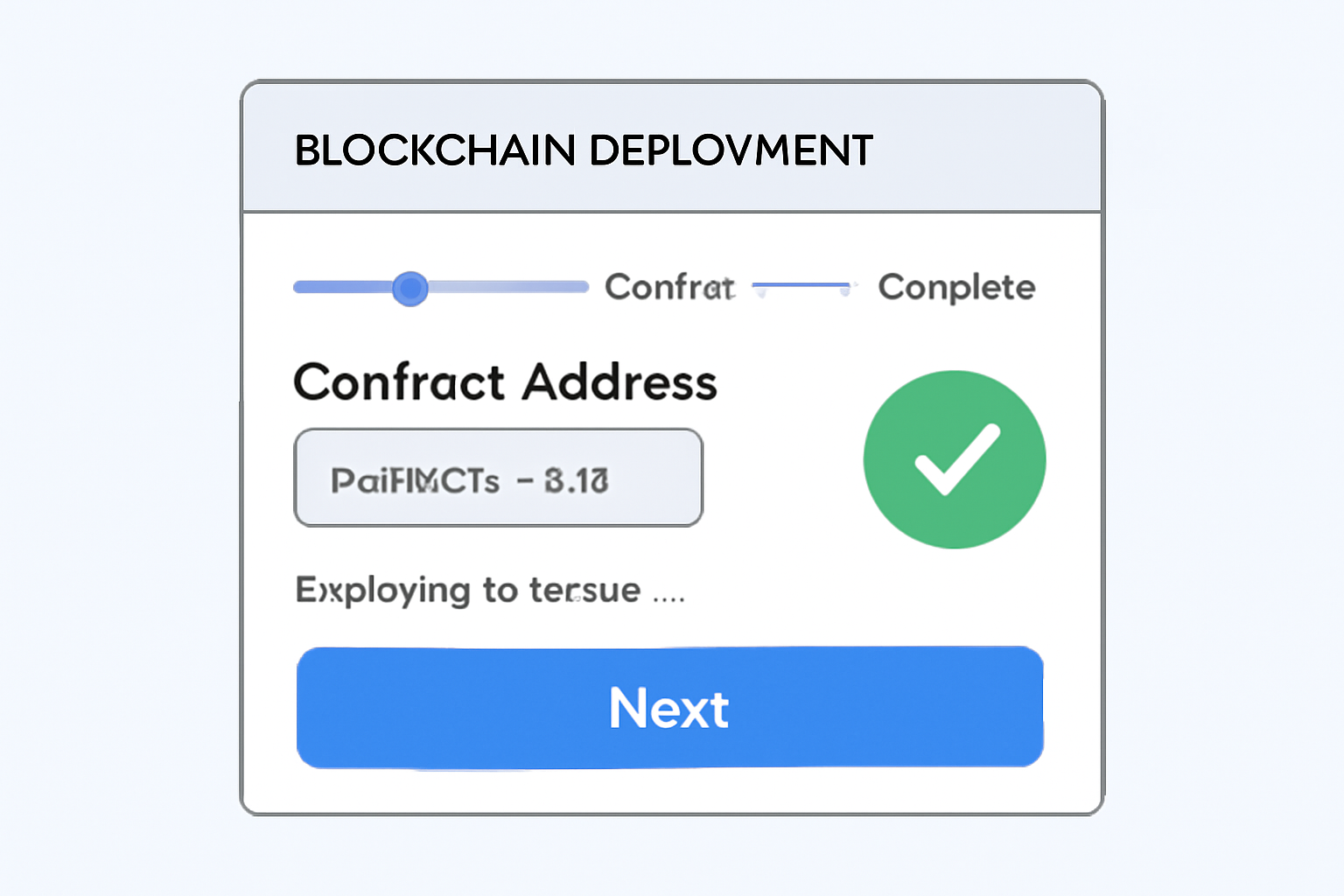

Performance tuning proves crucial; each encrypted operation incurs higher gas due to TFHE's polynomial evaluations. Batch multiple ops into single calls and leverage recursion for complex logic. Zama's Sepolia testnet deployment, now live, lets developers benchmark against Ethereum's 24-hour low of $3,074.74, ensuring cost viability before mainnet in mid-2025.
Migration Checklist and Best Practices: Secure Your Transition
Security demands vigilance. Key generation happens client-side; never store private keys on-chain. Use randomized nonces in encryptions to thwart replay attacks, and enforce granular access via require(isAuthorized(decryptor)). In risk-managed deployments, I've seen FHEVM mitigate oracle manipulations better than trusted intermediaries, aligning with blockchain's trustless ethos.
Looking Ahead: FHEVM's Role in Ethereum's Privacy Era
As Zama's mainnet approaches, FHEVM positions Ethereum for confidential scaling. Developers gain tools to outpace competitors reliant on ZK's proof bottlenecks, all while ETH's resilience from $3,219.02 highs bolsters confidence. Pair this with Zama's litepaper insights for a full grasp; the result? Robust, private logic that scales with blockchain's evolution. Dive into the GitHub repo or video tutorials to prototype today, fortifying your contracts against tomorrow's threats.




No comments yet. Be the first to share your thoughts!