
Picture this: you're building a DeFi app on Ethereum where user balances and transaction amounts remain hidden from prying eyes, yet the contract executes flawlessly on encrypted data. In 2025, Zama's FHEVM makes this reality straightforward for developers, thanks to its seamless integration with Ethereum. No more compromising between privacy and blockchain transparency. As someone who's tracked privacy protocols for years, I can tell you encrypted smart contracts with Zama FHE are game-changers for FHE smart contracts on Ethereum.
Fully Homomorphic Encryption (FHE) lets you perform computations on encrypted data without decrypting it first. On blockchains like Ethereum, this means confidential transactions, private voting, or secure identity verification without off-chain trusted parties. Zama's FHEVM, the core of their Confidential Blockchain Protocol, brings this to EVM-compatible chains. Developers can now write Solidity code that handles e By late 2025, FHEVM's Ethereum integration lets you deploy privacy-preserving smart contracts directly. The new FHEVM Coprocessor is brilliant; it offloads heavy FHE ops to a sidechain while keeping everything composable on mainnet Ethereum or L2s like Polygon and Arbitrum. I love how it sidesteps gas limits without sacrificing security. Then there's the July partnership with OpenZeppelin: they're crafting a Confidential Token interface, like ERC-20 but with encrypted balances. This could make private DeFi the norm, not the exception. Zama's Developer Program, kicked off in September, sweetens the deal with bounties, certifications, and acceleration for FHE builders. Their Solidity guides cover everything from encrypted types to access controls, making Zama FHE developer guide resources incredibly accessible. Check out their quick-start tutorial for your first contract in minutes. These advancements open doors for on-chain passport management or confidential lending protocols, as seen in community experiments like Yehia Tarek's encrypted identity system. Getting hands-on is easier than ever. Start with Zama's docs for the FHEVM library. Install Foundry or Hardhat, then add the FHEVM npm package. Their customized OpenZeppelin Contracts Wizard generates FHE-ready templates, and the Privacy Relayer handles encrypted tx submissions seamlessly. For testing, their bounty program Season 10 challenges you to build a full dApp - smart contract plus frontend. It's a perfect homomorphic encryption blockchain tutorial. Resources like the awesome-zama list curate FHE papers and tutorials, while YouTube demos from Zama engineers demystify Solidity FHE ops. One tip from my experience: always encrypt inputs client-side before sending to the contract. Use JavaScript libraries from Zama for keygen and encryption. This ensures end-to-end confidentiality on confidential Ethereum contracts 2025. Let's sketch a basic confidential counter. Import FHE types: "Privacy is not a luxury, it's a necessity. "
Essential Tools and Setup for FHEVM Development
git clone https://github.com/zama-ai/fhevm.npm install @zama-fi/fhevm in your project. 
Crafting Your First Encrypted Smart Contract
euint256 public encryptedCounter;. The increment function takes an encrypted value: function increment(euint256 delta) public { encryptedCounter = encryptedCounter and delta; }. Revelations happen only for authorized users via revel or comparisons without decrypting.
This setup shines in use cases like private auctions, where bids stay hidden until reveal time. Zama's protocol litepaper dives into architecture details, emphasizing scalability on Ethereum.
Next up in building these contracts: frontend integration and advanced ops. But mastering this foundation unlocks powerful privacy-preserving smart contracts.
Frontend integration brings your encrypted smart contract to life, letting users interact without exposing sensitive data. Use Zama's JavaScript libraries to generate keys, encrypt inputs on the client side, and send ciphertexts to the contract. This keeps everything private from the browser to the blockchain. I recommend React or Next. js for the UI, paired with ethers. js for contract calls. The beauty is in the seamlessness - users see decrypted results only after authorized revelation.
Front-End FHE Setup: Encrypt & Invoke Like a Pro


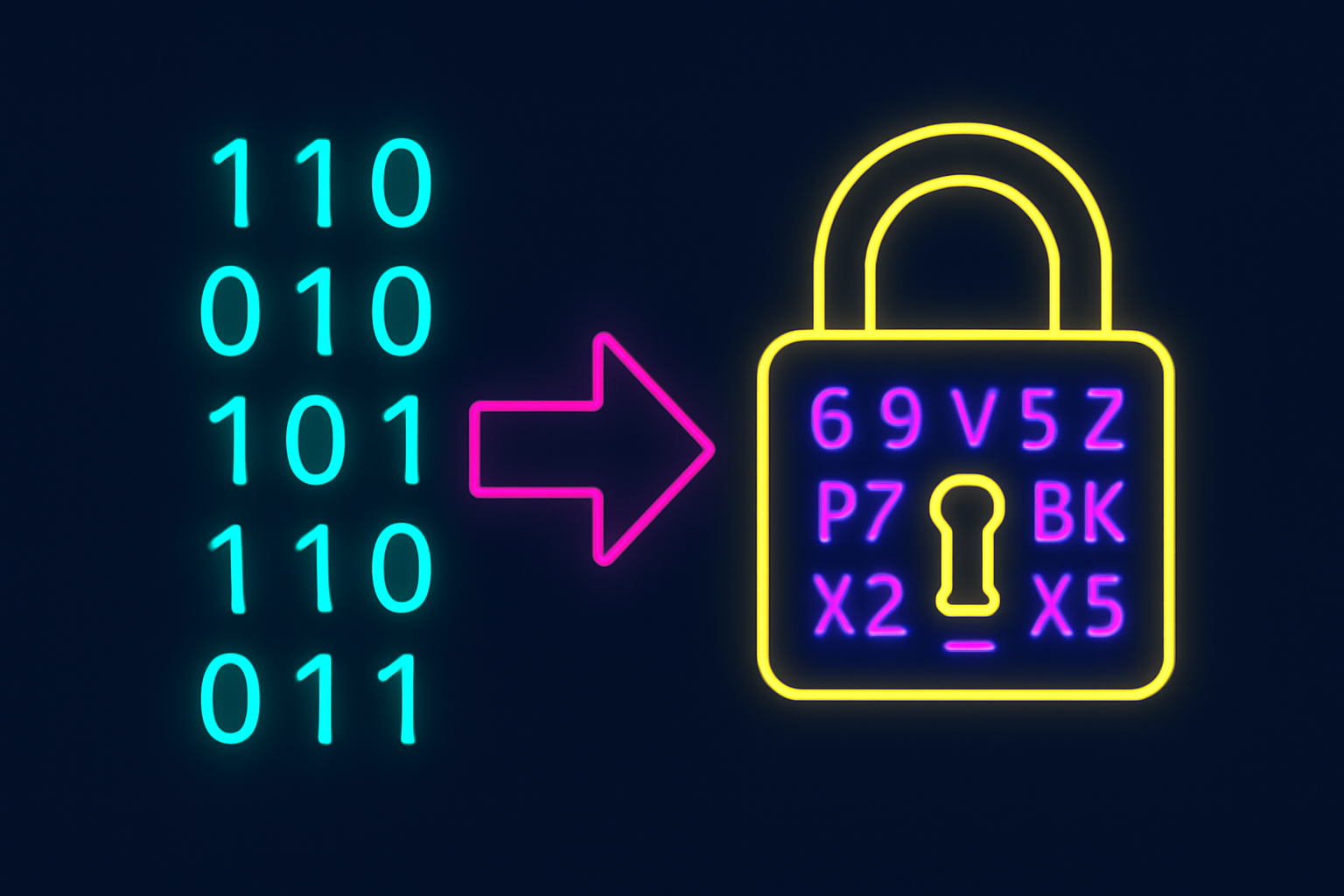
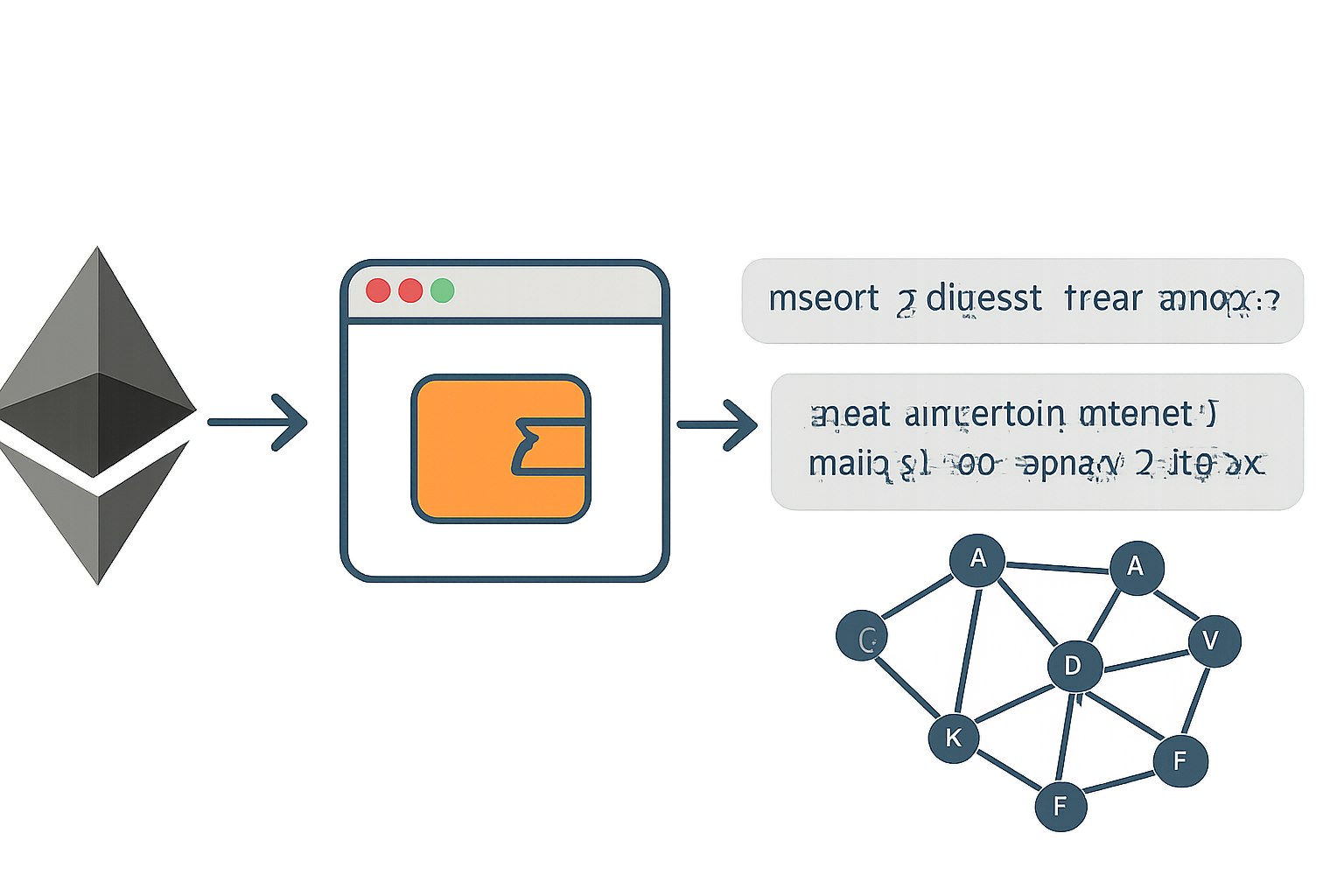
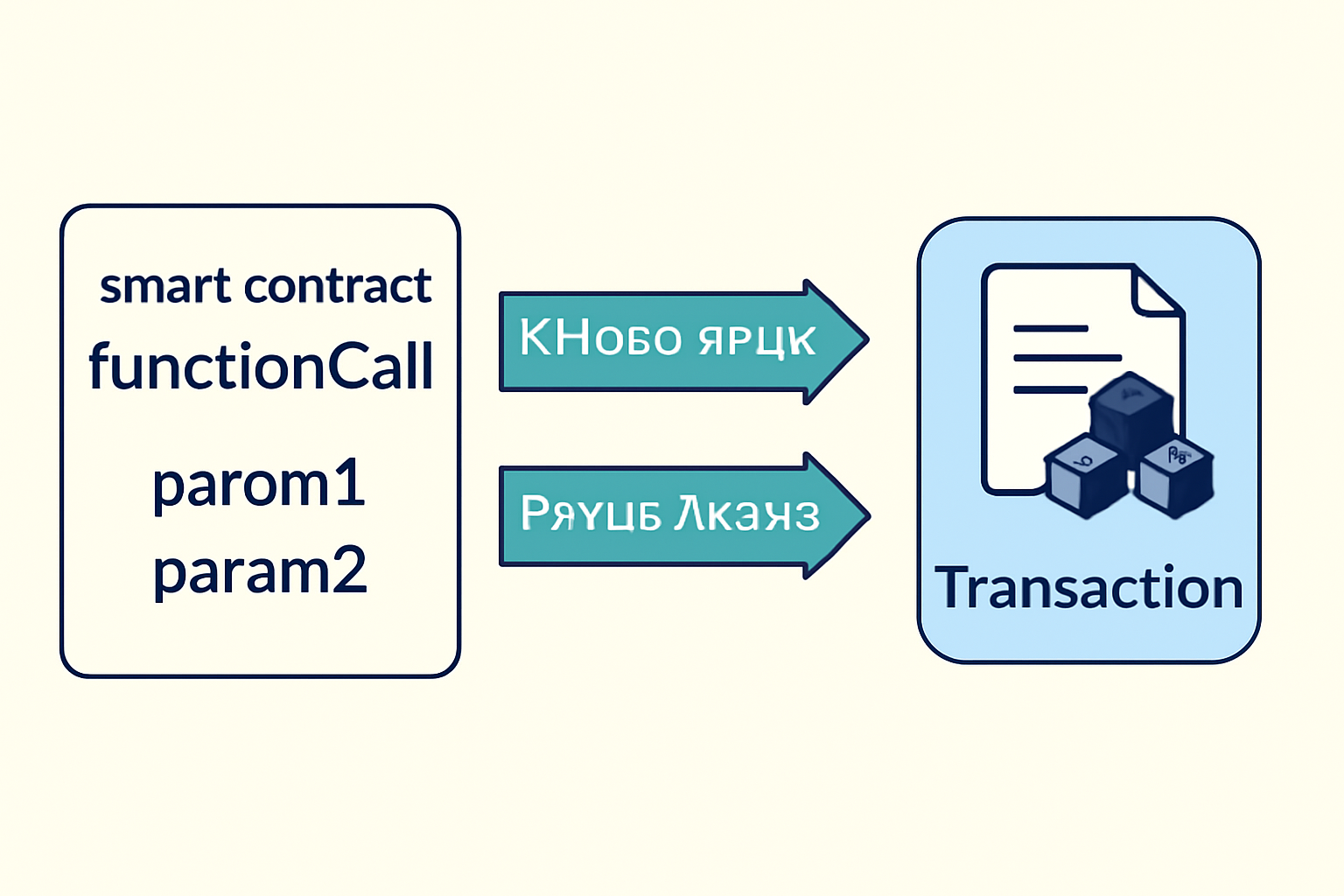
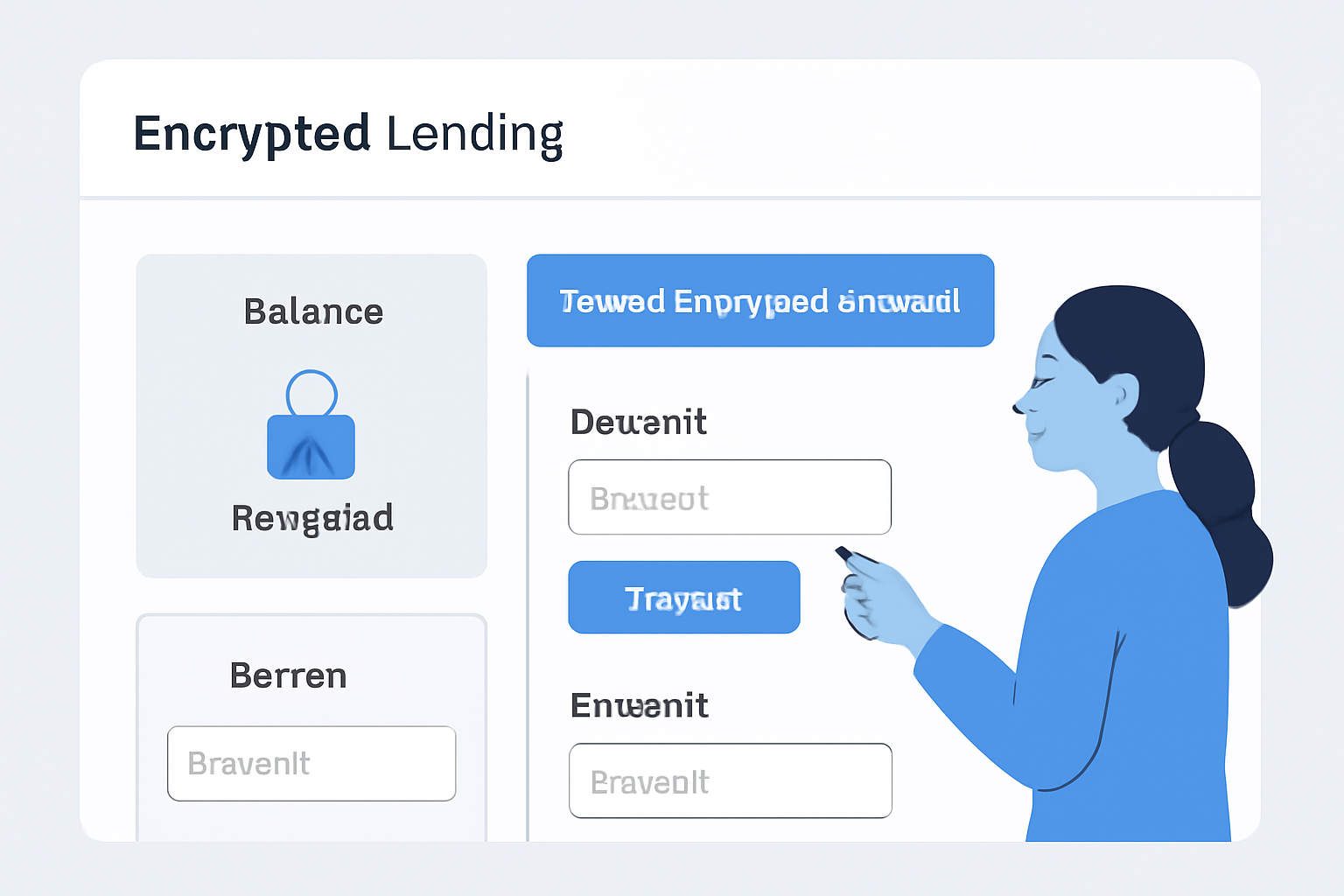
This approach powers real-world apps like confidential lending, where borrow amounts stay hidden. Zama's Privacy Relayer simplifies tx broadcasting, dodging MEV risks on public chains. From my dives into protocols, this client-side encryption is where most devs trip up initially, but once dialed in, it's smooth sailing for FHE smart contracts Ethereum.
Deploy Your First FHEVM Confidential Counter: Quick Start Guide


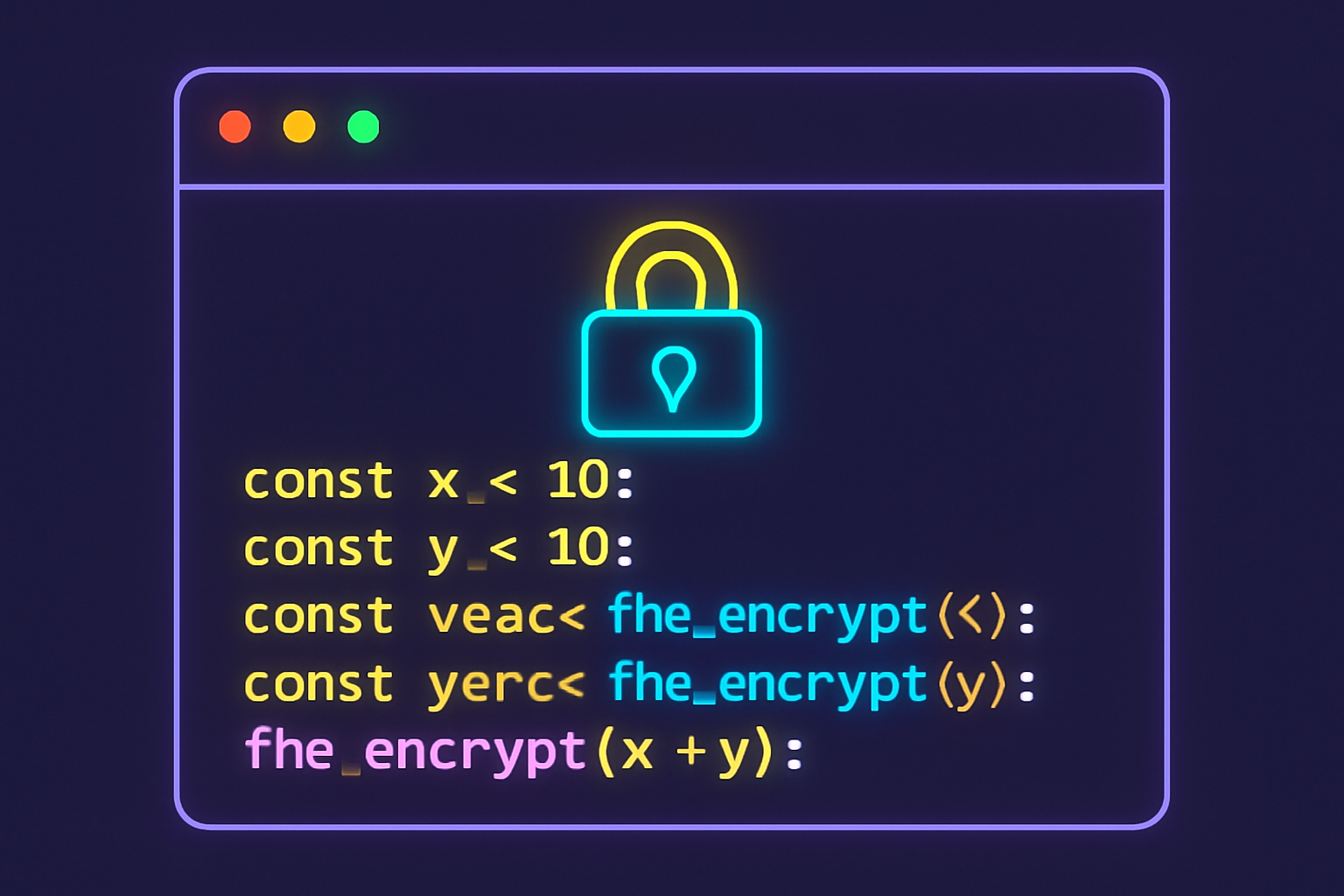
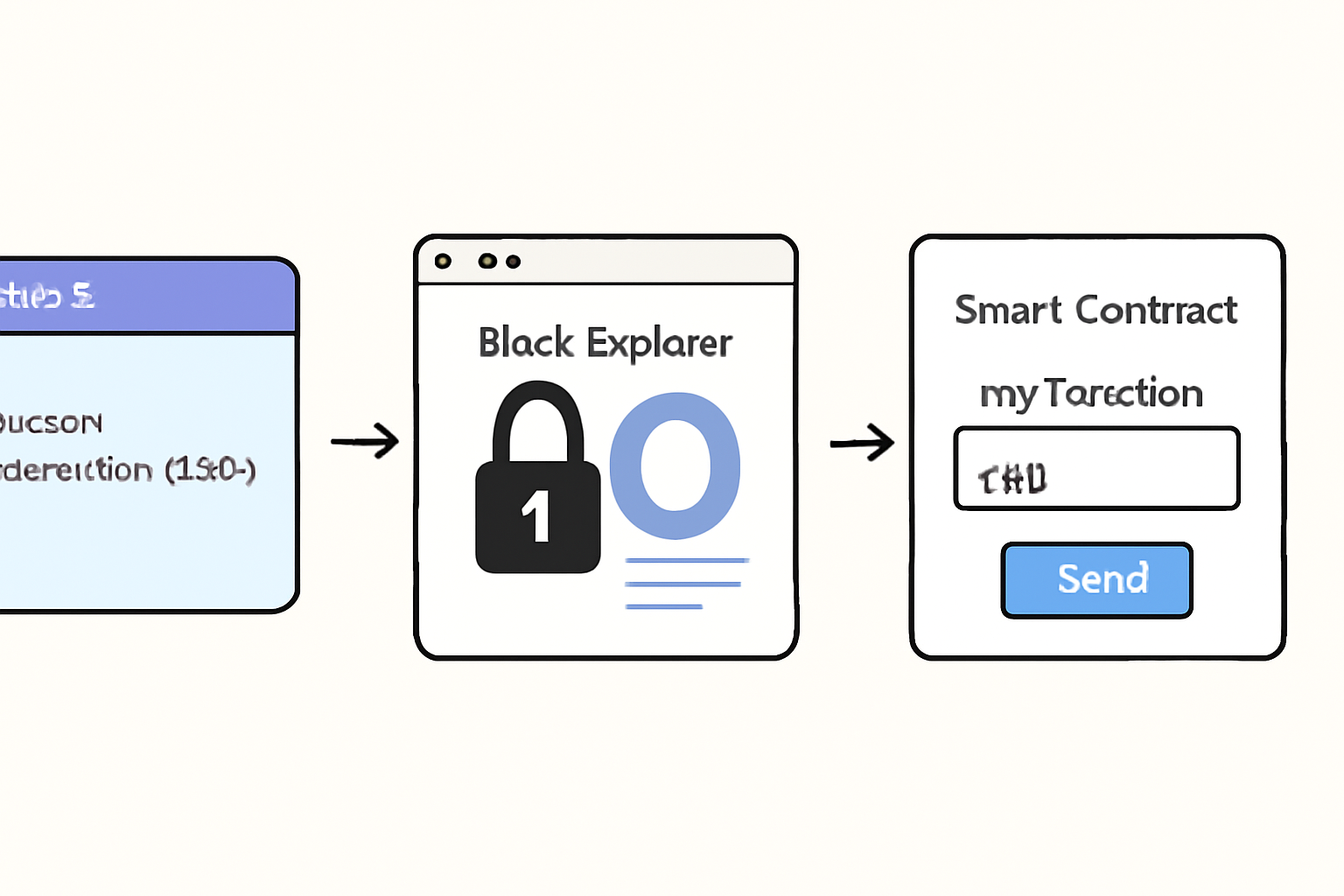

Testing on FHEVM testnets mimics mainnet perfectly, with faucets for encrypted ETH. Use their Foundry fork for local simulations - speeds up iteration massively. For production, the FHEVM Coprocessor shines, handling compute off-chain while settling on Ethereum L1 or L2s. Gas costs? Optimized to under 1M per complex op in 2025 updates.
Advanced Operations: Comparisons and Conditionals
Beyond basics, FHEVM excels at encrypted comparisons and branches. Want a private auction? Encode bids as euint256, compare without decrypting using gt or lt ops. Conditionals like if (encryptedBalance and gt; threshold) {. . . } execute blindly, revealing only outcomes. This unlocks encrypted smart contracts Zama for voting or scoring systems.
Access control gets granular too - owner-only revelations via public keys. Zama's Solidity guides detail these, with patterns for secure oracles feeding encrypted data. I've seen devs build on-chain identity verifiers this way, echoing that passport management project but scaled for enterprises.
Security note: always validate ciphertext sizes and use randomized nonces. Zama's audits cover the VM, but your contract logic needs eyes too. Pair with OpenZeppelin's FHE wizard for battle-tested bases.

Diving deeper, explore the Zama Protocol litepaper for architecture insights. Composability remains king - your confidential contract calls others seamlessly, blending privacy with Ethereum's ecosystem.
Real-World Use Cases and Scaling
Imagine DeFi with hidden positions: yield farms where APYs compute on encrypted stakes. Or governance DAOs with secret ballots tallied on-chain. The Confidential Token standard from Zama-OpenZeppelin? It's primed for private ERC-20s, transfers invisible yet verifiable. On L2s, FHEVM Coprocessor crushes throughput limits.
Community momentum is electric - Season 10 bounties reward full dApps, from hello-world to complex privacy apps. Their awesome-zama repo points to FHE research, fueling innovation. As Ethereum scales post-Dencun, Zama FHE developer guide tools position you ahead.
Challenges persist: FHE ops are heavier than plain Solidity, but 2025 optimizations close the gap. Start small, iterate with testnets, and join the Developer Program for feedback. Building these feels like unlocking Ethereum's private layer - powerful, necessary, and just getting started. Grab the repo, spin up a node, and encrypt your first tx today.




No comments yet. Be the first to share your thoughts!