

As the blockchain ecosystem evolves, the need for privacy-preserving computation has never been more urgent. The convergence of artificial intelligence and decentralized platforms in 2025 is reshaping how we think about data sovereignty, trust, and automation. Encrypted smart agents - autonomous programs that operate on-chain while safeguarding sensitive information - are at the heart of this transformation. Powered by Fully Homomorphic Encryption (FHE), these agents can process encrypted data without ever exposing it, setting a new gold standard for confidential smart contract execution.
Why FHE is the Missing Piece for Private On-Chain AI Agents
Traditional smart contracts excel at transparency but struggle with confidentiality. Once data hits the chain, it becomes visible to all participants - a dealbreaker for applications involving personal finance, healthcare records, or proprietary business logic. FHE changes this paradigm by enabling computations directly on encrypted inputs. The result: only those with the decryption keys can access the final output, while all intermediate steps remain opaque to observers and even to validators.
This capability is not just theoretical. In 2025, projects like Fhenix have launched FHE coprocessors on Ethereum Layer 2s such as Arbitrum Sepolia, allowing developers to integrate confidential logic into their dApps with minimal friction. Meanwhile, Mind Network's HTTPZ protocol is pushing toward a fully encrypted Web3 stack, supporting secure AI operations and consensus without leaking any underlying data.
The State of FHE-Powered Smart Contract Development
Recent technical advancements have made FHE practical for real-world blockchain use cases. Open-source libraries like OpenFHE provide robust primitives for homomorphic computation across platforms. Collaborations such as CryptoLab x UClone are bringing consumer-ready FHE-powered AI agents to market, demonstrating both feasibility and demand.
The architecture typically involves:
- Data encryption off-chain: Inputs are encrypted before being submitted to the blockchain.
- On-chain computation: Smart contracts or coprocessors perform operations directly on ciphertexts using FHE schemes.
- Decryption off-chain: Only authorized users can decrypt results after execution.
This model ensures full end-to-end confidentiality - even in adversarial environments or public networks.
Tangible Benefits: Privacy-Preserving Automation in Action
The implications of FHE-enabled smart agents reach far beyond theory:
- User Data Stays Private: Sensitive financial transactions or medical records processed by an agent never leave their encrypted state on-chain.
- Enterprise Logic Remains Confidential: Proprietary algorithms or business rules embedded in contracts cannot be reverse-engineered by competitors or external parties.
- Censorship Resistance with Compliance: Agents can enforce regulatory checks (like KYC/AML) without revealing user identities to the entire network.
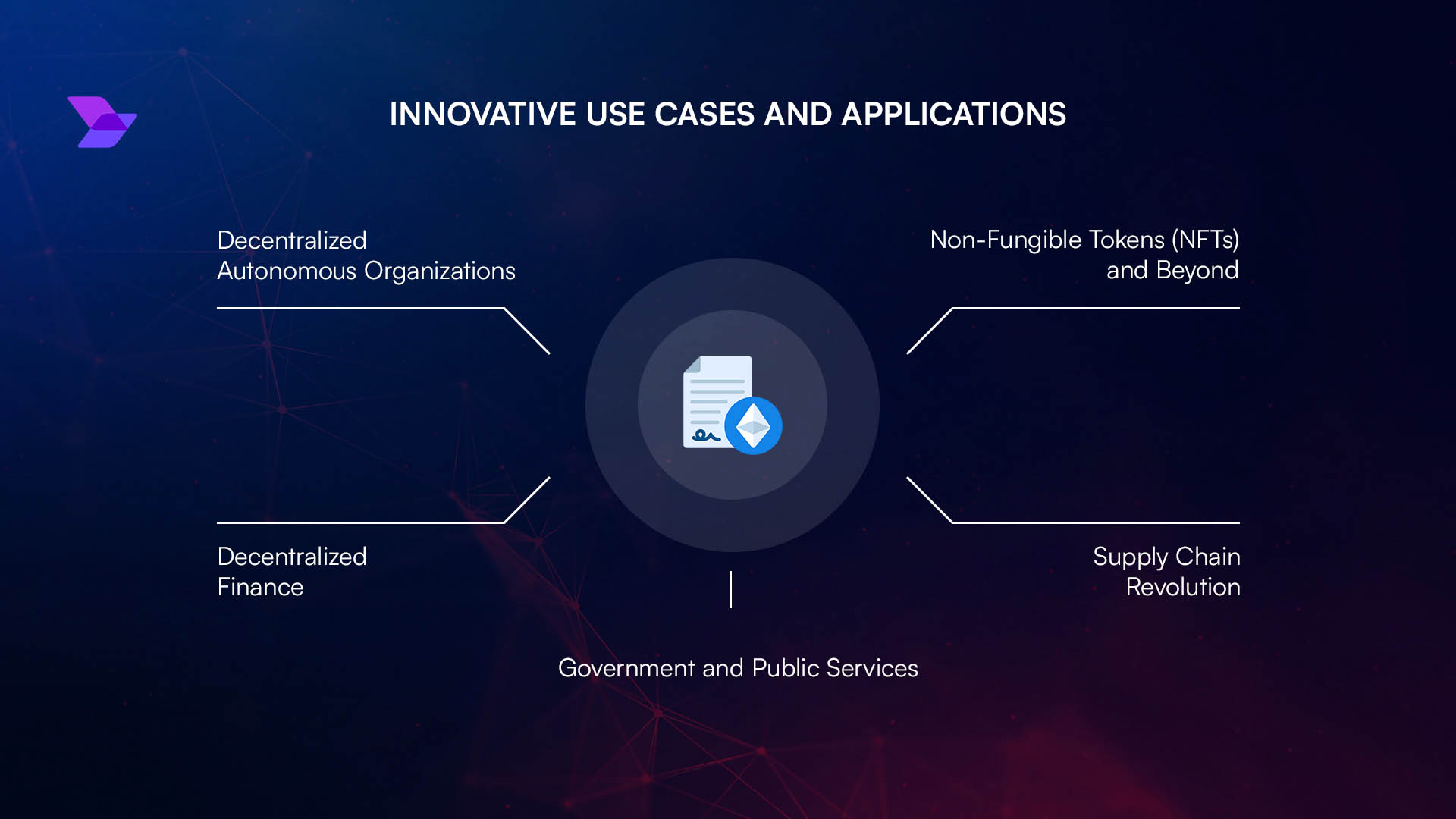
This leap in privacy enables entirely new classes of decentralized applications - from confidential DeFi automation to private DAOs and secure AI-driven marketplaces. As highlighted by Zama and Chainlink Confidential Compute, developers now have concrete tools to build these systems atop public blockchains without sacrificing user trust or compliance requirements.
Still, building a robust FHE-powered smart agent is not without its hurdles. While the cryptographic foundations are now solid, developers must contend with unique engineering challenges: performance bottlenecks, integration complexity, and the need for rigorous security audits. The computational overhead of FHE remains a key consideration, especially for real-time AI inference or high-frequency DeFi strategies. However, hardware acceleration and ongoing protocol optimizations are steadily narrowing the gap between privacy and speed.
Security is paramount. Implementers must adhere to best practices in key management, parameter selection, and side-channel resistance. Projects like Mind Network and Fhenix are setting new standards by providing reference architectures and compliance checklists that can be adapted across verticals.
Best Practices for Deploying Encrypted Smart Agents
To help teams navigate this emerging landscape, here’s a practical checklist for launching an encrypted smart agent using Fully Homomorphic Encryption:
By following these guidelines, ranging from initial threat modeling to continuous monitoring, you can mitigate risks while capitalizing on the transformative privacy guarantees that FHE offers.
The Road Ahead: Widespread Adoption and Next-Gen Use Cases
The market momentum behind privacy-preserving AI 2025 is unmistakable. With Zama’s FHEVM guide lowering the technical barriers for Solidity developers, and consumer-facing solutions from CryptoLab x UClone gaining traction, we’re witnessing the dawn of encrypted DeFi automation and trustless Web3 computation.
Looking forward, expect to see:
- Private machine learning agents that collaborate across organizations without sharing raw data
- Confidential voting systems ensuring both transparency and ballot secrecy
- Zero-knowledge marketplaces where bids and asks remain private until settlement
This shift will empower enterprises to unlock sensitive analytics on public ledgers while giving individuals unprecedented control over their digital footprint.
Final Thoughts: Empowering Privacy in a Transparent World
The fusion of blockchain, AI, and advanced encryption isn’t just a technical milestone, it’s a paradigm shift in how we define digital trust. As privacy moves from afterthought to core design principle, encrypted smart agents will be central to the next wave of decentralized innovation. Developers who master these tools today will shape tomorrow’s secure Web3 economy, one where data sovereignty is not just promised but mathematically enforced.




No comments yet. Be the first to share your thoughts!